📅 Wednesday, September 16, 2026
Today, seeing a six-figure luxury watch on a rubber strap barely raises an eyebrow.
In 1980, it was borderline heresy.
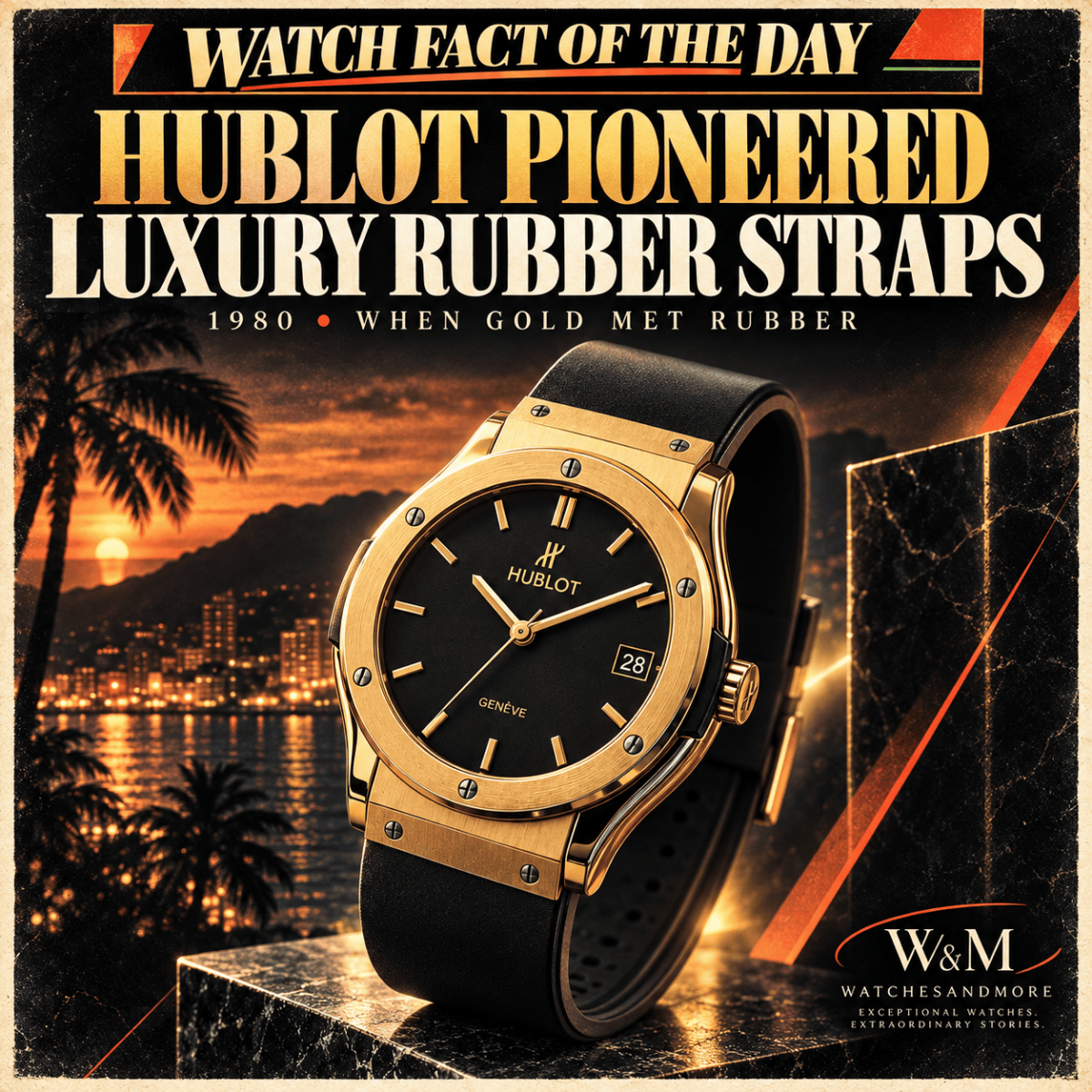
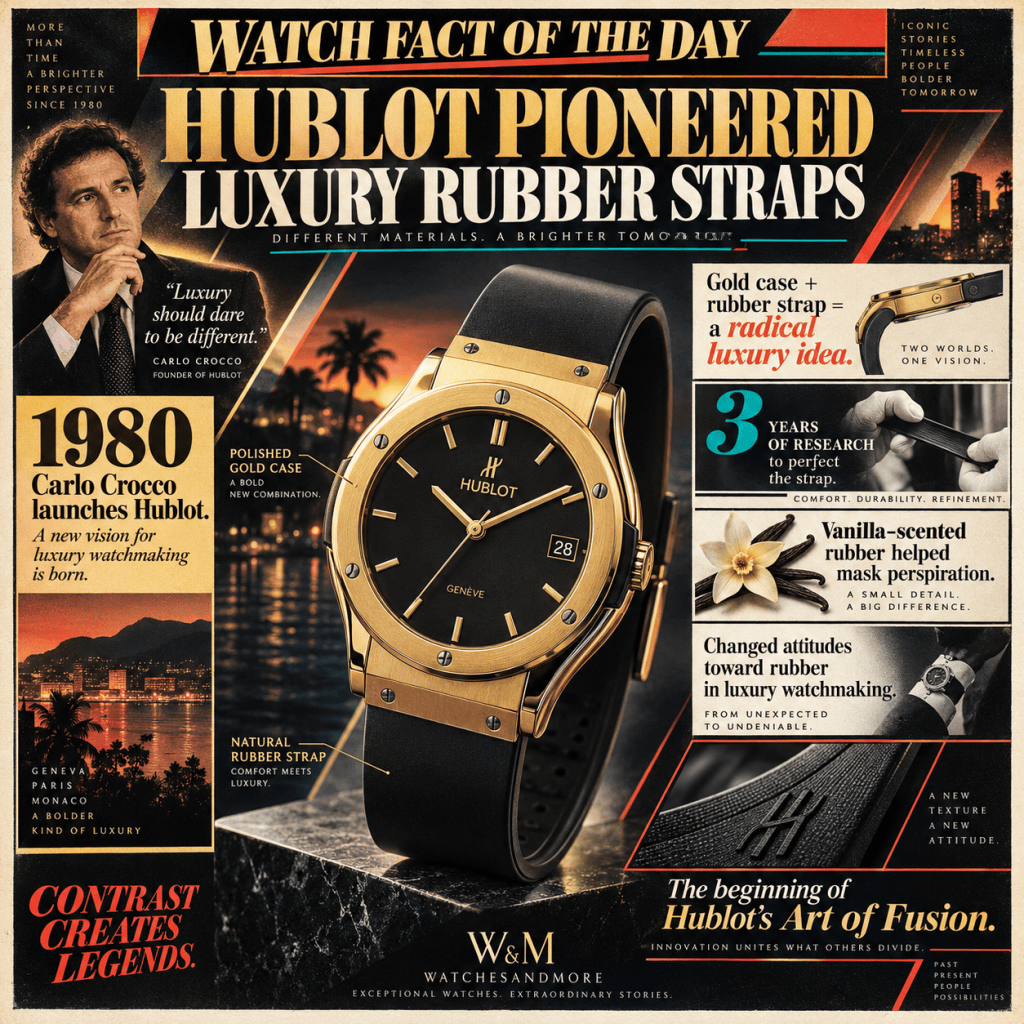
When Italian entrepreneur Carlo Crocco introduced the first Hublot, he paired a gold luxury watch with a black natural-rubber strap—a combination that challenged one of the most traditional assumptions in Swiss watchmaking. Precious metals belonged on leather or matching metal bracelets. Rubber belonged on utilitarian sports equipment. Crocco decided they belonged together. Hublot
The watch itself was inspired by a ship’s porthole—“hublot” in French—with a round bezel secured by visible screws, a minimalist black dial, and an integrated rubber strap flowing directly from the case. The contrast was the whole point: refined gold above, modern rubber below. Hublot
And the strap wasn’t an afterthought.
Historical Hublot material says Crocco spent roughly three years developing the natural-rubber strap, refining its comfort, durability, and fit before the watch’s 1980 launch. Adfpr
That matters because Hublot wasn’t simply putting a cheap strap on an expensive watch.
It was deliberately redefining what a luxury material combination could look like.
GOLD + RUBBER
At the time, those two materials seemed to belong to completely different worlds.
And that tension became Hublot’s identity.
💡 Did You Know?
The original concept became the seed of what Hublot would later call the:
ART OF FUSION
The philosophy was bigger than rubber itself.
It was the idea that watchmaking could deliberately combine materials that traditional luxury normally kept apart:
gold + rubber
ceramic + metal
carbon + precious materials
sapphire + mechanical watchmaking
Jean-Claude Biver later made that distinction explicit: the message wasn’t simply rubber—it was fusion. Hodinkee
That first 1980 watch was therefore much more important than it might look today.
Because now?
Rubber straps are everywhere in high-end watchmaking.
Patek Philippe, Richard Mille, IWC, Chanel, Hermès and many others have embraced sporty elastomer or composite straps in luxury collections. What once looked shocking became normal. South China Morning Post
⭐ Why It Matters
Hublot’s early success came from asking a very simple design question:
Why should luxury materials only be combined in traditional ways?
Crocco didn’t make rubber luxurious by pretending it was leather.
He made the contrast itself luxurious.
That was the breakthrough.
PRECIOUS GOLD.
INDUSTRIAL RUBBER.
ONE WATCH.
And that combination helped establish one of the strongest material philosophies in modern watch design.
1980 — GOLD MEETS RUBBER
THE RULEBOOK BREAKS
THE ART OF FUSION BEGINS
Category: Brand Spotlight
Disclaimer: Every effort has been made to keep these watch facts accurate, but the world of horology is full of myths, disputed stories, and fascinating trivia. Consider these facts a starting point for discovery rather than the final word. If you have corrections or additional insights, let us know—we’re always happy to keep the record ticking in the right direction.
🕐 Discover more watch facts, reviews, and buying guides at WatchesAndMore
🛍️ You Might Also Like
As an Amazon Associate and affiliate partner, WatchesAndMore earns from qualifying purchases.
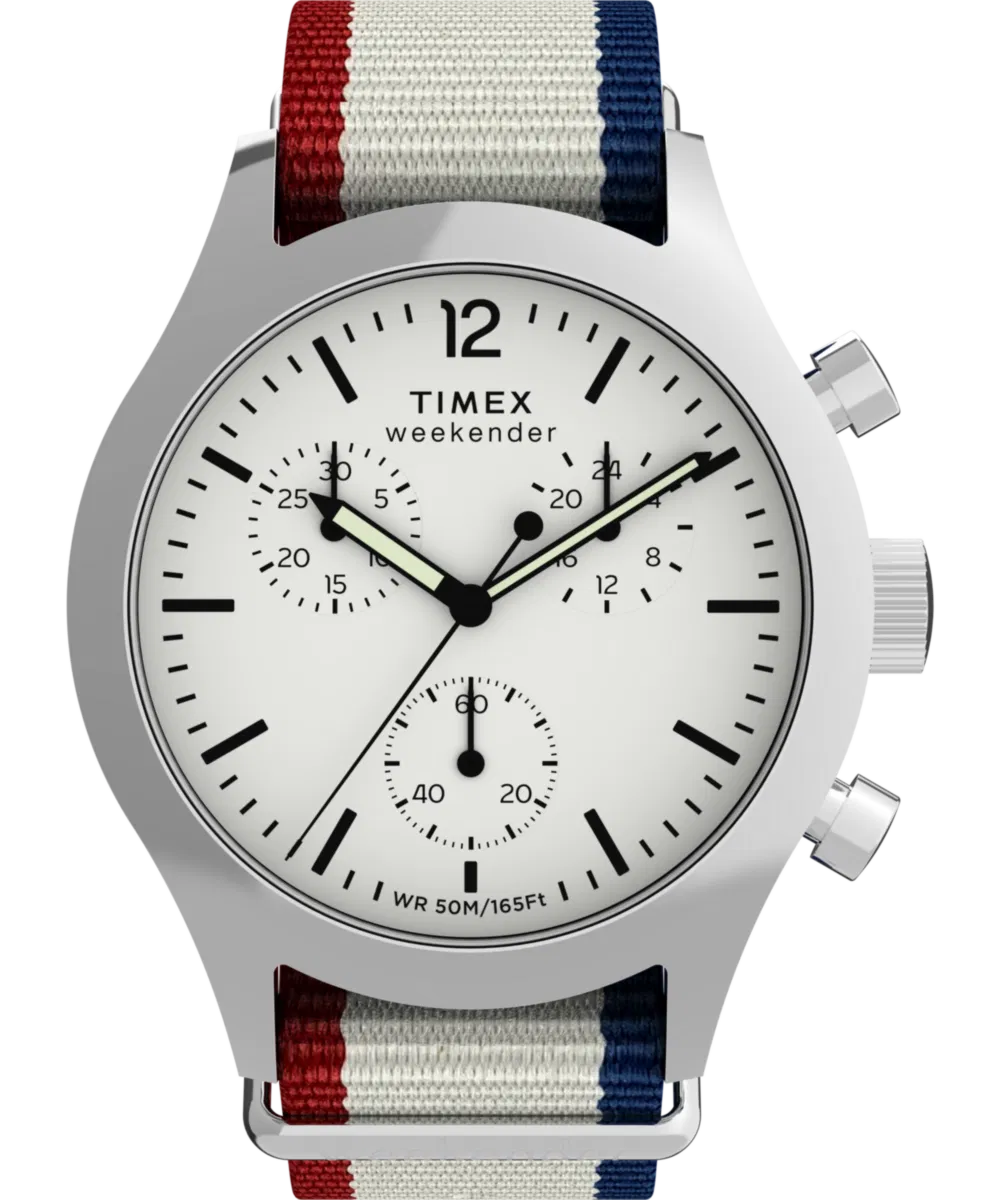
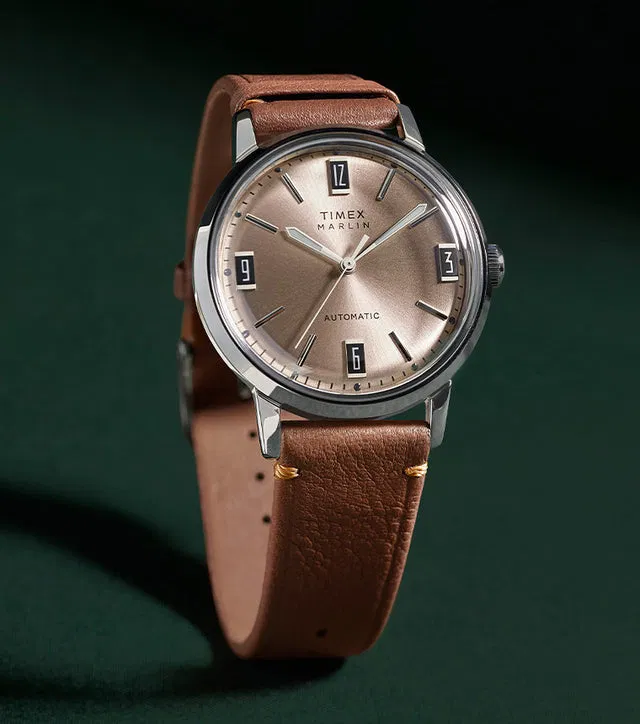
Timex
★★★★★ 4.5 (3,041 reviews)
$79