
Watch Fact of the Day: The ‘Million Dollar’ Watch That Was Given Away for Free!

The Patek Philippe Calibre 89, one of the most complicated mechanical watches ever made, was created in 1989 to celebrate the company’s 150th anniversary. Despi

πŸ“… Sunday, July 19, 2026

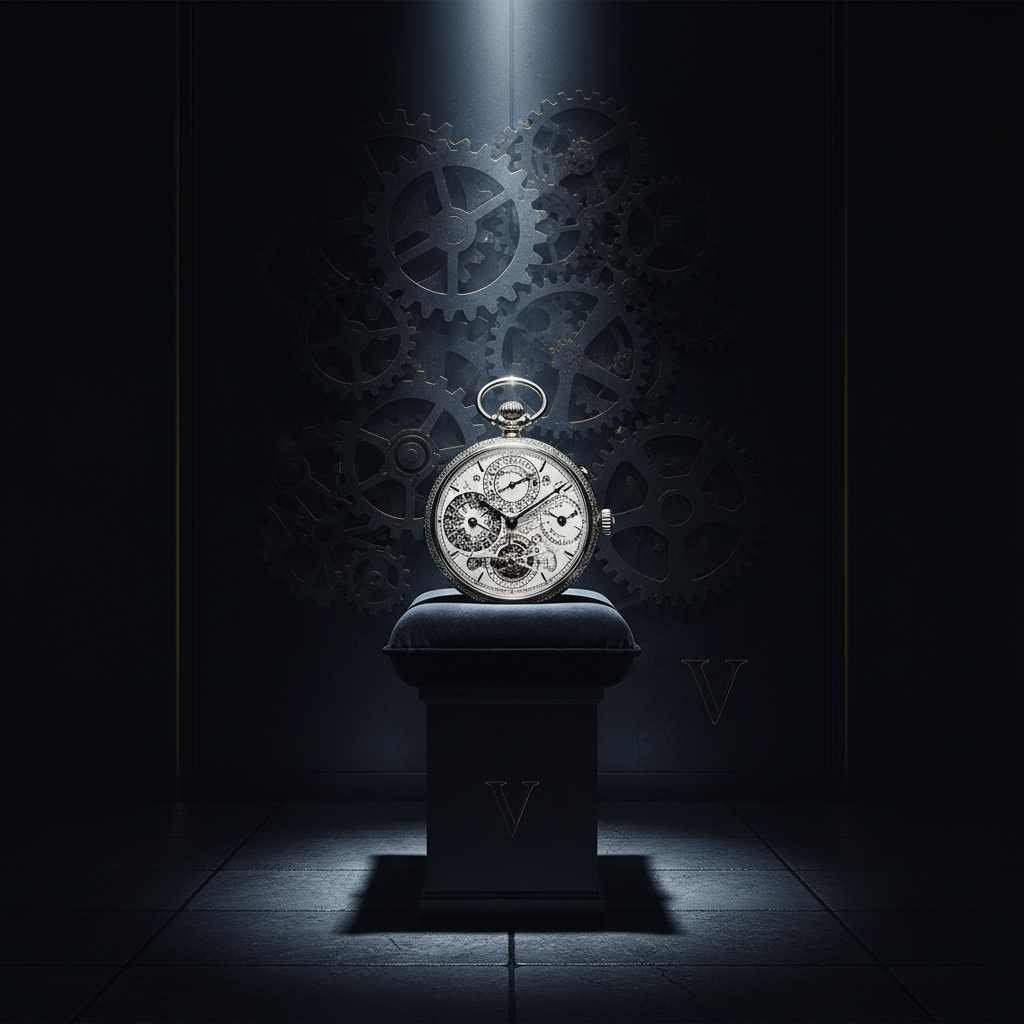
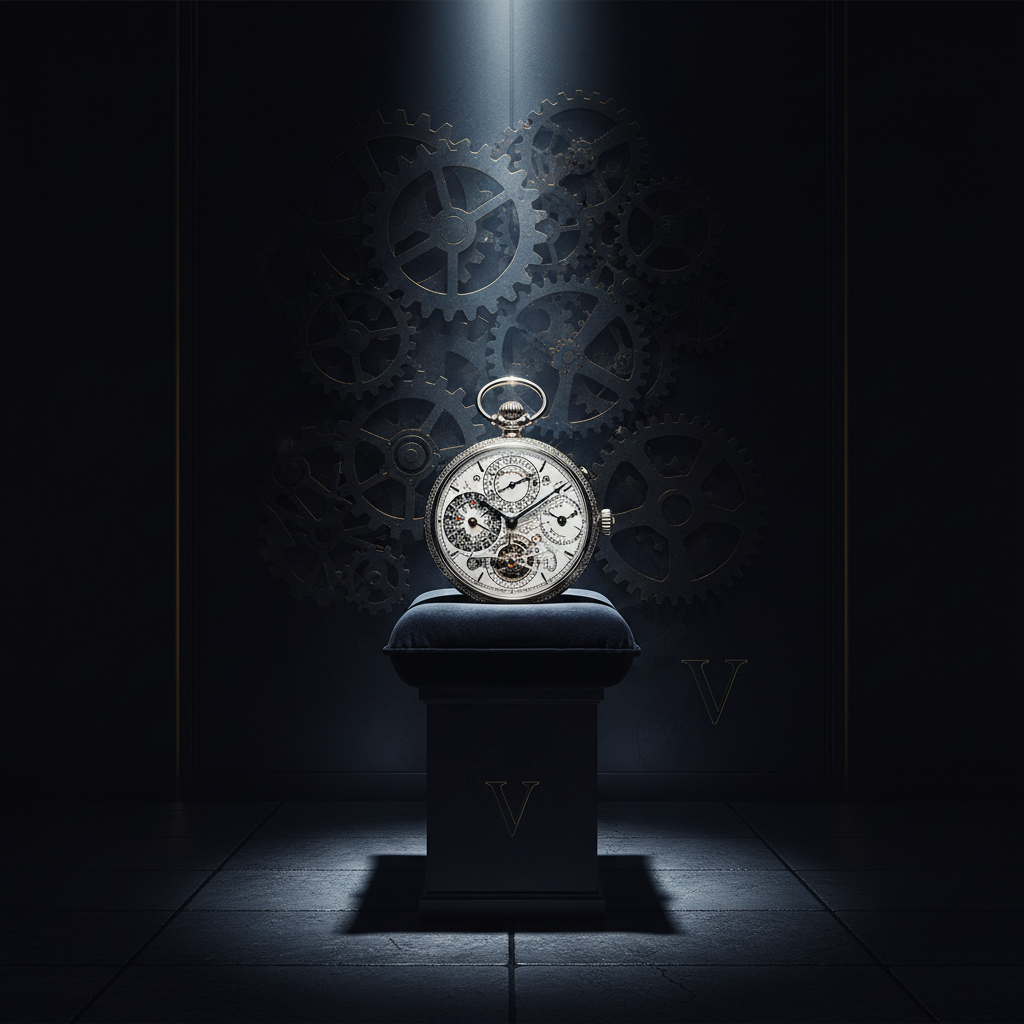
The Patek Philippe Calibre 89, one of the most complicated mechanical watches ever made, was created in 1989 to celebrate the company’s 150th anniversary. Despite its immense value and complexity, Patek Philippe famously gave away the first of only four examples to the Patek Philippe Museum, rather than selling it. This ensured its preservation as a horological masterpiece for future generations.


The Calibre 89 is a staggering achievement in mechanical engineering, containing 33 complications and an astonishing 1,728 individual components. Housed in an elegant 88.2 mm gold pocket watch case, it features perpetual calendars, sunrise and sunset indicators, a star chart, a minute repeater, a thermometer, and even an equation of time display. It took a team of master watchmakers nearly five years to design, assemble, and regulate each movement, cementing its place among the most complex mechanical timepieces ever created.

Rather than treating the first Calibre 89 as a commercial product, Patek Philippe viewed it as part of the company’s legacy. By donating the inaugural example to its museum in Geneva, the manufacture ensured that collectors, historians, and future generations could appreciate this remarkable milestone in watchmaking. The remaining examples entered private hands over the years, where they have become some of the most coveted and valuable watches ever offered at auction, often commanding prices measured in the millions of dollars.

Today, the Calibre 89 remains a symbol of what traditional watchmaking can achieve when technical innovation is pursued without compromise. It wasn’t created to break sales records or maximize profitsβ€”it was built to celebrate 150 years of horological excellence. By placing the very first example in its museum rather than a private collection, Patek Philippe made a powerful statement: some masterpieces are simply too important to disappear into a safe, and are best preserved as part of watchmaking history for everyone to admire.

Category: Record Breaker

Disclaimer: Every effort has been made to keep these watch facts accurate, but the world of horology is full of myths, disputed stories, and fascinating trivia. Consider these facts a starting point for discovery rather than the final word. If you have corrections or additional insights, let us knowβ€”we’re always happy to keep the record ticking in the right direction.

πŸ• Discover more watch facts, reviews, and buying guides at WatchesAndMore


πŸ›οΈ You Might Also Like

As an Amazon Associate and affiliate partner, WatchesAndMore earns from qualifying purchases.

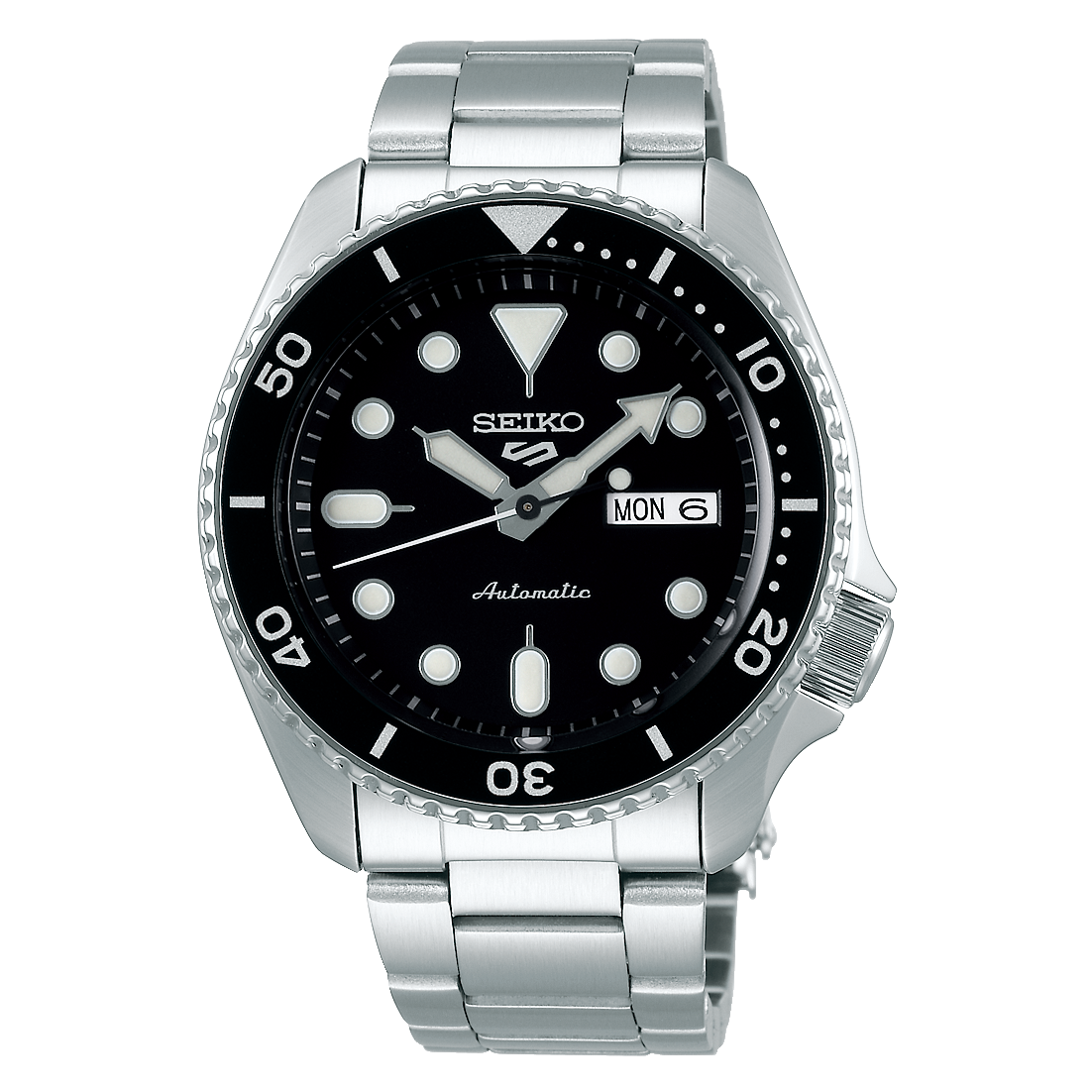
Seiko 5 Sports SRPD55


Seiko 5 Sports SRPD55

Seiko

β˜…β˜…β˜…β˜…β˜… 4.7 (1,247 reviews)

$275


Check Price on Amazon β†’

Citizen Promaster Diver


Citizen Promaster Diver

Citizen

β˜…β˜…β˜…β˜…β˜… 4.7 (2,192 reviews)

$299


Check Price on Amazon β†’


Browse all 75+ expert-reviewed watches β†’

The Watch Advisor
Find Your Perfect Watch

Watch Fact of the Day: The ‘Destro’ Watch: A Left-Handed Twist on Timekeeping

What do you get when you design a watch for lefties? A Destro watch! This quirky timepiece flips the script on traditional wristwatches, moving the crown to the left side so left-handed folks can finally stop giving their wrists the side-eye. But don’t be fooledβ€”many righties are snatching these up just for the comfort and to flaunt their unconventional style. Originating from Italian lingo, β€œDestro” hints at its right-handed roots, making it a favorite among soldiers and adventurers alike. So, whether you’re a lefty or just a watch rebel, the Destro proves that sometimes it takes a little wrist action to stand out in the horology world!
πŸ“… Saturday, July 18, 2026

While most watches are designed to be worn on the left wrist and wound with the right hand, ‘Destro’ watches are specifically crafted for left-handed wearers. The crown and pushers are positioned on the left side of the watch case, making it easier for left-handed individuals to operate the watch without removing it from their right wrist. This thoughtful design caters to a significant portion of the population often overlooked in standard watch manufacturing.


The "Destro" Watch
The “Destro” Watch

The term “Destro” comes from the Italian word for “right,” referring to watches designed to be worn on the right wrist. While they were created with left-handed wearers in mind, Destro watches also became popular with military personnel, divers, and outdoor professionals who preferred wearing their watch on their dominant hand or wanted to prevent the crown from digging into the back of their wrist during strenuous activity. By relocating the crown to the opposite side of the case, manufacturers improved both comfort and accessibility.

Some of the most recognizable Destro watches have come from brands such as Panerai, Tudor, and TAG Heuer, each embracing the unconventional layout for different reasons. Panerai, in particular, produced several left-handed models for military divers, where practicality always came before tradition. Today, these unusual references are highly sought after by collectors, not only because of their rarity but because they stand out from conventional watch designs.

Interestingly, many people who buy Destro watches aren’t left-handed at all. Some simply enjoy the improved comfort of a left-side crown, while others appreciate owning something a little different from the norm. In a hobby where small details can make a watch truly distinctive, the Destro layout proves that sometimes flipping a familiar design on its head is all it takes to create a future collector’s favorite.

Category: Fun Quirk

Disclaimer: Every effort has been made to keep these watch facts accurate, but the world of horology is full of myths, disputed stories, and fascinating trivia. Consider these facts a starting point for discovery rather than the final word. If you have corrections or additional insights, let us knowβ€”we’re always happy to keep the record ticking in the right direction.

πŸ• Discover more watch facts, reviews, and buying guides at WatchesAndMore


πŸ›οΈ You Might Also Like

As an Amazon Associate and affiliate partner, WatchesAndMore earns from qualifying purchases.

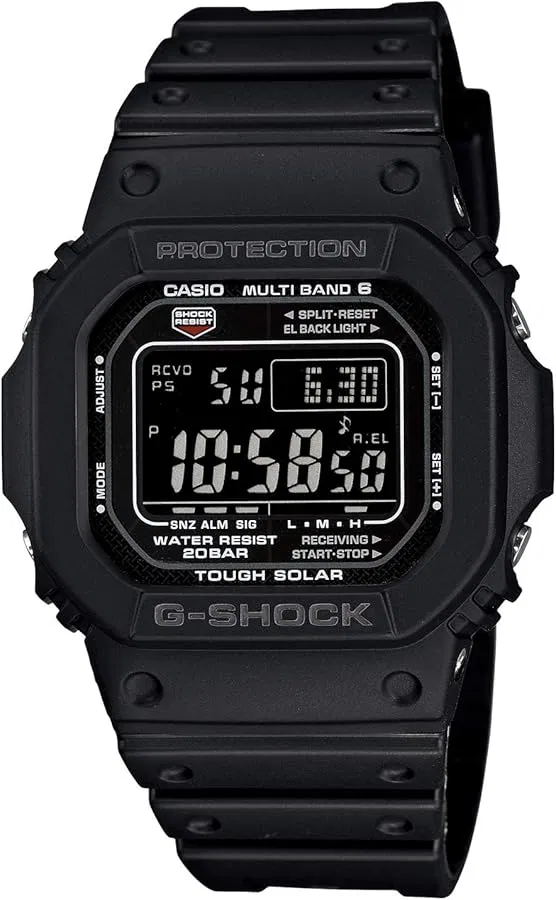
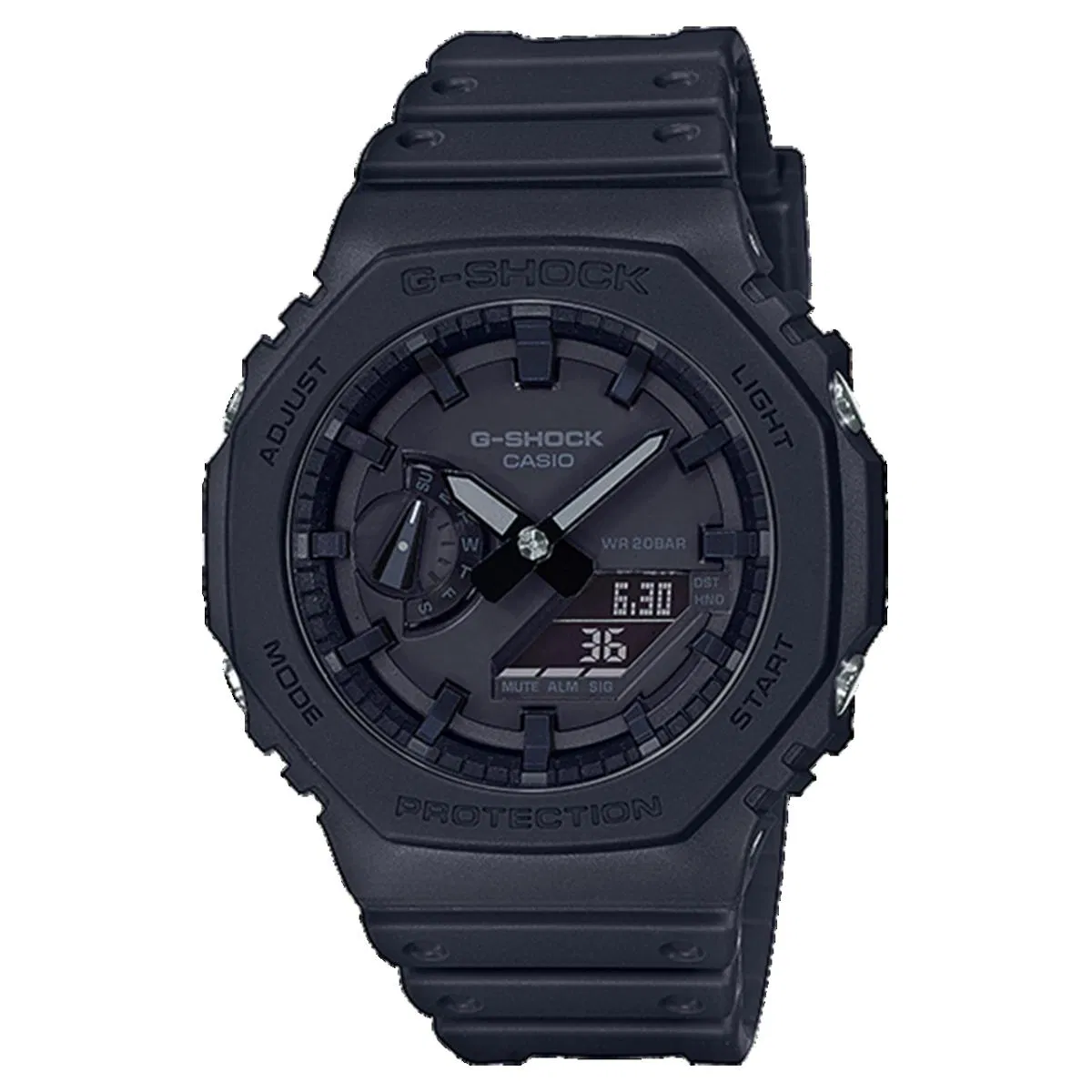
G-Shock GA2100-1A1 CasiOak


G-Shock GA2100-1A1 CasiOak

Casio

β˜…β˜…β˜…β˜…β˜… 4.8 (2,156 reviews)

$99


Check Price on Amazon β†’

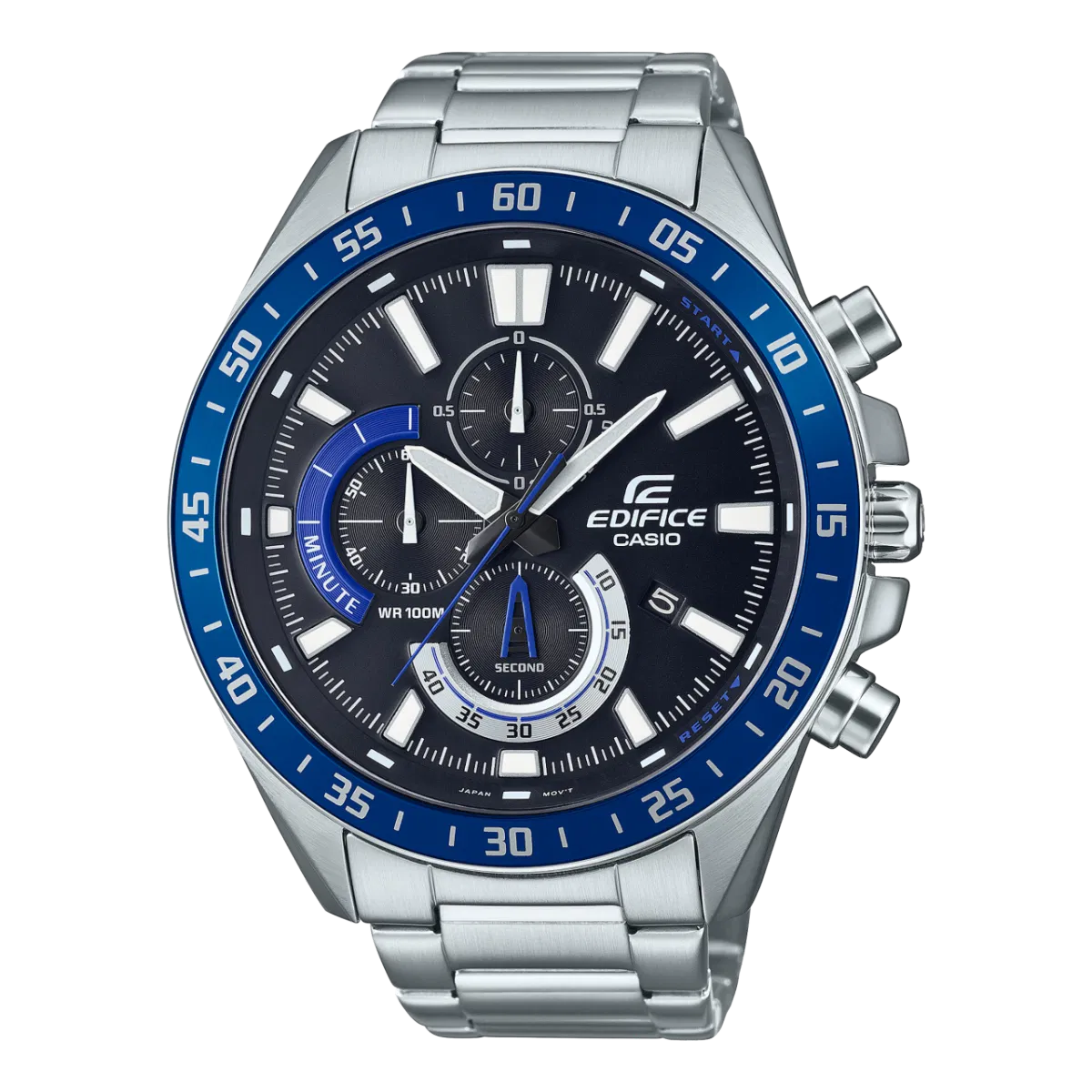
Casio Edifice Chronograph


Casio Edifice Chronograph

Casio

β˜…β˜…β˜…β˜…β˜… 4.7 (1,264 reviews)

$120


Check Price on Amazon β†’

Browse all 75+ expert-reviewed watches β†’

The Watch Advisor
Find Your Perfect Watch


Watch Fact of the Day: The ‘Pepsi’ Bezel: A Happy Accident of Color, Not Just Style

Once upon a time in the 1950s, pilots had a dilemma: how to tell if it was cocktail or coffee time at 30,000 feet. Enter the Rolex GMT-Master with its dizzying blue and red ‘Pepsi’ bezel, a brilliant dual-tone decision that transformed navigation into a colorful affair. Designed to help aviators avoid costly blunders, it echoed the Pepsi logo, leading collectors to nickname it the “Pepsi” bezel. Fast forward, and this practical watch feature turned into one of the most coveted horological icons. Who knew that saving pilots from time zone confusion could lead to a frenzy in watch fashion! Cheers to that!

πŸ“… Friday, July 17, 2026

The iconic blue and red ‘Pepsi’ bezel, famously associated with the Rolex GMT-Master, was originally developed for a practical reason: to distinguish between day and night hours for pilots. The red portion indicated daylight hours, while the blue represented nighttime, making it easier for aviators to track time across multiple zones. Its distinctive color combination was a functional design choice that unexpectedly became one of horology’s most recognizable and beloved aesthetic features.


Vintage Rolex GMT-Master watch with faded red and blue bezel and aged dial
A close-up of a vintage Rolex GMT-Master watch showcasing its aged bezel and worn dial.

The story began in the 1950s when commercial aviation was rapidly expanding and international pilots needed an easier way to keep track of multiple time zones. Working closely with Pan American World Airways (Pan Am), Rolex introduced the GMT-Master in 1954 with a rotating 24-hour bezel and an additional GMT hand. The two-tone bezel wasn’t chosen simply because it looked attractiveβ€”it allowed pilots to instantly distinguish between daytime and nighttime hours at a glance, reducing the chance of costly navigation errors during long-haul flights.

Over the decades, the blue-and-red bezel took on a life of its own. Collectors affectionately nicknamed it the “Pepsi” bezel because its colors resembled the famous soft drink’s logo, a nickname that Rolex never officially adopted but enthusiasts embraced worldwide. The success of the Pepsi bezel inspired a whole family of colorful GMT nicknames, including the “Coke” (red and black), “Batman” (blue and black), and “Root Beer” (brown and black), proving just how influential a functional design decision had become.

Today, the Pepsi bezel is one of the most recognizable features in all of watchmaking. Modern ceramic versions are incredibly difficult to manufacture because creating a perfectly crisp, two-color ceramic insert requires advanced engineering and precision. What started as a practical solution for airline pilots has evolved into one of the most sought-after and enduring design icons in horological historyβ€”a perfect example of how great functionality can become timeless style.

Category: Watch History

Disclaimer: Every effort has been made to keep these watch facts accurate, but the world of horology is full of myths, disputed stories, and fascinating trivia. Consider these facts a starting point for discovery rather than the final word. If you have corrections or additional insights, let us knowβ€”we’re always happy to keep the record ticking in the right direction.

πŸ• Discover more watch facts, reviews, and buying guides at WatchesAndMore


πŸ›οΈ You Might Also Like

As an Amazon Associate and affiliate partner, WatchesAndMore earns from qualifying purchases.

Bulova Precisionist


Bulova Precisionist

Bulova

β˜…β˜…β˜…β˜…β˜… 4.6 (1,100 reviews)

$219


Check Price on Amazon β†’

Timex Marlin Automatic 40mm


Timex Marlin Automatic 40mm

Timex

β˜…β˜…β˜…β˜…β˜… 4.7 (1,106 reviews)

$259


Check Price on Amazon β†’

More Watch Facts


Browse all 75+ expert-reviewed watches β†’

Calatrava symbol

https://watchesandmoreco.blog/2026/07/16/watch-fact-of-the-day-the-calatrava-cross-symbol-not-just-a-pretty-logo/

Watch Fact of the Day: The ‘Calatrava Cross’ Symbol: Not Just a Pretty Logo!

The distinctive ‘Calatrava Cross’ logo found on Patek Philippe watches is not merely an aesthetic choice. It is a historical symbol derived from the Calatrava O

Brand Spotlight: Thursday, July 16, 2026

πŸ“… Thursday, July 16, 2026

The distinctive ‘Calatrava Cross’ logo found on Patek Philippe watches is not merely an aesthetic choice. It is a historical symbol derived from the Calatrava Order, a Spanish military and religious order founded in the 12th century. Antoine Norbert de Patek, one of the brand’s founders, was a Polish nobleman who adopted the symbol in 1887, signifying independence, courage, and excellence, values he associated with his watchmaking house.


The Order of Calatrava, established in 1158, was dedicated to defending the fortress of Calatrava in medieval Spain during the Reconquista. Its emblemβ€”a stylized cross with fleur-de-lis-shaped armsβ€”became associated with honor, loyalty, discipline, and unwavering commitment. When Patek Philippe adopted the symbol in the late 19th century, it wasn’t intended to suggest any religious affiliation, but rather to embody the same ideals of strength, integrity, and enduring excellence that the company sought to reflect in its watches.

Today, the Calatrava Cross is one of the most recognizable logos in all of horology, appearing on everything from crowns and clasps to movement rotors and presentation boxes. It has become synonymous with meticulous craftsmanship and timeless design, instantly identifying a watch as part of one of Switzerland’s most prestigious manufactures. Unlike many luxury logos that have evolved over time, the Calatrava Cross has remained remarkably consistent for well over a century.

Interestingly, the famous Calatrava collection itself wasn’t introduced until 1932, decades after the company adopted the emblem. Inspired by the minimalist Bauhaus philosophy of “form follows function,” the collection became the perfect expression of understated elegance. Together, the Calatrava Cross and the Calatrava watch have become enduring symbols of Patek Philippe’s philosophy: exceptional craftsmanship, timeless design, and the belief that true luxury is measured not by extravagance, but by perfection in every detail.

Category: Brand Spotlight

Disclaimer: Every effort has been made to keep these watch facts accurate, but the world of horology is full of myths, disputed stories, and fascinating trivia. Consider these facts a starting point for discovery rather than the final word. If you have corrections or additional insights, let us knowβ€”we’re always happy to keep the record ticking in the right direction.

πŸ• Discover more watch facts, reviews, and buying guides at WatchesAndMore


πŸ›οΈ You Might Also Like

As an Amazon Associate and affiliate partner, WatchesAndMore earns from qualifying purchases.

Bulova Precisionist


Bulova Precisionist

Bulova

β˜…β˜…β˜…β˜…β˜… 4.6 (1,100 reviews)

$219


Check Price on Amazon β†’

Timex Marlin Automatic 40mm


Timex Marlin Automatic 40mm

Timex

β˜…β˜…β˜…β˜…β˜… 4.7 (1,106 reviews)

$259


Check Price on Amazon β†’

Browse all 75+ expert-reviewed watches β†’

The Watch Advisor
Find Your Perfect Watch

Watch Fact of the Day: The ‘Reverso’ That Was Designed for Polo Players, Not Just Style

So, the Jaeger-LeCoultre Reverso watch is a total classic that came out in the 1930s, designed to save watch faces during polo matches. British officers in India were tired of breaking their watches, so they asked Jacques-David LeCoultre for a solution. Enter CΓ©sar de Trey, who teamed up with LeCoultre and designer RenΓ©-Alfred Chauvot to create the flip case that protects the crystal. This rugged design soon became an Art Deco icon with a sleek look and personalization options. Today, the Reverso is still a luxury favorite, proving great design lasts.

Watch History: Wednesday, July 15, 2026

πŸ“… Wednesday, July 15, 2026

The iconic Jaeger-LeCoultre Reverso watch, famous for its swiveling case, was originally conceived in the early 1930s to protect the watch crystal during rough-and-tumble polo matches. British officers stationed in India, tired of smashing their watch faces during games, challenged Jacques-David LeCoultre to create a timepiece that could withstand the sport. The solution was a case that could flip over, presenting a solid metal back to absorb impacts.


French businessman CΓ©sar de Trey recognized the need after hearing complaints from polo players during a trip to India. He worked with Jaeger-LeCoultre and designer RenΓ©-Alfred Chauvot, who patented the ingenious reversible case in 1931. The mechanism allowed the watch to slide within its frame and rotate 180 degrees, protecting the delicate crystal in seconds. It was a simple yet revolutionary solution that perfectly blended engineering with elegance.

Although the Reverso was born as a rugged sports watch, it quickly found a second life as a symbol of Art Deco sophistication. Its clean rectangular case, sharp geometric lines, and reversible back made it popular well beyond the polo field. Owners soon discovered they could personalize the solid caseback with engravings, family crests, military insignias, or commemorative messages, transforming each watch into a unique heirloom.

Today, the Reverso is celebrated as one of the most recognizable luxury watches ever created. While few owners will ever wear one during a polo match, its ingenious reversible case remains a reminder that some of horology’s greatest icons began not as fashion statements, but as practical solutions to real-world problems. Nearly a century later, the Reverso continues to prove that exceptional design never goes out of style.

Category: Watch History

Disclaimer: Every effort has been made to keep these watch facts accurate, but the world of horology is full of myths, disputed stories, and fascinating trivia. Consider these facts a starting point for discovery rather than the final word. If you have corrections or additional insights, let us knowβ€”we’re always happy to keep the record ticking in the right direction.

πŸ• Discover more watch facts, reviews, and buying guides at WatchesAndMore


πŸ›οΈ You Might Also Like

As an Amazon Associate and affiliate partner, WatchesAndMore earns from qualifying purchases.

Bulova Precisionist


Bulova Precisionist

Bulova

β˜…β˜…β˜…β˜…β˜… 4.6 (1,100 reviews)

$219


Check Price on Amazon β†’

Timex Marlin Automatic 40mm


Timex Marlin Automatic 40mm

Timex

β˜…β˜…β˜…β˜…β˜… 4.7 (1,106 reviews)

$259


Check Price on Amazon β†’

The Watch Advisor
Find Your Perfect Watch


Browse all 75+ expert-reviewed watches β†’

Watch Fact of the Day: The ‘Watchmaker’s Secret’: Why Some Dials Have a Tiny ‘SWISS’ Mark

Once upon a time, those tiny inscriptions on watch dials were like secret codes for horology aficionadosβ€”before Swiss regulations put a foot down. A tiny β€˜SWISS’ or β€˜SWISS A.T.’ was a cheeky way for watchmakers to hint, β€œHey, this movement’s legit, even if the casing had a little globetrotting adventure!” Fast forward a few decades, and collectors are scouring the 6 o’clock spot for clues like detectives on a caffeine high. Who knew a few measly letters could be the difference between vintage treasure and knock-off trash? In a world obsessed with precision, even watchmakers understand that good things come in small (and sometimes almost invisible) packages!

Watch History: Tuesday, July 14, 2026

πŸ“… Tuesday, July 14, 2026

Before the ‘Swiss Made’ regulation became standardized, some watchmakers discreetly marked their dials with a tiny ‘SWISS’ or ‘SWISS A.T.’ (for ‘Swiss Ancien Temps’ or ‘Old Swiss’) near the 6 o’clock position. This was often done to indicate that the movement was indeed Swiss, even if the watch was cased or assembled elsewhere, a subtle nod to its origin before stricter labeling laws took hold.


That tiny inscription eventually became one of the most recognizable details in luxury watchmaking. As the reputation of Swiss craftsmanship grew throughout the 20th century, the word “Swiss” evolved from a simple country-of-origin marking into a symbol of precision, reliability, and quality. Collectors today often inspect the small text beneath the 6 o’clock marker because it can reveal valuable clues about a watch’s age, authenticity, and production era.

Over the decades, the markings themselves changed to reflect new materials and evolving regulations. Vintage watches may feature inscriptions such as “T SWISS T” or “SWISS T < 25,” indicating the use of tritium lume, while modern watches typically display “SWISS MADE” after stricter legal standards were introduced. These tiny details help collectors identify whether a dial is original, replaced, or refinishedβ€”making a few millimeters of text surprisingly important in the world of horology.

Today, that nearly invisible word at the bottom of the dial represents more than geography. It reflects generations of Swiss innovation, craftsmanship, and watchmaking tradition. For enthusiasts, reading the tiny inscription at 6 o’clock is often the first step in uncovering a watch’s story, proving that some of the most important details in horology are also the easiest to overlook.

Category: Watch History

Disclaimer: Every effort has been made to keep these watch facts accurate, but the world of horology is full of myths, disputed stories, and fascinating trivia. Consider these facts a starting point for discovery rather than the final word. If you have corrections or additional insights, let us knowβ€”we’re always happy to keep the record ticking in the right direction.

πŸ• Discover more watch facts, reviews, and buying guides at WatchesAndMore


πŸ›οΈ You Might Also Like

As an Amazon Associate and affiliate partner, WatchesAndMore earns from qualifying purchases.

Bulova Precisionist


Bulova Precisionist

Bulova

β˜…β˜…β˜…β˜…β˜… 4.6 (1,100 reviews)

$219


Check Price on Amazon β†’

Timex Marlin Automatic 40mm


Timex Marlin Automatic 40mm

Timex

β˜…β˜…β˜…β˜…β˜… 4.7 (1,106 reviews)

$259


Check Price on Amazon β†’

More Watch Facts
More Watch Facts


Browse all 75+ expert-reviewed watches β†’

Watch Fact of the Day: The ‘Poor Man’s Tourbillon’ That Isn’t a Tourbillon At All!

In the high-stakes world of watchmaking, there exists a delightful contraption known as the carousel, affectionately dubbed the “poor man’s tourbillon.” Invented by Danish maestro Bahne Bonniksen in 1892, this nifty device twirls the entire escapement while keeping the driving wheel steady, making it the less fancy cousin of the tourbillon. While the tourbillon struts its complexity like a show-off, the carousel humbly boasts elegance without breaking the bank. Recently revived by savvy watchmakers, this underdog proves that having a different approach to precision can be both charming and practical. So, next time you see one, remember: it’s not cheap, it’s distinctive!

Watch Fact of the Day: The 'Poor Man's Tourbillon' That Isn't a Tourbillon At All!
Watch Fact of the Day: The ‘Poor Man’s Tourbillon’ That Isn’t a Tourbillon At All!

πŸ“… Monday, July 13, 2026

While the tourbillon is a complex mechanism designed to counteract gravity’s effects on a watch’s accuracy, a carousel complication achieves a similar goal but operates differently. Often called a ‘poor man’s tourbillon’ due to its typically simpler construction and lower cost, the carousel rotates the entire escapement, but its driving wheel is fixed, unlike the tourbillon’s rotating cage. This distinction makes it a fascinating alternative for those appreciating horological ingenuity without the tourbillon’s extreme complexity and price tag.

Technical schematic of 19th century watch movement showing mainspring barrel, going train gearing, carousel, and escapement detail with labeled parts
Detailed technical schematic of a 19th century watch movement with carousel escapement.

The carousel was invented in 1892 by Danish watchmaker Bahne Bonniksen, who sought to create a more practical and affordable alternative to Abraham-Louis Breguet’s tourbillon. While both complications rotate the escapement to help average out positional errors caused by gravity, the carousel uses a different gear train and power delivery system. This clever engineering allowed watchmakers to achieve a similar visual spectacle with fewer manufacturing challenges, making the complication more accessible than the exceptionally intricate tourbillon.

For much of the 20th century, the carousel remained a rarity, overshadowed by the prestige of the tourbillon. In recent decades, however, independent watchmakers and innovative brands have revived interest in the complication, showcasing just how elegant and technically impressive the design truly is. Some modern timepieces even combine a carousel with other complications, demonstrating that this once-overlooked invention still has a place in contemporary haute horlogerie.

Although enthusiasts often refer to it as the “poor man’s tourbillon,” that nickname doesn’t do the carousel justice. It’s not a cheaper imitationβ€”it’s a distinct horological invention with its own history, engineering, and charm. For collectors, the carousel represents an alternative path to solving the same centuries-old challenge of precision timekeeping, proving that in watchmaking, there is often more than one brilliant way to tackle a problem.

Category: Fun Quirk

Disclaimer: Every effort has been made to keep these watch facts accurate, but the world of horology is full of myths, disputed stories, and fascinating trivia. Consider these facts a starting point for discovery rather than the final word. If you have corrections or additional insights, let us knowβ€”we’re always happy to keep the record ticking in the right direction.

πŸ• Discover more watch facts, reviews, and buying guides at WatchesAndMore


πŸ›οΈ You Might Also Like

As an Amazon Associate and affiliate partner, WatchesAndMore earns from qualifying purchases.

G-Shock GA2100-1A1 CasiOak


G-Shock GA2100-1A1 CasiOak

Casio

β˜…β˜…β˜…β˜…β˜… 4.8 (2,156 reviews)

$99


Check Price on Amazon β†’

Casio Edifice Chronograph


Casio Edifice Chronograph

Casio

β˜…β˜…β˜…β˜…β˜… 4.7 (1,264 reviews)

$120


Check Price on Amazon β†’

The Watch Advisor
Find Your Perfect Watch


Browse all 75+ expert-reviewed watches β†’


Watch Collector’s Checklist Graphics

Every watch collector has uttered those famous last words: “Just one more!” But let’s face itβ€”who are we kidding? Inspired by this universal truth, I’ve designed the Collector’s Checklist shirt, a stylish homage to our never-ending quest for timepieces. It’s not just another tee; it’s a badge of honor for those who juggle affordable quartz with fancy automatons while proclaiming there’s β€œno finish line” in this tick-tock treasure hunt. So, what’s the watch that fueled your obsession? Slip into this vintage-inspired shirt and let the world know your collection is a hungry monster that always cravesβ€”just one more!

🎯 Every watch collector has said it…

☐ Just one more.

☐ This is the last one.

☐ I promise.

β˜‘ Who am I kidding?

That simple idea inspired my latest design: Collector’s Checklist.

As someone who spends a lot of time writing about watches, reviewing timepieces, and building WatchesAndMore, I wanted to create something that every watch enthusiast could instantly relate to.

The challenge wasn’t just making another graphic T-shirtβ€”it was creating a design that feels premium enough to wear while capturing the humor that every collector understands. After several iterations, I settled on a vintage-inspired aesthetic with distressed typography, a modern watch collection, and a simple message:

There is no finish line.

Whether your collection includes affordable quartz icons or high-end mechanical masterpieces, every collector knows the excitement of discovering just one more.

I’d love to hear your thoughts. What’s the watch in your collection that started the obsession?

πŸ‘• You can check out the design here: Collector’s Checklist on Redbubble

#WatchCollector #Horology #WatchEnthusiast #MechanicalWatches #WatchCommunity #GraphicDesign #Redbubble #DigitalArt #CreativeDesign #Entrepreneur

Watch Fact of the Day: The Watch That Saved a President’s Life (and Got a Bullet Hole!)

Could a simple digital watch help save a life? Discover the incredible true story of Secret Service Agent Timothy McCarthy’s Seiko A159-4019, the vintage LCD watch caught in the line of fire during the 1981 assassination attempt on President Ronald Reagan. A fascinating piece of horological history that became a symbol of courage and heroism.

The Watch That Saved a President's Life
The Watch That Saved a President’s Life

πŸ“… Sunday, July 12, 2026

In 1981, during an assassination attempt on President Ronald Reagan, Secret Service agent Timothy McCarthy took a bullet to the chest. The bullet was significantly slowed and deflected by his Seiko watch, preventing a potentially fatal injury to his heart. The watch, a Seiko A159-4019 digital LCD, became an iconic symbol of his bravery and the unexpected protective power of a timepiece.


Seiko A159-4019
Seiko A159-4019

On March 30, 1981, Agent McCarthy instinctively stepped between President Reagan and would-be assassin John Hinckley Jr., using his own body as a shield. A .22 caliber bullet struck him in the chest, passing through his left lung before stopping short of his heart. The impact shattered his Seiko digital watch, which absorbed part of the bullet’s energy and became a remarkable piece of Secret Service history. While the watch alone didn’t “save” his life, it undoubtedly played a role in reducing the bullet’s force before it entered his body.

McCarthy made a full recovery and was later awarded the NCAA Award of Valor and the United States Secret Service Valor Award for his extraordinary courage. His damaged Seiko A159-4019 was preserved as a reminder of that dramatic day and has become one of the most famous watches associated with a real-life act of heroism. Unlike watches celebrated for their luxury or technical achievements, this humble digital Seiko earned its place in history through circumstances no engineer could have imagined.

The story also highlights why vintage digital Seikos continue to fascinate collectors. During the late 1970s and early 1980s, Seiko was pioneering LCD technology, producing watches that were rugged, reliable, and packed with cutting-edge features. The A159-4019 wasn’t designed to stop bulletsβ€”it was designed to tell time accurately. Yet on one unforgettable afternoon in Washington, D.C., it became part of one of the most extraordinary stories ever connected to a wristwatch, proving that sometimes history chooses the most unlikely objects to become legends.

Category: Watch Trivia

πŸ• Discover more watch facts, reviews, and buying guides at WatchesAndMore


Disclaimer: Every effort has been made to keep these watch facts accurate, but the world of horology is full of myths, disputed stories, and fascinating trivia. Consider these facts a starting point for discovery rather than the final word. If you have corrections or additional insights, let us knowβ€”we’re always happy to keep the record ticking in the right direction.

πŸ›οΈ You Might Also Like

As an Amazon Associate and affiliate partner, WatchesAndMore earns from qualifying purchases.

Seiko 5 SNK809 Automatic


Seiko 5 SNK809 Automatic

Seiko

β˜…β˜…β˜…β˜…β˜… 4.7 (3,289 reviews)

$99


Check Price on Amazon β†’

Seiko 5 Sports SRPD55


Seiko 5 Sports SRPD55

Seiko

β˜…β˜…β˜…β˜…β˜… 4.7 (1,247 reviews)

$275


Check Price on Amazon β†’


Browse all 75+ expert-reviewed watches β†’

More Watch Facts
More Watch Facts
The Watch Advisor
Find Your Perfect Watch