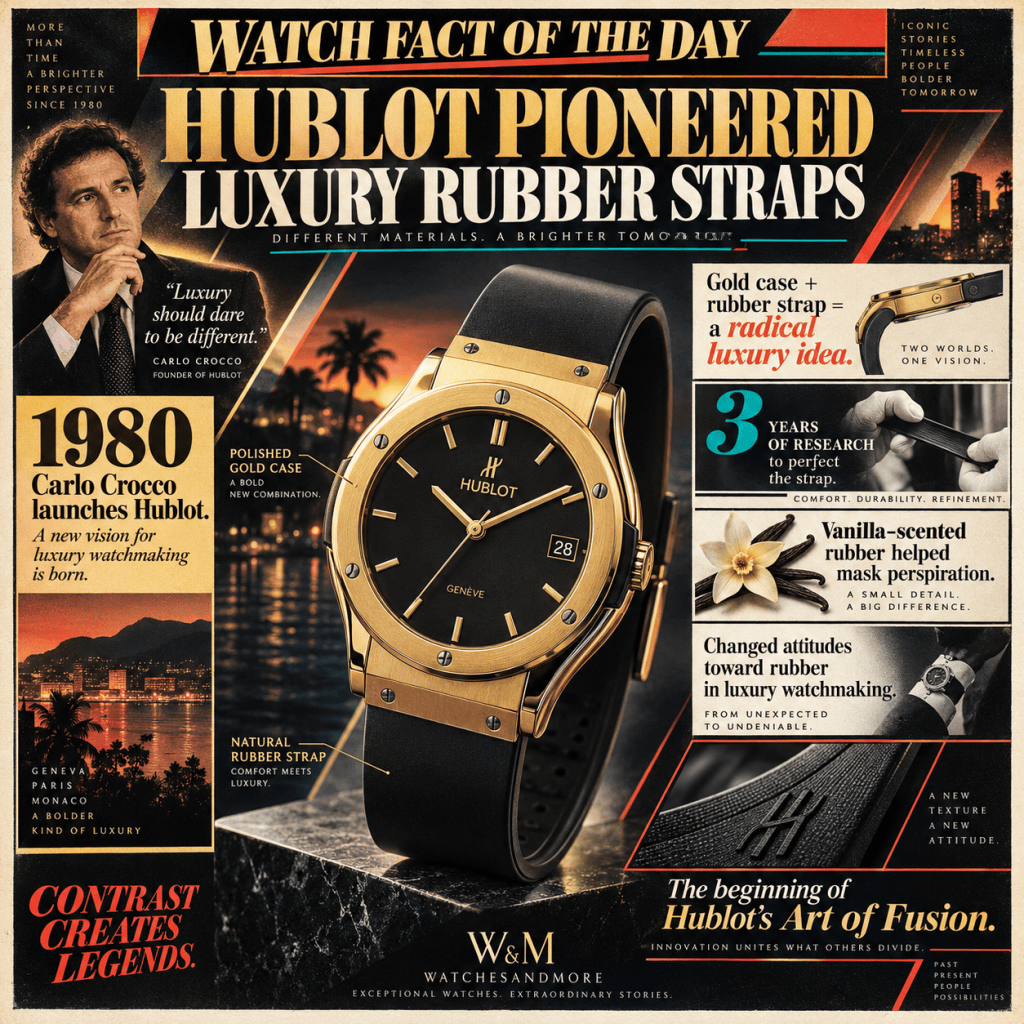


Watch Fact of the Day: Breguet’s Secret Signature: The 18th-Century Anti-Counterfeit Hack

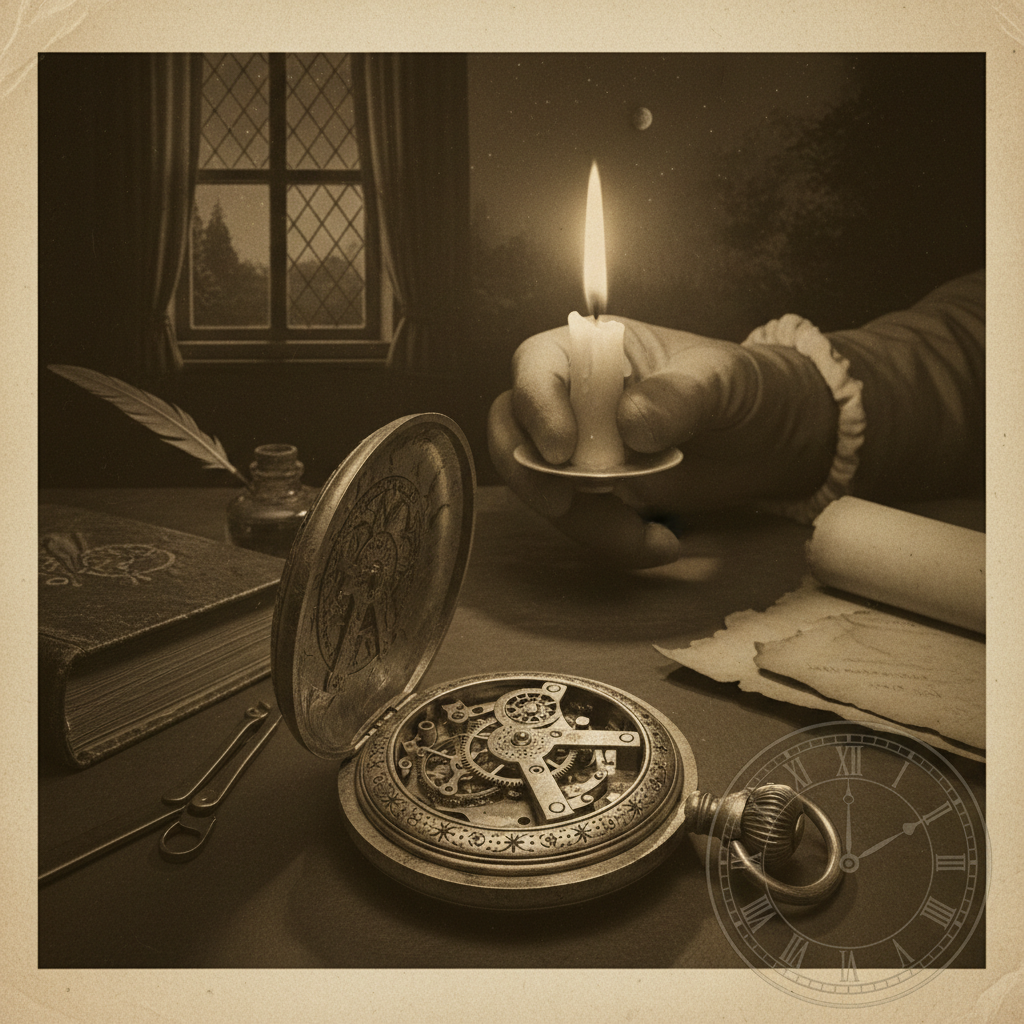
In the late 18th century, watchmaker Abraham-Louis Breguet faced a hilarious dilemma: his watches were so popular that counterfeiters were all over them like cats on a warm laptop. To combat this, he invented a “secret signature” so tiny it could hide in plain sight! Using a fancy engraving method, he created a mark that only the keenest eyes (or best lighting) could spot. Fast forward over two hundred years, and Breguet’s secret signature still ticks on, serving as both an anti-counterfeiting measure and a tribute to Breguet’s original genius. Talk about a watch that’s not just on time, but also a bit sneaky!

Watch History: Tuesday, August 11, 2026

📅 Tuesday, August 11, 2026

By the late 18th century, Abraham-Louis Breguet had a problem most watchmakers could only dream of: his watches had become so desirable that counterfeiters were copying them. His response was remarkably sophisticated. Around 1795, Breguet began placing an extraordinarily small “secret signature” on the dials of his watches—a subtle authentication mark designed to be exceedingly difficult for imitators to reproduce.

The technique employed a pantograph engraving system and a fine dry/diamond point, allowing a larger master inscription to be reduced to microscopic proportions on the dial. Rather than appearing like an ordinary printed logo, the resulting engraving could virtually disappear under normal viewing conditions and reveal itself when examined carefully under raking or oblique light. Without the appropriate pantograph and master matrix, accurately reproducing it was extremely difficult.

That made the secret signature an ingenious early form of luxury-product authentication. Genuine examples could incorporate Breguet’s name, identifying information and, on certain Souscription watches, the watch number. A Breguet Souscription pocket watch now held by the British Museum, for example, carries a miniature secret inscription below the 12 o’clock position.

More than two centuries later, the tradition survives. Modern Breguet watches can still feature the secret signature—not simply as an anti-counterfeiting measure, but as a connection to Abraham-Louis Breguet’s original craftsmanship and one of watchmaking’s cleverest historical security features.

Category: Watch History

Disclaimer: Every effort has been made to keep these watch facts accurate, but the world of horology is full of myths, disputed stories, and fascinating trivia. Consider these facts a starting point for discovery rather than the final word. If you have corrections or additional insights, let us know—we’re always happy to keep the record ticking in the right direction.

🕐 Discover more watch facts, reviews, and buying guides at WatchesAndMore


🛍️ You Might Also Like

As an Amazon Associate and affiliate partner, WatchesAndMore earns from qualifying purchases.
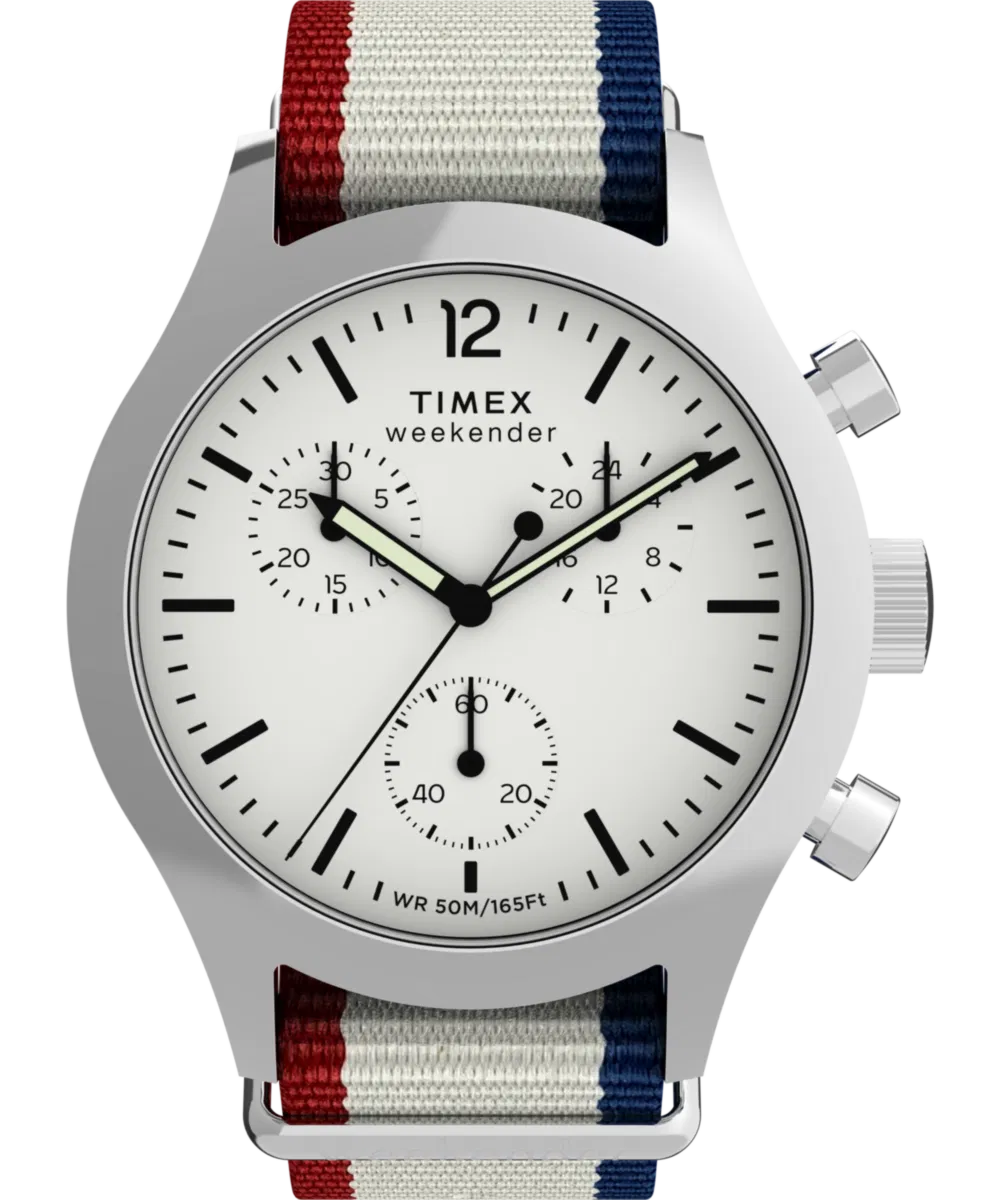
Timex Weekender Chronograph
🔥 Deal of the Day

Timex Weekender Chronograph

Timex

★★★★★ 4.5 (3,041 reviews)

$79

Offer expires in


🔥 Grab This Deal →

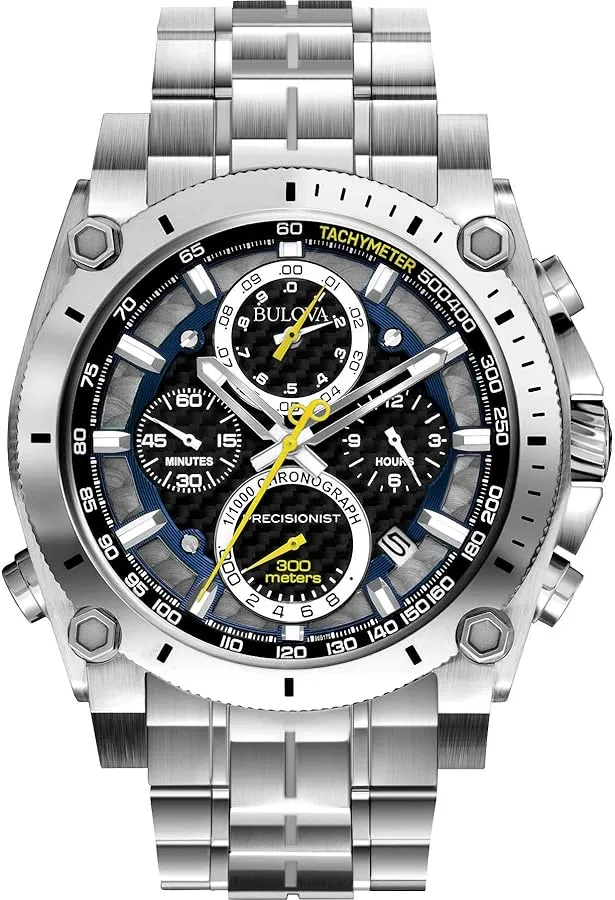
Bulova Precisionist


Bulova Precisionist

Bulova

★★★★★ 4.6 (1,100 reviews)

$219


Check Price on Amazon →

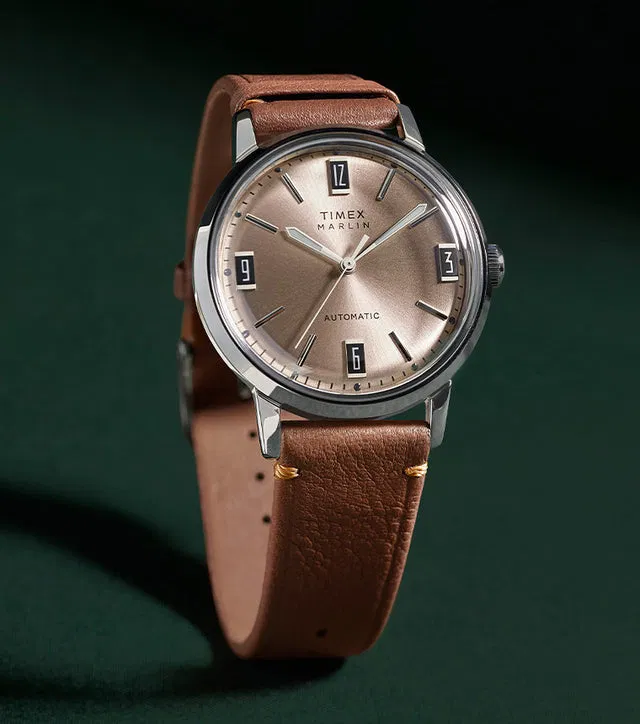
Timex Marlin Automatic 40mm


Timex Marlin Automatic 40mm

Timex

★★★★★ 4.7 (1,106 reviews)

$259


Check Price on Amazon →


Browse all 142+ expert-reviewed watches →

ETSY Shop
ETSY Shop
Redbubble Shop
Redbubble Shop
More Watch Facts
More Watch Facts

Watch Fact of the Day: The Watch with 1.85-Meter Mainsprings That Requires a Key to Wind

In a time-bending twist, A. Lange & Söhne’s Lange 31 hit the watch scene like a marvel of engineering! This timepiece boasts a jaw-dropping 31-day power reserve, courtesy of two springs stretched longer than your neighbor’s last fishing tale at 1.85 meters each! Winding this gigantic power pack isn’t a simple twist of the wrist; you’ll need a miniature mechanical key, not unlike something Indiana Jones would use, to avoid a wrist workout worthy of an Olympic gold medal. All that energy unfurling requires clever tech to keep things steady, ensuring you don’t lose track of time—unless you’re setting it back to 2016!

Fun Quirk: Monday, August 10, 2026

📅 Monday, August 10, 2026

When A. Lange & Söhne introduced the Lange 31, it became the world’s first mechanical wristwatch with a massive 31-day power reserve. To store that much energy, its movement houses two colossal mainsprings that each measure 1.85 meters long—roughly ten times the length of a standard spring. Because winding such immense tension by hand via a traditional crown would be agonizingly slow, the watch must be wound using a miniature mechanical key inserted directly into the caseback!


Imagine wearing a mechanical watch that can run for an entire month after a single winding. When A. Lange & Söhne created the extraordinary LANGE 31, it became the world’s first mechanical wristwatch with a 31-day power reserve—an astonishing 744 hours of stored mechanical energy.

Achieving that endurance required something enormous by wristwatch standards. Hidden inside the L034.1 movement are two mainsprings, each measuring 1.85 metres (1,850 mm) long—roughly ten times the length found in a conventional mechanical wristwatch. Together, that’s an incredible 3.7 metres of mainspring packed inside a wristwatch.

But all that stored energy created another problem: how do you wind it? Turning a conventional crown enough to tension two enormous mainsprings would be cumbersome and time-consuming. Lange’s wonderfully mechanical solution was to give the owner a separate winding key. Inserted into a square socket recessed into the sapphire caseback, the key provides substantially greater leverage than an ordinary crown-based winding system.

And storing the energy was only half the challenge. Fully wound mainsprings this powerful deliver enormous torque, which gradually declines as they unwind. Lange therefore developed a patented constant-force escapement that sits between the twin mainspring barrel and going train, releasing a controlled amount of energy to the escapement. In the LANGE 31, its remontoire spring is recharged every ten seconds, helping maintain consistent balance amplitude throughout the enormous power reserve.

Category: Fun Quirk

Disclaimer: Every effort has been made to keep these watch facts accurate, but the world of horology is full of myths, disputed stories, and fascinating trivia. Consider these facts a starting point for discovery rather than the final word. If you have corrections or additional insights, let us know—we’re always happy to keep the record ticking in the right direction.

🕐 Discover more watch facts, reviews, and buying guides at WatchesAndMore


🛍️ You Might Also Like

As an Amazon Associate and affiliate partner, WatchesAndMore earns from qualifying purchases.

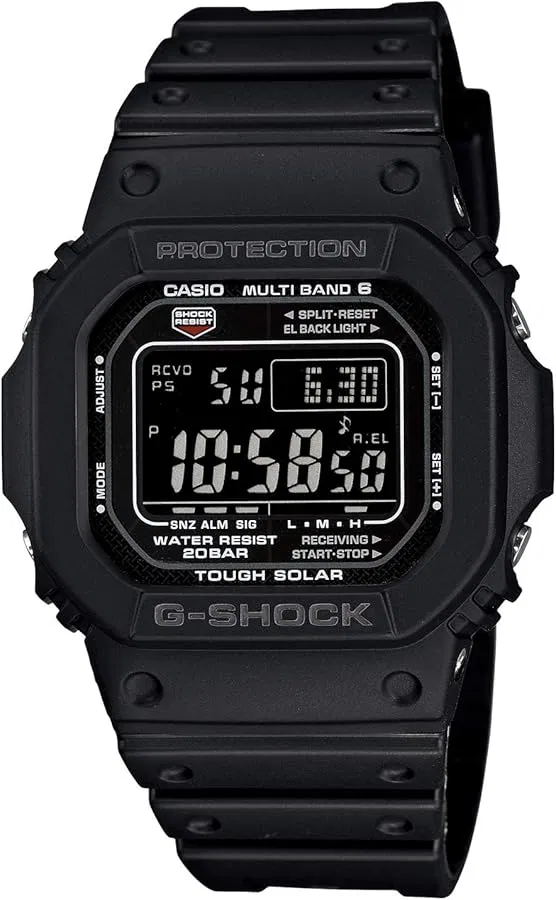
G-Shock GWM5610-1 Solar Atomic
🔥 Deal of the Day

G-Shock GWM5610-1 Solar Atomic

Casio

★★★★★ 4.8 (5,621 reviews)

$129

Offer expires in


🔥 Grab This Deal →

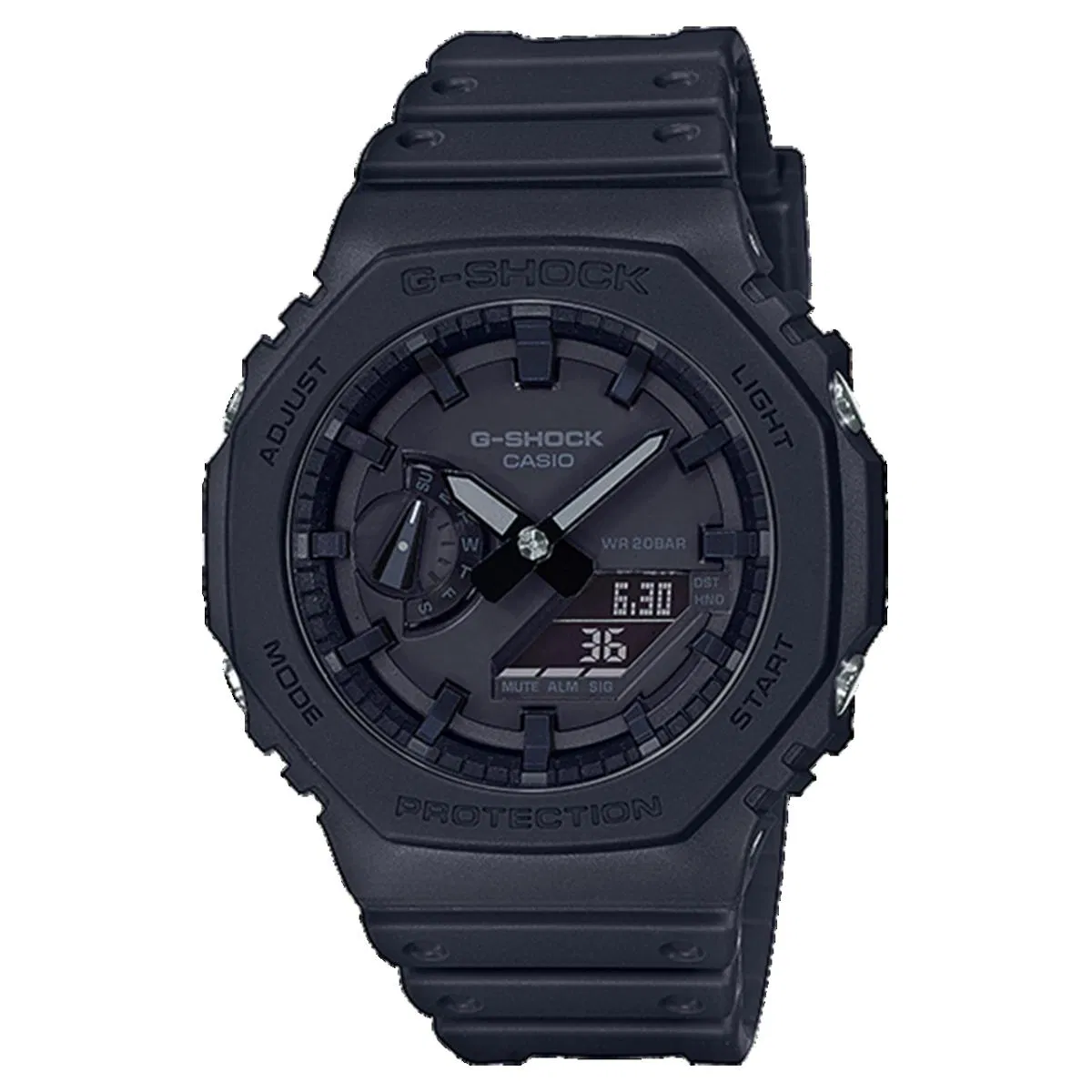
G-Shock GA2100-1A1 CasiOak


G-Shock GA2100-1A1 CasiOak

Casio

★★★★★ 4.8 (2,156 reviews)

$99


Check Price on Amazon →

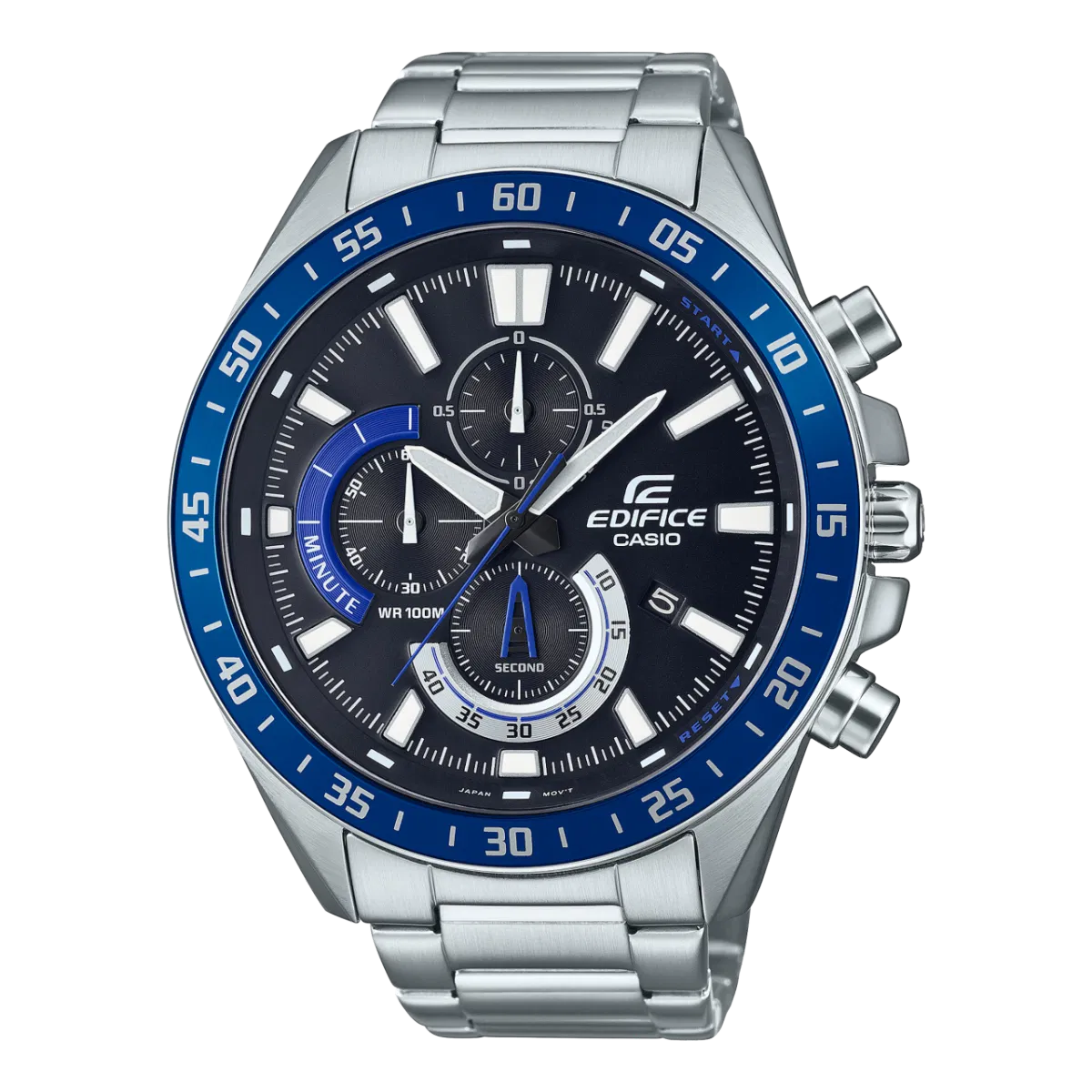
Casio Edifice Chronograph


Casio Edifice Chronograph

Casio

★★★★★ 4.7 (1,264 reviews)

$120


Check Price on Amazon →


Browse all 142+ expert-reviewed watches →

ETSY Shop
ETSY Shop
Redbubble Shop
Redbubble Shop
More Watch Facts
More Watch Facts

Watch Fact of the Day: The Seiko Astron — When Quartz Cost as Much as a Car!

Back in the day, Seiko dropped the Quartz Astron on December 9, 1969, and it cost as much as a decent Toyota car. Crazy, right? But still, every one of the 100 limited edition gold pieces sold out instantly, kickstarting the quartz revolution in watches. This piece of horology history changed the game forever. Just a heads up though, while we aim to get our watch facts straight, there’s a lot of myths and stories out there in the watch world. So, consider this info a jumping-off point, and feel free to share any cool corrections you’ve got!

Brand Spotlight: Sunday, August 9, 2026

📅 Sunday, August 9, 2026

Today we often associate quartz watches with affordable, everyday timekeeping. But when Seiko unveiled the Quartz Astron 35SQ on December 25, 1969, quartz represented the absolute cutting edge of watchmaking technology. The world’s first commercially marketed quartz wristwatch arrived in an 18-karat yellow-gold case with an astonishing price of ¥450,000—approximately the cost of a popular Japanese automobile at the time.


And buyers weren’t simply paying for gold. Inside was technology that seemed almost futuristic in 1969. The Astron’s quartz oscillator vibrated at 8,192 Hz, while its innovative electronic system drove an open-type stepping motor. The result was accuracy of approximately ±0.2 seconds per day and ±5 seconds per month—a dramatic improvement over the mechanical wristwatches of its era. Seiko describes the Astron as offering roughly 100 times the accuracy of a standard mechanical watch.

What began as extremely expensive technology rapidly transformed during the 1970s. Seiko moved toward mass production, quartz technology spread throughout the industry, and increasingly affordable electronic watches began challenging the dominance of traditional mechanical watchmaking. By 1982, quartz watches represented more than half of worldwide watch production.

That makes the original Astron wonderfully ironic from today’s perspective. Quartz didn’t begin as the cheap alternative to mechanical watches—it began as technological luxury. The Astron was a gold-cased demonstration of what the future of timekeeping could achieve, and that future eventually became inexpensive enough to put astonishing accuracy on almost anyone’s wrist.

💡 Did You Know?

Seiko later opened key quartz patents, helping its approach become an industry standard. The company even advertised its confidence in the technology with a remarkably prophetic idea: “Someday all watches will be made this way.”

Category: Brand Spotlight

Disclaimer: Every effort has been made to keep these watch facts accurate, but the world of horology is full of myths, disputed stories, and fascinating trivia. Consider these facts a starting point for discovery rather than the final word. If you have corrections or additional insights, let us know—we’re always happy to keep the record ticking in the right direction.

🕐 Discover more watch facts, reviews, and buying guides at WatchesAndMore


🛍️ You Might Also Like

As an Amazon Associate and affiliate partner, WatchesAndMore earns from qualifying purchases.
Seiko Presage Cocktail Time
🔥 Deal of the Day

Seiko Presage Cocktail Time

Seiko

★★★★☆ 4.4 (1,173 reviews)

$425

Offer expires in


🔥 Grab This Deal →

Seiko 5 SNK805 Green Military


Seiko 5 SNK805 Green Military

Seiko

★★★★★ 4.8 (6,961 reviews)

$89


Check Price on Amazon →

Seiko Presage Cocktail Time Blue Moon


Seiko Presage Cocktail Time Blue Moon

Seiko

★★★★★ 4.7 (946 reviews)

$395


Check Price on Amazon →


Browse all 142+ expert-reviewed watches →

ETSY Shop
ETSY Shop
Redbubble Shop
Redbubble Shop
More Watch Facts
More Watch Facts

Watch Fact of the Day: The Remontoire: A Tiny Spring That Resets Itself Every Few Seconds

In the whimsical world of watchmaking, meet the remontoire d’égalité, the little spring that could! Designed to wrestle with the dreaded torque loss from its lazy mainspring buddy, this clever contraption provides a steady power pulse, all while partaking in a little mechanical tango every few seconds. It’s like a watch’s version of drinking espresso at a dance party—hyping up the escapement! But beware, watch enthusiasts: while these facts are as fine-tuned as a Swiss watch, the horology realm is a wild ride filled with myths and trivia! So, buckle up and keep ticking on this horological journey!

Fun Quirk: Saturday, August 8, 2026

📅 Saturday, August 8, 2026

To combat the decreasing torque of an unwinding mainspring, master watchmakers developed the remontoire d’égalité. This ingenious auxiliary spring delivers a perfectly constant pulse of power to the escapement, and it automatically rewinds itself from the mainspring every few seconds in a mesmerizing mechanical dance.


Mechanical watches face a fundamental problem: a mainspring doesn’t deliver exactly the same amount of torque throughout its entire power reserve. As it gradually unwinds, the changing force reaching the escapement can affect the amplitude of the balance—and potentially the watch’s rate. The remontoire d’égalité, or constant-force remontoire, is one ingenious solution.

Instead of allowing the mainspring to power the escapement directly, a remontoire places a small secondary spring or other energy-storage device within the gear train. The mainspring periodically rewinds this intermediate mechanism, which then supplies the escapement with a more consistent amount of energy. Depending on the design, this recharge can occur every second, several seconds, or at another predetermined interval. Watching the mechanism recharge can create a fascinating mechanical rhythm—almost like a tiny watch inside the watch repeatedly winding itself.

The concept is much older than the modern wristwatch. Remontoire mechanisms appeared in precision clocks and regulators centuries ago, where maintaining consistent force was essential to achieving exceptional accuracy. Eventually, extraordinarily skilled watchmakers miniaturized the principle for portable watches and, later, wristwatches. Doing so requires sophisticated engineering because the mechanism must repeatedly store and release energy without disrupting the very precision it is intended to improve.

Today, the remontoire remains an uncommon and prestigious complication. Unlike complications that simply display additional information, its purpose is fundamentally about improving the quality of the watch’s timekeeping. It’s a beautiful example of high horology solving a mechanical problem with more mechanics: when the power supply isn’t perfectly constant, build a tiny mechanism that continually evens it out.

💡 Did You Know?

A remontoire isn’t the same thing as a fusee-and-chain constant-force system. Both address variations in mainspring torque, but they attack the problem differently: the fusee compensates for changing mainspring force through variable mechanical leverage, while a remontoire periodically receives energy from the going train and delivers it onward in controlled increments.

Category: Fun Quirk

Disclaimer: Every effort has been made to keep these watch facts accurate, but the world of horology is full of myths, disputed stories, and fascinating trivia. Consider these facts a starting point for discovery rather than the final word. If you have corrections or additional insights, let us know—we’re always happy to keep the record ticking in the right direction.

🕐 Discover more watch facts, reviews, and buying guides at WatchesAndMore


🛍️ You Might Also Like

As an Amazon Associate and affiliate partner, WatchesAndMore earns from qualifying purchases.
G-Shock GWM5610-1 Solar Atomic
🔥 Deal of the Day

G-Shock GWM5610-1 Solar Atomic

Casio

★★★★★ 4.8 (5,621 reviews)

$129

Offer expires in


🔥 Grab This Deal →

G-Shock GA2100-1A1 CasiOak


G-Shock GA2100-1A1 CasiOak

Casio

★★★★★ 4.8 (2,156 reviews)

$99


Check Price on Amazon →

Casio Edifice Chronograph


Casio Edifice Chronograph

Casio

★★★★★ 4.7 (1,264 reviews)

$120


Check Price on Amazon →


Browse all 142+ expert-reviewed watches →

ETSY Shop
ETSY Shop
Redbubble Shop
Redbubble Shop
More Watch Facts
More Watch Facts

Watch Fact of the Day: The First Waterproof Watch Was Actually a Pocket Watch!

Once upon a time in the 1890s, a genius named François Borgel created the first waterproof pocket watch. Yes, before Rolex made it fashionable in 1926, Borgel was sealing time like a pro with his nifty screw-down case. It’s like he was the watchmaker’s version of a mad scientist, laying the groundwork for timepieces enduring monstrous water battles. So, while Rolex gets the glory, it’s Borgel who deserves the VIP pass to the horology hall of fame. Picture a gold pocket watch chilling half-submerged in water, like: “Before the Oyster, there was Borgel!” And there you have it, timekeeping’s legendary origin story—splash zone included!

Watch History: Friday, August 7, 2026

📅 Friday, August 7, 2026

While Rolex is often credited with popularizing the waterproof wristwatch with its Oyster case in 1926, the very first truly waterproof timepiece was a pocket watch created by François Borgel in 1890. His patented screw-down case design, featuring a threaded bezel, case back, and crown, was revolutionary and predated Rolex’s innovation by decades. This early design laid crucial groundwork for the development of robust watches capable of withstanding the elements, long before wristwatches became commonplace.


Borgel continued refining the idea, eventually patenting a three-piece screw case in 1903 whose construction—with threaded components securing the case—anticipated principles that would later become important in waterproof wristwatch design. Borgel cases were subsequently used with movements from respected Swiss manufacturers, making his work an important chapter in the evolution from delicate pocket watches to rugged wristwatches capable of surviving demanding environments.

Then, in 1926, Rolex’s Oyster would take the concept of a sealed wristwatch to another level and, crucially, turn water resistance into something the public could understand and trust. But the road to the Oyster didn’t begin overnight: watchmakers and specialist case makers had been attacking the problem for decades.

💡 Did You Know?

Borgel’s contribution wasn’t primarily the watch movement—it was the case. That actually gives us a killer visual direction for the W&M infographic: an exploded Borgel pocket-watch case, showing how the components screwed together, followed by an evolutionary timeline leading toward the waterproof wristwatch.

Category: Watch History

Disclaimer: Every effort has been made to keep these watch facts accurate, but the world of horology is full of myths, disputed stories, and fascinating trivia. Consider these facts a starting point for discovery rather than the final word. If you have corrections or additional insights, let us know—we’re always happy to keep the record ticking in the right direction.

🕐 Discover more watch facts, reviews, and buying guides at WatchesAndMore


🛍️ You Might Also Like

As an Amazon Associate and affiliate partner, WatchesAndMore earns from qualifying purchases.

Timex Weekender Chronograph
🔥 Deal of the Day

Timex Weekender Chronograph

Timex

★★★★★ 4.5 (3,041 reviews)

$79

Offer expires in


🔥 Grab This Deal →

Bulova Precisionist


Bulova Precisionist

Bulova

★★★★★ 4.6 (1,100 reviews)

$219


Check Price on Amazon →

Timex Marlin Automatic 40mm


Timex Marlin Automatic 40mm

Timex

★★★★★ 4.7 (1,106 reviews)

$259


Check Price on Amazon →


Browse all 142+ expert-reviewed watches →

ETSY Shop
ETSY Shop
Redbubble Shop
Redbubble Shop
More Watch Facts
More Watch Facts

Watch Fact of the Day: The First Self-Winding Watch Was Invented Over Two Centuries Ago!

So, check it out! The self-winding watch isn’t just a modern thing; it actually dates back to the 18th century. This Swiss watchmaker named Abraham-Louis Perrelet invented the first self-winding mechanism around 1770 for pocket watches. His cool design had this oscillating weight that wound the mainspring just by moving. So no more manual winding! While the blog has some neat watch facts, keep in mind that horology is full of legends and debates. It’s meant to spark your curiosity, not be the final answer. Plus, there are some sweet deals on watches if you’re interested!

Watch History: Thursday, August 6, 2026

📅 Thursday, August 6, 2026

While often associated with modern luxury, the concept of a self-winding watch dates back to the 18th century. Abraham-Louis Perrelet, a Swiss watchmaker, is credited with inventing the first self-winding mechanism for pocket watches around 1770, long before wristwatches became common. His innovative design utilized an oscillating weight that moved with the wearer’s body, winding the mainspring and eliminating the need for manual winding.


Perrelet’s design featured an oscillating weight that moved as the wearer walked, transferring energy through a sophisticated system of gears to keep the mainspring wound. Although primitive by today’s standards, it represented a revolutionary leap in horological engineering. At a time when every mechanical watch required regular winding by hand, the idea of a watch that could “power itself” seemed almost magical.

Despite its brilliance, Perrelet’s invention did not immediately transform the watch industry. Pocket watches typically remained stationary in a waistcoat pocket for much of the day, limiting the movement available to drive the winding mechanism. As a result, early self-winding designs saw only limited adoption. The concept would later be refined by celebrated watchmakers such as Abraham-Louis Breguet, who improved the mechanism and introduced his own automatic “Perpétuelle” watches in the late 18th century.

The true breakthrough finally arrived in the 20th century with the rise of the wristwatch. Because a watch worn on the wrist is constantly in motion, automatic winding became far more practical and efficient. Innovations such as the full-rotor automatic system, pioneered by John Harwood in the 1920s and later perfected by manufacturers like Rolex, transformed Perrelet’s original concept into the automatic movements we know today.

Today, nearly every luxury mechanical watch brand offers automatic models, yet every oscillating rotor owes its existence to an idea conceived more than 250 years ago. Each gentle swing of a modern rotor is a tribute to Abraham-Louis Perrelet’s remarkable vision and one of the most influential inventions in the history of watchmaking.


💡 Did You Know?

Modern automatic watch rotors can rotate 360 degrees in both directions, harvesting energy from even the smallest wrist movements. Some of today’s most advanced winding systems are so efficient that just a few hours of normal daily wear can keep a watch running for several days without ever touching the crown.

Category: Watch History

Disclaimer: Every effort has been made to keep these watch facts accurate, but the world of horology is full of myths, disputed stories, and fascinating trivia. Consider these facts a starting point for discovery rather than the final word. If you have corrections or additional insights, let us know—we’re always happy to keep the record ticking in the right direction.

🕐 Discover more watch facts, reviews, and buying guides at WatchesAndMore


🛍️ You Might Also Like

As an Amazon Associate and affiliate partner, WatchesAndMore earns from qualifying purchases.

Timex Weekender Chronograph
🔥 Deal of the Day

Timex Weekender Chronograph

Timex

★★★★★ 4.5 (3,041 reviews)

$79

Offer expires in


🔥 Grab This Deal →

Bulova Precisionist


Bulova Precisionist

Bulova

★★★★★ 4.6 (1,100 reviews)

$219


Check Price on Amazon →

Timex Marlin Automatic 40mm


Timex Marlin Automatic 40mm

Timex

★★★★★ 4.7 (1,106 reviews)

$259


Check Price on Amazon →


Browse all 142+ expert-reviewed watches →

ETSY Shop
ETSY Shop
Redbubble Shop
Redbubble Shop
More Watch Facts
More Watch Facts

Watch Fact of the Day: The First Watch to Achieve Chronometer Certification Was Not Swiss!

In an unexpected twist of history, the first chronometer certificate didn’t come from Switzerland’s snowy peaks but from England, thanks to John Arnold’s pocket watch in 1779. Arnold’s No. 36 marine chronometer was a navigational superhero, ensuring sailors didn’t end up in the wrong country. While Swiss watchmakers eventually took the crown with their fancy competitions and the absolute tick-tock of precision, it was Arnold who set the timekeeping trend. So, the next time you flaunt your chronometer-certified wristwatch, just remember—its true lineage comes from dodging shipwrecks rather than the Alps. Who knew time could be so dramatic?

Watch History: Wednesday, August 5, 2026

📅 Wednesday, August 5, 2026

While Switzerland is synonymous with chronometer certification today, the first watch to officially receive a chronometer certificate was actually an English pocket chronometer made by John Arnold in 1779. His famous No. 36 marine chronometer was tested by the Board of Longitude and demonstrated exceptional accuracy, helping solve one of navigation’s greatest challenges. Long before Swiss observatories began certifying wristwatches, Arnold’s pioneering work laid the foundation for the precise timekeeping standards we now associate with the word “chronometer.”


During the 18th century, accurately determining a ship’s longitude at sea was one of the greatest scientific problems of the age. Even small timing errors could result in ships missing their destinations by many miles, often with disastrous consequences. John Arnold, alongside fellow English horologist Thomas Earnshaw, developed increasingly accurate marine chronometers capable of maintaining remarkable precision despite the constant motion, temperature changes, and humidity encountered aboard sailing vessels. Their innovations transformed ocean navigation and greatly improved the safety of global trade and exploration.

It wasn’t until the late 19th and early 20th centuries that Switzerland began establishing formal observatory trials in cities such as Geneva, Neuchâtel, and Kew-Teddington to evaluate the precision of mechanical watches. These competitions pushed manufacturers like Omega, Longines, Zenith, Patek Philippe, and Rolex to pursue ever-greater levels of accuracy. The modern COSC (Contrôle Officiel Suisse des Chronomètres) certification, introduced in 1973, continues this tradition by subjecting watch movements to rigorous multi-day testing in different positions and temperatures before they earn the prestigious title of Chronometer.

Today, the word chronometer has become a hallmark of exceptional precision, but its roots lie not in the mountains of Switzerland, but in Britain’s quest to master the seas. Every chronometer-certified wristwatch worn today carries a legacy that began over 240 years ago with pioneering English watchmakers striving to solve one of humanity’s greatest navigational challenges.


💡 Did You Know?

John Arnold was one of the first watchmakers to collaborate with Abraham-Louis Breguet, exchanging ideas that helped shape the future of precision watchmaking. Their friendship and shared innovations influenced many of the chronometer and escapement designs that would define horology for generations to come.

Category: Watch History

Disclaimer: Every effort has been made to keep these watch facts accurate, but the world of horology is full of myths, disputed stories, and fascinating trivia. Consider these facts a starting point for discovery rather than the final word. If you have corrections or additional insights, let us know—we’re always happy to keep the record ticking in the right direction.

🕐 Discover more watch facts, reviews, and buying guides at WatchesAndMore


☕ Help Support WatchesAndMore

If you enjoyed this article and would like to help support WatchesAndMore, consider visiting my Etsy Shop or browsing my designs on Redbubble. Every purchase helps support the continued creation of watch reviews, historical articles, buying guides, videos, and all the free content you enjoy here on the website and on YouTube.

Your support allows me to spend more time researching fascinating stories from the world of horology, testing new watches, and producing high-quality content for collectors and enthusiasts around the globe. Whether you’re looking for unique watch-themed merchandise or simply want to support the channel, every order is genuinely appreciated. Thank you for being part of the WatchesAndMore community—your support helps keep the passion for watches alive! ⌚🍻

ETSY Shop
ETSY Shop
Redbubble Shop
Redbubble Shop
More Watch Facts
More Watch Facts

🛍️ You Might Also Like

As an Amazon Associate and affiliate partner, WatchesAndMore earns from qualifying purchases.

Timex Weekender Chronograph
🔥 Deal of the Day

Timex Weekender Chronograph

Timex

★★★★★ 4.5 (3,041 reviews)

$79

Offer expires in


🔥 Grab This Deal →

Bulova Precisionist


Bulova Precisionist

Bulova

★★★★★ 4.6 (1,100 reviews)

$219


Check Price on Amazon →

Timex Marlin Automatic 40mm


Timex Marlin Automatic 40mm

Timex

★★★★★ 4.7 (1,106 reviews)

$259


Check Price on Amazon →


Browse all 142+ expert-reviewed watches →
Watch Fact of the Day: The ‘Dirty Dozen’ Watches: British Military’s Secret Timekeepers!

So, back in World War II, the British Ministry of Defence hired 12 Swiss watchmakers to create tough, accurate, and waterproof watches for soldiers, known as the “Dirty Dozen.” Each watch had a black dial, luminous hands, and a “W.W.W.” engraving, focusing on durability over looks. These watches were made by brands like Omega and Longines, and while some are easier to find, Grana stands out as super rare. Today, the Dirty Dozen is a hot item for collectors, proving that even war-ready designs can become classic staples in watch history. Plus, the nickname? Totally came from collectors later on!

Watch History: Tuesday, August 4, 2026

📅 Tuesday, August 4, 2026

During World War II, the British Ministry of Defence commissioned 12 Swiss watch manufacturers to produce robust, accurate, and water-resistant wristwatches for their soldiers. These watches, known collectively by collectors as the ‘Dirty Dozen,’ each featured similar specifications, including a black dial, Arabic numerals, luminous hands, a railway minute track, and a specific ‘W.W.W.’ (Wrist Watch Waterproof) engraving on the case back. While not a single brand, this group represents a unique chapter in military watch history and a testament to wartime collaboration and precision.


Rather than relying on a single manufacturer, the British government turned to twelve respected Swiss companies to meet the enormous wartime demand. The chosen brands were Buren, Cyma, Eterna, Grana, Jaeger-LeCoultre, Lemania, Longines, IWC, Omega, Record, Timor, and Vertex. Although each company produced its watches slightly differently, they all adhered to the same military specification, ensuring soldiers received reliable timepieces regardless of the manufacturer. These watches were built for harsh battlefield conditions, emphasizing legibility, durability, and dependable accuracy over decorative finishing.

Today, the Dirty Dozen has become one of the most collectible groups of military watches in the world. Many enthusiasts enjoy the challenge of assembling a complete set of all twelve—a difficult and often expensive pursuit. Among them, Grana is considered the rarest, with only a relatively small number produced, making surviving examples especially desirable. In contrast, brands such as Omega and Longines manufactured significantly larger quantities, making them more attainable for collectors beginning their Dirty Dozen journey.

More than eighty years after they were issued, these watches continue to embody the philosophy that great tool watches are designed to perform under the toughest conditions. Their clean military aesthetics have inspired countless modern field watches, proving that a design created for wartime practicality can become timeless. Whether worn on the battlefield in the 1940s or admired in a modern collection, the Dirty Dozen remains a powerful symbol of functional watchmaking at its very best.


💡 Did You Know?

The nickname “Dirty Dozen” was never used by the British military. It was coined decades later by collectors, inspired by the famous 1967 war film The Dirty Dozen. Today, it’s one of the most recognizable names in vintage military watch collecting, even though the original watches were officially designated simply as W.W.W. (Wrist Watch Waterproof) models.

Category: Watch History

🕐 Discover more watch facts, reviews, and buying guides at WatchesAndMore


🛍️ You Might Also Like

As an Amazon Associate and affiliate partner, WatchesAndMore earns from qualifying purchases.

Timex Weekender Chronograph
🔥 Deal of the Day

Timex Weekender Chronograph

Timex

★★★★★ 4.5 (3,041 reviews)

$79

Offer expires in


🔥 Grab This Deal →

Bulova Precisionist


Bulova Precisionist

Bulova

★★★★★ 4.6 (1,100 reviews)

$219


Check Price on Amazon →

Timex Marlin Automatic 40mm


Timex Marlin Automatic 40mm

Timex

★★★★★ 4.7 (1,106 reviews)

$259


Check Price on Amazon →


Browse all 142+ expert-reviewed watches →
☕ Help Support WatchesAndMore

If you enjoyed this article and would like to help support WatchesAndMore, consider visiting my Etsy Shop or browsing my designs on Redbubble. Every purchase helps support the continued creation of watch reviews, historical articles, buying guides, videos, and all the free content you enjoy here on the website and on YouTube.

Your support allows me to spend more time researching fascinating stories from the world of horology, testing new watches, and producing high-quality content for collectors and enthusiasts around the globe. Whether you’re looking for unique watch-themed merchandise or simply want to support the channel, every order is genuinely appreciated. Thank you for being part of the WatchesAndMore community—your support helps keep the passion for watches alive! ⌚🍻

ETSY Shop
ETSY Shop
Redbubble Shop
Redbubble Shop
More Watch Facts
More Watch Facts

Watch Fact of the Day: The ‘Himalaya’ Dial: A Tribute to Everest’s Unforgiving Heights!

Did you know some watches can age like fine wine, developing a unique ‘Himalaya’ dial finish? It’s as if the watch decided to take a vacation in the mountains, returning with a rustic patina that could make any collector weep with joy—who knew imperfections could be so fashionable? While modern dials try to mimic this natural wear, they can’t quite capture the story behind decades spent in the sun and humidity. In the world of vintage watches, a little weathering gives your timepiece character and value—because who doesn’t love a watch with a backstory that says it’s been through some serious adventures?

Fun Quirk: Monday, August 3, 2026

📅 Monday, August 3, 2026

Did you know that some watches feature a dial known as ‘Himalaya’? This term refers to a specific type of dial finish, often found on vintage chronographs, which develops a unique, mottled, or ‘tropical’ patina over time, resembling the rugged, uneven terrain of the Himalayan mountain range. It’s a highly sought-after aesthetic among collectors, transforming a watch’s appearance into a one-of-a-kind piece of art.


Unlike factory-applied dial finishes, a true Himalaya-style patina is largely the result of time, environmental exposure, and the natural aging of the dial’s lacquer and pigments. Decades of sunlight, humidity, temperature changes, and oxidation can cause the once-uniform surface to develop an intricate landscape of lighter and darker tones. No two examples age in exactly the same way, making each watch completely unique. What was once considered an imperfection has become one of the most desirable characteristics in vintage watch collecting.

Collectors often associate Himalaya dials with the broader world of tropical dials, but the appearance is distinctly different. While many tropical dials simply fade from black to rich shades of brown, a Himalaya dial develops a more textured, marbled appearance with irregular patterns that resemble snow-covered mountain ridges and rocky peaks. These naturally aged dials can dramatically increase the desirability of a vintage watch, particularly when the patina is evenly distributed and complements the overall condition of the timepiece.

Today, the beauty of these naturally aged dials has inspired several modern watchmakers to recreate the look intentionally using advanced finishing techniques. Although contemporary “Himalaya-inspired” dials capture the visual appeal, many enthusiasts believe nothing can truly replicate the character earned through decades of natural aging. It’s another reminder that, in horology, the passage of time doesn’t always diminish a watch—it can make it even more beautiful.


💡 Did You Know?

Some of the most valuable vintage watches owe part of their appeal to their unique dials. In many cases, collectors will pay a significant premium for a watch with an attractive, naturally developed patina because it’s impossible to duplicate authentically. In the world of vintage horology, time itself can become the master craftsman.

Category: Fun Quirk

🕐 Discover more watch facts, reviews, and buying guides at WatchesAndMore


🛍️ You Might Also Like

As an Amazon Associate and affiliate partner, WatchesAndMore earns from qualifying purchases.

G-Shock GWM5610-1 Solar Atomic
🔥 Deal of the Day

G-Shock GWM5610-1 Solar Atomic

Casio

★★★★★ 4.8 (5,621 reviews)

$129

Offer expires in


🔥 Grab This Deal →

G-Shock GA2100-1A1 CasiOak


G-Shock GA2100-1A1 CasiOak

Casio

★★★★★ 4.8 (2,156 reviews)

$99


Check Price on Amazon →

Casio Edifice Chronograph


Casio Edifice Chronograph

Casio

★★★★★ 4.7 (1,264 reviews)

$120


Check Price on Amazon →


Browse all 142+ expert-reviewed watches →
☕ Help Support WatchesAndMore

If you enjoyed this article and would like to help support WatchesAndMore, consider visiting my Etsy Shop or browsing my designs on Redbubble. Every purchase helps support the continued creation of watch reviews, historical articles, buying guides, videos, and all the free content you enjoy here on the website and on YouTube.

Your support allows me to spend more time researching fascinating stories from the world of horology, testing new watches, and producing high-quality content for collectors and enthusiasts around the globe. Whether you’re looking for unique watch-themed merchandise or simply want to support the channel, every order is genuinely appreciated. Thank you for being part of the WatchesAndMore community—your support helps keep the passion for watches alive! ⌚🍻

ETSY Shop
ETSY Shop
Redbubble Shop
Redbubble Shop
More Watch Facts
More Watch Facts

Watch Fact of the Day: The Complication That Pretends to Be a Tourbillon

So, the ‘Poor Man’s Tourbillon’ is basically a watch that shows off its balance wheel, giving it that fancy look without the high price tag of a real tourbillon. It can trick some folks into thinking it’s the real deal. True tourbillons are a whole other beast, made to tackle gravity’s effects on timekeeping, while these budget versions just flaunt the balance wheel for show. They’ve become popular among watch lovers because they keep things affordable and let you see the inner workings of mechanical watches. Plus, they’re a cool way to dive into the world of watchmaking without breaking the bank!

Fun Quirk: Sunday, August 2, 2026

📅 Sunday, August 2, 2026

The ‘Poor Man’s Tourbillon’ is a fascinating misnomer for watches featuring a visible balance wheel, often rotating on its own axis, but lacking the complex rotating cage of a true tourbillon. This design gives the aesthetic appeal of a high-end complication without the astronomical cost or the actual gravity-compensating mechanism. It’s a clever way to showcase the heart of the watch, often found in more affordable mechanical timepieces.


At first glance, these watches can easily fool the untrained eye. A true tourbillon, invented by Abraham-Louis Breguet in 1801, places the balance wheel, escapement, and escape wheel inside a rotating cage designed to average out the effects of gravity on the movement’s accuracy. In contrast, a so-called “Poor Man’s Tourbillon” typically exposes only the balance wheel through an open-heart dial or uses a decorative rotating balance assembly that lacks the intricate mechanics and purpose of a genuine tourbillon. The visual effect is impressive, but the engineering is fundamentally different.

The nickname gained popularity as more affordable mechanical watches entered the market, particularly from manufacturers producing skeletonized or open-heart designs. These watches allowed enthusiasts to enjoy the mesmerizing motion of the oscillating balance wheel without the enormous cost associated with manufacturing a true tourbillon. While a genuine Swiss tourbillon often commands prices ranging from several thousand to hundreds of thousands of dollars, an open-heart mechanical watch can deliver a similarly captivating visual experience for a fraction of the price.

Despite the playful nickname, there’s absolutely nothing wrong with appreciating a “Poor Man’s Tourbillon.” In fact, many collectors view open-heart watches as an excellent introduction to mechanical watchmaking because they reveal the beating heart of the movement in action. Whether it’s an affordable Seiko, Orient, Tissot, or a finely finished Swiss masterpiece, watching the balance wheel oscillate reminds us that every mechanical watch is a tiny machine powered entirely by springs, gears, and human ingenuity.


💡 Did You Know?

A genuine tourbillon typically rotates once every 60 seconds, but some modern manufacturers have developed tourbillons that complete a rotation in 30 seconds, four minutes, or even multiple axes simultaneously. While these variations are visually spectacular, they also demonstrate just how far modern watchmaking has pushed one of horology’s most iconic complications.

Category: Fun Quirk

Disclaimer: Every effort has been made to keep these watch facts accurate, but the world of horology is full of myths, disputed stories, and fascinating trivia. Consider these facts a starting point for discovery rather than the final word. If you have corrections or additional insights, let us know—we’re always happy to keep the record ticking in the right direction.

🕐 Discover more watch facts, reviews, and buying guides at WatchesAndMore


🛍️ You Might Also Like

As an Amazon Associate and affiliate partner, WatchesAndMore earns from qualifying purchases.

G-Shock GWM5610-1 Solar Atomic
🔥 Deal of the Day

G-Shock GWM5610-1 Solar Atomic

Casio

★★★★★ 4.8 (5,621 reviews)

$129

Offer expires in


🔥 Grab This Deal →

G-Shock GA2100-1A1 CasiOak


G-Shock GA2100-1A1 CasiOak

Casio

★★★★★ 4.8 (2,156 reviews)

$99


Check Price on Amazon →

Casio Edifice Chronograph


Casio Edifice Chronograph

Casio

★★★★★ 4.7 (1,264 reviews)

$120


Check Price on Amazon →


Browse all 142+ expert-reviewed watches →

☕ Help Support WatchesAndMore

If you enjoyed this article and would like to help support WatchesAndMore, consider visiting my Etsy Shop or browsing my designs on Redbubble. Every purchase helps support the continued creation of watch reviews, historical articles, buying guides, videos, and all the free content you enjoy here on the website and on YouTube.

Your support allows me to spend more time researching fascinating stories from the world of horology, testing new watches, and producing high-quality content for collectors and enthusiasts around the globe. Whether you’re looking for unique watch-themed merchandise or simply want to support the channel, every order is genuinely appreciated. Thank you for being part of the WatchesAndMore community—your support helps keep the passion for watches alive! ⌚🍻

ETSY Shop
ETSY Shop
Redbubble Shop
Redbubble Shop
More Watch Facts
More Watch Facts