
Watch Fact of the Day: The Mystery of Rolex’s First Deep-Sea Record

So, back in 1960, Jacques Piccard and Don Walsh took a wild dive in the Trieste bathyscaphe to the Mariana Trench, bringing along an experimental Rolex Deep Sea Special strapped to the outside. This watch handled insane pressures over 10,000 meters deep, proving Rolex’s mechanical genius. When they surfaced after 8.5 hours, the watch was still ticking accurately—like a champ! Fast forward to 2012, filmmaker James Cameron took his own dive, bringing along the vintage watch as a lucky charm. Rolex later launched a production version, tying it all back to those epic deep-sea adventures. Talk about a legacy!

📅 Monday, August 24, 2026

Long before the Deepsea Challenge went to the Mariana Trench, Rolex attached an experimental ‘Deep Sea Special’ watch to the outside of the Trieste bathyscaphe in 1960. The massive bubble-domed timepiece withstood a crushing pressure of over seven miles down in the Challenger Deep and continued ticking normally. When the hatch opened, the watch proved that mechanical engineering could conquer the most extreme depths on Earth.


On January 23, 1960, Swiss oceanographer Jacques Piccard and U.S. Navy Lieutenant Don Walsh climbed aboard the experimental bathyscaphe Trieste and began descending into the Mariana Trench. Their destination was Challenger Deep, the deepest known region of Earth’s oceans. Strapped not safely inside the pressure sphere, but deliberately to the outside of the vessel, was an experimental Rolex unlike anything intended for an ordinary wrist: the Deep Sea Special.

The watch was the culmination of years of experimentation. During the 1950s, Rolex had developed successive Deep Sea Special prototypes specifically to explore the limits of waterproof watch construction. For the extraordinary pressure anticipated at Challenger Deep, the watch used a remarkably thick, highly domed crystal, giving the prototype its unmistakable almost bubble-like appearance. Rolex says the third Deep Sea Special was created specifically to withstand the extreme conditions of the Mariana Trench.

Then the Trieste kept going down.

1,000 metres.
5,000 metres.
8,000 metres.
10,000 metres.

Eventually Piccard and Walsh reached a record 10,916 metres — 35,814 feet, or roughly 6.8 miles — beneath the Pacific Ocean. That’s deeper than Mount Everest is tall, with roughly another two kilometres to spare. At that depth, Rolex says the Deep Sea Special endured pressure exceeding one tonne per square centimetre.

And remember where the watch was.

There was no protective pressure cabin around it. While Piccard and Walsh survived inside the Trieste’s heavily reinforced pressure sphere, the Deep Sea Special was exposed directly to the abyssal environment on the exterior of the bathyscaphe. Its case and crystal therefore had to resist the crushing pressure of Challenger Deep while maintaining the sealed environment necessary for the mechanical movement inside.

After approximately eight and a half hours beneath the sea, the Trieste returned to the surface. The experimental watch was recovered—and Rolex reports that it had kept perfect time. The result was dramatic proof that a properly engineered mechanical wristwatch case could remain watertight under one of the most hostile pressure environments accessible on Earth.

Piccard then sent Rolex a telegram that became part of watchmaking folklore:

“Glad to report your watch as accurate at 11,000 metres as on land.”

That is Rolex’s documented wording of Piccard’s message following the dive.

The Story Didn’t End in 1960

For more than half a century, the Trieste achievement stood essentially alone. Then, on March 26, 2012, filmmaker and explorer James Cameron descended solo to Challenger Deep aboard the DEEPSEA CHALLENGER. Once again, an experimental Rolex was mounted outside the submersible—this time the enormous Rolex Deepsea Challenge, engineered for waterproofness to 12,000 metres. Rolex says it remained accurate at more than 10,000 metres and emerged unscathed.

And there’s a wonderful connection between the two expeditions: Cameron actually carried a 1960 Deep Sea Special inside his cockpit during the 2012 dive. He called the vintage watch the “Old Lady” and described it as his good-luck charm—a sister watch to the Deep Sea Special that had made the original journey aboard Trieste 52 years earlier.

That heritage eventually reached a production wristwatch. In 2022, Rolex introduced the titanium Deepsea Challenge, guaranteed waterproof to 11,000 metres (36,090 feet). Its caseback carries the dates 23-01-1960 and 26-03-2012, permanently connecting the production model to the Trieste and Cameron expeditions.

💡 Did You Know?

The famous Deep Sea Special wasn’t tucked into the Trieste’s cockpit as a souvenir—it was attached to the exterior specifically so that the ocean could attack it with essentially the same immense environmental pressure confronting the bathyscaphe itself. At Challenger Deep, Rolex records pressure of more than one tonne per square centimetre, yet when the watch returned to daylight, its mechanical movement was still keeping time

Category: Military Watches

Disclaimer: Every effort has been made to keep these watch facts accurate, but the world of horology is full of myths, disputed stories, and fascinating trivia. Consider these facts a starting point for discovery rather than the final word. If you have corrections or additional insights, let us know—we’re always happy to keep the record ticking in the right direction.

🕐 Discover more watch facts, reviews, and buying guides at WatchesAndMore


🛍️ You Might Also Like

As an Amazon Associate and affiliate partner, WatchesAndMore earns from qualifying purchases.
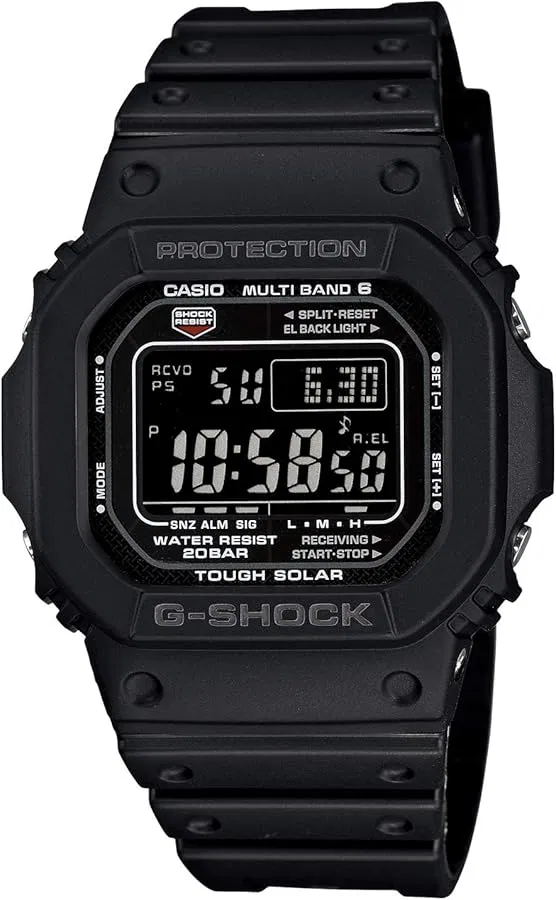
G-Shock GWM5610-1 Solar Atomic
🔥 Deal of the Day

G-Shock GWM5610-1 Solar Atomic

Casio

★★★★★ 4.8 (5,621 reviews)

$129

Offer expires in


🔥 Grab This Deal →

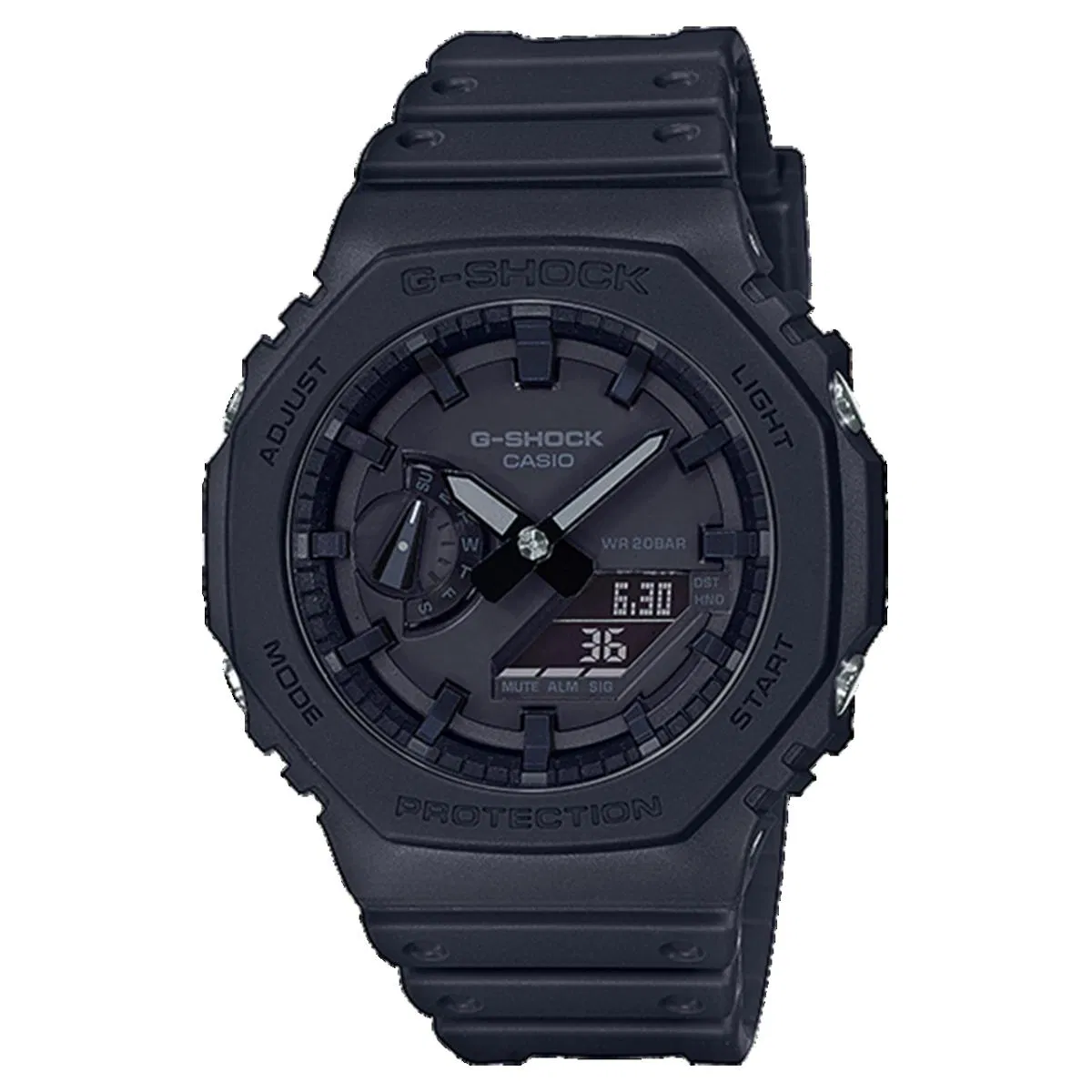
G-Shock GA2100-1A1 CasiOak


G-Shock GA2100-1A1 CasiOak

Casio

★★★★★ 4.8 (2,156 reviews)

$99


Check Price on Amazon →

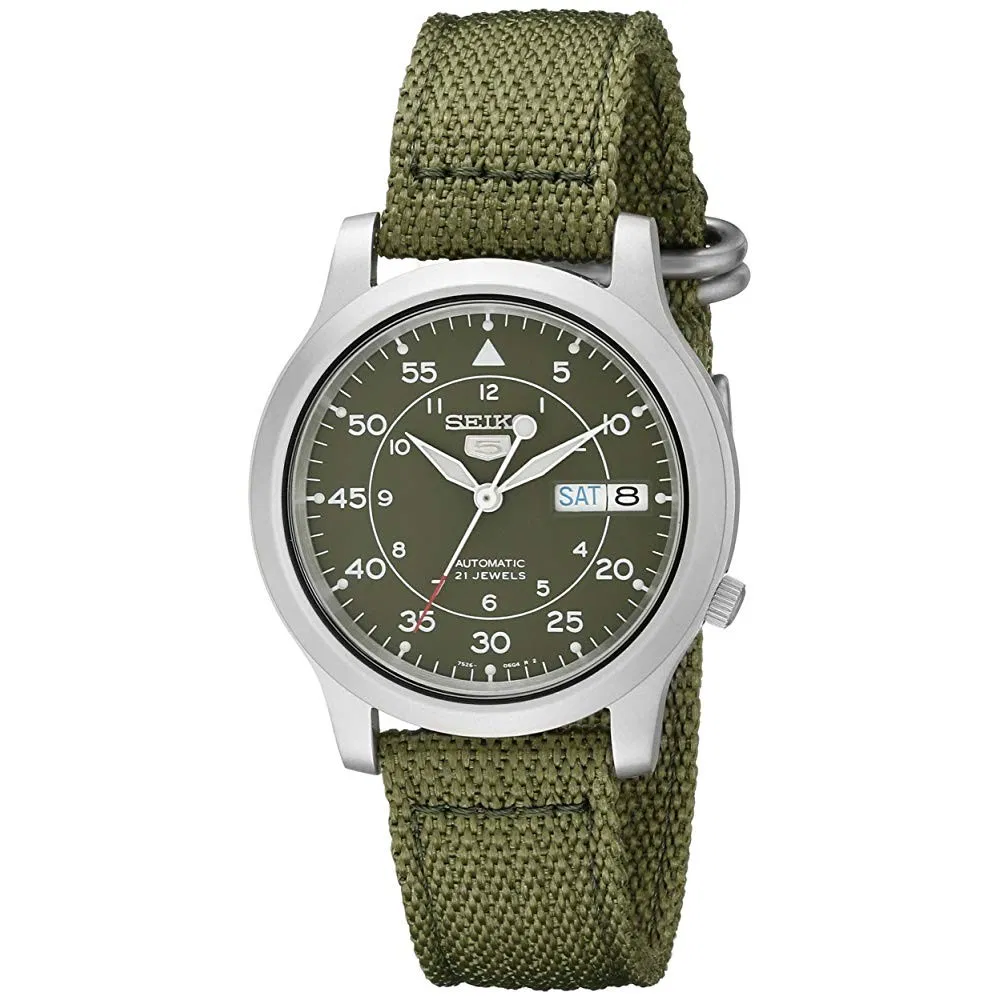
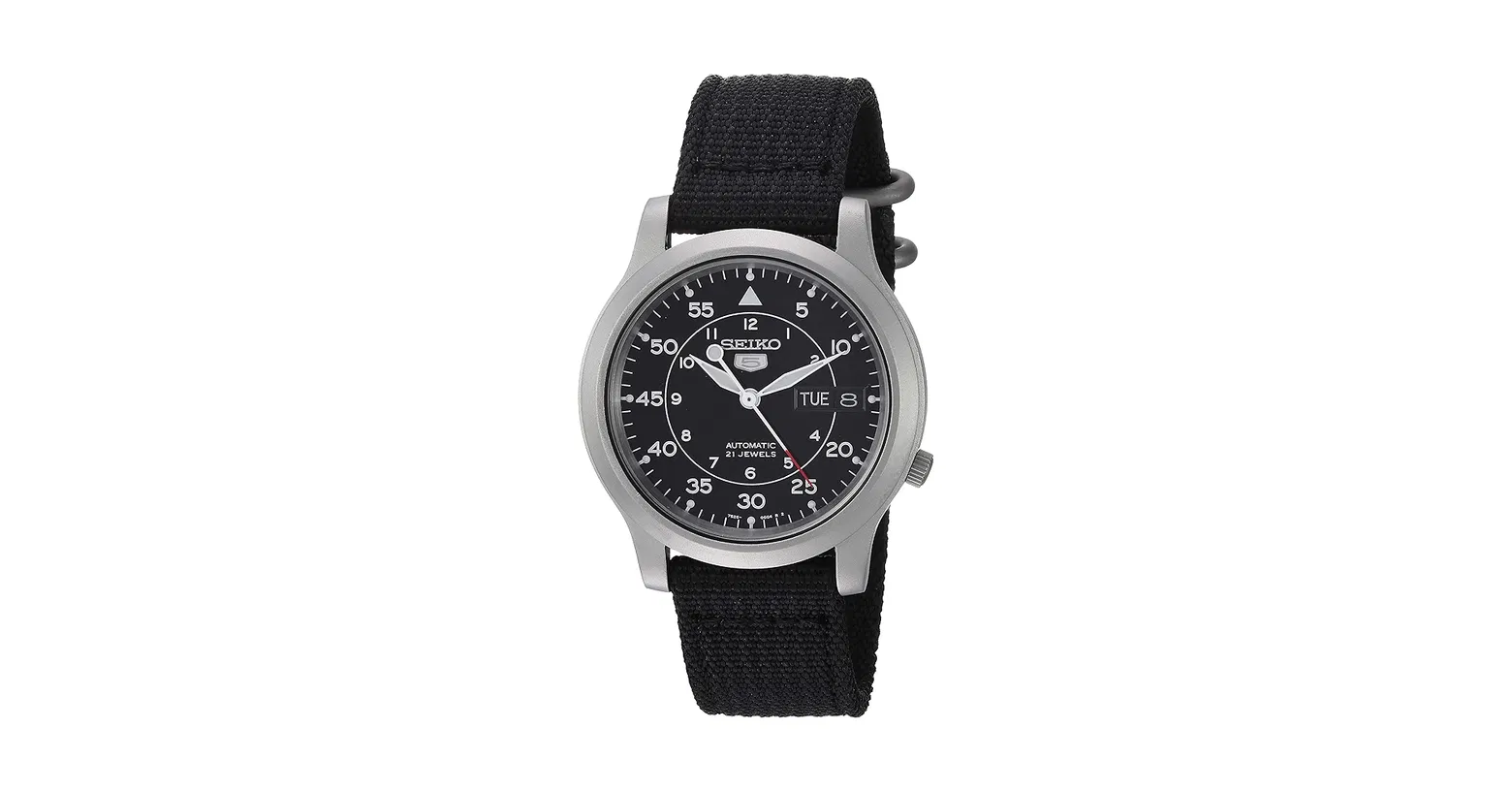
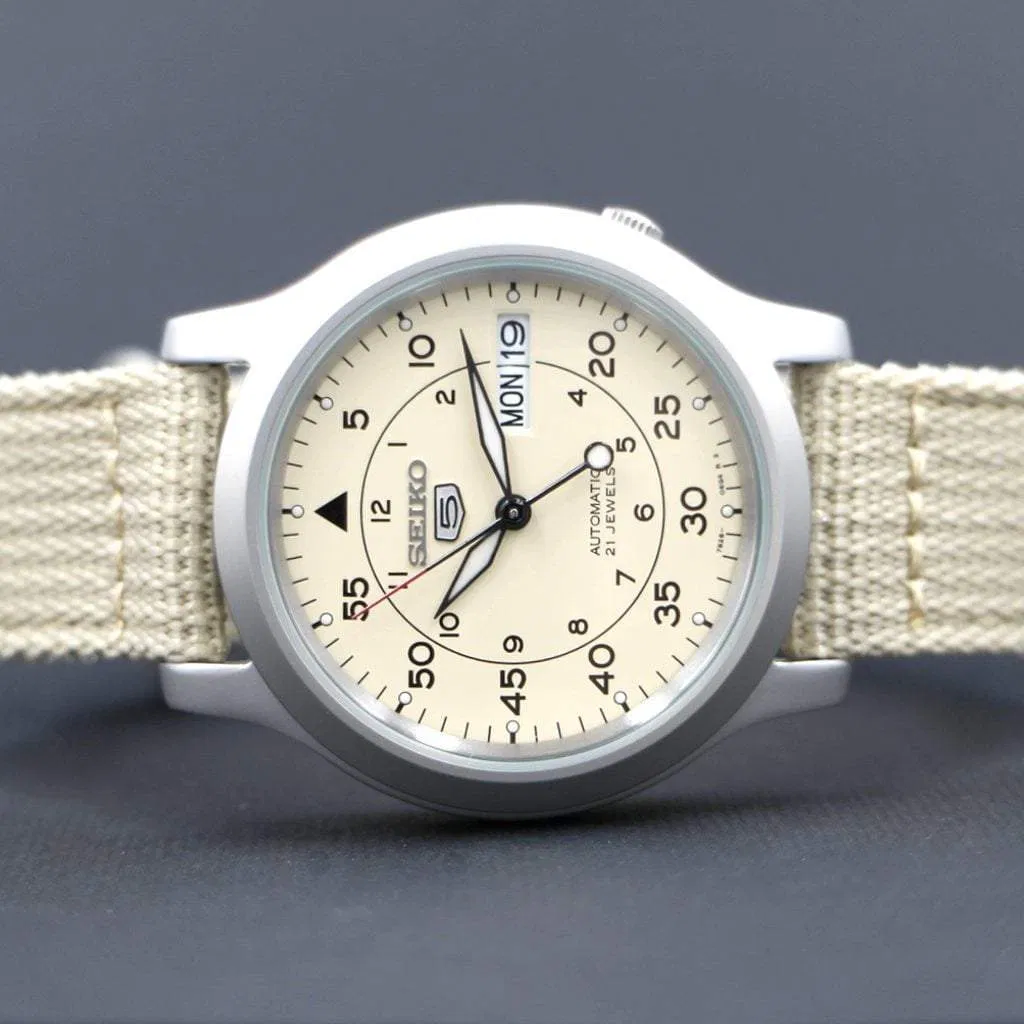
Seiko 5 SNK805 Green Military


Seiko 5 SNK805 Green Military

Seiko

★★★★★ 4.8 (6,961 reviews)

$89


Check Price on Amazon →


Browse all expert-reviewed watches →

ETSY Shop
ETSY Shop
Redbubble Shop
Redbubble Shop
More Watch Facts
More Watch Facts

Watch Fact of the Day: The 24-Hour Dial That Refused to Tell Time Normally

So, the Glycine Airman, launched in 1953, flipped the watch game by using a 24-hour display instead of the usual 12-hour format. This was a pilot’s dream, designed after feedback from a real aviator who wanted a watch that could track dual time zones and had features like automatic winding and a calendar. The watch became essential for military pilots during the Vietnam War, helping them easily differentiate between day and night hours. Even though it looks quirky to civilians, it was engineered perfectly for how pilots needed to view time. Plus, you might be surprised when you first see where noon is on the dial!

📅 Friday, August 21, 2026

In 1953, Glycine introduced a pilot’s watch that deliberately broke one of watchmaking’s most familiar rules. Instead of an hour hand circling the dial twice every day, the original Glycine Airman used a true 24-hour display, meaning its hour hand completed just one revolution every 24 hours. Midnight sat at the top of the dial, while noon appeared at the bottom—a layout that could initially look completely backwards to anyone accustomed to an ordinary watch, but made perfect sense to aviators working in 24-hour time.

Even better, the Airman was reportedly born from an actual pilot’s request. During a 1953 flight from Bangkok to Calcutta, Glycine representative Samuel Glur spoke with pilot Ched/Chat Brown, who described the watch international flight crews needed: automatic winding, a calendar, a 24-hour dial and an external rotating 24-hour bezel. Pilots increasingly operated using Greenwich Mean Time, so the proposed arrangement would allow them to keep one reference on the dial and use the bezel to read another time zone. Glycine took the idea back to Switzerland, developed the concept and launched the Airman that same year.

Its solution to dual-time tracking was beautifully simple. The Airman didn’t originally need a separate GMT hand: the same hour hand could be read against both the fixed 24-hour dial and the independently positioned 24-hour bezel. Rotate the bezel by the appropriate offset and the watch could simultaneously indicate another time zone without disturbing the actual timekeeping hands. A small crown around 4 o’clock locked the friction bezel into position, preventing an accidental knock from changing the pilot’s reference time.

That practicality helped turn the Airman into a genuine aviation tool. During the Vietnam War era, it became especially popular among American military aviators, including helicopter pilots, who valued its instant distinction between daytime and nighttime hours and ability to follow a second time zone. Surviving watches and veteran histories have helped cement that association, but the distinction is important: its military reputation wasn’t simply created by advertising—the Airman became famous because servicemen actually bought and wore the watches in the field.

There were other wonderfully clever details. Later vintage Airmen gained an extended “tail” on the hour hand that helped translate the unusual 24-hour display into familiar 12-hour time at a glance. The watch also developed a hacking mechanism for more precise synchronization—exactly the sort of practical feature that mattered to aviation and military users. What looked eccentric to civilians was actually a dial engineered around the way its intended users thought about time.

💡 Did You Know?

At 12 noon, the original Airman’s hour hand points straight down at 6 o’clock rather than straight up at 12. That’s not a mistake: because the hour hand takes an entire day to complete one revolution, the top of the dial represents midnight and the bottom represents midday. For someone wearing a normal 12-hour watch their entire life, reading an original Airman for the first time can genuinely make you question what time it is.

Category: Military Watches

Disclaimer: Every effort has been made to keep these watch facts accurate, but the world of horology is full of myths, disputed stories, and fascinating trivia. Consider these facts a starting point for discovery rather than the final word. If you have corrections or additional insights, let us know—we’re always happy to keep the record ticking in the right direction.

🕐 Discover more watch facts, reviews, and buying guides at WatchesAndMore


🛍️ You Might Also Like

As an Amazon Associate and affiliate partner, WatchesAndMore earns from qualifying purchases.

Glycine Airman Automatic GMT
🔥 Deal of the Day

Glycine Airman Automatic GMT

Glycine

★★★★★ 4.6 (97 reviews)

$674

Offer expires in


🔥 Grab This Deal →

Also at: Ashford

G-Shock GWM5610-1 Solar Atomic


G-Shock GWM5610-1 Solar Atomic

Casio

★★★★★ 4.8 (5,621 reviews)

$129


Check Price on Amazon →

G-Shock GA2100-1A1 CasiOak


G-Shock GA2100-1A1 CasiOak

Casio

★★★★★ 4.8 (2,156 reviews)

$99


Check Price on Amazon →


Browse all expert-reviewed watches →

ETSY Shop
ETSY Shop
Redbubble Shop
Redbubble Shop
More Watch Facts
More Watch Facts