Watch Fact of the Day: The First Self-Winding Watch Was Invented Over Two Centuries Ago!

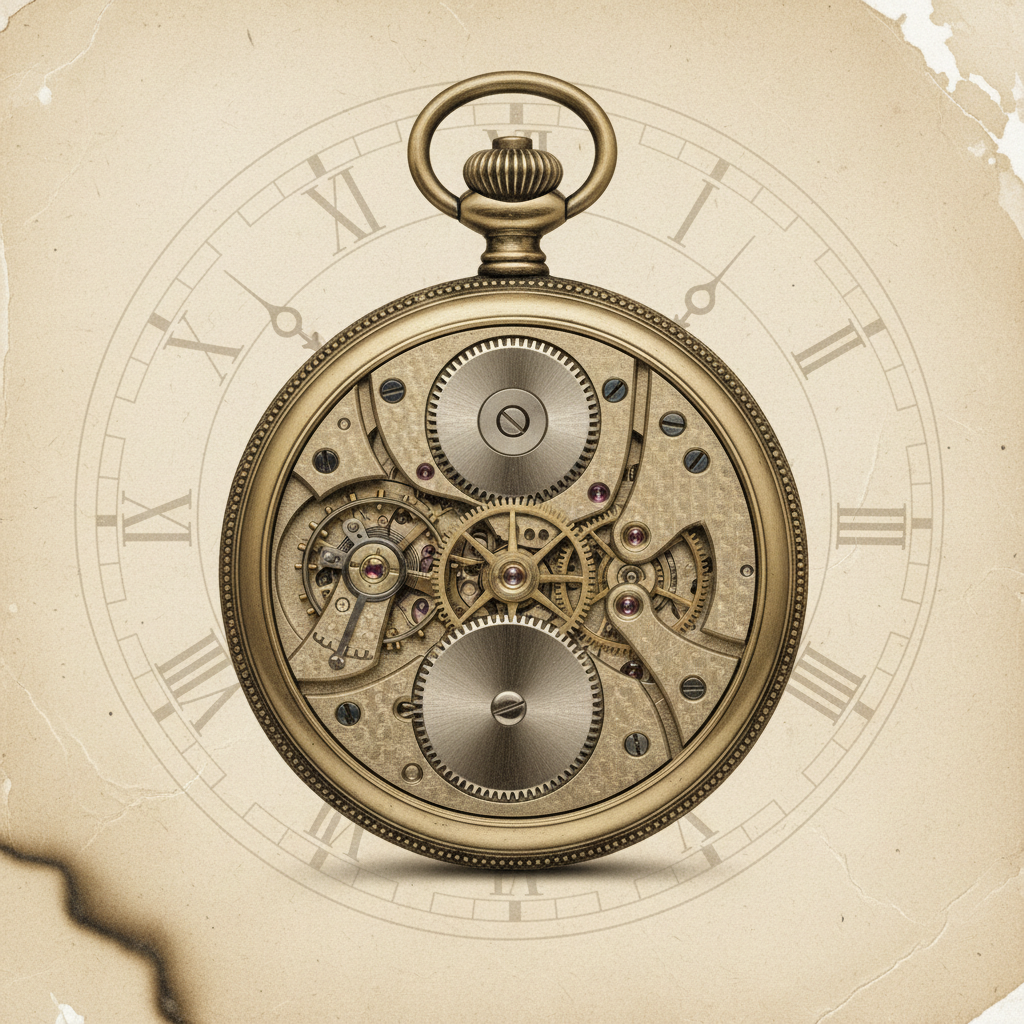
So, check it out! The self-winding watch isn’t just a modern thing; it actually dates back to the 18th century. This Swiss watchmaker named Abraham-Louis Perrelet invented the first self-winding mechanism around 1770 for pocket watches. His cool design had this oscillating weight that wound the mainspring just by moving. So no more manual winding! While the blog has some neat watch facts, keep in mind that horology is full of legends and debates. It’s meant to spark your curiosity, not be the final answer. Plus, there are some sweet deals on watches if you’re interested!

Watch History: Thursday, August 6, 2026

📅 Thursday, August 6, 2026

While often associated with modern luxury, the concept of a self-winding watch dates back to the 18th century. Abraham-Louis Perrelet, a Swiss watchmaker, is credited with inventing the first self-winding mechanism for pocket watches around 1770, long before wristwatches became common. His innovative design utilized an oscillating weight that moved with the wearer’s body, winding the mainspring and eliminating the need for manual winding.


Perrelet’s design featured an oscillating weight that moved as the wearer walked, transferring energy through a sophisticated system of gears to keep the mainspring wound. Although primitive by today’s standards, it represented a revolutionary leap in horological engineering. At a time when every mechanical watch required regular winding by hand, the idea of a watch that could “power itself” seemed almost magical.

Despite its brilliance, Perrelet’s invention did not immediately transform the watch industry. Pocket watches typically remained stationary in a waistcoat pocket for much of the day, limiting the movement available to drive the winding mechanism. As a result, early self-winding designs saw only limited adoption. The concept would later be refined by celebrated watchmakers such as Abraham-Louis Breguet, who improved the mechanism and introduced his own automatic “Perpétuelle” watches in the late 18th century.

The true breakthrough finally arrived in the 20th century with the rise of the wristwatch. Because a watch worn on the wrist is constantly in motion, automatic winding became far more practical and efficient. Innovations such as the full-rotor automatic system, pioneered by John Harwood in the 1920s and later perfected by manufacturers like Rolex, transformed Perrelet’s original concept into the automatic movements we know today.

Today, nearly every luxury mechanical watch brand offers automatic models, yet every oscillating rotor owes its existence to an idea conceived more than 250 years ago. Each gentle swing of a modern rotor is a tribute to Abraham-Louis Perrelet’s remarkable vision and one of the most influential inventions in the history of watchmaking.


💡 Did You Know?

Modern automatic watch rotors can rotate 360 degrees in both directions, harvesting energy from even the smallest wrist movements. Some of today’s most advanced winding systems are so efficient that just a few hours of normal daily wear can keep a watch running for several days without ever touching the crown.

Category: Watch History

Disclaimer: Every effort has been made to keep these watch facts accurate, but the world of horology is full of myths, disputed stories, and fascinating trivia. Consider these facts a starting point for discovery rather than the final word. If you have corrections or additional insights, let us know—we’re always happy to keep the record ticking in the right direction.

🕐 Discover more watch facts, reviews, and buying guides at WatchesAndMore


🛍️ You Might Also Like

As an Amazon Associate and affiliate partner, WatchesAndMore earns from qualifying purchases.

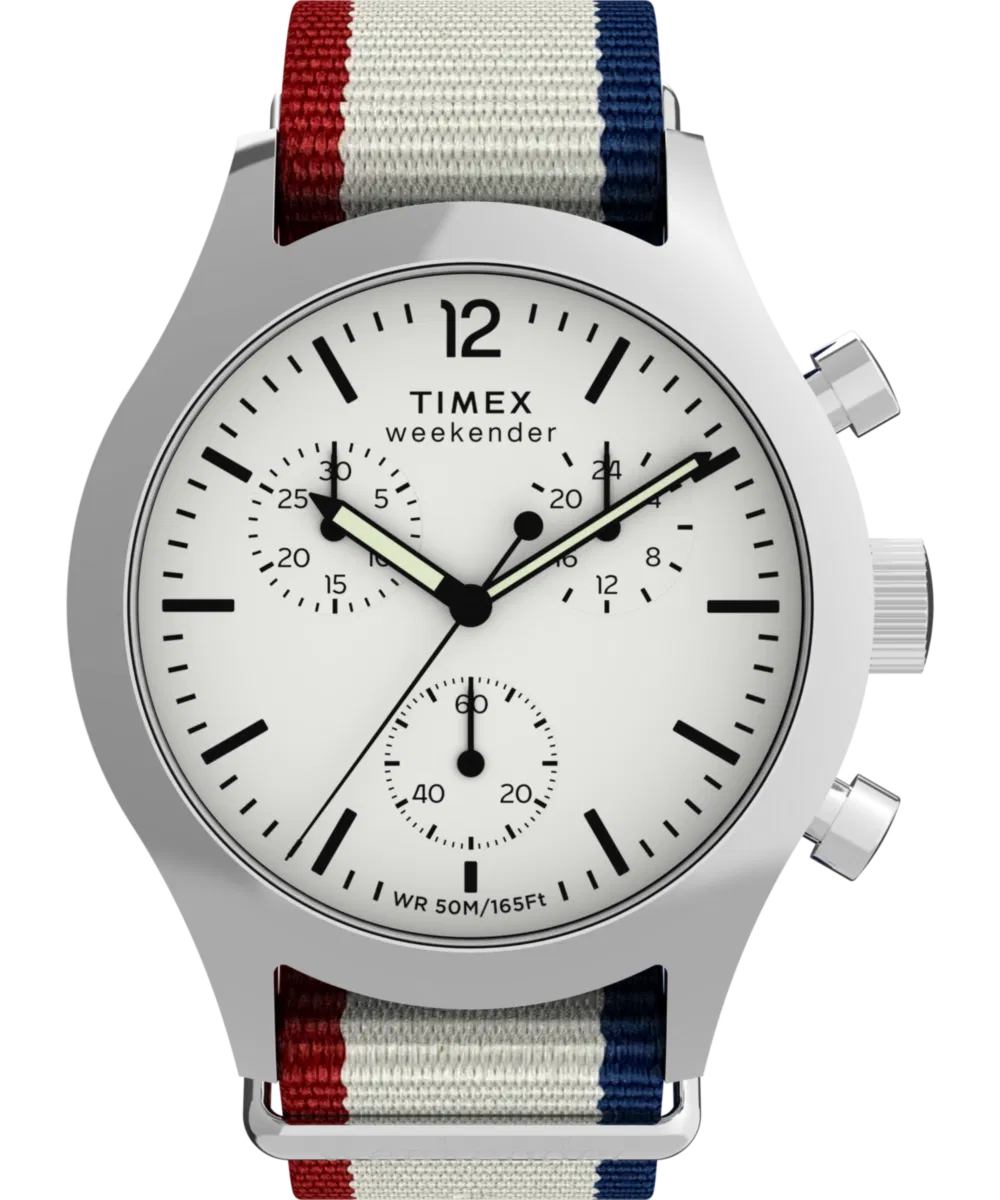
Timex Weekender Chronograph
🔥 Deal of the Day

Timex Weekender Chronograph

Timex

★★★★★ 4.5 (3,041 reviews)

$79

Offer expires in


🔥 Grab This Deal →

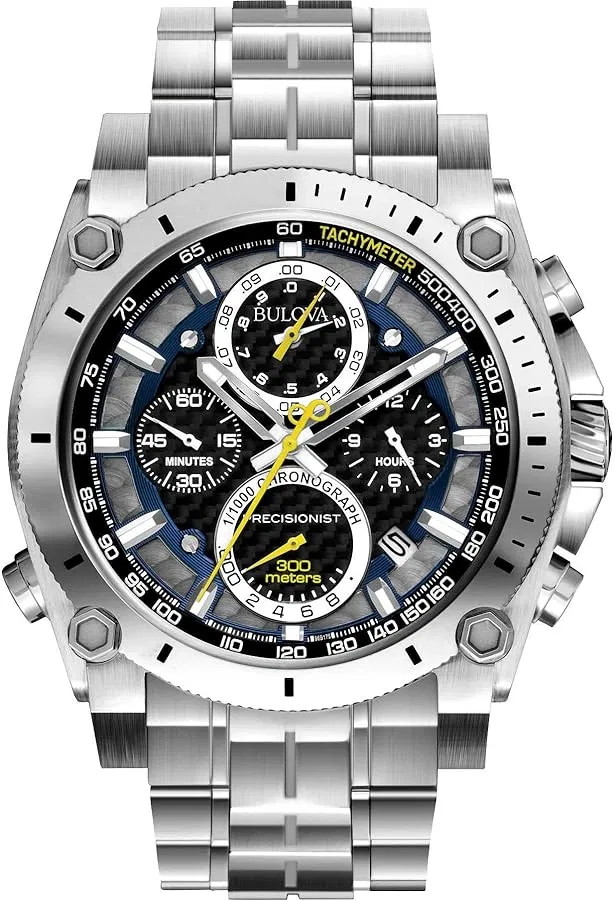
Bulova Precisionist


Bulova Precisionist

Bulova

★★★★★ 4.6 (1,100 reviews)

$219


Check Price on Amazon →

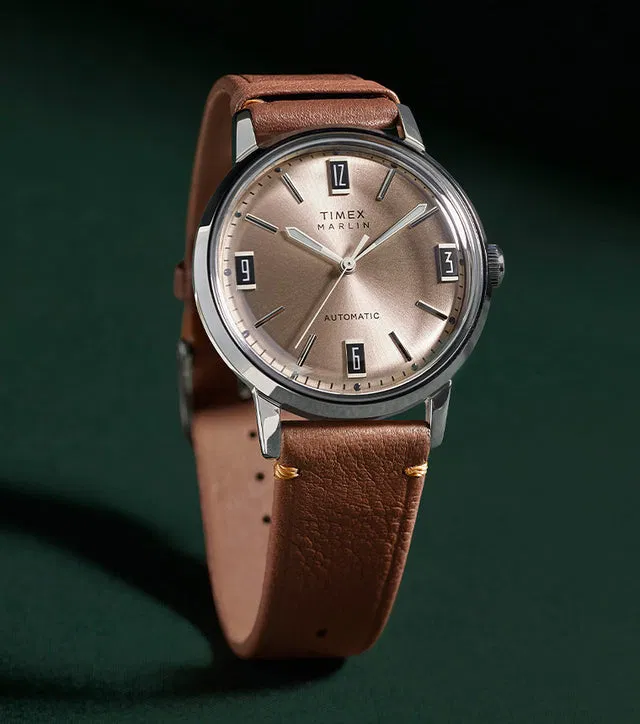
Timex Marlin Automatic 40mm


Timex Marlin Automatic 40mm

Timex

★★★★★ 4.7 (1,106 reviews)

$259


Check Price on Amazon →


Browse all 142+ expert-reviewed watches →

ETSY Shop
ETSY Shop
Redbubble Shop
Redbubble Shop
More Watch Facts
More Watch Facts

⭐ Why It Matters

The details are most useful when connected to the wearer’s needs and the design’s purpose. This story offers another way to look beyond the name on the dial.

📚 Sources & Further Reading

Further reading: Fondation de la Haute Horlogerie — watchmaking glossary

Join the Conversation

Which detail in this story interests you most, and would it influence what you wear or collect? Share your thoughts in the comments below.

Read Next

🛍️ Explore designs, gifts and more at the W&M companion shop.

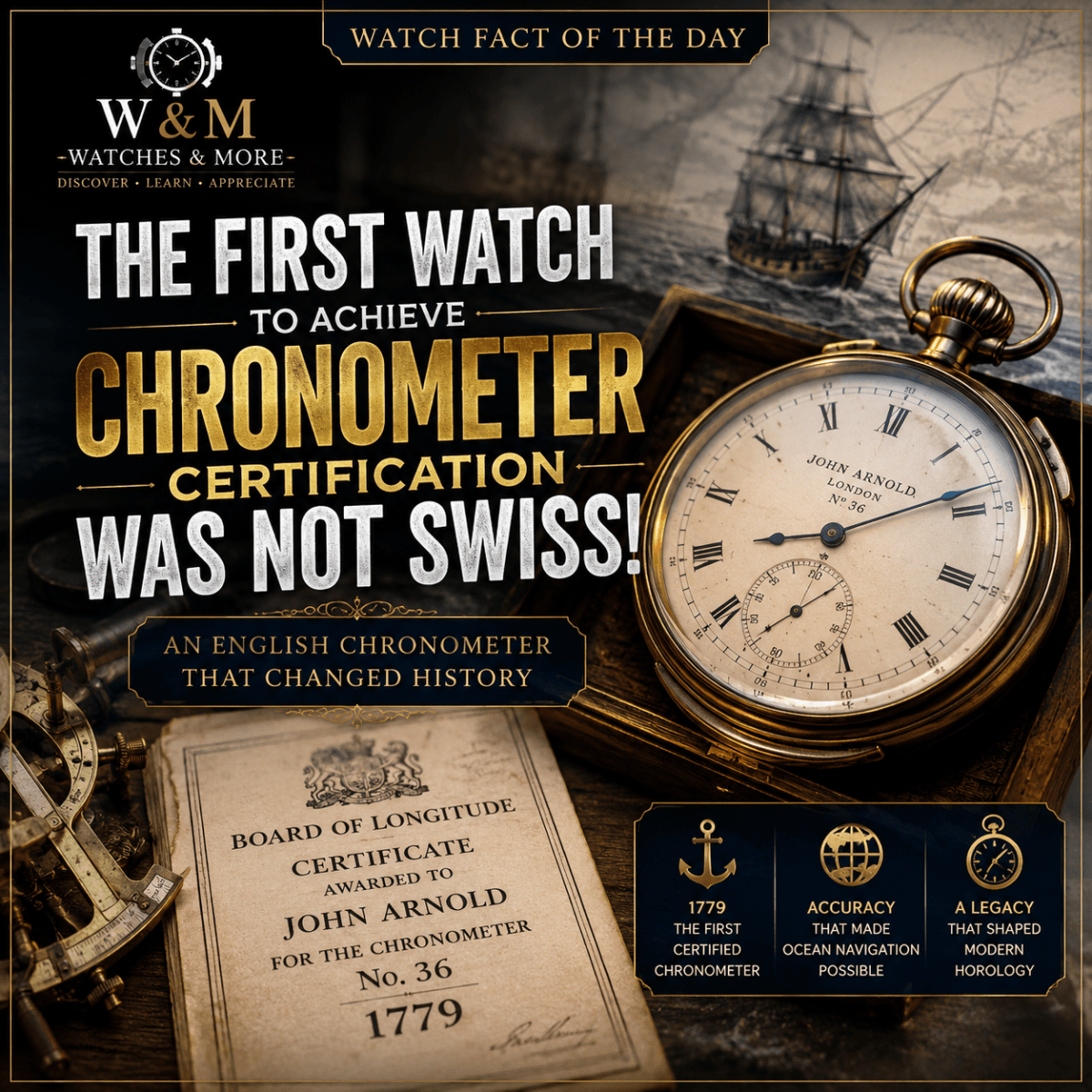
Watch Fact of the Day: The First Watch to Achieve Chronometer Certification Was Not Swiss!

In an unexpected twist of history, the first chronometer certificate didn’t come from Switzerland’s snowy peaks but from England, thanks to John Arnold’s pocket watch in 1779. Arnold’s No. 36 marine chronometer was a navigational superhero, ensuring sailors didn’t end up in the wrong country. While Swiss watchmakers eventually took the crown with their fancy competitions and the absolute tick-tock of precision, it was Arnold who set the timekeeping trend. So, the next time you flaunt your chronometer-certified wristwatch, just remember—its true lineage comes from dodging shipwrecks rather than the Alps. Who knew time could be so dramatic?

Watch History: Wednesday, August 5, 2026

📅 Wednesday, August 5, 2026

While Switzerland is synonymous with chronometer certification today, the first watch to officially receive a chronometer certificate was actually an English pocket chronometer made by John Arnold in 1779. His famous No. 36 marine chronometer was tested by the Board of Longitude and demonstrated exceptional accuracy, helping solve one of navigation’s greatest challenges. Long before Swiss observatories began certifying wristwatches, Arnold’s pioneering work laid the foundation for the precise timekeeping standards we now associate with the word “chronometer.”


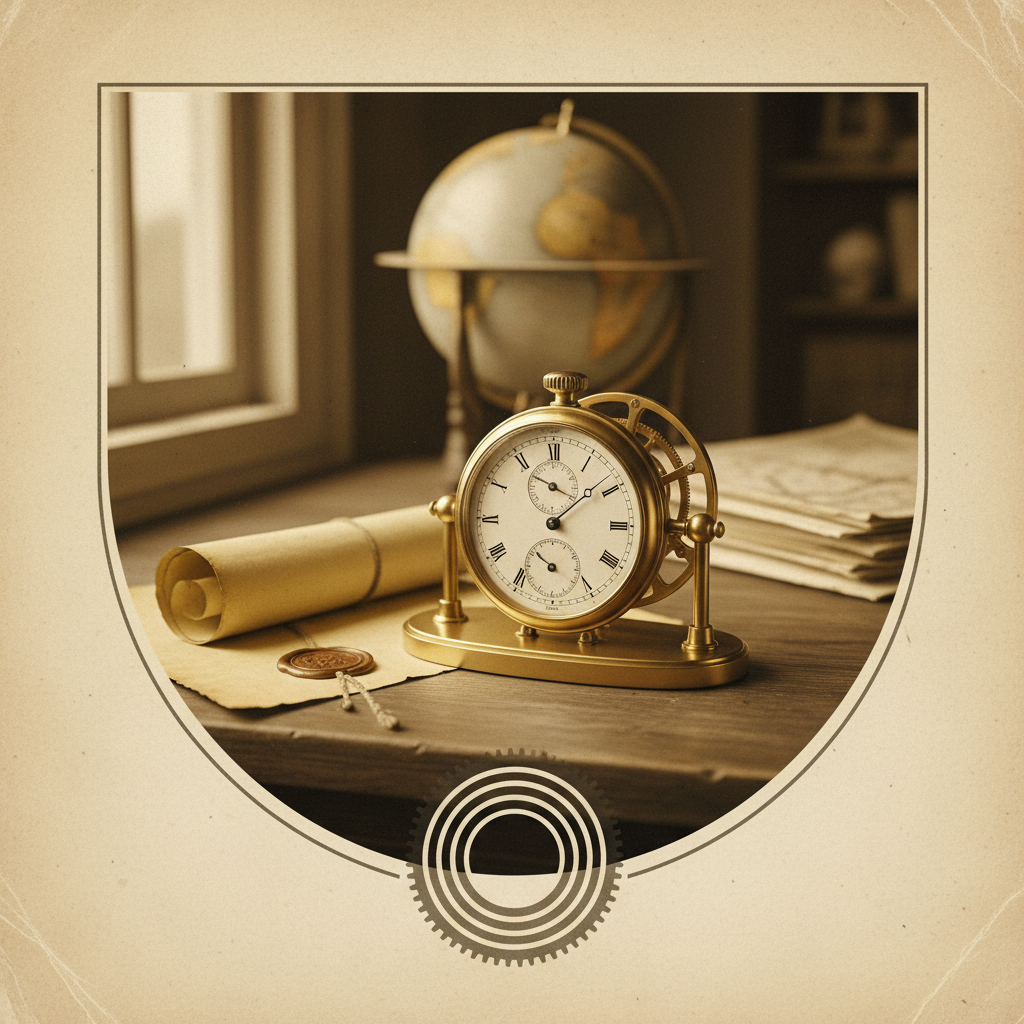
During the 18th century, accurately determining a ship’s longitude at sea was one of the greatest scientific problems of the age. Even small timing errors could result in ships missing their destinations by many miles, often with disastrous consequences. John Arnold, alongside fellow English horologist Thomas Earnshaw, developed increasingly accurate marine chronometers capable of maintaining remarkable precision despite the constant motion, temperature changes, and humidity encountered aboard sailing vessels. Their innovations transformed ocean navigation and greatly improved the safety of global trade and exploration.

It wasn’t until the late 19th and early 20th centuries that Switzerland began establishing formal observatory trials in cities such as Geneva, Neuchâtel, and Kew-Teddington to evaluate the precision of mechanical watches. These competitions pushed manufacturers like Omega, Longines, Zenith, Patek Philippe, and Rolex to pursue ever-greater levels of accuracy. The modern COSC (Contrôle Officiel Suisse des Chronomètres) certification, introduced in 1973, continues this tradition by subjecting watch movements to rigorous multi-day testing in different positions and temperatures before they earn the prestigious title of Chronometer.

Today, the word chronometer has become a hallmark of exceptional precision, but its roots lie not in the mountains of Switzerland, but in Britain’s quest to master the seas. Every chronometer-certified wristwatch worn today carries a legacy that began over 240 years ago with pioneering English watchmakers striving to solve one of humanity’s greatest navigational challenges.


💡 Did You Know?

John Arnold was one of the first watchmakers to collaborate with Abraham-Louis Breguet, exchanging ideas that helped shape the future of precision watchmaking. Their friendship and shared innovations influenced many of the chronometer and escapement designs that would define horology for generations to come.

Category: Watch History

Disclaimer: Every effort has been made to keep these watch facts accurate, but the world of horology is full of myths, disputed stories, and fascinating trivia. Consider these facts a starting point for discovery rather than the final word. If you have corrections or additional insights, let us know—we’re always happy to keep the record ticking in the right direction.

🕐 Discover more watch facts, reviews, and buying guides at WatchesAndMore


☕ Help Support WatchesAndMore

If you enjoyed this article and would like to help support WatchesAndMore, consider visiting my Etsy Shop or browsing my designs on Redbubble. Every purchase helps support the continued creation of watch reviews, historical articles, buying guides, videos, and all the free content you enjoy here on the website and on YouTube.

Your support allows me to spend more time researching fascinating stories from the world of horology, testing new watches, and producing high-quality content for collectors and enthusiasts around the globe. Whether you’re looking for unique watch-themed merchandise or simply want to support the channel, every order is genuinely appreciated. Thank you for being part of the WatchesAndMore community—your support helps keep the passion for watches alive! ⌚🍻

ETSY Shop
ETSY Shop
Redbubble Shop
Redbubble Shop
More Watch Facts
More Watch Facts

🛍️ You Might Also Like

As an Amazon Associate and affiliate partner, WatchesAndMore earns from qualifying purchases.

Timex Weekender Chronograph
🔥 Deal of the Day

Timex Weekender Chronograph

Timex

★★★★★ 4.5 (3,041 reviews)

$79

Offer expires in


🔥 Grab This Deal →

Bulova Precisionist


Bulova Precisionist

Bulova

★★★★★ 4.6 (1,100 reviews)

$219


Check Price on Amazon →

Timex Marlin Automatic 40mm


Timex Marlin Automatic 40mm

Timex

★★★★★ 4.7 (1,106 reviews)

$259


Check Price on Amazon →


Browse all 142+ expert-reviewed watches →

⭐ Why It Matters

Small design decisions can change both the way a watch is read and the way it is recognised. Looking closely makes the dial part of the story rather than a decorative surface.

📚 Sources & Further Reading

Further reading: Fondation de la Haute Horlogerie — watchmaking glossary

Join the Conversation

Which detail in this story interests you most, and would it influence what you wear or collect? Share your thoughts in the comments below.

Read Next

🛍️ Explore designs, gifts and more at the W&M companion shop.

Watch Fact of the Day: The ‘Dirty Dozen’ Watches: British Military’s Secret Timekeepers!

So, back in World War II, the British Ministry of Defence hired 12 Swiss watchmakers to create tough, accurate, and waterproof watches for soldiers, known as the “Dirty Dozen.” Each watch had a black dial, luminous hands, and a “W.W.W.” engraving, focusing on durability over looks. These watches were made by brands like Omega and Longines, and while some are easier to find, Grana stands out as super rare. Today, the Dirty Dozen is a hot item for collectors, proving that even war-ready designs can become classic staples in watch history. Plus, the nickname? Totally came from collectors later on!

Watch History: Tuesday, August 4, 2026

📅 Tuesday, August 4, 2026

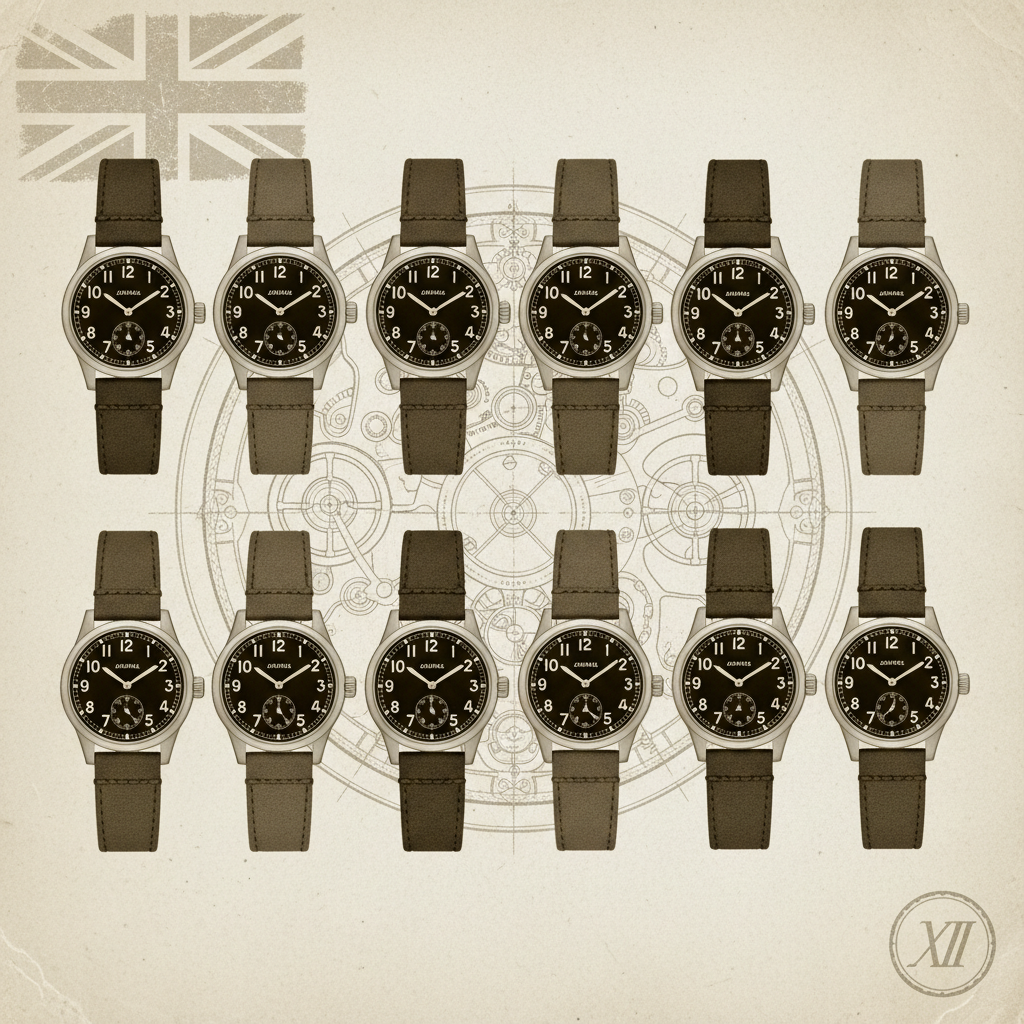
During World War II, the British Ministry of Defence commissioned 12 Swiss watch manufacturers to produce robust, accurate, and water-resistant wristwatches for their soldiers. These watches, known collectively by collectors as the ‘Dirty Dozen,’ each featured similar specifications, including a black dial, Arabic numerals, luminous hands, a railway minute track, and a specific ‘W.W.W.’ (Wrist Watch Waterproof) engraving on the case back. While not a single brand, this group represents a unique chapter in military watch history and a testament to wartime collaboration and precision.


Rather than relying on a single manufacturer, the British government turned to twelve respected Swiss companies to meet the enormous wartime demand. The chosen brands were Buren, Cyma, Eterna, Grana, Jaeger-LeCoultre, Lemania, Longines, IWC, Omega, Record, Timor, and Vertex. Although each company produced its watches slightly differently, they all adhered to the same military specification, ensuring soldiers received reliable timepieces regardless of the manufacturer. These watches were built for harsh battlefield conditions, emphasizing legibility, durability, and dependable accuracy over decorative finishing.

Today, the Dirty Dozen has become one of the most collectible groups of military watches in the world. Many enthusiasts enjoy the challenge of assembling a complete set of all twelve—a difficult and often expensive pursuit. Among them, Grana is considered the rarest, with only a relatively small number produced, making surviving examples especially desirable. In contrast, brands such as Omega and Longines manufactured significantly larger quantities, making them more attainable for collectors beginning their Dirty Dozen journey.

More than eighty years after they were issued, these watches continue to embody the philosophy that great tool watches are designed to perform under the toughest conditions. Their clean military aesthetics have inspired countless modern field watches, proving that a design created for wartime practicality can become timeless. Whether worn on the battlefield in the 1940s or admired in a modern collection, the Dirty Dozen remains a powerful symbol of functional watchmaking at its very best.


💡 Did You Know?

The nickname “Dirty Dozen” was never used by the British military. It was coined decades later by collectors, inspired by the famous 1967 war film The Dirty Dozen. Today, it’s one of the most recognizable names in vintage military watch collecting, even though the original watches were officially designated simply as W.W.W. (Wrist Watch Waterproof) models.

Category: Watch History

🕐 Discover more watch facts, reviews, and buying guides at WatchesAndMore


🛍️ You Might Also Like

As an Amazon Associate and affiliate partner, WatchesAndMore earns from qualifying purchases.

Timex Weekender Chronograph
🔥 Deal of the Day

Timex Weekender Chronograph

Timex

★★★★★ 4.5 (3,041 reviews)

$79

Offer expires in


🔥 Grab This Deal →

Bulova Precisionist


Bulova Precisionist

Bulova

★★★★★ 4.6 (1,100 reviews)

$219


Check Price on Amazon →

Timex Marlin Automatic 40mm


Timex Marlin Automatic 40mm

Timex

★★★★★ 4.7 (1,106 reviews)

$259


Check Price on Amazon →


Browse all 142+ expert-reviewed watches →

☕ Help Support WatchesAndMore

If you enjoyed this article and would like to help support WatchesAndMore, consider visiting my Etsy Shop or browsing my designs on Redbubble. Every purchase helps support the continued creation of watch reviews, historical articles, buying guides, videos, and all the free content you enjoy here on the website and on YouTube.

Your support allows me to spend more time researching fascinating stories from the world of horology, testing new watches, and producing high-quality content for collectors and enthusiasts around the globe. Whether you’re looking for unique watch-themed merchandise or simply want to support the channel, every order is genuinely appreciated. Thank you for being part of the WatchesAndMore community—your support helps keep the passion for watches alive! ⌚🍻

ETSY Shop
ETSY Shop
Redbubble Shop
Redbubble Shop
More Watch Facts
More Watch Facts

⭐ Why It Matters

A watch can make a large historical event feel personal. Its significance comes from the connection between an object, the people who used it and the surviving evidence.

📚 Sources & Further Reading

Further reading: Fondation de la Haute Horlogerie — watchmaking glossary

Join the Conversation

Which detail in this story interests you most, and would it influence what you wear or collect? Share your thoughts in the comments below.

Read Next

Disclaimer: Every effort has been made to keep these watch facts accurate, but the world of horology includes disputed stories and changing product information. Treat this article as a starting point for discovery and consult the linked records or manufacturer information for the exact timepiece. Corrections and additional evidence are welcome in the comments.

🛍️ Explore designs, gifts and more at the W&M companion shop.

Watch Fact of the Day: The ‘Himalaya’ Dial: A Tribute to Everest’s Unforgiving Heights!

Did you know some watches can age like fine wine, developing a unique ‘Himalaya’ dial finish? It’s as if the watch decided to take a vacation in the mountains, returning with a rustic patina that could make any collector weep with joy—who knew imperfections could be so fashionable? While modern dials try to mimic this natural wear, they can’t quite capture the story behind decades spent in the sun and humidity. In the world of vintage watches, a little weathering gives your timepiece character and value—because who doesn’t love a watch with a backstory that says it’s been through some serious adventures?

Fun Quirk: Monday, August 3, 2026

📅 Monday, August 3, 2026

Did you know that some watches feature a dial known as ‘Himalaya’? This term refers to a specific type of dial finish, often found on vintage chronographs, which develops a unique, mottled, or ‘tropical’ patina over time, resembling the rugged, uneven terrain of the Himalayan mountain range. It’s a highly sought-after aesthetic among collectors, transforming a watch’s appearance into a one-of-a-kind piece of art.


Unlike factory-applied dial finishes, a true Himalaya-style patina is largely the result of time, environmental exposure, and the natural aging of the dial’s lacquer and pigments. Decades of sunlight, humidity, temperature changes, and oxidation can cause the once-uniform surface to develop an intricate landscape of lighter and darker tones. No two examples age in exactly the same way, making each watch completely unique. What was once considered an imperfection has become one of the most desirable characteristics in vintage watch collecting.

Collectors often associate Himalaya dials with the broader world of tropical dials, but the appearance is distinctly different. While many tropical dials simply fade from black to rich shades of brown, a Himalaya dial develops a more textured, marbled appearance with irregular patterns that resemble snow-covered mountain ridges and rocky peaks. These naturally aged dials can dramatically increase the desirability of a vintage watch, particularly when the patina is evenly distributed and complements the overall condition of the timepiece.

Today, the beauty of these naturally aged dials has inspired several modern watchmakers to recreate the look intentionally using advanced finishing techniques. Although contemporary “Himalaya-inspired” dials capture the visual appeal, many enthusiasts believe nothing can truly replicate the character earned through decades of natural aging. It’s another reminder that, in horology, the passage of time doesn’t always diminish a watch—it can make it even more beautiful.


💡 Did You Know?

Some of the most valuable vintage watches owe part of their appeal to their unique dials. In many cases, collectors will pay a significant premium for a watch with an attractive, naturally developed patina because it’s impossible to duplicate authentically. In the world of vintage horology, time itself can become the master craftsman.

Category: Fun Quirk

🕐 Discover more watch facts, reviews, and buying guides at WatchesAndMore


🛍️ You Might Also Like

As an Amazon Associate and affiliate partner, WatchesAndMore earns from qualifying purchases.

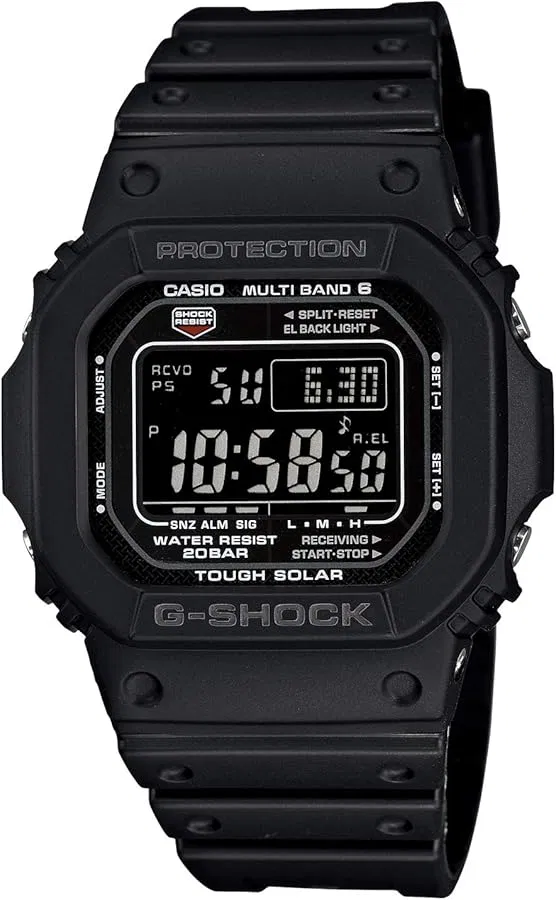
G-Shock GWM5610-1 Solar Atomic
🔥 Deal of the Day

G-Shock GWM5610-1 Solar Atomic

Casio

★★★★★ 4.8 (5,621 reviews)

$129

Offer expires in


🔥 Grab This Deal →

G-Shock GA2100-1A1 CasiOak


G-Shock GA2100-1A1 CasiOak

Casio

★★★★★ 4.8 (2,156 reviews)

$99


Check Price on Amazon →

Casio Edifice Chronograph


Casio Edifice Chronograph

Casio

★★★★★ 4.7 (1,264 reviews)

$120


Check Price on Amazon →


Browse all 142+ expert-reviewed watches →

☕ Help Support WatchesAndMore

If you enjoyed this article and would like to help support WatchesAndMore, consider visiting my Etsy Shop or browsing my designs on Redbubble. Every purchase helps support the continued creation of watch reviews, historical articles, buying guides, videos, and all the free content you enjoy here on the website and on YouTube.

Your support allows me to spend more time researching fascinating stories from the world of horology, testing new watches, and producing high-quality content for collectors and enthusiasts around the globe. Whether you’re looking for unique watch-themed merchandise or simply want to support the channel, every order is genuinely appreciated. Thank you for being part of the WatchesAndMore community—your support helps keep the passion for watches alive! ⌚🍻

ETSY Shop
ETSY Shop
Redbubble Shop
Redbubble Shop
More Watch Facts
More Watch Facts

⭐ Why It Matters

Small design decisions can change both the way a watch is read and the way it is recognised. Looking closely makes the dial part of the story rather than a decorative surface.

📚 Sources & Further Reading

Further reading: Fondation de la Haute Horlogerie — watchmaking glossary

Join the Conversation

Which detail in this story interests you most, and would it influence what you wear or collect? Share your thoughts in the comments below.

Read Next

Disclaimer: Every effort has been made to keep these watch facts accurate, but the world of horology includes disputed stories and changing product information. Treat this article as a starting point for discovery and consult the linked records or manufacturer information for the exact timepiece. Corrections and additional evidence are welcome in the comments.

🛍️ Explore designs, gifts and more at the W&M companion shop.

Watch Fact of the Day: The Complication That Pretends to Be a Tourbillon

So, the ‘Poor Man’s Tourbillon’ is basically a watch that shows off its balance wheel, giving it that fancy look without the high price tag of a real tourbillon. It can trick some folks into thinking it’s the real deal. True tourbillons are a whole other beast, made to tackle gravity’s effects on timekeeping, while these budget versions just flaunt the balance wheel for show. They’ve become popular among watch lovers because they keep things affordable and let you see the inner workings of mechanical watches. Plus, they’re a cool way to dive into the world of watchmaking without breaking the bank!

Fun Quirk: Sunday, August 2, 2026

📅 Sunday, August 2, 2026

The ‘Poor Man’s Tourbillon’ is a fascinating misnomer for watches featuring a visible balance wheel, often rotating on its own axis, but lacking the complex rotating cage of a true tourbillon. This design gives the aesthetic appeal of a high-end complication without the astronomical cost or the actual gravity-compensating mechanism. It’s a clever way to showcase the heart of the watch, often found in more affordable mechanical timepieces.


At first glance, these watches can easily fool the untrained eye. A true tourbillon, invented by Abraham-Louis Breguet in 1801, places the balance wheel, escapement, and escape wheel inside a rotating cage designed to average out the effects of gravity on the movement’s accuracy. In contrast, a so-called “Poor Man’s Tourbillon” typically exposes only the balance wheel through an open-heart dial or uses a decorative rotating balance assembly that lacks the intricate mechanics and purpose of a genuine tourbillon. The visual effect is impressive, but the engineering is fundamentally different.

The nickname gained popularity as more affordable mechanical watches entered the market, particularly from manufacturers producing skeletonized or open-heart designs. These watches allowed enthusiasts to enjoy the mesmerizing motion of the oscillating balance wheel without the enormous cost associated with manufacturing a true tourbillon. While a genuine Swiss tourbillon often commands prices ranging from several thousand to hundreds of thousands of dollars, an open-heart mechanical watch can deliver a similarly captivating visual experience for a fraction of the price.

Despite the playful nickname, there’s absolutely nothing wrong with appreciating a “Poor Man’s Tourbillon.” In fact, many collectors view open-heart watches as an excellent introduction to mechanical watchmaking because they reveal the beating heart of the movement in action. Whether it’s an affordable Seiko, Orient, Tissot, or a finely finished Swiss masterpiece, watching the balance wheel oscillate reminds us that every mechanical watch is a tiny machine powered entirely by springs, gears, and human ingenuity.


💡 Did You Know?

A genuine tourbillon typically rotates once every 60 seconds, but some modern manufacturers have developed tourbillons that complete a rotation in 30 seconds, four minutes, or even multiple axes simultaneously. While these variations are visually spectacular, they also demonstrate just how far modern watchmaking has pushed one of horology’s most iconic complications.

Category: Fun Quirk

Disclaimer: Every effort has been made to keep these watch facts accurate, but the world of horology is full of myths, disputed stories, and fascinating trivia. Consider these facts a starting point for discovery rather than the final word. If you have corrections or additional insights, let us know—we’re always happy to keep the record ticking in the right direction.

🕐 Discover more watch facts, reviews, and buying guides at WatchesAndMore


🛍️ You Might Also Like

As an Amazon Associate and affiliate partner, WatchesAndMore earns from qualifying purchases.

G-Shock GWM5610-1 Solar Atomic
🔥 Deal of the Day

G-Shock GWM5610-1 Solar Atomic

Casio

★★★★★ 4.8 (5,621 reviews)

$129

Offer expires in


🔥 Grab This Deal →

G-Shock GA2100-1A1 CasiOak


G-Shock GA2100-1A1 CasiOak

Casio

★★★★★ 4.8 (2,156 reviews)

$99


Check Price on Amazon →

Casio Edifice Chronograph


Casio Edifice Chronograph

Casio

★★★★★ 4.7 (1,264 reviews)

$120


Check Price on Amazon →


Browse all 142+ expert-reviewed watches →

☕ Help Support WatchesAndMore

If you enjoyed this article and would like to help support WatchesAndMore, consider visiting my Etsy Shop or browsing my designs on Redbubble. Every purchase helps support the continued creation of watch reviews, historical articles, buying guides, videos, and all the free content you enjoy here on the website and on YouTube.

Your support allows me to spend more time researching fascinating stories from the world of horology, testing new watches, and producing high-quality content for collectors and enthusiasts around the globe. Whether you’re looking for unique watch-themed merchandise or simply want to support the channel, every order is genuinely appreciated. Thank you for being part of the WatchesAndMore community—your support helps keep the passion for watches alive! ⌚🍻

ETSY Shop
ETSY Shop
Redbubble Shop
Redbubble Shop
More Watch Facts
More Watch Facts

⭐ Why It Matters

Following the route from stored energy to the hands makes a complex mechanism easier to understand. Its value lies in the problem it was designed to address.

📚 Sources & Further Reading

Further reading: Fondation de la Haute Horlogerie — watchmaking glossary

Join the Conversation

Which detail in this story interests you most, and would it influence what you wear or collect? Share your thoughts in the comments below.

Read Next

🛍️ Explore designs, gifts and more at the W&M companion shop.

Watch Fact of the Day: The ‘Elephant’s Foot’ Was Once a Symbol of Watchmaking Prowess!

Back in the day, before fancy shock absorbers, watchmakers had to get creative to keep delicate balance staffs safe from bumps. One cool invention was the “elephant’s foot” pivot, a robust design that helped prevent breakage, even if it wasn’t a true shock absorber. While this was a neat workaround, it wasn’t until the 20th century that real game-changers like Incabloc came along, letting watches handle blows way better. The elephant’s foot is a reminder of how innovative early watchmakers were, relying on trial and error to keep timepieces ticking. Today’s watches are way tougher, thanks to these pioneering efforts!

Watch History: Saturday, August 1, 2026

📅 Saturday, August 1, 2026

Before the advent of modern shock absorption systems, watchmakers faced the challenge of protecting delicate balance staffs from impacts. Some early pocket watches featured a robust, mushroom-shaped balance staff pivot, affectionately nicknamed the ‘elephant’s foot’ due to its distinctive, wide base. This design, while not a true shock absorber, offered improved resilience compared to thinner pivots, showcasing an early ingenuity in protecting the heart of the watch.


Watch Fact of the Day: The 'Elephant's Foot' Was Once a Symbol of Watchmaking Prowess!
Watch Fact of the Day: The ‘Elephant’s Foot’ Was Once a Symbol of Watchmaking Prowess!

In the days before wristwatches became common, pocket watches were expected to survive the bumps and knocks of everyday life. One of the most vulnerable components inside any mechanical movement was the balance staff pivot—a tiny, highly polished axle that allowed the balance wheel to oscillate freely. A hard impact could easily snap this fragile pivot, rendering the watch useless until repaired. To combat this weakness, some watchmakers experimented with larger, reinforced pivot designs, including the distinctive “elephant’s foot,” which distributed stress over a broader area and reduced the likelihood of breakage.

Although the elephant’s foot design represented an important step forward, it was ultimately only a partial solution. The real breakthrough came in the 20th century with the introduction of dedicated shock protection systems such as Incabloc, KIF, and later Diashock. These ingenious spring-mounted jewel settings allowed the balance staff to move slightly during an impact before returning to its precise position, dramatically improving durability while maintaining excellent timekeeping accuracy. Today, nearly every quality mechanical watch benefits from some form of shock protection descended from these pioneering innovations.

The elephant’s foot is a fascinating reminder of the relentless creativity of early watchmakers. Long before sophisticated engineering and computer-aided design, craftsmen relied on careful observation, experimentation, and clever mechanical solutions to solve real-world problems. While few collectors will ever see one inside an antique pocket watch, it remains an important milestone in the ongoing quest to build more reliable and resilient timepieces.


💡 Did You Know?

A modern Incabloc shock protection system can allow a balance staff to survive impacts of thousands of times the force of gravity (G)—something that would have instantly broken the delicate pivots found in many 19th-century watches. It’s one of the reasons a modern mechanical watch is far more robust than its antique predecessors, despite using the same fundamental principles of timekeeping.

Category: Watch History

Disclaimer: Every effort has been made to keep these watch facts accurate, but the world of horology is full of myths, disputed stories, and fascinating trivia. Consider these facts a starting point for discovery rather than the final word. If you have corrections or additional insights, let us know—we’re always happy to keep the record ticking in the right direction.

🕐 Discover more watch facts, reviews, and buying guides at WatchesAndMore


🛍️ You Might Also Like

As an Amazon Associate and affiliate partner, WatchesAndMore earns from qualifying purchases.

Timex Weekender Chronograph
🔥 Deal of the Day

Timex Weekender Chronograph

Timex

★★★★★ 4.5 (3,041 reviews)

$79

Offer expires in


🔥 Grab This Deal →

Bulova Precisionist


Bulova Precisionist

Bulova

★★★★★ 4.6 (1,100 reviews)

$219


Check Price on Amazon →

Timex Marlin Automatic 40mm


Timex Marlin Automatic 40mm

Timex

★★★★★ 4.7 (1,106 reviews)

$259


Check Price on Amazon →


Browse all 142+ expert-reviewed watches →

☕ Help Support WatchesAndMore

If you enjoyed this article and would like to help support WatchesAndMore, consider visiting my Etsy Shop or browsing my designs on Redbubble. Every purchase helps support the continued creation of watch reviews, historical articles, buying guides, videos, and all the free content you enjoy here on the website and on YouTube.

Your support allows me to spend more time researching fascinating stories from the world of horology, testing new watches, and producing high-quality content for collectors and enthusiasts around the globe. Whether you’re looking for unique watch-themed merchandise or simply want to support the channel, every order is genuinely appreciated. Thank you for being part of the WatchesAndMore community—your support helps keep the passion for watches alive! ⌚🍻

ETSY Shop
ETSY Shop
Redbubble Shop
Redbubble Shop
More Watch Facts
More Watch Facts

⭐ Why It Matters

The details are most useful when connected to the wearer’s needs and the design’s purpose. This story offers another way to look beyond the name on the dial.

📚 Sources & Further Reading

Further reading: Fondation de la Haute Horlogerie — watchmaking glossary

Join the Conversation

Which detail in this story interests you most, and would it influence what you wear or collect? Share your thoughts in the comments below.

Read Next

🛍️ Explore designs, gifts and more at the W&M companion shop.

Watch Fact of the Day: The ‘Waterproof’ Watch Was Once a Mythical Beast!

In 1926, Rolex decided to make a splash—literally—by patenting the ‘Oyster’ case, transforming the watch industry from a soggy mess of water-resistant myths into a dry haven of genuine waterproofness. Before this revolutionary moment, the idea of waterproof watches was about as reliable as an umbrella in a hurricane. With the ingenious screw-down crown and hermetically sealed design, Rolex flipped the script on watch-making. And while these chronometers are now fashionably safe from pool parties, remember: the world of horology is a wild ride filled with legends and half-told tales, so don your detective hat for more tick-tock trivia!

📅 Friday, July 31, 2026

Before Rolex patented the ‘Oyster’ case in 1926, truly waterproof watches were largely theoretical. Early attempts at water resistance involved fragile gaskets and screw-down crowns, but none offered reliable protection against the elements. The Oyster case, with its patented screw-down crown, case back, and bezel, revolutionized watchmaking by creating a hermetically sealed environment, making genuine waterproofness a reality for the first time.


The Watch That Defied Water

The breakthrough came from Hans Wilsdorf, founder of Rolex, who recognized that moisture and dust were the greatest enemies of a mechanical watch. By engineering a case that sealed tightly using a screw-down bezel, threaded case back, and the innovative Twinlock-style screw-down crown concept, Rolex created a watch capable of withstanding conditions that would have quickly destroyed earlier timepieces. The name “Oyster” was chosen because, like the shell of an oyster, the case formed a protective barrier around its precious contents.

The Oyster’s reputation was cemented in 1927 when British swimmer Mercedes Gleitze wore a Rolex Oyster while attempting to swim across the English Channel. Although she did not complete the crossing due to the harsh conditions, the watch remained fully functional after spending more than ten hours in cold seawater. Rolex capitalized on the achievement with one of history’s first truly successful testimonial advertising campaigns, displaying Oyster watches in aquariums in jewelry store windows to demonstrate their remarkable water resistance.

Today, nearly every modern sports watch owes something to the innovations pioneered by the Oyster case. Screw-down crowns, threaded case backs, synthetic gaskets, and improved sealing systems have become industry standards, allowing dive watches to withstand depths of hundreds—and in some cases thousands—of meters. What was once considered almost mythical in the early 20th century has become an everyday expectation for modern wristwatches.


💡 Did You Know?

The term “waterproof” is no longer used by most watch manufacturers. Instead, watches are rated as “water resistant” because no watch is permanently impervious to water. Gaskets age, seals wear, and regular pressure testing is recommended to ensure a watch continues to perform as intended—especially before swimming or diving.

Category: Watch History

Disclaimer: Every effort has been made to keep these watch facts accurate, but the world of horology is full of myths, disputed stories, and fascinating trivia. Consider these facts a starting point for discovery rather than the final word. If you have corrections or additional insights, let us know—we’re always happy to keep the record ticking in the right direction.

🕐 Discover more watch facts, reviews, and buying guides at WatchesAndMore


🛍️ You Might Also Like

As an Amazon Associate and affiliate partner, WatchesAndMore earns from qualifying purchases.

Timex Weekender Chronograph
🔥 Deal of the Day

Timex Weekender Chronograph

Timex

★★★★★ 4.5 (3,041 reviews)

$79

Offer expires in


🔥 Grab This Deal →

Bulova Precisionist


Bulova Precisionist

Bulova

★★★★★ 4.6 (1,100 reviews)

$219


Check Price on Amazon →

Timex Marlin Automatic 40mm


Timex Marlin Automatic 40mm

Timex

★★★★★ 4.7 (1,106 reviews)

$259


Check Price on Amazon →


Browse all 142+ expert-reviewed watches →

☕ Help Support WatchesAndMore

If you enjoyed this article and would like to help support WatchesAndMore, consider visiting my Etsy Shop or browsing my designs on Redbubble. Every purchase helps support the continued creation of watch reviews, historical articles, buying guides, videos, and all the free content you enjoy here on the website and on YouTube.

Your support allows me to spend more time researching fascinating stories from the world of horology, testing new watches, and producing high-quality content for collectors and enthusiasts around the globe. Whether you’re looking for unique watch-themed merchandise or simply want to support the channel, every order is genuinely appreciated. Thank you for being part of the WatchesAndMore community—your support helps keep the passion for watches alive! ⌚🍻

ETSY Shop
ETSY Shop
Redbubble Shop
Redbubble Shop
More Watch Facts
More Watch Facts

⭐ Why It Matters

A tool watch brings together readability, controls and construction. Considering the intended use gives its features more meaning than a list of specifications alone.

📚 Sources & Further Reading

Further reading: Seiko — movement-specific instruction manuals

Join the Conversation

Which detail in this story interests you most, and would it influence what you wear or collect? Share your thoughts in the comments below.

Read Next

🛍️ Explore designs, gifts and more at the W&M companion shop.

Watch Fact of the Day: The ‘Hack’ Function in Watches Was Born from Military Precision!

In a world where timing is everything, the ‘hack’ function on watches turns out to be the military’s secret sauce for synchronized chaos. Originally developed so soldiers could set their watches down to the tick, it transformed into a beloved feature for everyone, from casual timekeepers to luxury aficionados. The name comes from troops “hacking” their watches to get the exact second, proving precision can be key to success or failure—whether you’re bombarding an enemy or just trying to catch the bus. So, the next time you set your mechanical marvel, remember: it’s not just about fashion; it’s about historical warfare chic!

📅 Wednesday, July 29, 2026

The ‘hack’ function, which stops the second hand when the crown is pulled out, was not originally a feature for casual time-setting. It was developed during wartime to allow soldiers to synchronize their watches precisely to a master clock, ensuring coordinated movements and attacks. This military requirement for exact timing eventually became a common and useful feature in many mechanical watches.


The term “hack” comes from the military phrase “hack your watches,” an order given to troops to synchronize their timepieces to the exact second. By stopping the seconds hand, every soldier could wait for the command to resume the movement simultaneously, ensuring perfectly coordinated operations. Whether planning artillery barrages, airborne assaults, or naval maneuvers, precise timing often meant the difference between success and failure.

Early military watches from manufacturers such as Longines, Omega, Hamilton, IWC, and later Rolex incorporated hacking seconds to meet stringent military specifications. During World War II, synchronized timekeeping became essential across all branches of the armed forces. Pilots coordinated bombing runs, navigators calculated precise positions, and infantry units executed attacks based on synchronized watches rather than unreliable battlefield communications.

Today, the hack function is a standard feature on many mechanical watches, from affordable field watches to luxury Swiss timepieces. While most owners use it simply to set their watch accurately against an atomic clock or smartphone, its origins are rooted in one of the most demanding environments imaginable. It’s a small complication with a fascinating history, demonstrating how military innovation often finds its way into everyday life.


💡 Did You Know?

Many modern watch enthusiasts still synchronize their mechanical watches to internet-based atomic clocks or official time signals using the hack function. Pulling the crown at exactly 60 seconds, waiting for the reference clock to roll over to the next minute, and then pushing the crown back in allows the watch to be set almost perfectly to the second—a practice that continues a military tradition dating back more than 80 years.

Category: Watch History

Disclaimer: Every effort has been made to keep these watch facts accurate, but the world of horology is full of myths, disputed stories, and fascinating trivia. Consider these facts a starting point for discovery rather than the final word. If you have corrections or additional insights, let us know—we’re always happy to keep the record ticking in the right direction.

🕐 Discover more watch facts, reviews, and buying guides at WatchesAndMore


🛍️ You Might Also Like

As an Amazon Associate and affiliate partner, WatchesAndMore earns from qualifying purchases.

Timex Weekender Chronograph
🔥 Deal of the Day

Timex Weekender Chronograph

Timex

★★★★★ 4.5 (3,041 reviews)

$79

Offer expires in


🔥 Grab This Deal →

Bulova Precisionist


Bulova Precisionist

Bulova

★★★★★ 4.6 (1,100 reviews)

$219


Check Price on Amazon →

Timex Marlin Automatic 40mm


Timex Marlin Automatic 40mm

Timex

★★★★★ 4.7 (1,106 reviews)

$259


Check Price on Amazon →


Browse all 142+ expert-reviewed watches →

☕ Help Support WatchesAndMore

If you enjoyed this article and would like to help support WatchesAndMore, consider visiting my Etsy Shop or browsing my designs on Redbubble. Every purchase helps support the continued creation of watch reviews, historical articles, buying guides, videos, and all the free content you enjoy here on the website and on YouTube.

Your support allows me to spend more time researching fascinating stories from the world of horology, testing new watches, and producing high-quality content for collectors and enthusiasts around the globe. Whether you’re looking for unique watch-themed merchandise or simply want to support the channel, every order is genuinely appreciated. Thank you for being part of the WatchesAndMore community—your support helps keep the passion for watches alive! ⌚🍻

ETSY Shop
ETSY Shop
Redbubble Shop
Redbubble Shop
More Watch Facts
More Watch Facts

The Watch Advisor
Find Your Perfect Watch

⭐ Why It Matters

A watch can make a large historical event feel personal. Its significance comes from the connection between an object, the people who used it and the surviving evidence.

📚 Sources & Further Reading

Further reading: Fondation de la Haute Horlogerie — watchmaking glossary

Join the Conversation

Which detail in this story interests you most, and would it influence what you wear or collect? Share your thoughts in the comments below.

Read Next

🛍️ Explore designs, gifts and more at the W&M companion shop.

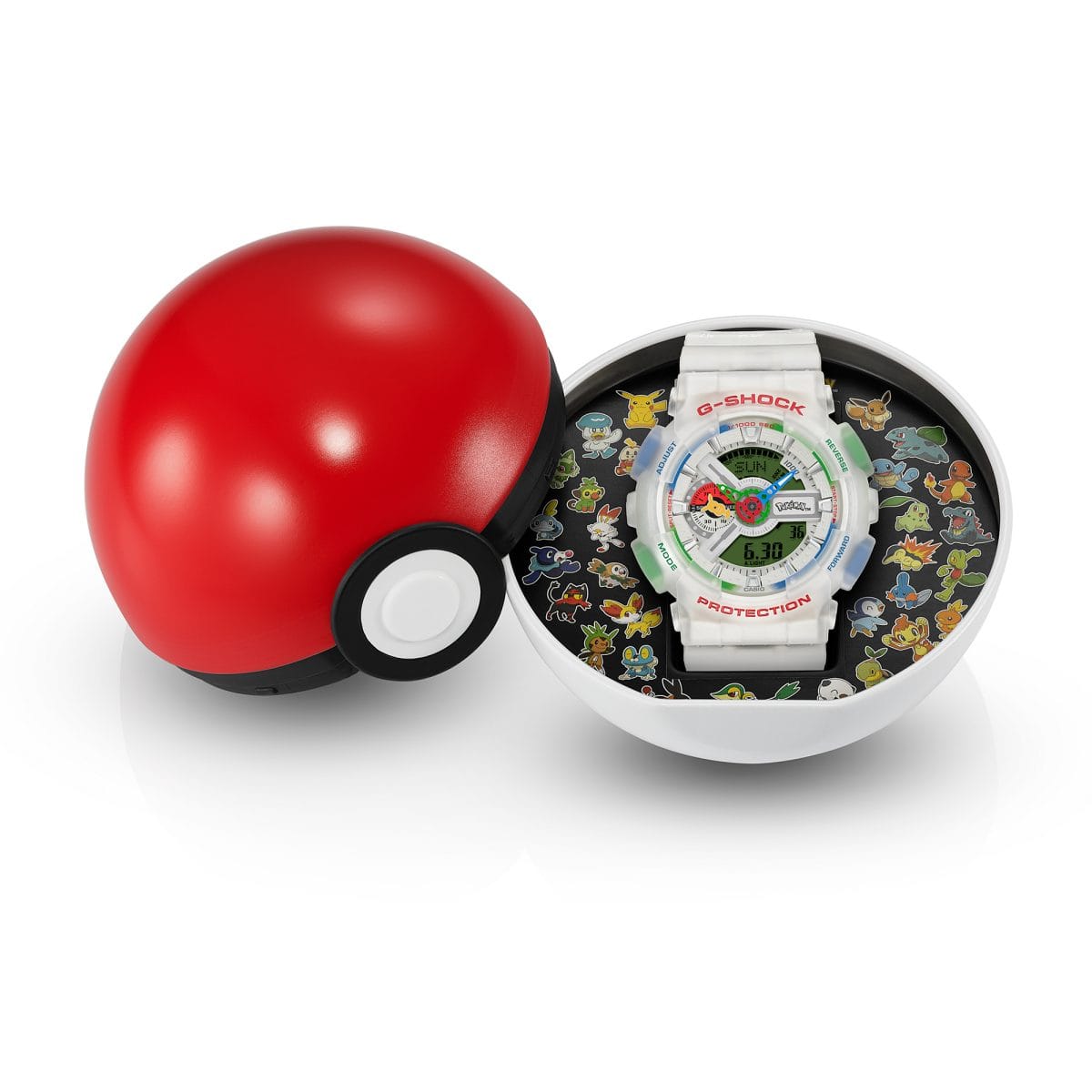
A Wild G-Shock Appears: The Pokémon x G-SHOCK GA-110PKM-7A Is the Most Exciting Collab Watch of 2026

In the watch-wearing world, the Pokémon x G-SHOCK GA-110PKM-7A is the talk of the town—like that one kid who can somehow pull off wearing socks with sandals. Launched for Pokémon’s 30th birthday, this isn’t just a cute little novelty; it’s a full-sized G-SHOCK with legit durability, decked out in the classic red, blue, and green of the original games. Pre-orders sold out faster than Pikachu can say “Pika!” and now it’s a hot item on the resale market. Missed out? The regular G-SHOCK GA-110 is still up for grabs—instead of a mythical watch, you’ll just get a regular hero!

Every so often, a watch collaboration cuts through the noise and becomes the thing everyone in the hobby is talking about. The **Pokémon x G-SHOCK GA-110PKM-7A** is that watch for July 2026. Announced to celebrate Pokémon’s 30th anniversary — the franchise first launched in Japan in February 1996 — the collaboration marks the first time Pokémon has ever teamed up with the flagship full-size G-SHOCK line. Previous Pokémon x Casio partnerships were limited to the smaller BABY-G series. This is the real thing: a full GA-110 platform watch, built to G-SHOCK’s legendary durability standards, dressed in the original red, blue, and green of the first generation games. Pre-orders opened on July 1, 2026 at $270 USD and sold out within hours. On StockX, the current lowest ask in the UK is £450 — more than double the £220 retail price. If you were hoping to pick one up at retail, that window has almost certainly closed. But the story of why this watch matters — and what it tells us about where G-SHOCK is heading — is worth telling in full.

Why This Collaboration Is Different

Pokémon x Casio is not a new idea. The two brands have collaborated before, most notably on BABY-G models that appealed primarily to younger collectors and franchise fans. Those were fun, but they were niche — the BABY-G is a smaller, lighter watch aimed at a different demographic than the core G-SHOCK audience.

The GA-110PKM-7A is different in two important ways. First, it is built on the **GA-110 platform** — one of G-SHOCK’s most popular and recognisable full-size analog-digital models, with a 55.2mm x 52.4mm case that sits firmly in the mainstream of G-SHOCK collecting. This is not a novelty item for franchise fans; it is a legitimate G-SHOCK that happens to have Pokémon details. Second, the design choices are deliberate and considered. Rather than leaning on Pikachu yellow or contemporary Pokémon branding — the easy, commercially obvious route — Casio chose to reference the **original 1996 game releases**: Pocket Monsters Red, Green, and Blue. The red, blue, and green accents on the bezel and case are a direct nod to those three titles. The result is a watch that reads as a franchise anniversary piece rather than character merchandise, and that distinction matters enormously to collectors.

The Design in Detail

The GA-110PKM-7A is built on a translucent resin case with a white center section, accented by the red, blue, and green of the original game trilogy. The bezel carries the standard GA-110 layout, but the details embedded throughout the design reward close inspection.

The most striking element is the **9 o’clock inset dial**, which is styled as a Poké Ball — the red-and-white sphere used to capture Pokémon in the games. The indicator hand on this sub-dial is shaped like **Pikachu viewed from behind**, tail and ears visible. It is a small detail, but it is executed with the kind of care that separates a thoughtful collaboration from a logo-slap exercise.

The band is where the 30th anniversary theme is expressed most fully. **30 Pokémon are featured across the strap**: three first-partner Pokémon from each generation, spanning Kanto through Paldea, plus Pikachu and Eevee. The mythical Pokémon **Mew** appears on the band loop — a choice that will resonate with anyone who remembers the original games, where Mew was a secret that could only be obtained through special events. The caseback carries a custom **30th anniversary Pokémon logo engraving**, and the packaging continues the theme: the watch ships inside a **Poké Ball-shaped display case**, itself housed within an outer box featuring all 30 Pokémon from the strap.

Specifications: A Proper G-SHOCK Under the Hood

The GA-110PKM-7A is not a fashion watch dressed up as a G-SHOCK. It carries the full GA-110 specification, which means it is a genuinely capable tool watch beneath the Pokémon exterior.

| Feature | Specification |

|—|—|

| Water resistance | 200 metres |

| Shock resistance | G-SHOCK standard |

| Magnetic resistance | Yes |

| World time | 29 time zones |

| Alarms | 5 daily alarms |

| Stopwatch | 1/1000th-second, with speed measurement |

| Calendar | Full auto-calendar through 2099 |

| Additional functions | Sunrise/sunset display, moon data |

| Battery | CR1220, approximately 2-year life |

| Case dimensions | 55.2mm x 52.4mm x 17.4mm |

The 200-metre water resistance and shock protection mean this is a watch you can actually wear — to the beach, to the gym, on a hike — without worrying about it. The GA-110 platform has been in production since 2010 and has proven itself across millions of units. The Pokémon edition is a limited collaboration, but it is built to the same standard as every other G-SHOCK that carries the name.

The Resale Market: What’s Happening on StockX

The demand for the GA-110PKM-7A has been extraordinary. In Japan, Casio opened a lottery system for domestic sales — the watch was not available for direct purchase, only through a random draw. Internationally, pre-orders opened on July 1 and sold out within hours at most authorised retailers. The Windup Watch Shop in Chicago, one of the most respected independent watch retailers in the US, limited purchases to one per person and brought only 30 pieces to the Windup Watch Fair.

On secondary markets, the numbers tell the story clearly. In the UK, where the watch retailed at £220, the current lowest ask on StockX is **£450** — more than double retail. In the US, where it retailed at $270, secondary market prices are running in the $450–$600 range depending on condition and seller. That is a significant premium, and it reflects genuine demand from collectors who missed the retail window rather than speculative flipping.

Whether those prices hold is another question. Limited G-SHOCK collaborations have a mixed track record on the secondary market: some (the Eric Haze DW-5600, the Futura GA-110) have held or appreciated over time; others have drifted back toward retail within six to twelve months as the initial excitement fades. The Pokémon collaboration has the advantage of being tied to a franchise with genuine multigenerational appeal, which suggests the floor is higher than most G-SHOCK collabs. But paying 2× retail for a $270 watch is a decision that requires careful thought.

Can’t Get the Pokémon Edition? Here’s What to Buy Instead

If you missed the GA-110PKM-7A at retail and are not willing to pay secondary market prices, the good news is that the base platform it is built on — the **GA-110** — is one of G-SHOCK’s best and is available right now at a fraction of the price.

The **G-Shock GA-110-1B** (ASIN: B00A2EQH2E) is the standard black version of the same case, the same movement, and the same durability specification. It retails for around **$99 on Amazon** — less than 40% of the Pokémon edition’s retail price, and a fraction of current secondary market prices. You are not getting the Pokémon details, the Poké Ball packaging, or the 30th anniversary engraving. But you are getting a genuinely excellent G-SHOCK on the platform that made the collaboration possible in the first place.

Alternatively, if the GA-110PKM-7A has sparked an interest in G-SHOCK collecting more broadly, our [Best G-Shock Watches guide](/best-g-shock-watches) covers the full lineup across every price point — from the entry-level DW-5600 to the solar-atomic GW-M5610 to the Mudmaster GSG-100. There is a G-SHOCK for every budget and every use case, and the Pokémon collaboration is a good reminder of why the platform has endured for over 40 years.

[Check the GA-110-1B on Amazon →](https://www.amazon.com/dp/B00A2EQH2E?tag=ijgprojects06-20)

The G-SHOCK x Pokémon GA-110PKM-7A is a genuinely excellent collaboration watch — thoughtfully designed, properly specified, and tied to a cultural moment (Pokémon’s 30th anniversary) that resonates across generations. The fact that it sold out at retail within hours is not surprising; the fact that it was designed with enough care and restraint to appeal to serious G-SHOCK collectors as well as franchise fans is the more interesting story.

If you can find one at or near retail, it is worth buying. If the secondary market prices feel too steep, the GA-110 platform in its standard form is one of the best value propositions in watch collecting — and it will still be available long after the Pokémon edition becomes a distant memory in the resale market.

For more G-SHOCK coverage, see our [G-Shock GA2100 vs GW5000 comparison](/compare/g-shock-ga2100-vs-gw5000) or browse our [Best G-Shock Watches](/best-g-shock-watches) collection. And if you want a personalised recommendation based on your budget and lifestyle, try our [Watch Advisor](/watch-finder).

*Affiliate links are used where available — clicking them supports WatchesAndMore at no extra cost to you.*


💡 Did You Know?

Dates, inscriptions and provenance records help connect a timepiece to an event. An appealing story is strongest when it can be tied to the exact object being discussed.

⭐ Why It Matters

A watch can make a large historical event feel personal. Its significance comes from the connection between an object, the people who used it and the surviving evidence.

📚 Sources & Further Reading

Further reading: Fondation de la Haute Horlogerie — watchmaking glossary

Join the Conversation

Which detail in this story interests you most, and would it influence what you wear or collect? Share your thoughts in the comments below.

Read Next

Category: Watch Related

Disclaimer: Every effort has been made to keep these watch facts accurate, but the world of horology includes disputed stories and changing product information. Treat this article as a starting point for discovery and consult the linked records or manufacturer information for the exact timepiece. Corrections and additional evidence are welcome in the comments.

🕐 Discover more watch facts, reviews, and buying guides at WatchesAndMore.

🛍️ Explore designs, gifts and more at the W&M companion shop.

📚 Browse the complete W&M Watch Fact Archive.

Explore watches in the W&M Watch Database.

Watch Fact of the Day: The ‘Geneva Seal’ Is More Than Just a Pretty Stamp!

The Geneva Seal, established in 1886, is a top-notch certification for watch movements, proving they were made and crafted in Geneva with serious attention to detail. It safeguards the reputation of skilled watchmakers by ensuring every part of a certified watch—from bridges to screws—meets high aesthetic and technical standards. After a 2012 update, complete watches now also have to show reliability and performance, not just good looks. Brands like Vacheron Constantin and Roger Dubuis are notable holders of this prestigious seal. So, when you see that tiny Geneva Seal on a watch, you know it’s a masterpiece of Swiss craftsmanship!

📅 Tuesday, July 28, 2026

The Geneva Seal, or Poinçon de Genève, is not merely a decorative emblem but a rigorous certification of quality and craftsmanship for watch movements. Established in 1886, it guarantees that a watch movement was made, assembled, and regulated in the Canton of Geneva, adhering to strict aesthetic and technical criteria. This includes specific finishing techniques for every component, ensuring both beauty and precision, making it one of the most demanding certifications in horology.


Originally created by the Canton of Geneva to protect the reputation of its master watchmakers, the Geneva Seal quickly became one of the most prestigious marks of excellence in Swiss watchmaking. Every component of a certified movement—from bridges and wheels to screws and levers—must meet exacting standards for finishing and construction. Techniques such as anglage (hand-beveled edges), polished screw heads, Geneva stripes (Côtes de Genève), circular graining (perlage), and carefully finished gear teeth are all scrutinized. The result is a movement that is as visually stunning as it is mechanically refined.

While many people associate the Geneva Seal with aesthetics, modern certification goes far beyond appearance. Since the certification was updated in 2012, complete watches—not just movements—must also demonstrate reliability, functionality, water resistance, power reserve, and timekeeping performance. This means a Geneva Seal timepiece isn’t simply beautiful to admire through a sapphire caseback; it’s also expected to perform to the highest standards in everyday use.

Today, only a select group of manufacturers produce Geneva Seal-certified watches, with Vacheron Constantin being perhaps its most famous ambassador. Other prestigious maisons, including Roger Dubuis and selected models from Cartier and Chopard, have also earned the distinction. For collectors, spotting the tiny Geneva Seal engraved on a movement is an assurance that countless hours of skilled hand-finishing and meticulous assembly have gone into creating one of the finest examples of traditional Swiss watchmaking.


💡 Did You Know?

The Geneva Seal is not a chronometer certification. A watch can carry the Geneva Seal without being COSC-certified, and a COSC-certified chronometer does not need a Geneva Seal. One recognizes craftsmanship and finishing, while the other certifies precision and accuracy. A watch that earns both represents an exceptional blend of mechanical performance and artisanal excellence.

Category: Fun Quirk

🕐 Discover more watch facts, reviews, and buying guides at WatchesAndMore


🛍️ You Might Also Like

As an Amazon Associate and affiliate partner, WatchesAndMore earns from qualifying purchases.

G-Shock GA2100-1A1 CasiOak


G-Shock GA2100-1A1 CasiOak

Casio

★★★★★ 4.8 (2,156 reviews)

$99


Check Price on Amazon →

Casio Edifice Chronograph


Casio Edifice Chronograph

Casio

★★★★★ 4.7 (1,264 reviews)

$120


Check Price on Amazon →


Browse all 75+ expert-reviewed watches →

⭐ Why It Matters

The details are most useful when connected to the wearer’s needs and the design’s purpose. This story offers another way to look beyond the name on the dial.

📚 Sources & Further Reading

Further reading: Fondation de la Haute Horlogerie — watchmaking glossary

Join the Conversation

Which detail in this story interests you most, and would it influence what you wear or collect? Share your thoughts in the comments below.

Read Next

Disclaimer: Every effort has been made to keep these watch facts accurate, but the world of horology includes disputed stories and changing product information. Treat this article as a starting point for discovery and consult the linked records or manufacturer information for the exact timepiece. Corrections and additional evidence are welcome in the comments.

🛍️ Explore designs, gifts and more at the W&M companion shop.

📚 Browse the complete W&M Watch Fact Archive.