

📅 Friday, July 31, 2026
Before Rolex patented the ‘Oyster’ case in 1926, truly waterproof watches were largely theoretical. Early attempts at water resistance involved fragile gaskets and screw-down crowns, but none offered reliable protection against the elements. The Oyster case, with its patented screw-down crown, case back, and bezel, revolutionized watchmaking by creating a hermetically sealed environment, making genuine waterproofness a reality for the first time.
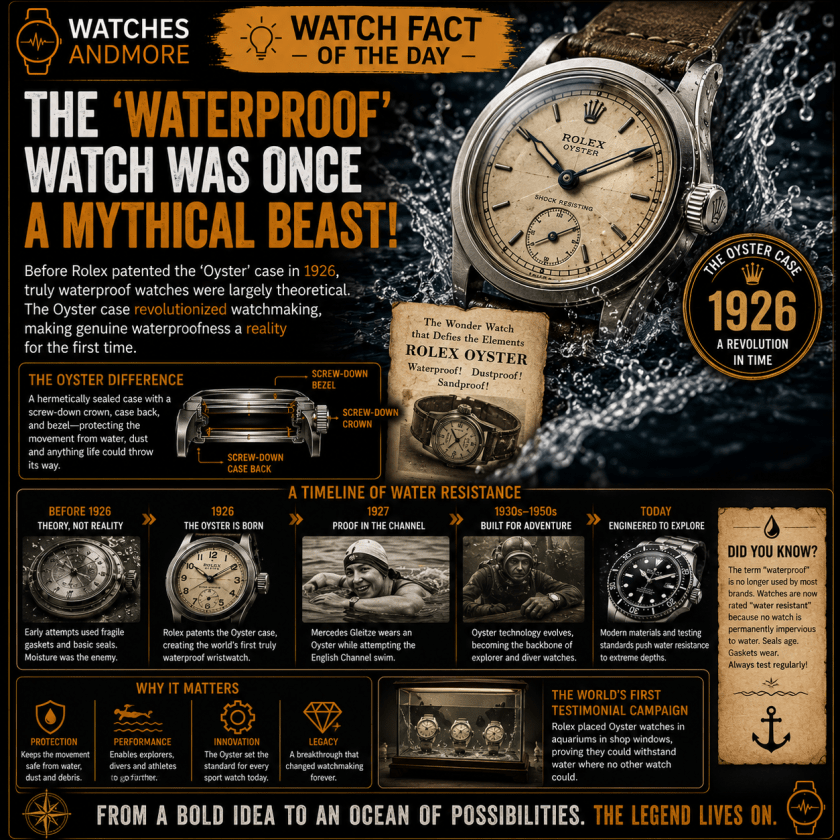
The breakthrough came from Hans Wilsdorf, founder of Rolex, who recognized that moisture and dust were the greatest enemies of a mechanical watch. By engineering a case that sealed tightly using a screw-down bezel, threaded case back, and the innovative Twinlock-style screw-down crown concept, Rolex created a watch capable of withstanding conditions that would have quickly destroyed earlier timepieces. The name “Oyster” was chosen because, like the shell of an oyster, the case formed a protective barrier around its precious contents.
The Oyster’s reputation was cemented in 1927 when British swimmer Mercedes Gleitze wore a Rolex Oyster while attempting to swim across the English Channel. Although she did not complete the crossing due to the harsh conditions, the watch remained fully functional after spending more than ten hours in cold seawater. Rolex capitalized on the achievement with one of history’s first truly successful testimonial advertising campaigns, displaying Oyster watches in aquariums in jewelry store windows to demonstrate their remarkable water resistance.
Today, nearly every modern sports watch owes something to the innovations pioneered by the Oyster case. Screw-down crowns, threaded case backs, synthetic gaskets, and improved sealing systems have become industry standards, allowing dive watches to withstand depths of hundreds—and in some cases thousands—of meters. What was once considered almost mythical in the early 20th century has become an everyday expectation for modern wristwatches.
💡 Did You Know?
The term “waterproof” is no longer used by most watch manufacturers. Instead, watches are rated as “water resistant” because no watch is permanently impervious to water. Gaskets age, seals wear, and regular pressure testing is recommended to ensure a watch continues to perform as intended—especially before swimming or diving.
Category: Watch History
Disclaimer: Every effort has been made to keep these watch facts accurate, but the world of horology is full of myths, disputed stories, and fascinating trivia. Consider these facts a starting point for discovery rather than the final word. If you have corrections or additional insights, let us know—we’re always happy to keep the record ticking in the right direction.
🕐 Discover more watch facts, reviews, and buying guides at WatchesAndMore
🛍️ You Might Also Like
As an Amazon Associate and affiliate partner, WatchesAndMore earns from qualifying purchases.
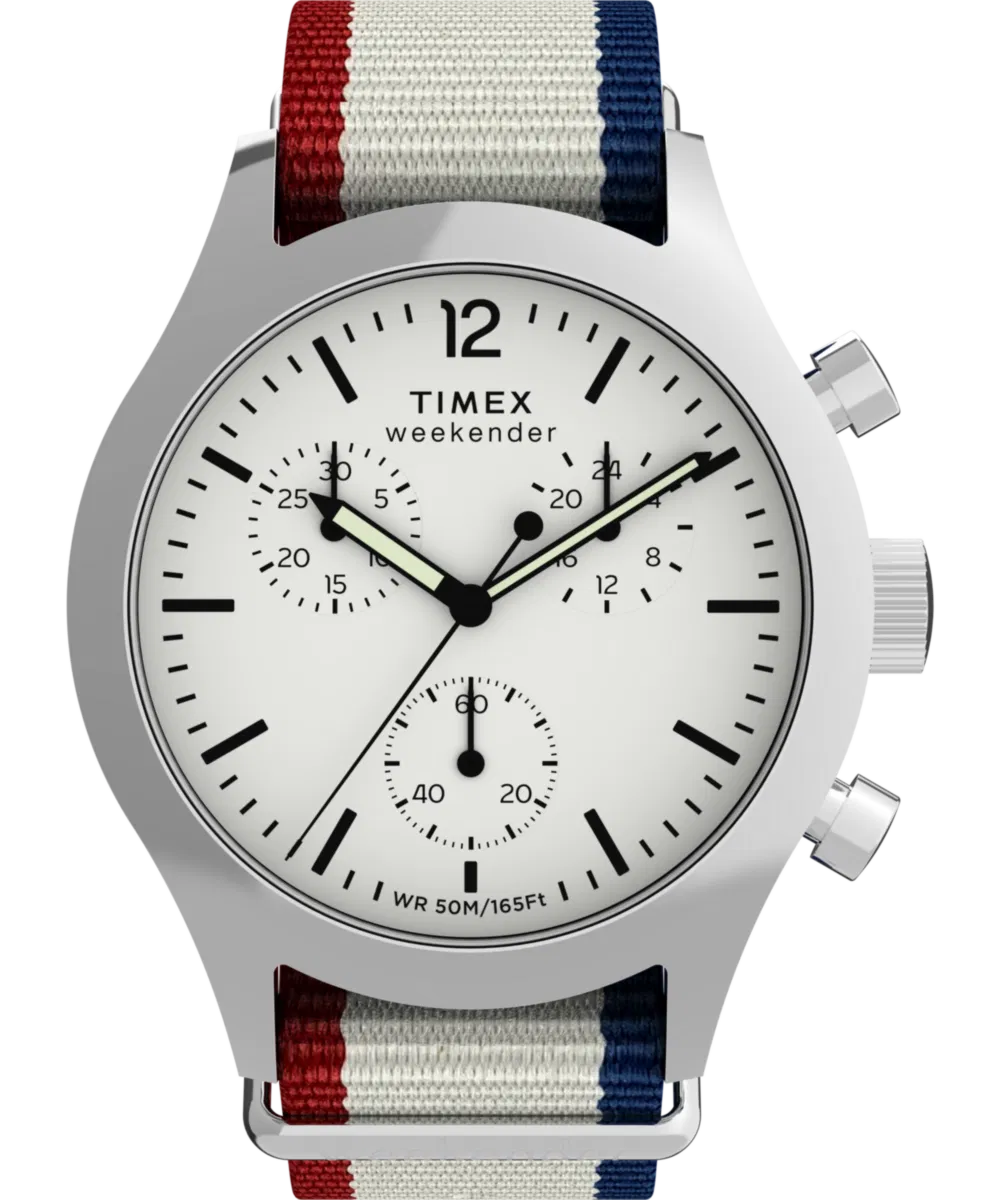
Timex
★★★★★ 4.5 (3,041 reviews)
$79

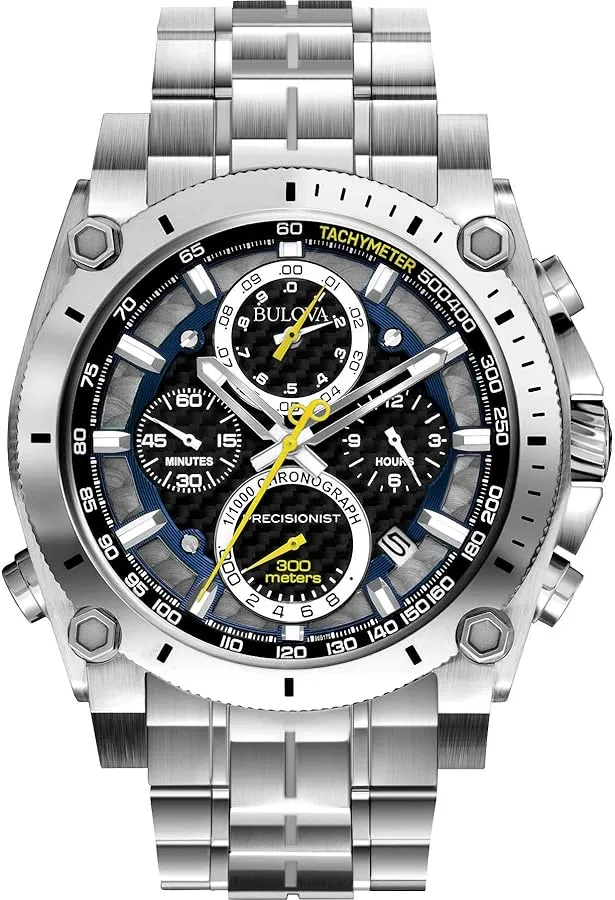
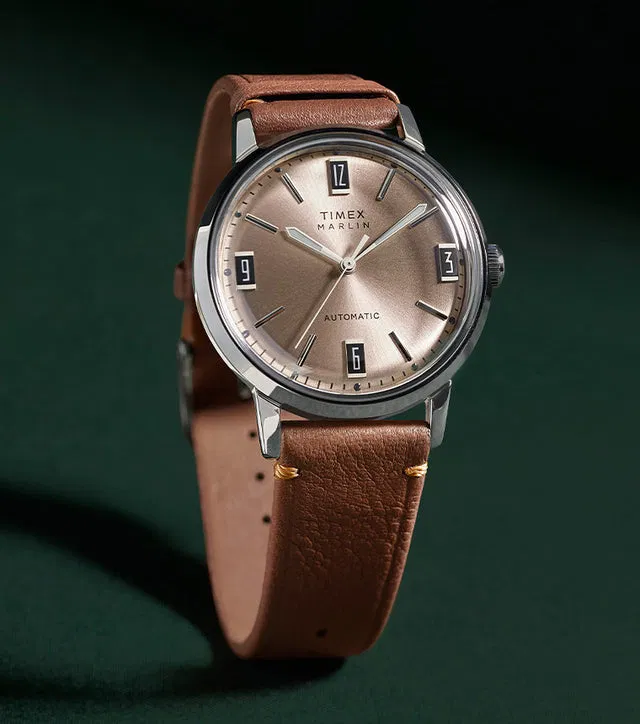
Browse all 142+ expert-reviewed watches →
☕ Help Support WatchesAndMore
If you enjoyed this article and would like to help support WatchesAndMore, consider visiting my Etsy Shop or browsing my designs on Redbubble. Every purchase helps support the continued creation of watch reviews, historical articles, buying guides, videos, and all the free content you enjoy here on the website and on YouTube.
Your support allows me to spend more time researching fascinating stories from the world of horology, testing new watches, and producing high-quality content for collectors and enthusiasts around the globe. Whether you’re looking for unique watch-themed merchandise or simply want to support the channel, every order is genuinely appreciated. Thank you for being part of the WatchesAndMore community—your support helps keep the passion for watches alive! ⌚🍻




 WatchesAndMoreCO
AI slop ….
LikeLike