

📅 Saturday, August 1, 2026
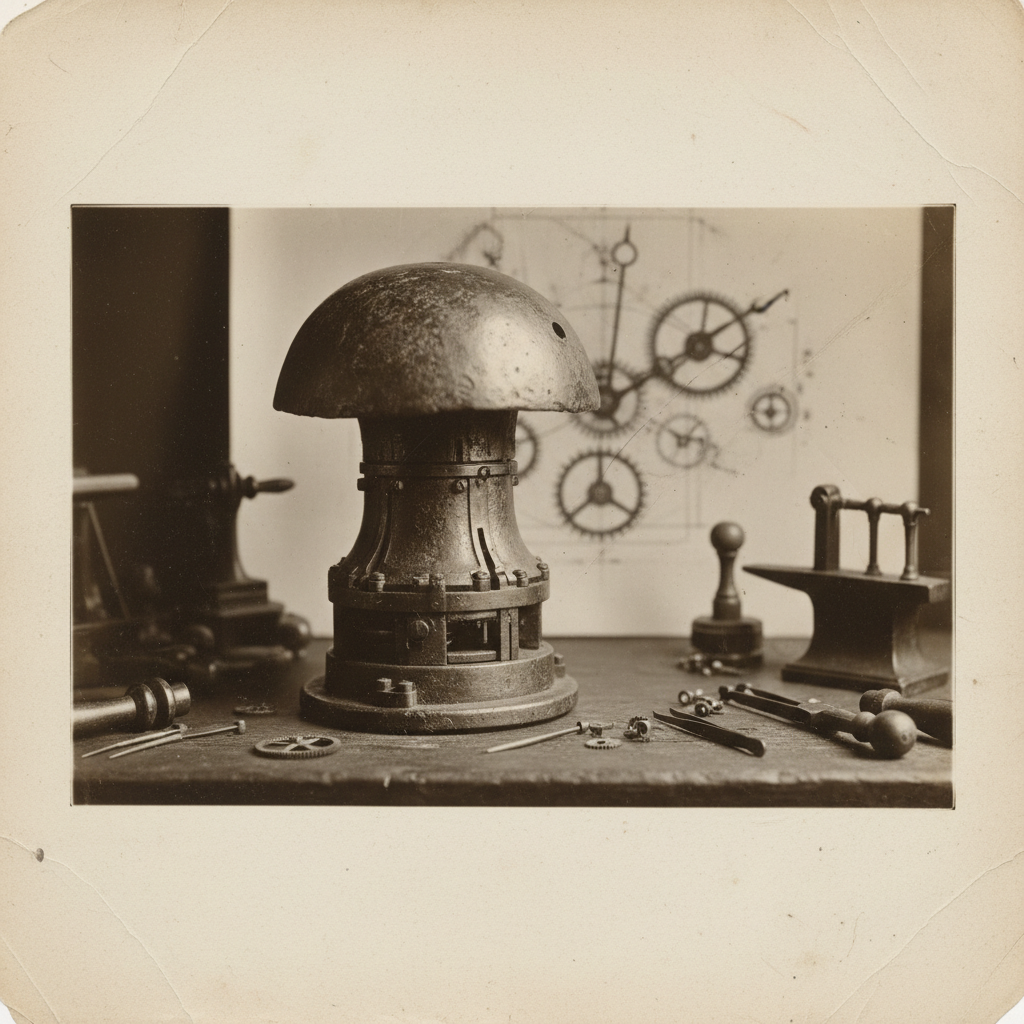
Before the advent of modern shock absorption systems, watchmakers faced the challenge of protecting delicate balance staffs from impacts. Some early pocket watches featured a robust, mushroom-shaped balance staff pivot, affectionately nicknamed the ‘elephant’s foot’ due to its distinctive, wide base. This design, while not a true shock absorber, offered improved resilience compared to thinner pivots, showcasing an early ingenuity in protecting the heart of the watch.
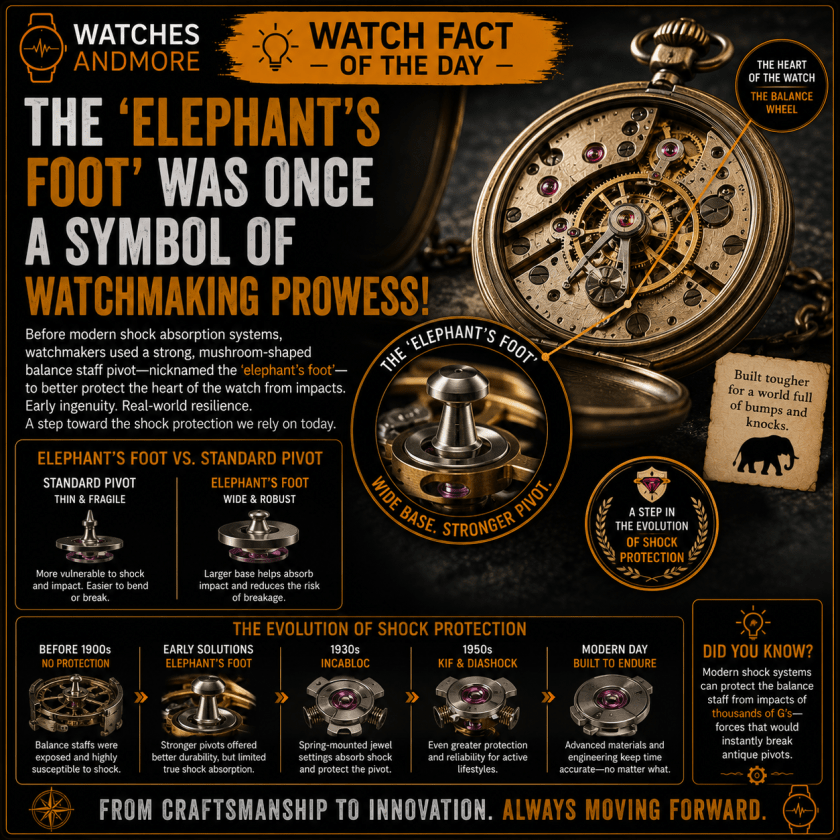
In the days before wristwatches became common, pocket watches were expected to survive the bumps and knocks of everyday life. One of the most vulnerable components inside any mechanical movement was the balance staff pivot—a tiny, highly polished axle that allowed the balance wheel to oscillate freely. A hard impact could easily snap this fragile pivot, rendering the watch useless until repaired. To combat this weakness, some watchmakers experimented with larger, reinforced pivot designs, including the distinctive “elephant’s foot,” which distributed stress over a broader area and reduced the likelihood of breakage.
Although the elephant’s foot design represented an important step forward, it was ultimately only a partial solution. The real breakthrough came in the 20th century with the introduction of dedicated shock protection systems such as Incabloc, KIF, and later Diashock. These ingenious spring-mounted jewel settings allowed the balance staff to move slightly during an impact before returning to its precise position, dramatically improving durability while maintaining excellent timekeeping accuracy. Today, nearly every quality mechanical watch benefits from some form of shock protection descended from these pioneering innovations.
The elephant’s foot is a fascinating reminder of the relentless creativity of early watchmakers. Long before sophisticated engineering and computer-aided design, craftsmen relied on careful observation, experimentation, and clever mechanical solutions to solve real-world problems. While few collectors will ever see one inside an antique pocket watch, it remains an important milestone in the ongoing quest to build more reliable and resilient timepieces.
💡 Did You Know?
A modern Incabloc shock protection system can allow a balance staff to survive impacts of thousands of times the force of gravity (G)—something that would have instantly broken the delicate pivots found in many 19th-century watches. It’s one of the reasons a modern mechanical watch is far more robust than its antique predecessors, despite using the same fundamental principles of timekeeping.
Category: Watch History
Disclaimer: Every effort has been made to keep these watch facts accurate, but the world of horology is full of myths, disputed stories, and fascinating trivia. Consider these facts a starting point for discovery rather than the final word. If you have corrections or additional insights, let us know—we’re always happy to keep the record ticking in the right direction.
🕐 Discover more watch facts, reviews, and buying guides at WatchesAndMore
🛍️ You Might Also Like
As an Amazon Associate and affiliate partner, WatchesAndMore earns from qualifying purchases.
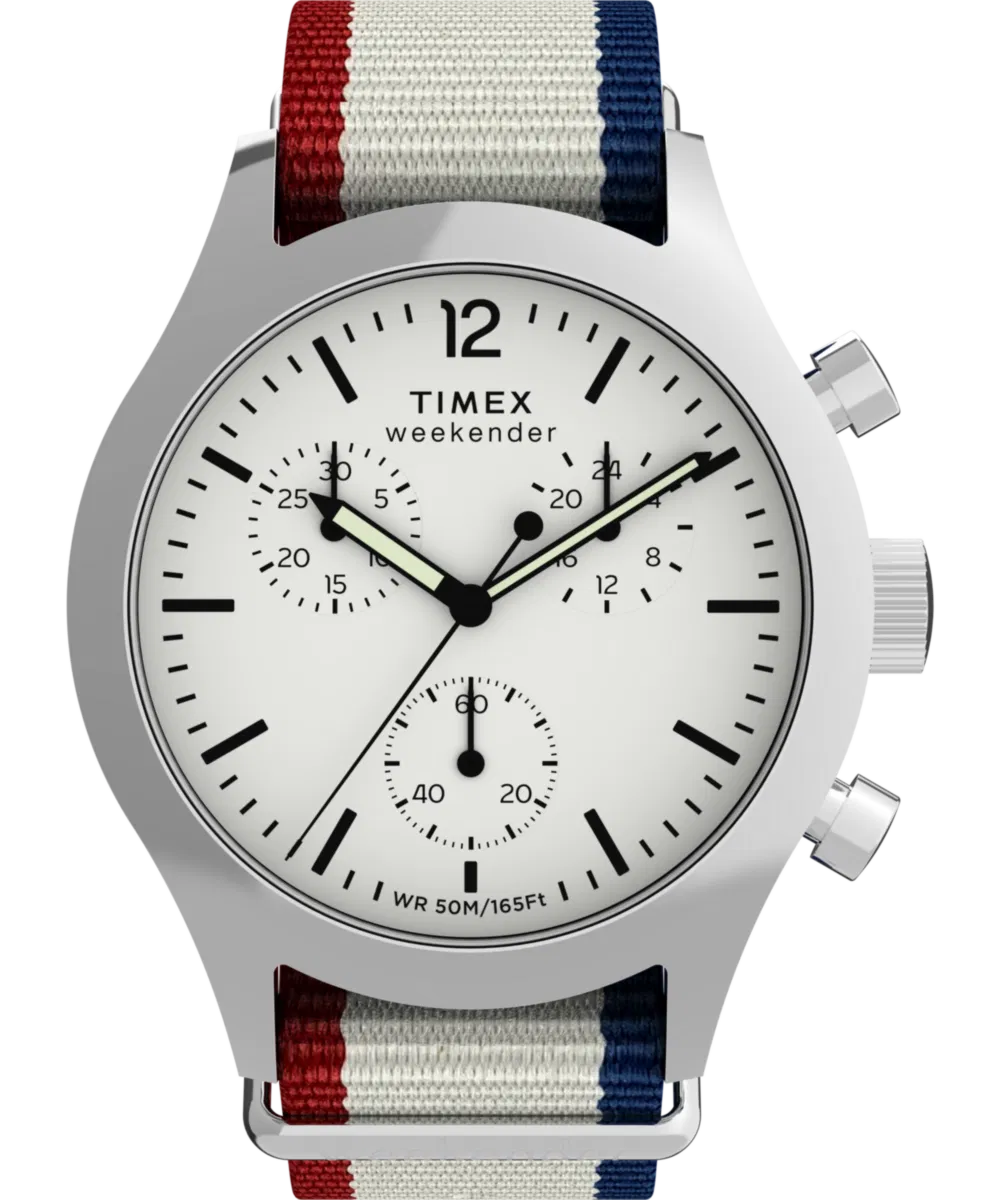
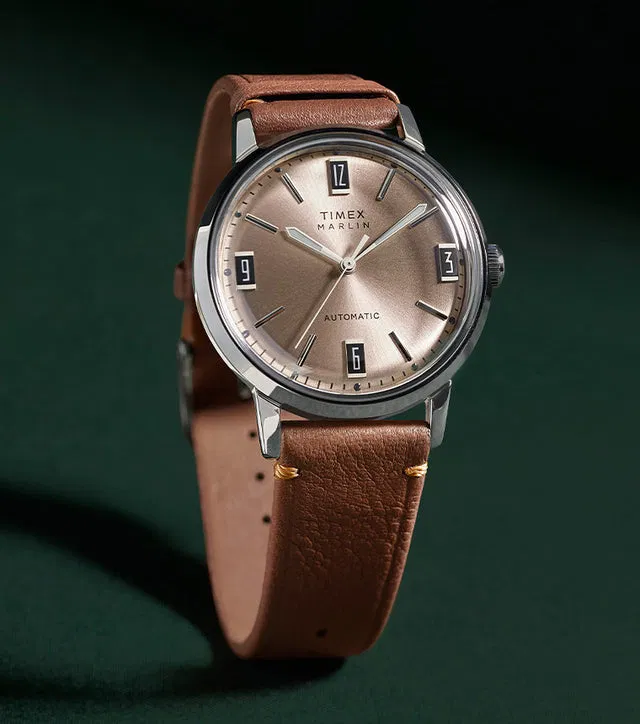
Timex
★★★★★ 4.5 (3,041 reviews)
$79

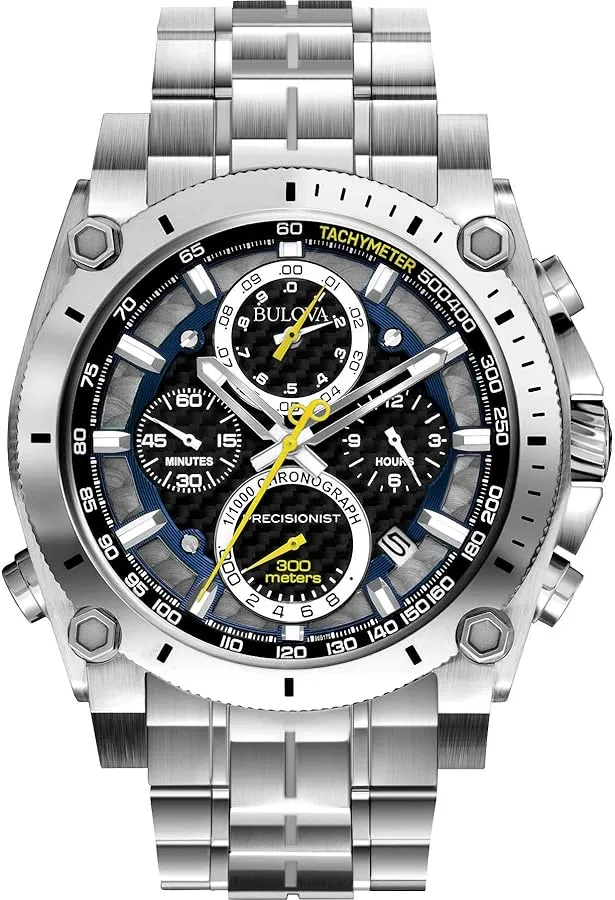
Browse all 142+ expert-reviewed watches →
☕ Help Support WatchesAndMore
If you enjoyed this article and would like to help support WatchesAndMore, consider visiting my Etsy Shop or browsing my designs on Redbubble. Every purchase helps support the continued creation of watch reviews, historical articles, buying guides, videos, and all the free content you enjoy here on the website and on YouTube.
Your support allows me to spend more time researching fascinating stories from the world of horology, testing new watches, and producing high-quality content for collectors and enthusiasts around the globe. Whether you’re looking for unique watch-themed merchandise or simply want to support the channel, every order is genuinely appreciated. Thank you for being part of the WatchesAndMore community—your support helps keep the passion for watches alive! ⌚🍻




 WatchesAndMoreCO