
📅 Thursday, August 6, 2026
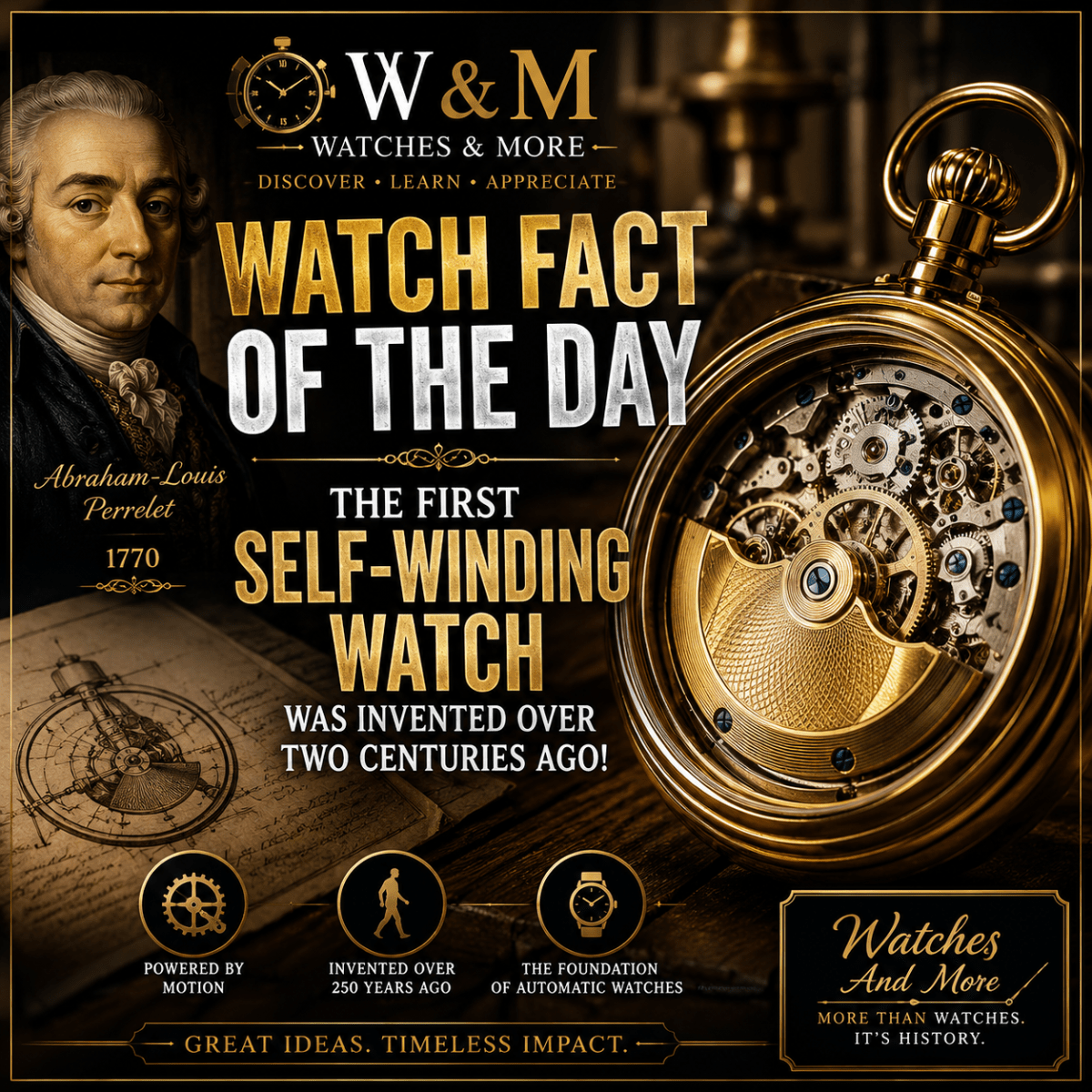
While often associated with modern luxury, the concept of a self-winding watch dates back to the 18th century. Abraham-Louis Perrelet, a Swiss watchmaker, is credited with inventing the first self-winding mechanism for pocket watches around 1770, long before wristwatches became common. His innovative design utilized an oscillating weight that moved with the wearer’s body, winding the mainspring and eliminating the need for manual winding.
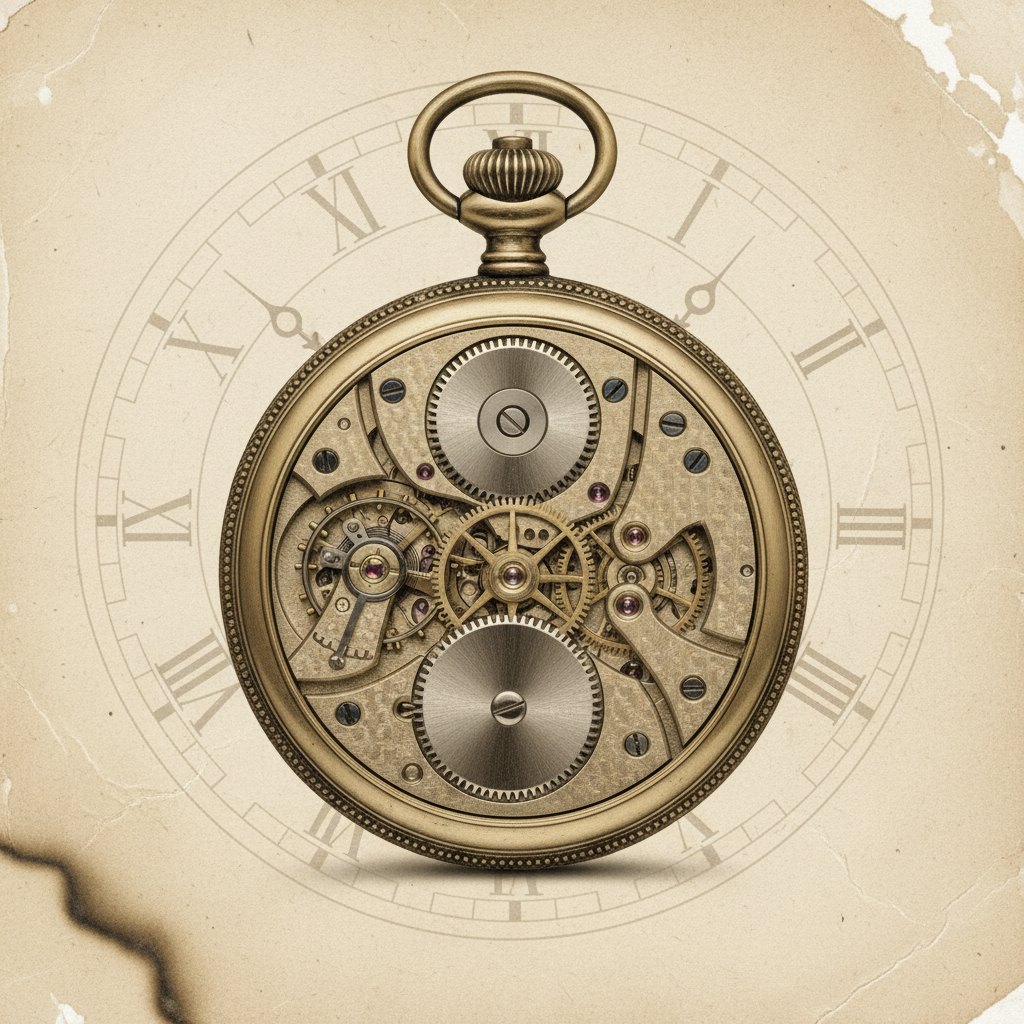
Perrelet’s design featured an oscillating weight that moved as the wearer walked, transferring energy through a sophisticated system of gears to keep the mainspring wound. Although primitive by today’s standards, it represented a revolutionary leap in horological engineering. At a time when every mechanical watch required regular winding by hand, the idea of a watch that could “power itself” seemed almost magical.
Despite its brilliance, Perrelet’s invention did not immediately transform the watch industry. Pocket watches typically remained stationary in a waistcoat pocket for much of the day, limiting the movement available to drive the winding mechanism. As a result, early self-winding designs saw only limited adoption. The concept would later be refined by celebrated watchmakers such as Abraham-Louis Breguet, who improved the mechanism and introduced his own automatic “Perpétuelle” watches in the late 18th century.

The true breakthrough finally arrived in the 20th century with the rise of the wristwatch. Because a watch worn on the wrist is constantly in motion, automatic winding became far more practical and efficient. Innovations such as the full-rotor automatic system, pioneered by John Harwood in the 1920s and later perfected by manufacturers like Rolex, transformed Perrelet’s original concept into the automatic movements we know today.
Today, nearly every luxury mechanical watch brand offers automatic models, yet every oscillating rotor owes its existence to an idea conceived more than 250 years ago. Each gentle swing of a modern rotor is a tribute to Abraham-Louis Perrelet’s remarkable vision and one of the most influential inventions in the history of watchmaking.
💡 Did You Know?
Modern automatic watch rotors can rotate 360 degrees in both directions, harvesting energy from even the smallest wrist movements. Some of today’s most advanced winding systems are so efficient that just a few hours of normal daily wear can keep a watch running for several days without ever touching the crown.
Category: Watch History
Disclaimer: Every effort has been made to keep these watch facts accurate, but the world of horology is full of myths, disputed stories, and fascinating trivia. Consider these facts a starting point for discovery rather than the final word. If you have corrections or additional insights, let us know—we’re always happy to keep the record ticking in the right direction.
🕐 Discover more watch facts, reviews, and buying guides at WatchesAndMore
🛍️ You Might Also Like
As an Amazon Associate and affiliate partner, WatchesAndMore earns from qualifying purchases.
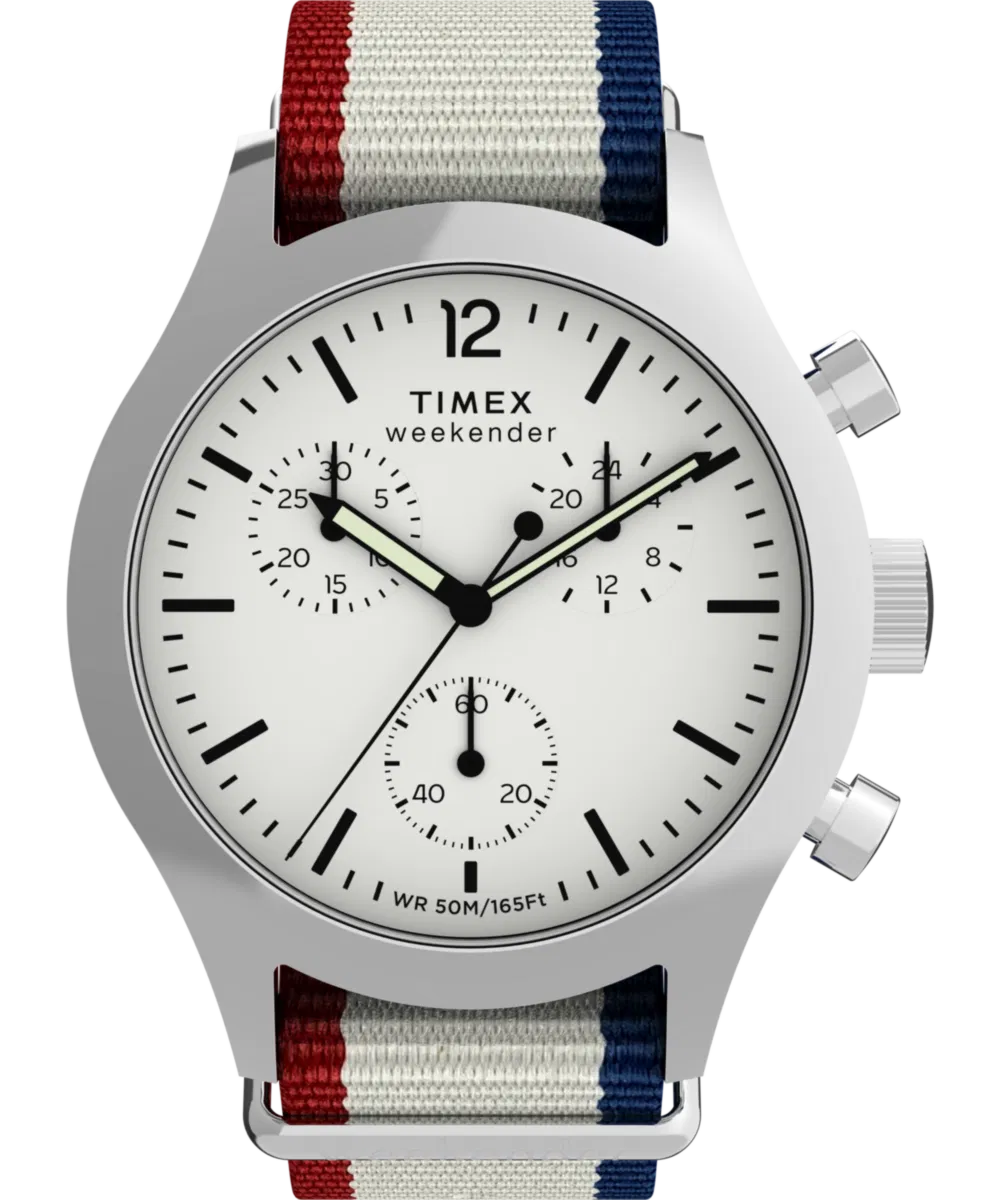
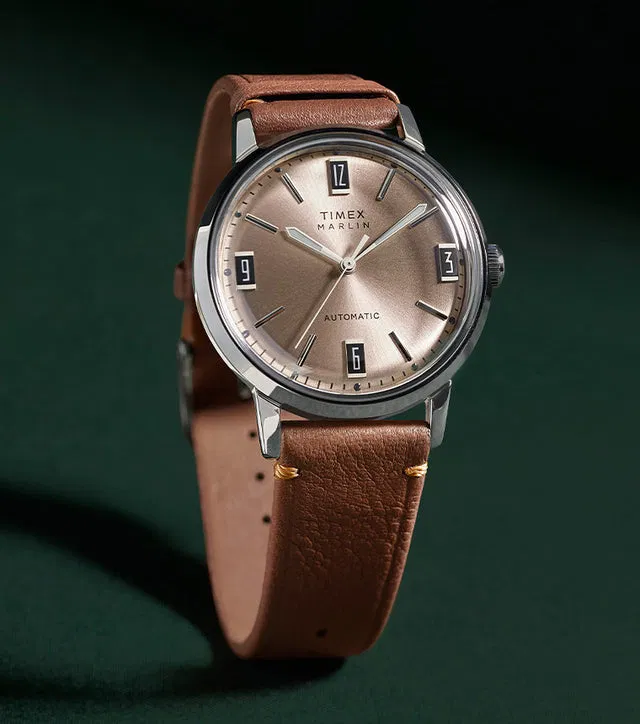
Timex
★★★★★ 4.5 (3,041 reviews)
$79

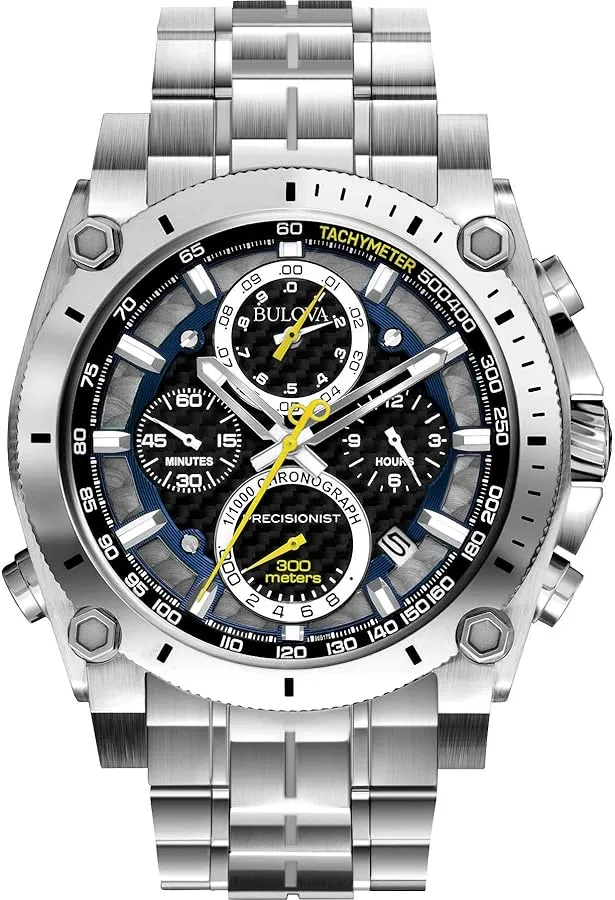
Browse all 142+ expert-reviewed watches →