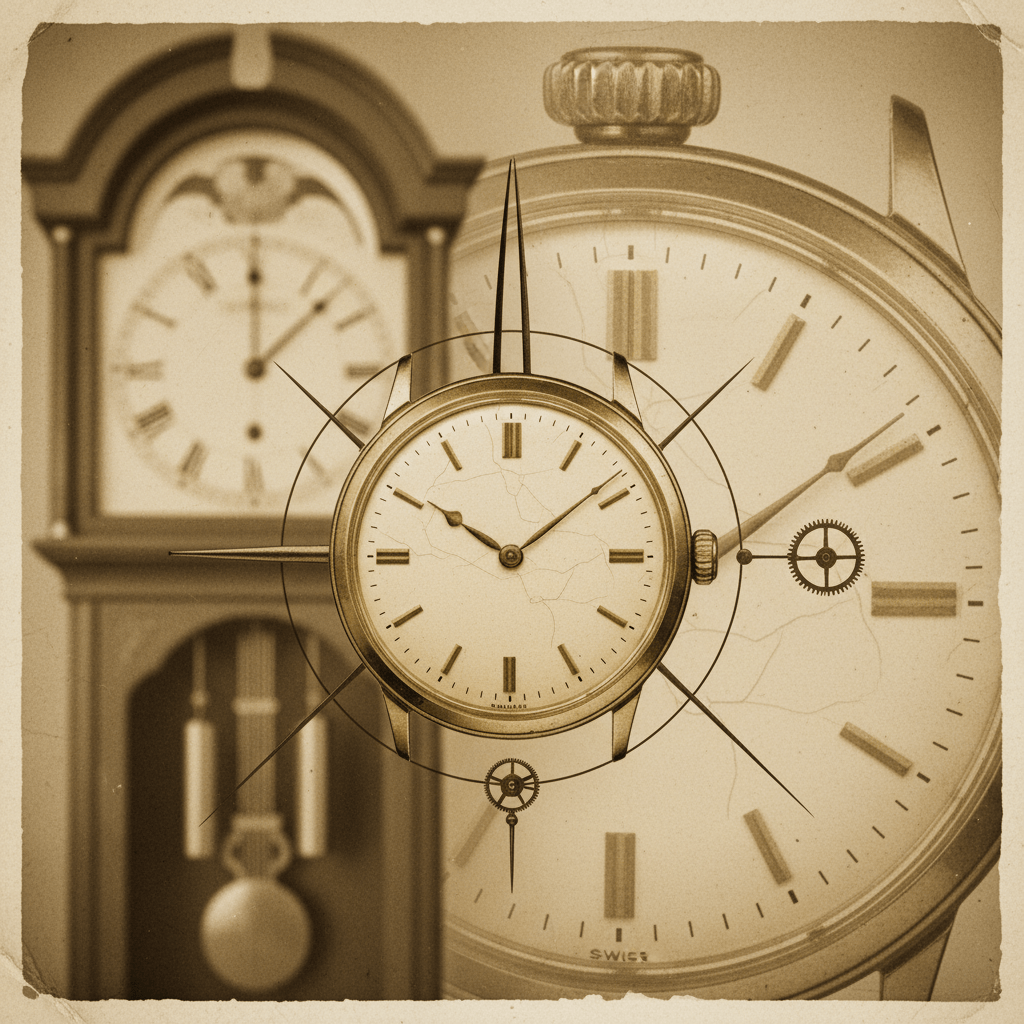
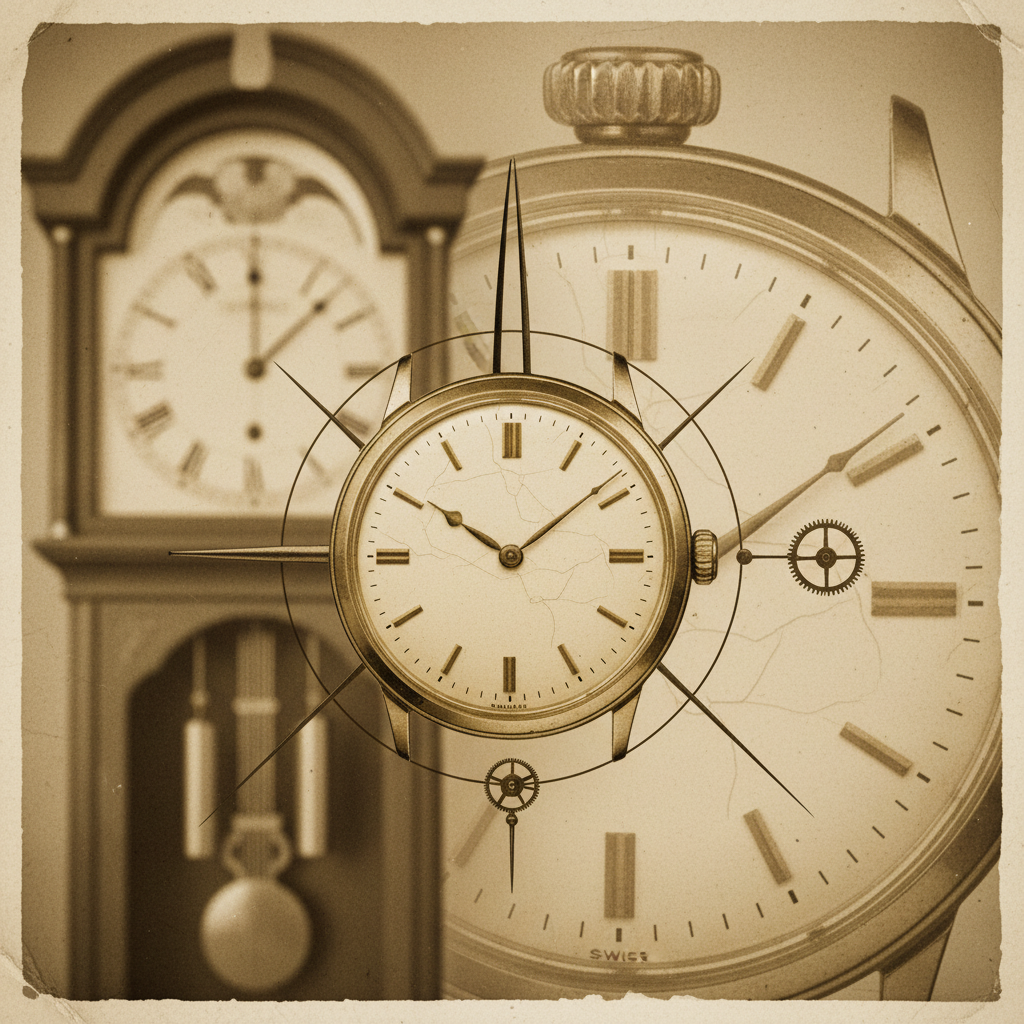
Once upon a time, those tiny inscriptions on watch dials were like secret codes for horology aficionados—before Swiss regulations put a foot down. A tiny ‘SWISS’ or ‘SWISS A.T.’ was a cheeky way for watchmakers to hint, “Hey, this movement’s legit, even if the casing had a little globetrotting adventure!” Fast forward a few decades, and collectors are scouring the 6 o’clock spot for clues like detectives on a caffeine high. Who knew a few measly letters could be the difference between vintage treasure and knock-off trash? In a world obsessed with precision, even watchmakers understand that good things come in small (and sometimes almost invisible) packages!
📅 Tuesday, July 14, 2026
Before the ‘Swiss Made’ regulation became standardized, some watchmakers discreetly marked their dials with a tiny ‘SWISS’ or ‘SWISS A.T.’ (for ‘Swiss Ancien Temps’ or ‘Old Swiss’) near the 6 o’clock position. This was often done to indicate that the movement was indeed Swiss, even if the watch was cased or assembled elsewhere, a subtle nod to its origin before stricter labeling laws took hold.
That tiny inscription eventually became one of the most recognizable details in luxury watchmaking. As the reputation of Swiss craftsmanship grew throughout the 20th century, the word “Swiss” evolved from a simple country-of-origin marking into a symbol of precision, reliability, and quality. Collectors today often inspect the small text beneath the 6 o’clock marker because it can reveal valuable clues about a watch’s age, authenticity, and production era.
Over the decades, the markings themselves changed to reflect new materials and evolving regulations. Vintage watches may feature inscriptions such as “T SWISS T” or “SWISS T < 25,” indicating the use of tritium lume, while modern watches typically display “SWISS MADE” after stricter legal standards were introduced. These tiny details help collectors identify whether a dial is original, replaced, or refinished—making a few millimeters of text surprisingly important in the world of horology.
Today, that nearly invisible word at the bottom of the dial represents more than geography. It reflects generations of Swiss innovation, craftsmanship, and watchmaking tradition. For enthusiasts, reading the tiny inscription at 6 o’clock is often the first step in uncovering a watch’s story, proving that some of the most important details in horology are also the easiest to overlook.
Category: Watch History
Disclaimer: Every effort has been made to keep these watch facts accurate, but the world of horology is full of myths, disputed stories, and fascinating trivia. Consider these facts a starting point for discovery rather than the final word. If you have corrections or additional insights, let us know—we’re always happy to keep the record ticking in the right direction.
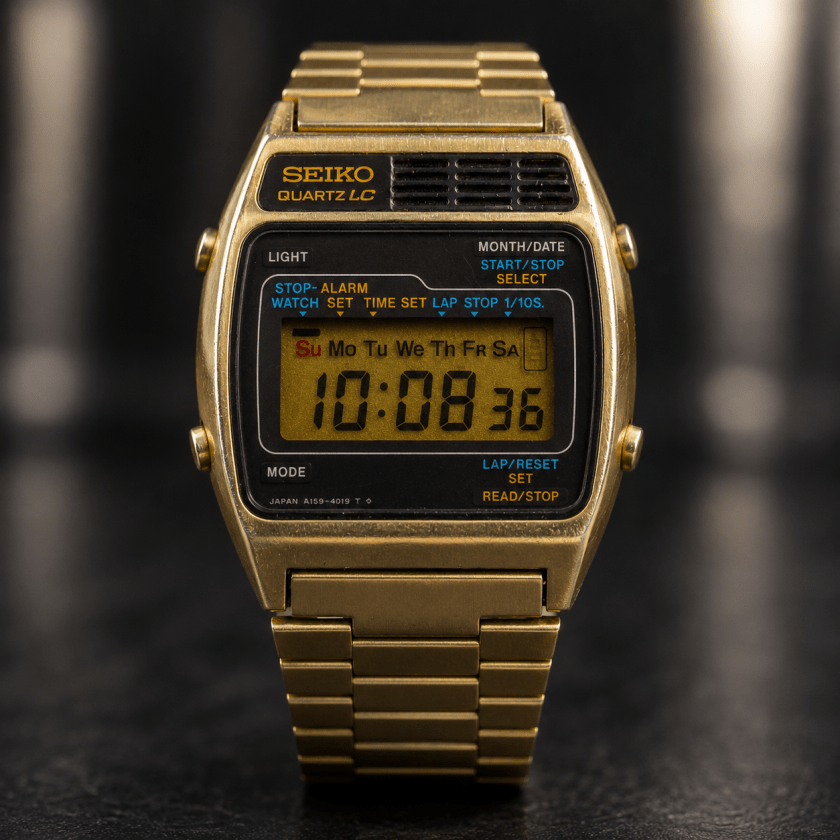
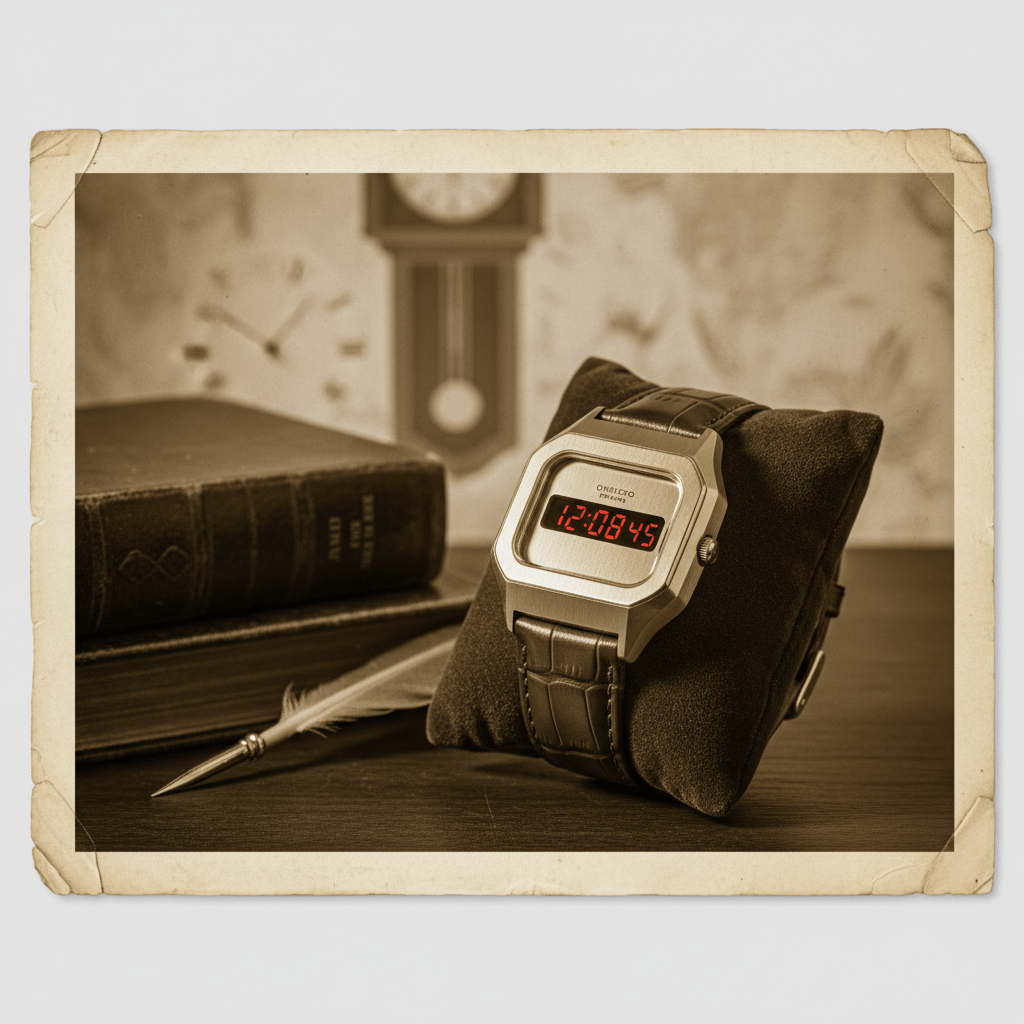
Could a simple digital watch help save a life? Discover the incredible true story of Secret Service Agent Timothy McCarthy’s Seiko A159-4019, the vintage LCD watch caught in the line of fire during the 1981 assassination attempt on President Ronald Reagan. A fascinating piece of horological history that became a symbol of courage and heroism.
The Watch That Saved a President’s Life
📅 Sunday, July 12, 2026
In 1981, during an assassination attempt on President Ronald Reagan, Secret Service agent Timothy McCarthy took a bullet to the chest. The bullet was significantly slowed and deflected by his Seiko watch, preventing a potentially fatal injury to his heart. The watch, a Seiko A159-4019 digital LCD, became an iconic symbol of his bravery and the unexpected protective power of a timepiece.
Seiko A159-4019
On March 30, 1981, Agent McCarthy instinctively stepped between President Reagan and would-be assassin John Hinckley Jr., using his own body as a shield. A .22 caliber bullet struck him in the chest, passing through his left lung before stopping short of his heart. The impact shattered his Seiko digital watch, which absorbed part of the bullet’s energy and became a remarkable piece of Secret Service history. While the watch alone didn’t “save” his life, it undoubtedly played a role in reducing the bullet’s force before it entered his body.
McCarthy made a full recovery and was later awarded the NCAA Award of Valor and the United States Secret Service Valor Award for his extraordinary courage. His damaged Seiko A159-4019 was preserved as a reminder of that dramatic day and has become one of the most famous watches associated with a real-life act of heroism. Unlike watches celebrated for their luxury or technical achievements, this humble digital Seiko earned its place in history through circumstances no engineer could have imagined.
The story also highlights why vintage digital Seikos continue to fascinate collectors. During the late 1970s and early 1980s, Seiko was pioneering LCD technology, producing watches that were rugged, reliable, and packed with cutting-edge features. The A159-4019 wasn’t designed to stop bullets—it was designed to tell time accurately. Yet on one unforgettable afternoon in Washington, D.C., it became part of one of the most extraordinary stories ever connected to a wristwatch, proving that sometimes history chooses the most unlikely objects to become legends.
Disclaimer: Every effort has been made to keep these watch facts accurate, but the world of horology is full of myths, disputed stories, and fascinating trivia. Consider these facts a starting point for discovery rather than the final word. If you have corrections or additional insights, let us know—we’re always happy to keep the record ticking in the right direction.
🛍️ You Might Also Like
As an Amazon Associate and affiliate partner, WatchesAndMore earns from qualifying purchases.
In the magical world of high-end watches, some clever watchmakers sneak in tiny, hand-engraved signatures—like little “Hello, I made this!” notes hidden on the tiniest bridges and plates! These marks are so discreet that they require a microscope to find, much like that snack you’re certain you finished but is mysteriously still lingering in your pantry. Unlike the robots churning out everything else, luxury watches are lovingly crafted by skilled artisans who treat each piece like their own child. So, next time you slip on your shiny timepiece, remember: it’s not just telling time; it’s secretly patting itself on the back!
📅 Saturday, July 11, 2026
Many high-end mechanical movements feature an incredibly tiny, hand-engraved signature or mark from the watchmaker who assembled or regulated it. These ‘secret’ marks are often hidden on a bridge or plate, visible only under high magnification, serving as a personal stamp of craftsmanship and pride that few owners ever discover.
This tradition reflects the deeply personal nature of fine watchmaking. Unlike mass-produced products assembled entirely by machines, many luxury mechanical watches still pass through the hands of skilled artisans who spend hours—or even days—assembling, regulating, and finishing a single movement. A discreet signature, hallmark, or engraved initial is a quiet acknowledgment of the craftsperson behind the masterpiece, even if it remains unseen by the watch’s owner for decades.
Not every luxury watch includes an individual watchmaker’s signature, and the practice varies from brand to brand. Independent watchmakers and prestigious maisons such as Philippe Dufour, Kari Voutilainen, and Greubel Forsey are especially known for celebrating hand craftsmanship, with movements featuring elaborate hand-finishing and, in some cases, personal engravings or signatures. These subtle details remind collectors that every exceptional timepiece is the product of human skill as much as mechanical precision.
For many enthusiasts, discovering one of these hidden marks is like uncovering an artist’s signature on the back of a painting. It creates a personal connection between the owner and the person who painstakingly assembled the movement. In an age of automation, these tiny engravings serve as a powerful reminder that some of the world’s finest watches are still built by hand—one component, one adjustment, and sometimes one nearly invisible signature at a time.
Category: Fun Quirk
Disclaimer: Every effort has been made to keep these watch facts accurate, but the world of horology is full of myths, disputed stories, and fascinating trivia. Consider these facts a starting point for discovery rather than the final word. If you have corrections or additional insights, let us know—we’re always happy to keep the record ticking in the right direction.
Affiliate Disclosure: WatchesAndMore (watchesandmore.org) is a participant in the Amazon Services LLC Associates Program, an affiliate advertising program designed to provide a means for sites to earn advertising fees by advertising and linking to Amazon.com and Amazon.ca. As an Amazon Associate, we earn from qualifying purchases at no additional cost to you.
In the glamorous world of horology, quartz watches originally cost more than a small car—thanks, Seiko Astron 35SQ, for making our wallets weep on Christmas 1969! These shiny marvels relied on a quartz crystal flickering like it just chugged a double espresso, boasting accuracy that made mechanical counterparts look like they were timing slow-motion races. Fast forward to the ’70s, and voila! What was once an elite luxury turned into a bargain bin favorite, thanks to mass production. The Quartz Crisis had Swiss watchmakers sweating bullets while quartz watches became the everyday go-to. Who knew precision could be so affordable?
📅 Friday, July 10, 2026
Before the ‘Quartz Crisis’ made them ubiquitous and affordable, early quartz watches were incredibly expensive, often costing more than their mechanical counterparts. The first commercially available quartz wristwatch, the Seiko Astron 35SQ, launched on Christmas Day 1969, retailed for 450,000 Yen, which was equivalent to a medium-sized car at the time. This high price reflected the immense research and development costs, as well as the cutting-edge technology involved.
When the Astron debuted, owning a quartz watch was a symbol of technological prestige rather than affordability. The movement relied on a tiny quartz crystal vibrating at an astonishing 8,192 times per second, providing a level of accuracy that mechanical watches simply couldn’t match. At a time when most mechanical watches gained or lost several seconds each day, the Astron promised accuracy measured in seconds per month—a breakthrough that seemed almost unbelievable in 1969.
As manufacturing techniques improved throughout the 1970s, production costs fell dramatically. What began as an exclusive luxury innovation quickly became accessible to everyday consumers. Japanese manufacturers, led by Seiko, Citizen, and Casio, perfected mass production, allowing quartz watches to be sold for a fraction of their original cost. This shift forever changed the watch industry, triggering what became known as the Quartz Crisis, a period during which many traditional Swiss mechanical watchmakers struggled to survive as consumers embraced the affordability and accuracy of quartz technology.
Today, it’s easy to think of quartz watches as the budget option, but history tells a very different story. The first quartz watches represented the cutting edge of engineering and were among the most desirable timepieces money could buy. Their success didn’t diminish mechanical watchmaking—it forced the industry to reinvent itself, ultimately leading to the appreciation of craftsmanship, heritage, and artistry that defines today’s luxury mechanical watches. Sometimes, the technologies we take for granted began life as the world’s most exclusive innovations.
Category: Watch History
Disclaimer: Every effort has been made to keep these watch facts accurate, but the world of horology is full of myths, disputed stories, and fascinating trivia. Consider these facts a starting point for discovery rather than the final word. If you have corrections or additional insights, let us know—we’re always happy to keep the record ticking in the right direction.
The ‘dead beat seconds’ complication is like a watch’s way of pulling a fast one, making every tick sound like it belongs on a quartz model while remaining as mechanical as your uncle’s old car. This tricky feature, which dates back to the 18th century, jumps once per second with precision craftsmanship that leaves watch enthusiasts drooling. Meanwhile, the average Joe might just think, “Oh look, another boring quartz watch!” The beauty lies in its deceptive charm—showing that in horology, not all that ticks is quartz. So, next time you see one of these beauties, remember: appearances can be hilariously misleading!
📅 Thursday, July 9, 2026
A ‘dead beat seconds’ or ‘seconde morte’ complication, often mistaken for a quartz movement due to its ticking second hand, is actually a highly complex mechanical feature. Unlike a typical sweeping mechanical second hand, it precisely jumps once per second, requiring intricate additional gearing to achieve this precise, discrete motion, showcasing advanced horological craftsmanship.
To most people, a ticking second hand is a telltale sign of a quartz watch. That’s what makes the dead beat seconds complication so fascinating—it deliberately mimics that familiar one-second “tick” using nothing more than springs, gears, and a mechanical escapement. Hidden beneath the dial is an ingenious mechanism that stores and releases energy once every second, creating the illusion of an electronic movement while remaining entirely mechanical.
The complication has roots dating back to the 18th century, when precision scientific instruments and observatory clocks required easier-to-read seconds for astronomical observations and timing experiments. By displaying the seconds in distinct one-second intervals rather than a continuous sweep, watchmakers made it simpler to measure elapsed time with greater precision. Today, dead beat seconds remains one of horology’s most uncommon complications, admired by collectors for both its technical difficulty and its understated elegance.
Ironically, a watch enthusiast may become excited to see a second hand ticking once per second, while someone unfamiliar with watches might assume it’s “just another quartz watch.” That contrast is part of the complication’s charm. It quietly demonstrates the ingenuity of mechanical watchmaking, proving that sometimes the most impressive complications are the ones that don’t immediately draw attention to themselves. In the world of horology, appearances can be wonderfully deceptive.
Category: Fun Quirk
Disclaimer: Every effort has been made to keep these watch facts accurate, but the world of horology is full of myths, disputed stories, and fascinating trivia. Consider these facts a starting point for discovery rather than the final word. If you have corrections or additional insights, let us know—we’re always happy to keep the record ticking in the right direction.
Affiliate Disclosure: WatchesAndMore (watchesandmore.org) is a participant in the Amazon Services LLC Associates Program, an affiliate advertising program designed to provide a means for sites to earn advertising fees by advertising and linking to Amazon.com and Amazon.ca. As an Amazon Associate, we earn from qualifying purchases at no additional cost to you.
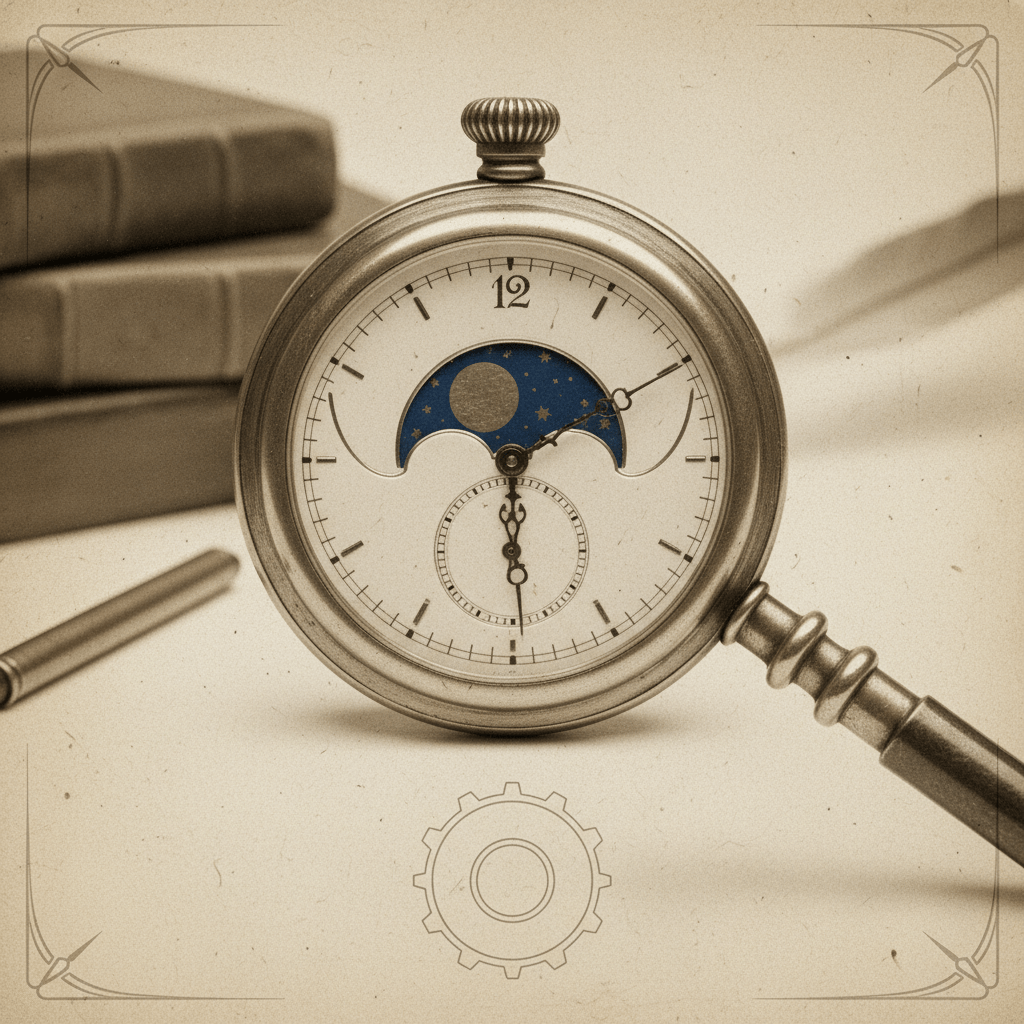
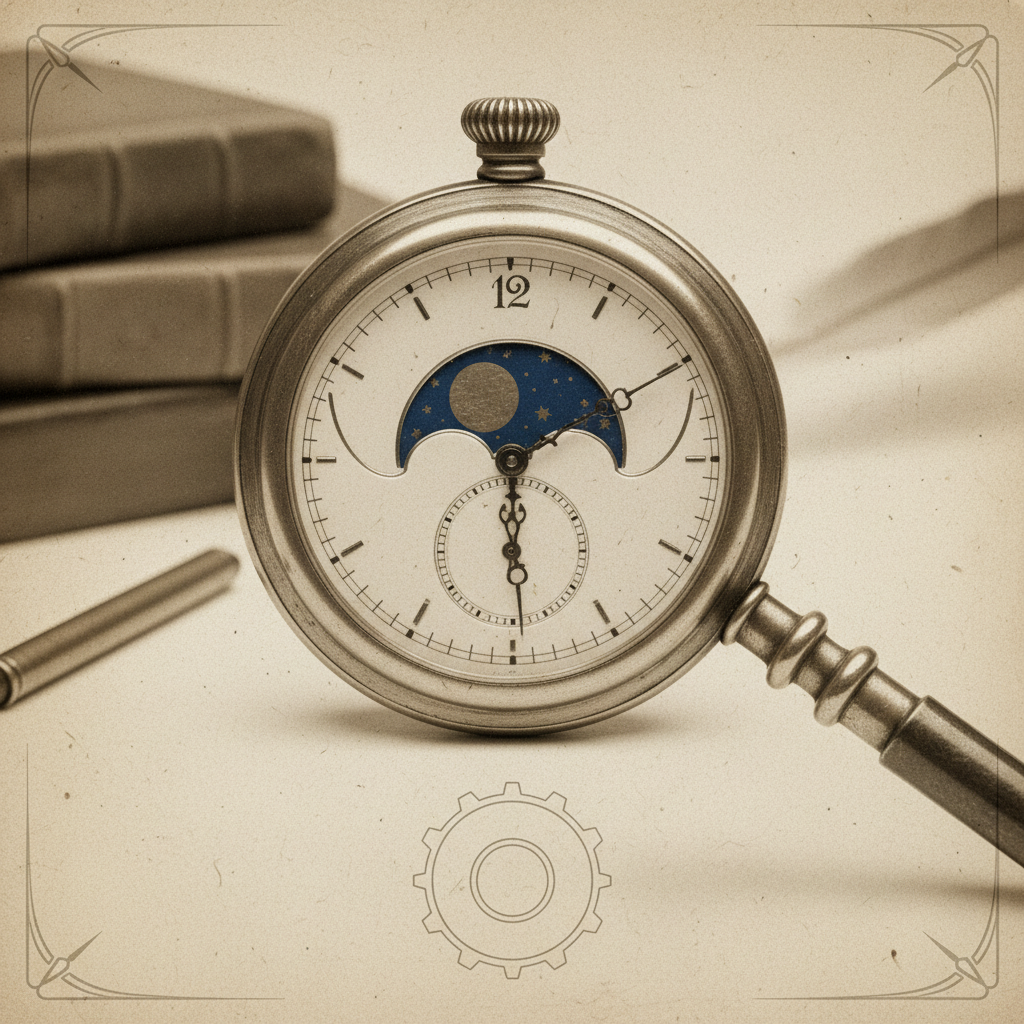
In the world of watches, the moon phase complication is like a fancy hat – it started as a necessity but became a stylish trend. Originally, clockmakers used a rotating lunar disc to cover up design flaws, turning their blunders into a celestial display. As time ticked on, watchmakers realized this moon trick could help farmers figure out when to plant crops and sailors avoid sailing into a moonless mess. These days, moon phases aren’t just about practicality; they’re romantic little reminders that your wrist can be both a timepiece and a dreamy connection to the cosmos. Who knew horology could be so poetic?
📅 Monday, July 6, 2026
The moon phase complication, now a beloved and intricate feature on many high-end watches, originated from a practical necessity. Early clockmakers used a rotating disc for the moon to hide imperfections or gaps in the dial’s construction, effectively turning a design challenge into an aesthetic and functional display of celestial motion. This ‘fix’ evolved into one of horology’s most poetic complications.
As clockmaking techniques improved during the 17th and 18th centuries, the moon phase display evolved far beyond its practical origins. Watchmakers realized that a rotating lunar disc could do more than simply conceal part of the mechanism—it could also help farmers, sailors, astronomers, and travellers track the changing phases of the Moon. Long before smartphones and weather apps, knowing the lunar cycle was genuinely useful for navigation, agriculture, and even planning fishing expeditions.
Traditional moon phase watches are surprisingly precise. Most use a 59-tooth gear, allowing two complete lunar cycles to be displayed over 59 days. Since the Moon actually takes 29.53 days to complete one cycle, this simple mechanism is remarkably accurate, requiring only a minor adjustment every two and a half years. More advanced modern moon phase movements can remain accurate for decades—or even centuries—before needing correction.
Today, the moon phase complication is cherished less for its practicality and more for the emotion it brings to a watch. It’s a reminder that mechanical watches are miniature works of art as much as they are instruments for telling time. With every passing day, the tiny moon slowly travels across the dial, connecting the wearer to a celestial rhythm that has guided humanity for thousands of years. Few complications capture the romance of traditional watchmaking quite like a beautifully executed moon phase display.
Disclaimer: Every effort has been made to keep these watch facts accurate, but the world of horology is full of myths, disputed stories, and fascinating trivia. Consider these facts a starting point for discovery rather than the final word. If you have corrections or additional insights, let us know—we’re always happy to keep the record ticking in the right direction.
Since the early 2000s, Rolex has secretly etched a tiny laser-engraved coronet (their crown logo) into the sapphire crystal of most of its watches, usually at t
📅 Sunday, July 5, 2026
Since the early 2000s, Rolex has secretly etched a tiny laser-engraved coronet (their crown logo) into the sapphire crystal of most of its watches, usually at the 6 o’clock position. This microscopic detail is almost invisible to the naked eye and serves as a sophisticated anti-counterfeiting measure, making it incredibly difficult for fakes to replicate.
More Watch Facts
The tiny coronet was introduced around 2002 as part of Rolex’s ongoing efforts to combat the growing counterfeit watch market. Unlike hologram stickers or visible serial numbers, the laser-etched crown doesn’t affect the appearance of the watch during normal wear. In most lighting conditions, it’s virtually impossible to see without carefully tilting the crystal or examining it under magnification, which is exactly how Rolex intended it.
While the etched crown is an excellent security feature, it’s important to remember that it should never be used as the sole method of authenticating a Rolex. Modern counterfeiters have become increasingly sophisticated, and some high-quality replicas now attempt to imitate the laser-etched coronet. Professional authentication still relies on examining the movement, serial numbers, case finishing, dial details, and overall build quality alongside the crystal engraving.
Today, the “phantom” crown has become one of those hidden details that Rolex enthusiasts love to point out. It’s a perfect example of the brand’s philosophy—subtle engineering, meticulous craftsmanship, and attention to details that most owners may never even notice. For collectors, discovering the tiny coronet for the first time often feels like uncovering one of Rolex’s best-kept secrets, hidden in plain sight.
Disclaimer: Every effort has been made to keep these watch facts accurate, but the world of horology is full of myths, disputed stories, and fascinating trivia. Consider these facts a starting point for discovery rather than the final word. If you have corrections or additional insights, let us know—we’re always happy to keep the record ticking in the right direction.
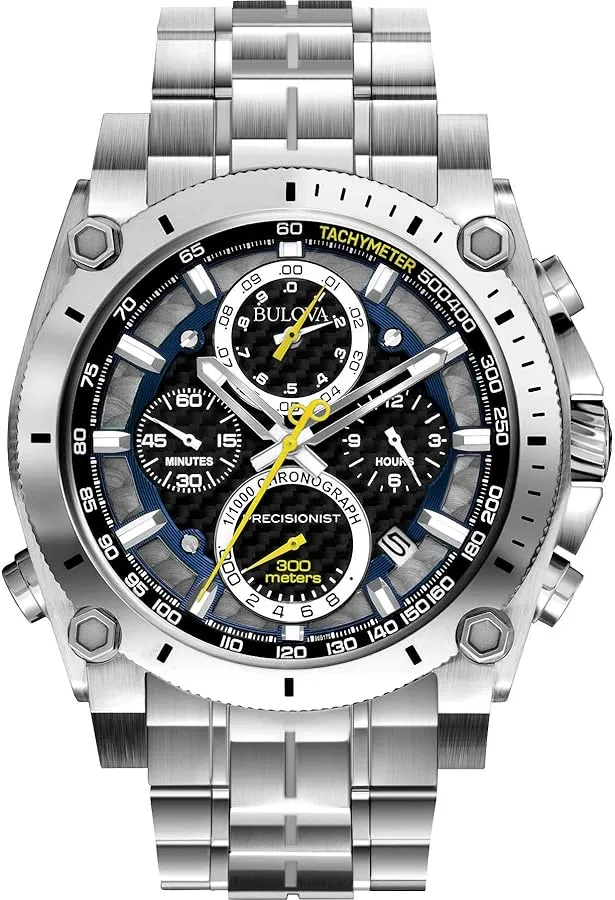
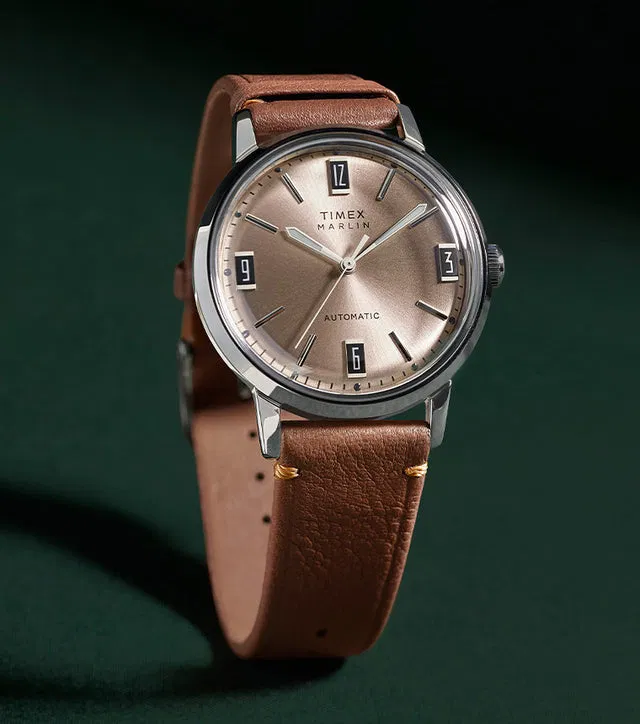
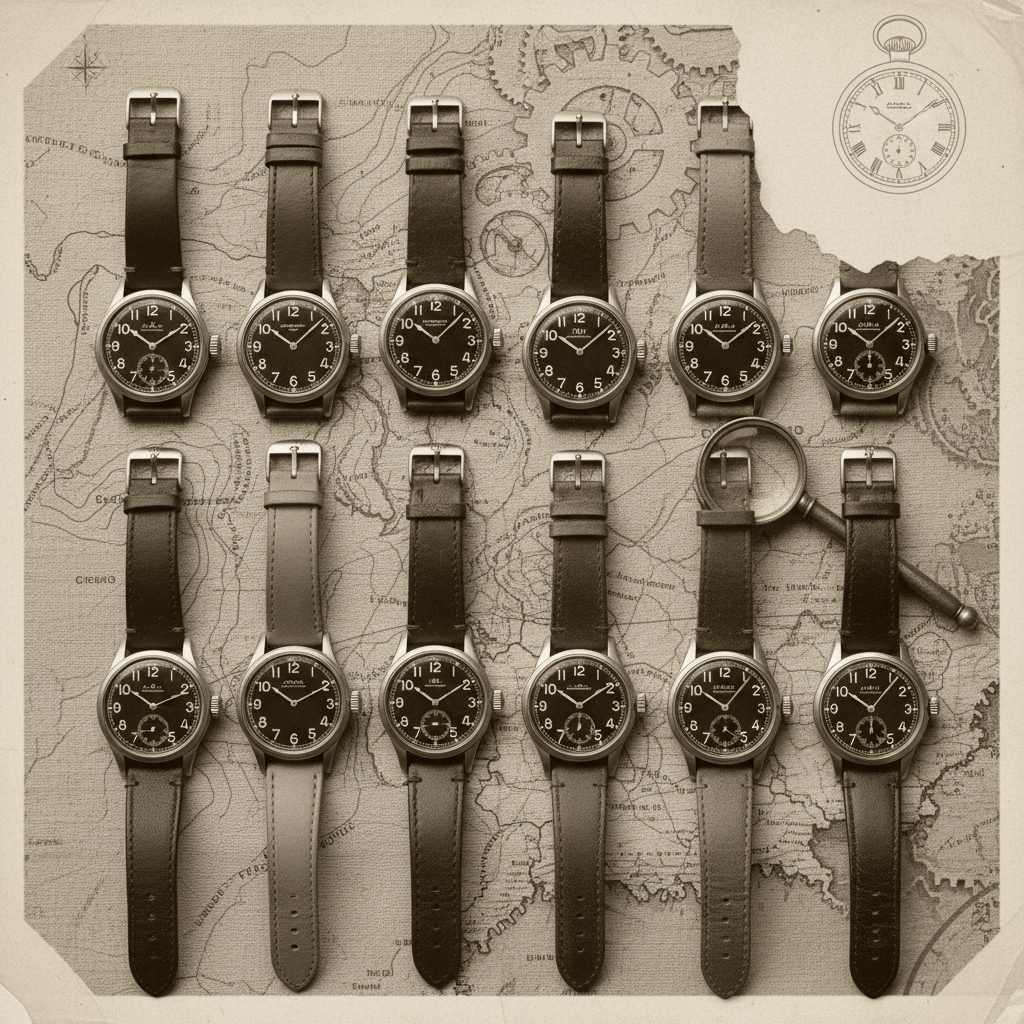
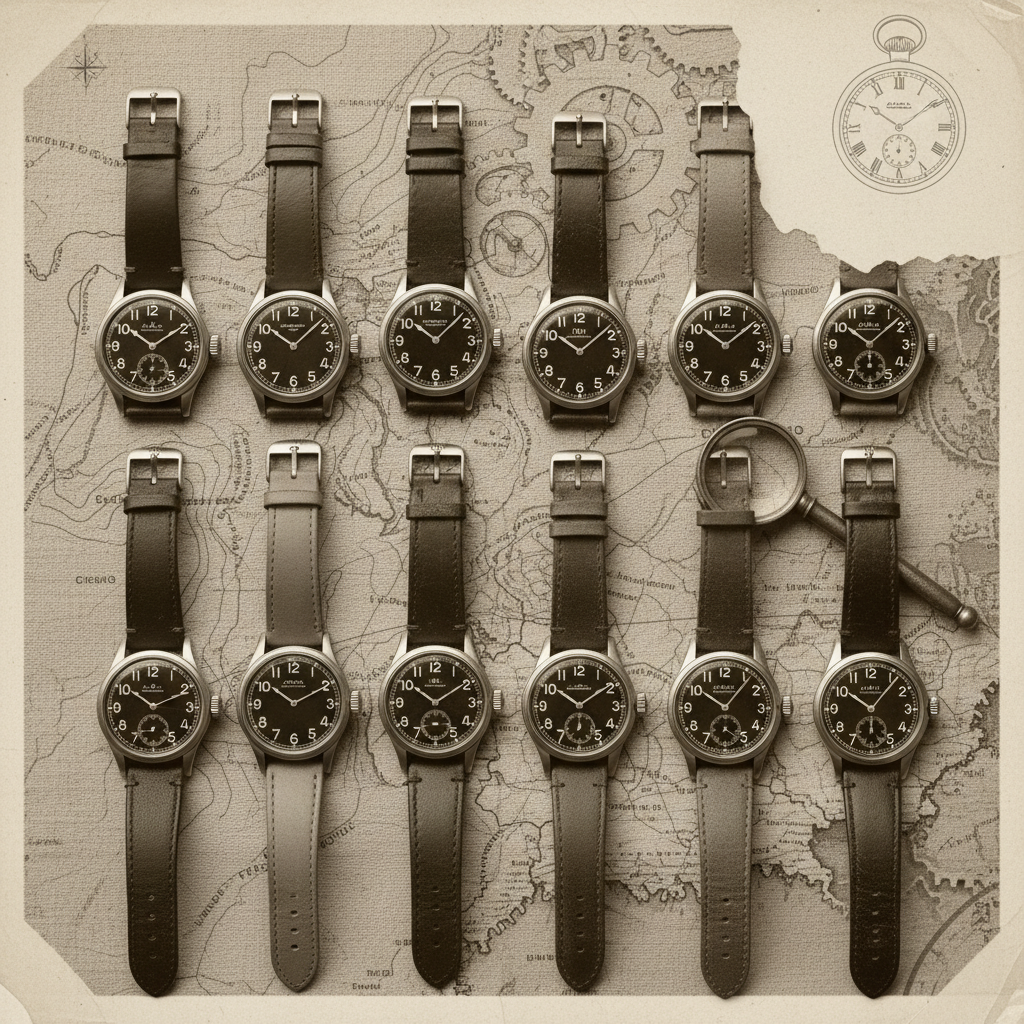
During World War II, the British Ministry of Defence tasked 12 Swiss watch manufacturers with creating durable, precise, and waterproof wristwatches for military personnel. These timepieces, characterized by their black dials, Arabic numerals, luminous hands, and minute markers, became known as the ‘Dirty Dozen.’ Due to their historical importance and practical design, they are now highly valued by collectors. For more information on watches, including facts, reviews, and buying guides, visit WatchesAndMore, which also earns from qualifying purchases as an Amazon Associate. Additionally, featured watches include the Bulova Precisionist and Timex Marlin Automatic.
📅 Thursday, July 2, 2026
During World War II, the British Ministry of Defence commissioned 12 Swiss watch manufacturers to produce robust, accurate, and waterproof wristwatches for their soldiers. These watches, featuring a black dial, Arabic numerals, luminous hands, and a railway track minute marker, became known collectively as the ‘Dirty Dozen’ and are highly sought after by collectors today for their historical significance and utilitarian design.
Watch Fact of the Day: The “Dirty Dozen” – WWII’s Secret Watch Order
When people think of famous military watches, names like the Rolex Submariner or Omega Seamaster often come to mind. But one of the most influential military watch programs in history wasn’t built around a single brand—it was a coordinated effort involving twelve Swiss watch manufacturers working together during World War II.
Known today as the “Dirty Dozen,” these watches have become some of the most collectible military timepieces ever produced.
Britain Needed a Better Military Watch
By the early 1940s, the British Army needed a wristwatch that could withstand the harsh realities of combat.
Soldiers required watches that were:
Highly accurate
Easy to read in low light
Resistant to dust and moisture
Durable enough for daily military use
Simple to maintain in the field
Rather than purchasing commercial watches, the British Ministry of Defence (MoD) created a detailed specification for what became known as the W.W.W. (Watch, Wrist, Waterproof) standard.
Only manufacturers capable of meeting these demanding requirements would receive military contracts.
The Twelve Manufacturers
Twelve Swiss companies successfully produced W.W.W. watches for the British military.
They were:
Buren
Cyma
Eterna
Grana
Jaeger-LeCoultre
Lemania
IWC
Longines
Omega
Record
Timor
Vertex
Together they would later earn the nickname “The Dirty Dozen,” inspired by the famous 1967 war film.
Although the nickname didn’t exist during the war, it has become the accepted name among collectors.
Built for War
Despite being made by different manufacturers, every Dirty Dozen watch followed the same military specification.
Common features included:
Black matte dial
Large Arabic numerals
Luminous hands and hour markers
Railroad-style minute track
Small seconds subdial at 6 o’clock
Manual-wind mechanical movement
Stainless steel case
Screw-down or waterproof case construction
Military issue markings engraved on the caseback
This standardized design allowed soldiers to read the time quickly under difficult conditions while ensuring reliability in harsh environments.
Function always came before fashion.
Why They’re So Important
The Dirty Dozen watches helped establish many of the design principles that still define military watches today.
Modern field watches from brands like Hamilton, Marathon, CWC, and even contemporary military-inspired collections from Longines and IWC owe much of their aesthetic to these wartime designs.
Their influence can still be seen in:
High-contrast black dials
Large Arabic numerals
Minimalist layouts
Highly legible hands
Rugged mechanical construction
More than 80 years later, the formula still works.
The Rarest of the Twelve
Not all Dirty Dozen watches are equally common.
Grana produced the fewest examples, making it the rarest and most valuable member of the collection today.
Omega, Cyma, and Record manufactured significantly larger quantities, making them more attainable for collectors.
Completing a full collection of all twelve manufacturers has become one of the ultimate achievements in military watch collecting.
Collecting the Dirty Dozen Today
Original Dirty Dozen watches continue to attract strong interest from collectors around the world.
Values depend heavily on:
Original dial condition
Matching military engravings
Correct movement
Original hands and crown
Service history
Overall originality
A complete set of all twelve watches can command substantial prices at auction, while individual examples remain highly collectible due to their historical importance.
A Legacy That Lives On
The Dirty Dozen wasn’t created as a luxury collection or a marketing campaign.
These watches were purpose-built tools designed to help soldiers survive one of history’s largest conflicts.
Ironically, their clean, functional design has made them timeless icons that continue to inspire modern watchmakers decades later.
Their story reminds us that some of the world’s most celebrated watches weren’t born in boardrooms—they were forged by necessity.
Did You Know?
The term “Dirty Dozen” was never used during World War II. It was adopted years later by collectors, inspired by the classic 1967 war movie The Dirty Dozen. Today, the nickname is recognized worldwide as one of the most legendary chapters in military watch history.
Category: Watch History
Disclaimer: Every effort has been made to keep these watch facts accurate, but the world of horology is full of myths, disputed stories, and fascinating trivia. Consider these facts a starting point for discovery rather than the final word. If you have corrections or additional insights, let us know—we’re always happy to keep the record ticking in the right direction.
At $950, the Tissot Gentleman Powermatic 80 delivers 80 hours of power reserve, a sapphire crystal, and Swiss automatic movement. Is it the best value Swiss dress watch you can buy?
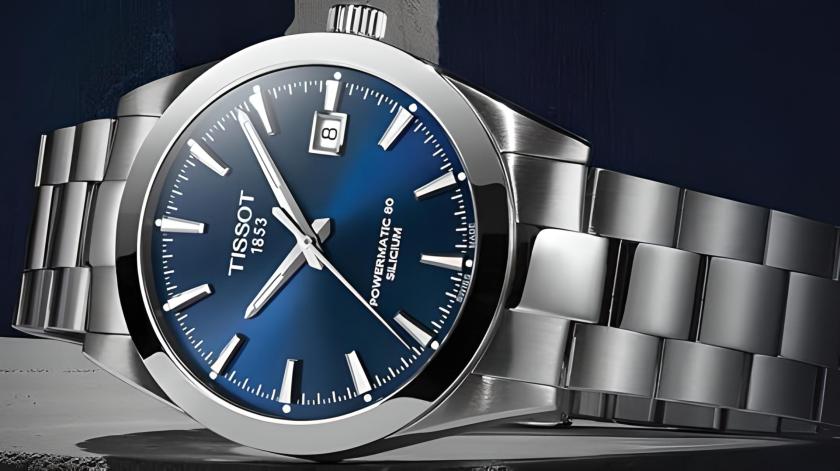
Tissot Gentleman Powermatic 80
The question of whether the Tissot Gentleman Powermatic 80 is a ‘giant killer’ is one that gets asked repeatedly in watch enthusiast circles. The answer, after spending time with it, is: yes — with some important caveats. At $950, it sits at the entry point of the Swiss luxury watch market, and it delivers specifications that would cost significantly more from brands like Longines, Certina, or Hamilton. The 80-hour power reserve alone is a genuine differentiator.
What Is the Tissot Gentleman Powermatic 80?
The Gentleman is Tissot’s flagship dress watch — a 40mm automatic with a clean, versatile dial design that works equally well with a suit and with jeans. The Powermatic 80 designation refers to the movement inside: the ETA C07.111, a Swiss-made automatic calibre with an 80-hour power reserve. This is the same movement family used across the Swatch Group’s mid-range brands, including Longines and Hamilton.
The current generation (T127.407) is available in multiple dial colours: blue, silver, and black are the most popular. The blue dial with stainless steel bracelet is the definitive configuration — it is the version that most often appears in ‘best dress watches under $1,000’ roundups.
Key Specifications
| Specification | Detail |
| Case Size | 40mm diameter |
| Case Material | Stainless steel |
| Movement | Powermatic 80 (ETA C07.111) |
| Water Resistance | 100m |
| Crystal | Sapphire (anti-reflective coating) |
| Strap/Bracelet | Stainless steel bracelet |
| Lug Width | 21mm |
| Power Reserve | 80 hours |
| Accuracy | ±4 seconds per day |
The 21mm lug width is the one specification that gives some buyers pause — aftermarket straps in 21mm are less common than 20mm or 22mm. Tissot sells official straps for the Gentleman, but third-party options are more limited.
The Powermatic 80 Movement: Why 80 Hours Matters
The standard power reserve for most automatic watches is 38-42 hours. This means that if you take the watch off on Friday evening, it will have stopped by Sunday morning. The Powermatic 80’s 80-hour reserve changes this calculus entirely — you can take it off Friday evening and it will still be running Monday morning.
For a dress watch that might only be worn on weekdays, this is a genuinely practical advantage. You do not need a watch winder, and you do not need to reset the time and date every Monday. The watch is simply ready when you are.
The movement also features a silicon balance spring, which makes it more resistant to magnetic fields than traditional steel springs. This is increasingly relevant in a world full of electronic devices.
The Gentleman’s design philosophy is restraint. The dial is clean — applied indices, simple hands, date window at 3 o’clock. There is nothing superfluous. This is not a watch that demands attention; it is a watch that rewards close inspection.
The 40mm case is the ideal size for a dress watch — large enough to be noticed, small enough to disappear under a shirt cuff. The brushed and polished finishing on the case and bracelet is executed to a standard that exceeds what you typically find at this price point. The sapphire crystal with anti-reflective coating gives the dial excellent legibility in all lighting conditions.
The blue dial variant has a subtle sunburst finish that catches the light differently throughout the day. It is one of the most visually interesting dials available under $1,000.
How It Compares to the Competition
The Gentleman’s direct competitors are the Hamilton Jazzmaster Viewmatic, the Longines Record, and the Certina DS-1 Powermatic 80.
| Feature | Tissot Gentleman PM80 | Hamilton Jazzmaster | Longines Record |
The Gentleman wins on power reserve versus the Hamilton and on price versus the Longines. The Hamilton is a strong alternative if you prefer a slightly larger case and a more classic aesthetic.
Who Should Buy the Tissot Gentleman Powermatic 80?
The Gentleman is the right watch for someone who wants a genuine Swiss automatic dress watch without paying luxury watch prices.
**Buy the Gentleman if you:**
– Want a Swiss-made automatic dress watch under $1,000
– Value the 80-hour power reserve for weekend storage
– Want sapphire crystal and anti-reflective coating
– Need a versatile watch that works for business and casual occasions
**Consider alternatives if you:**
– Have a budget under $500 (look at Seiko Presage or Orient Bambino)
– Want a sport watch rather than a dress watch (look at Seiko Prospex or G-Shock)
– Need a larger case (look at Hamilton Jazzmaster at 42mm)
The Tissot Gentleman Powermatic 80 is one of the best value propositions in Swiss watchmaking. An 80-hour power reserve, sapphire crystal, and Swiss automatic movement for under $1,000 — this is a watch that genuinely punches above its weight class. If you are ready to step into Swiss automatic territory, the Gentleman is the place to start.
Not sure if a dress watch is right for you? Try our Watch Advisor for personalized recommendations.
Find Your Perfect Watch
Affiliate Disclosure: WatchesAndMore (watchesandmore.org) is a participant in the Amazon Services LLC Associates Program, an affiliate advertising program designed to provide a means for sites to earn advertising fees by advertising and linking to Amazon.com and Amazon.ca. As an Amazon Associate, we earn from qualifying purchases at no additional cost to you.
Are you drowning in the sea of timepieces and feeling like a lost watchmaker? Fear not! Legend Born 1983 is here to rescue you from your wrist-wear woes with expert reviews, buying guides, and personalized recommendations for watches ranging from “I’m broke” to “I should probably sell a kidney.” Enter the Watch Advisor, a nifty free tool that finds your dream watch faster than you can say “tick-tock.” In just 60 seconds, it curates options based on your style and budget. With over 12,800 watches recommended, you’ll be flexing your wrist in style faster than you can find that pesky hour hand!
Are you overwhelmed by the endless options in the horology world? Here at Legend Born 1983, we know that finding the right timepiece can be daunting. That is why we provide expert reviews, buying guides, and personalized recommendations spanning everything from $45 budget legends to $2,000+ mechanical masterpieces — inspired by the watch that changed everything in 1983.
To make your search completely effortless, we are thrilled to feature our most popular site tool to help you discover your next favorite timepiece.
Free Tool — 60 Seconds
Find Your Perfect Watch without spending hours scrolling through forums and spec sheets. The Watch Advisor is a remarkably simple, completely free tool built right into our site.
How does it work? Just answer a few quick questions and get personalized watch recommendations based on your style, budget, and needs. In just 60 seconds, the tool filters through our extensive database to find the exact timepieces that match your specific criteria.
Watch Advisor – Watch Personality
What Watch Are You?
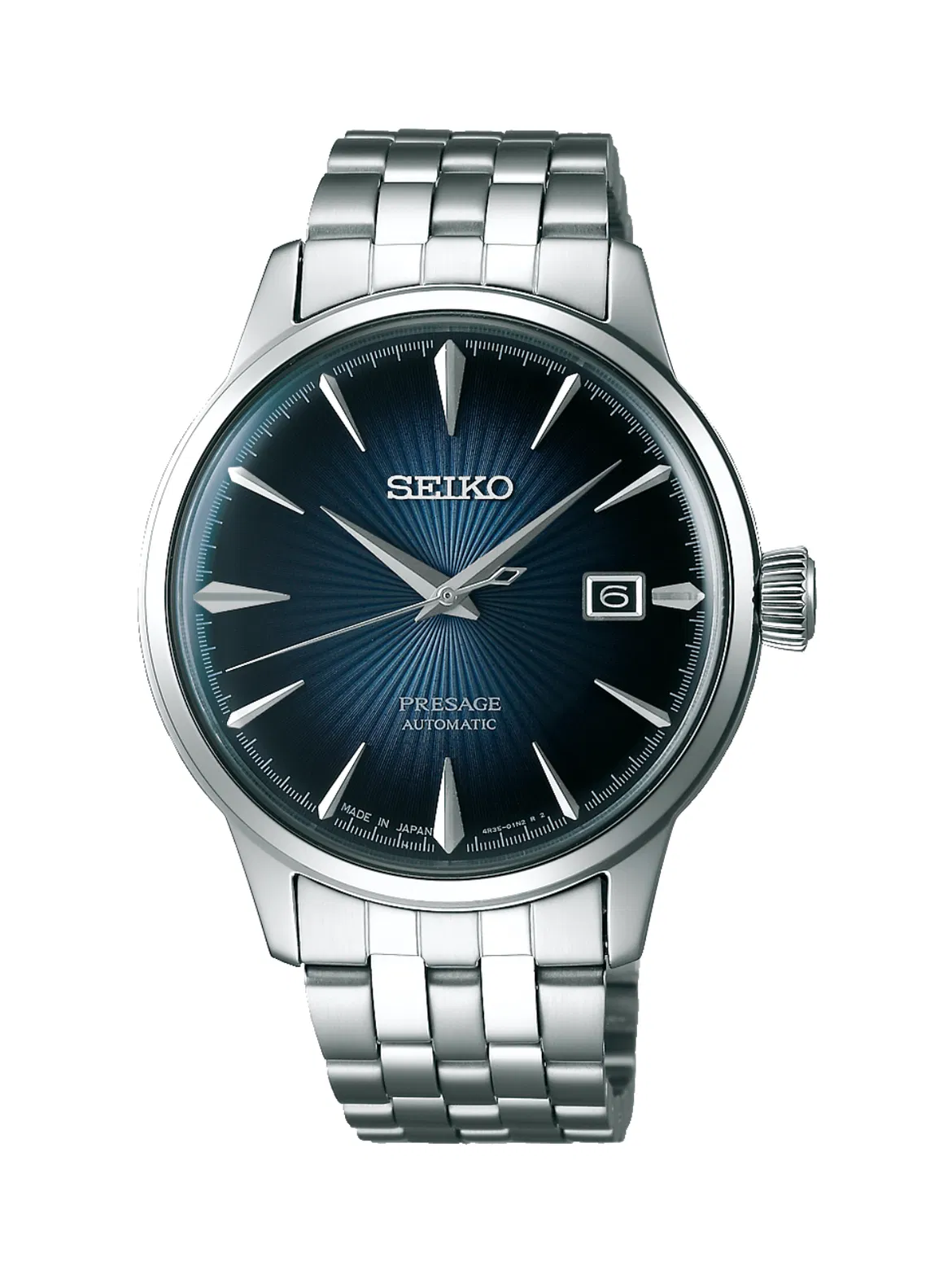
Whether you need a rugged diver like the Casio Duro for the outdoors, an elegant dress watch like the Seiko Presage Cocktail Time for the office, or a reliable automatic under $200, our tool has you covered. The Watch Advisor is backed by our team’s 10+ years of watch collecting and reviewing experience, ensuring that every recommendation is unbiased and expert-curated.
It is a system that works: our platform is currently trusted by over 5,000 enthusiasts and has already recommended more than 12,800 watches to our community.
Stop guessing and let us help you find your ultimate wrist companion today.