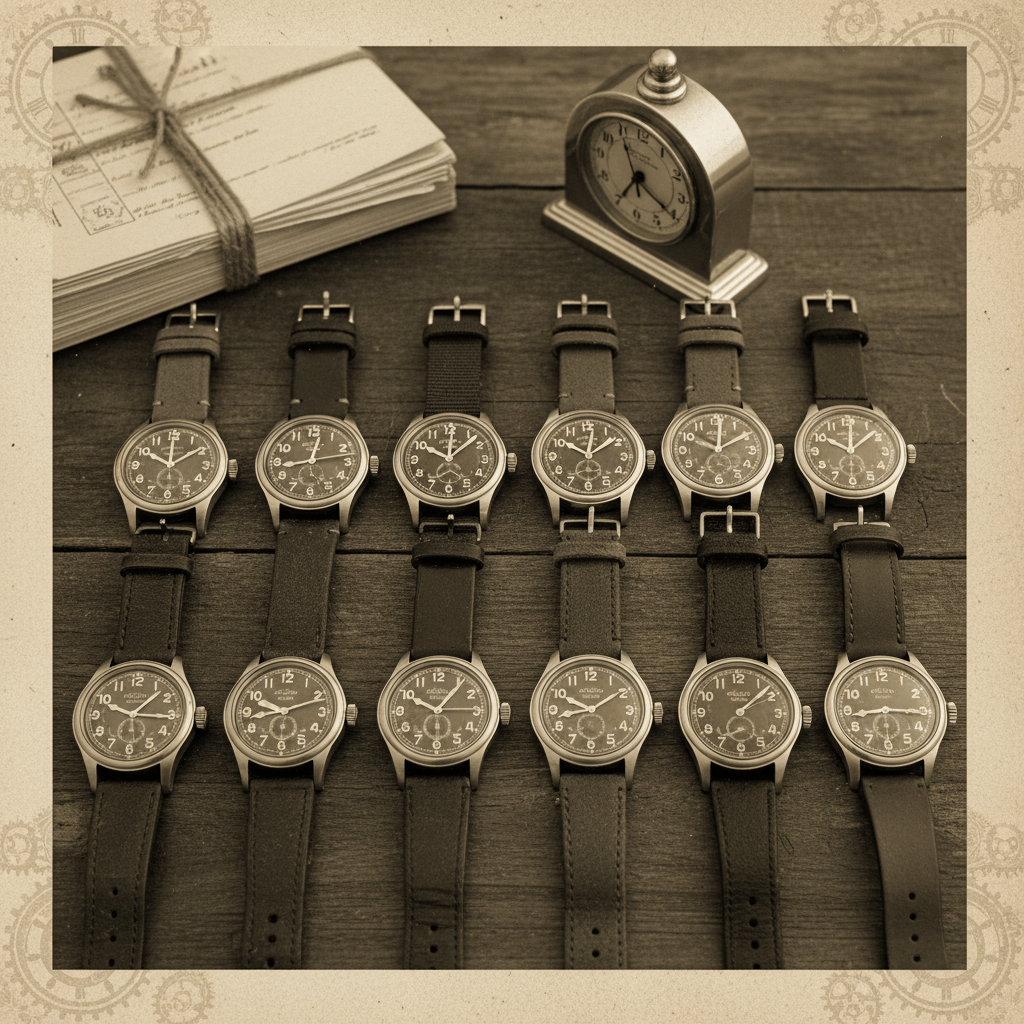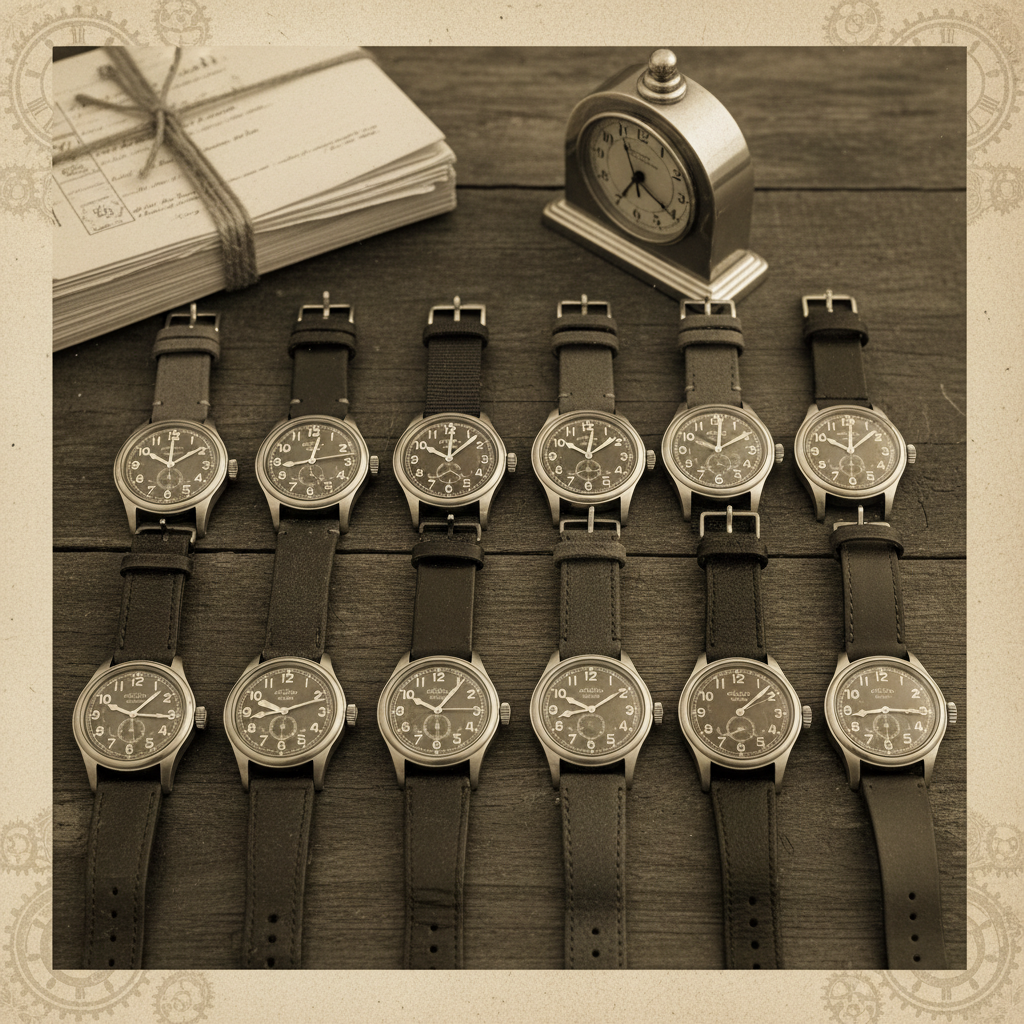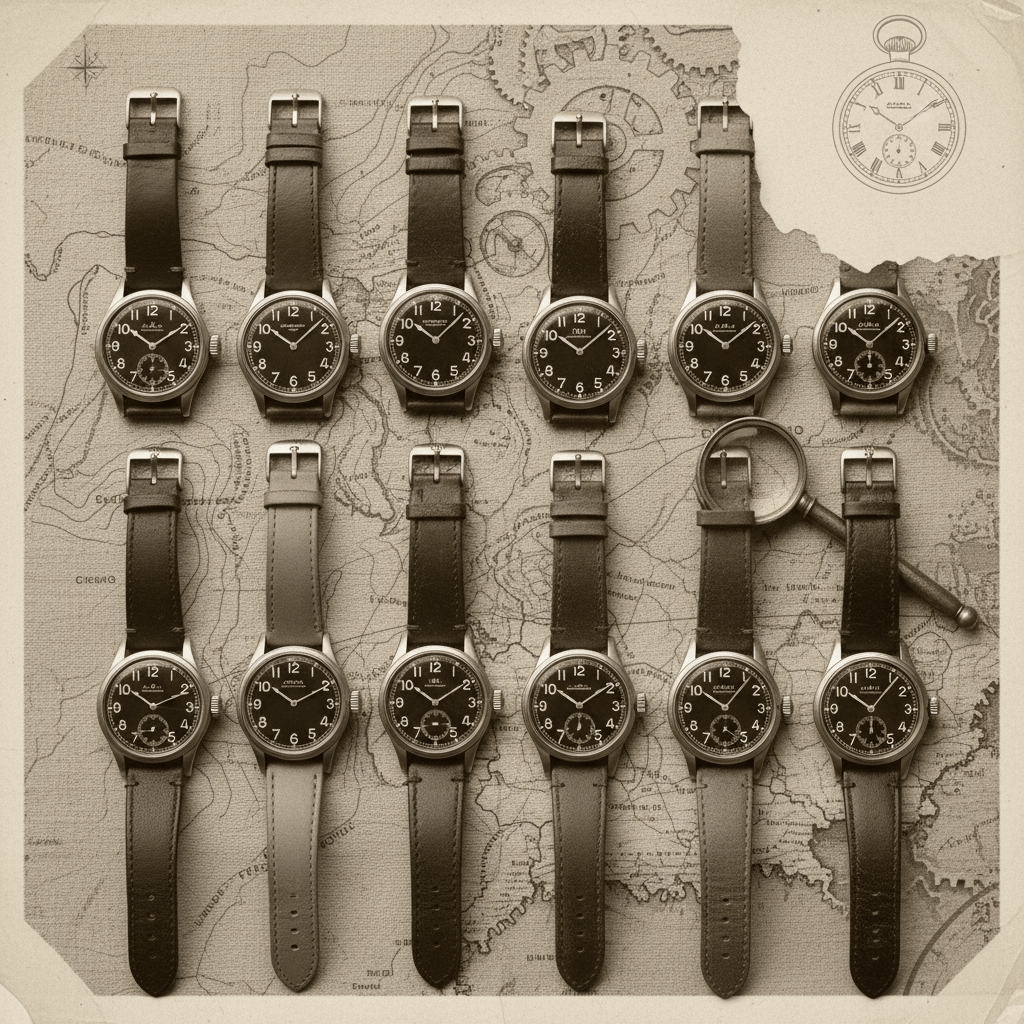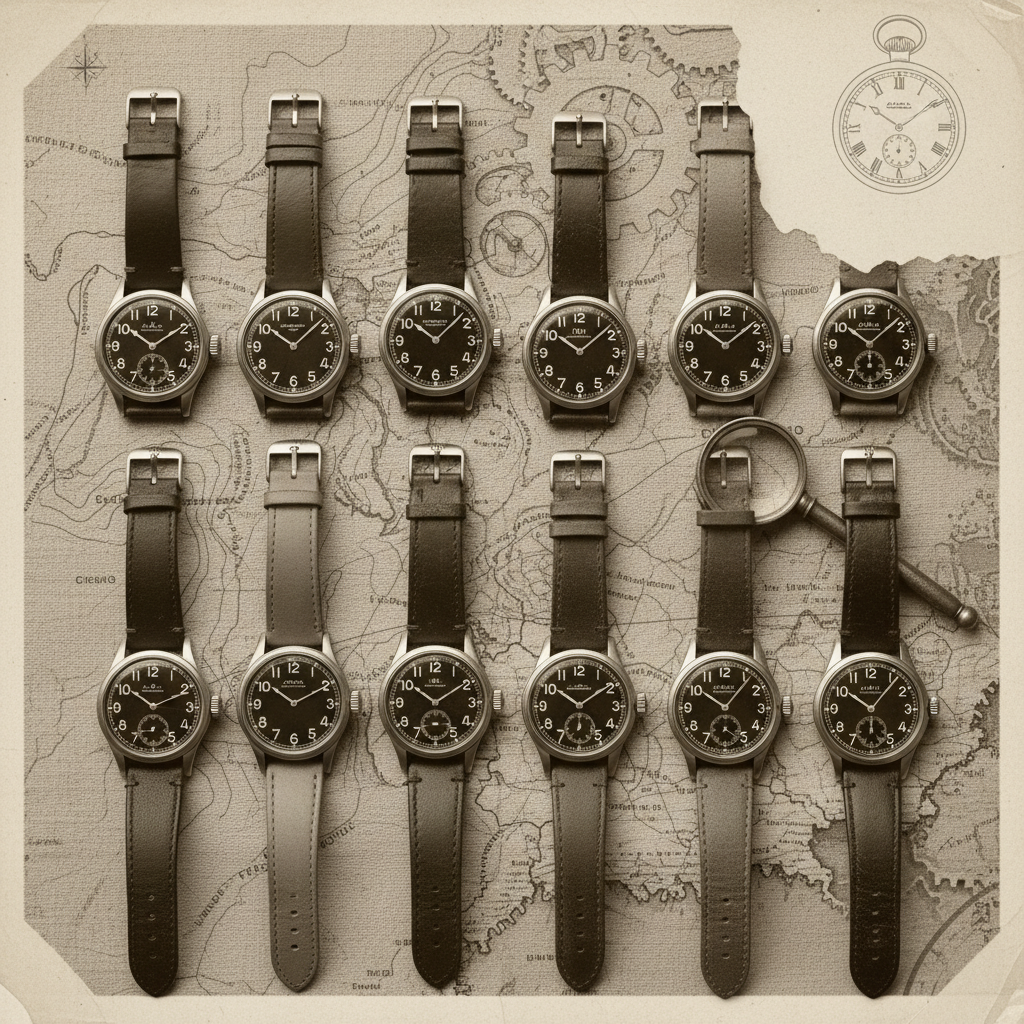


Watch Fact of the Day: The Moon’s Gravity Affects Your Watch’s Accuracy!

When it comes to timekeeping, the Moon isn’t just a pretty face in the night sky; it’s also a subtle saboteur of your fancy mechanical watches. That’s right! Lunar tides can ever so slightly warp the Earth’s crust, causing watches to tick off by fractions of a second daily. Sure, this cosmic mischief gets lost amidst the usual watch woes like temperature tantrums and wrist jitters, but hey, it’s an amusing quirk of physics. With inventions like Breguet’s tourbillon, watchmakers have been battling gravity since 1801. So, next time your watch is late, just blame the Moon—much more dramatic, don’t you think?

Fun Quirk: Tuesday, July 7, 2026

📅 Tuesday, July 7, 2026

While often overlooked, the gravitational pull of the moon can subtly influence the accuracy of highly precise mechanical watches. Lunar tides cause minute deformations in the Earth’s crust, which in turn can alter the balance wheel’s oscillation frequency by tiny fractions of a second per day. This effect is usually negligible for everyday wear but becomes a measurable factor in ultra-precise chronometers under controlled conditions.


Watch Fact of the Day: The Moon's Gravity Affects Your Watch's Accuracy!
Watch Fact of the Day: The Moon’s Gravity Affects Your Watch’s Accuracy!

Mechanical watches are remarkably sensitive instruments. Their balance wheel oscillates thousands of times every hour, and even the slightest changes in position, temperature, lubrication, or magnetic fields can influence how accurately they keep time. While the Moon’s gravitational effect is vanishingly small compared to these everyday factors, it serves as a fascinating reminder that precision timekeeping exists within a world governed by the laws of physics.

For centuries, watchmakers have worked to reduce the influence of gravity on mechanical movements. One of the most famous innovations is the tourbillon, invented by Abraham-Louis Breguet in 1801. By continuously rotating the escapement and balance wheel, the tourbillon helps average out positional errors caused by Earth’s gravity—a testament to the lengths watchmakers have gone in pursuit of perfect accuracy.

Today, the best mechanical chronometers are regulated to perform within just a few seconds per day, an extraordinary achievement considering they rely entirely on springs, gears, and tiny mechanical components. Whether influenced by gravity, temperature, or simply the motion of your wrist, every mechanical watch is a miniature engineering marvel—quietly keeping time while obeying the same physical forces that govern the planets above us.


Disclaimer: Every effort has been made to keep these watch facts accurate, but the world of horology is full of myths, disputed stories, and fascinating trivia. Consider these facts a starting point for discovery rather than the final word. If you have corrections or additional insights, let us know—we’re always happy to keep the record ticking in the right direction.


Category: Fun Quirk

🕐 Discover more watch facts, reviews, and buying guides at WatchesAndMore


The Watch Advisor
Find Your Perfect Watch

More Watch Facts
More Watch Facts

🛍️ You Might Also Like

As an Amazon Associate and affiliate partner, WatchesAndMore earns from qualifying purchases.

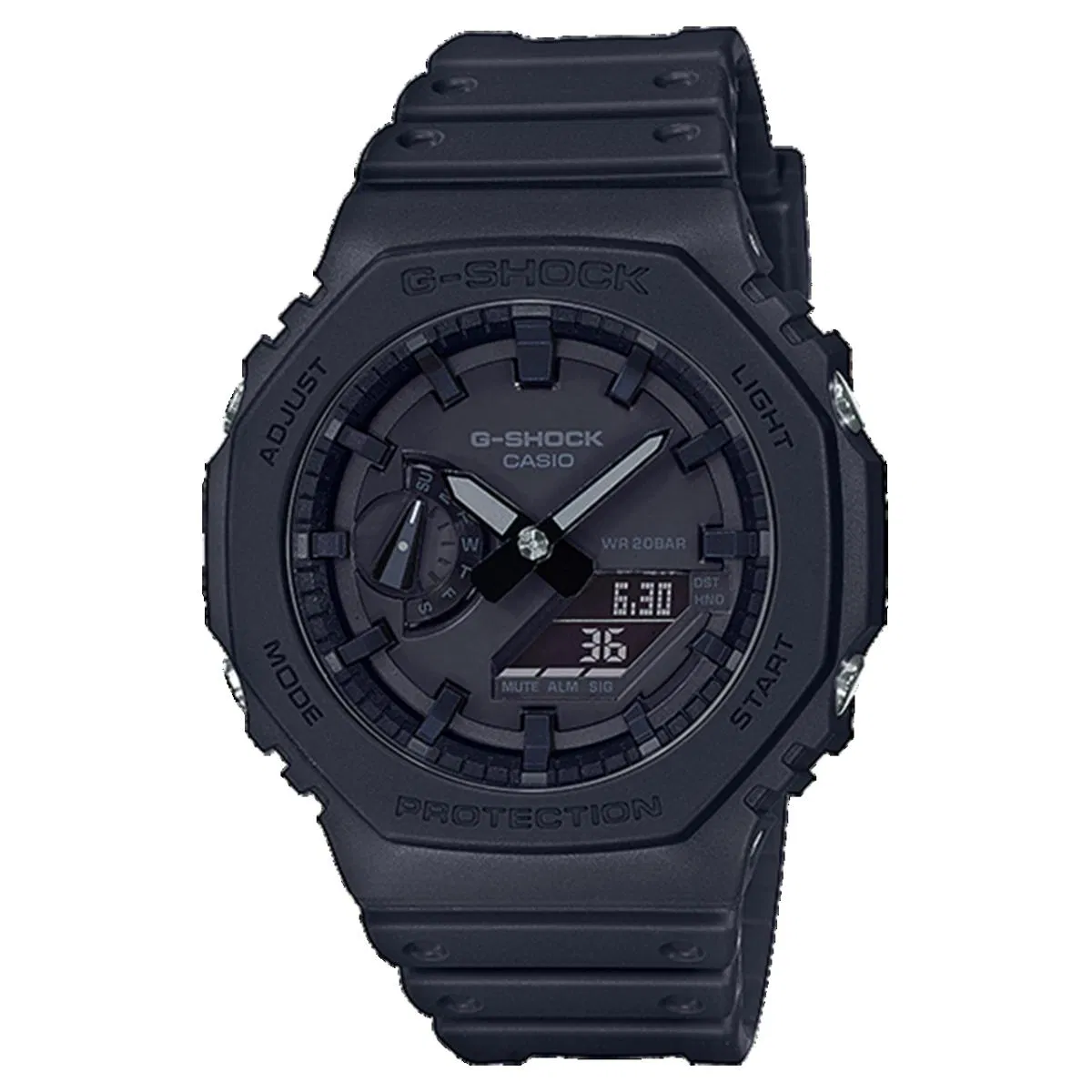
G-Shock GA2100-1A1 CasiOak


G-Shock GA2100-1A1 CasiOak

Casio

★★★★★ 4.8 (2,156 reviews)

$99


Check Price on Amazon →

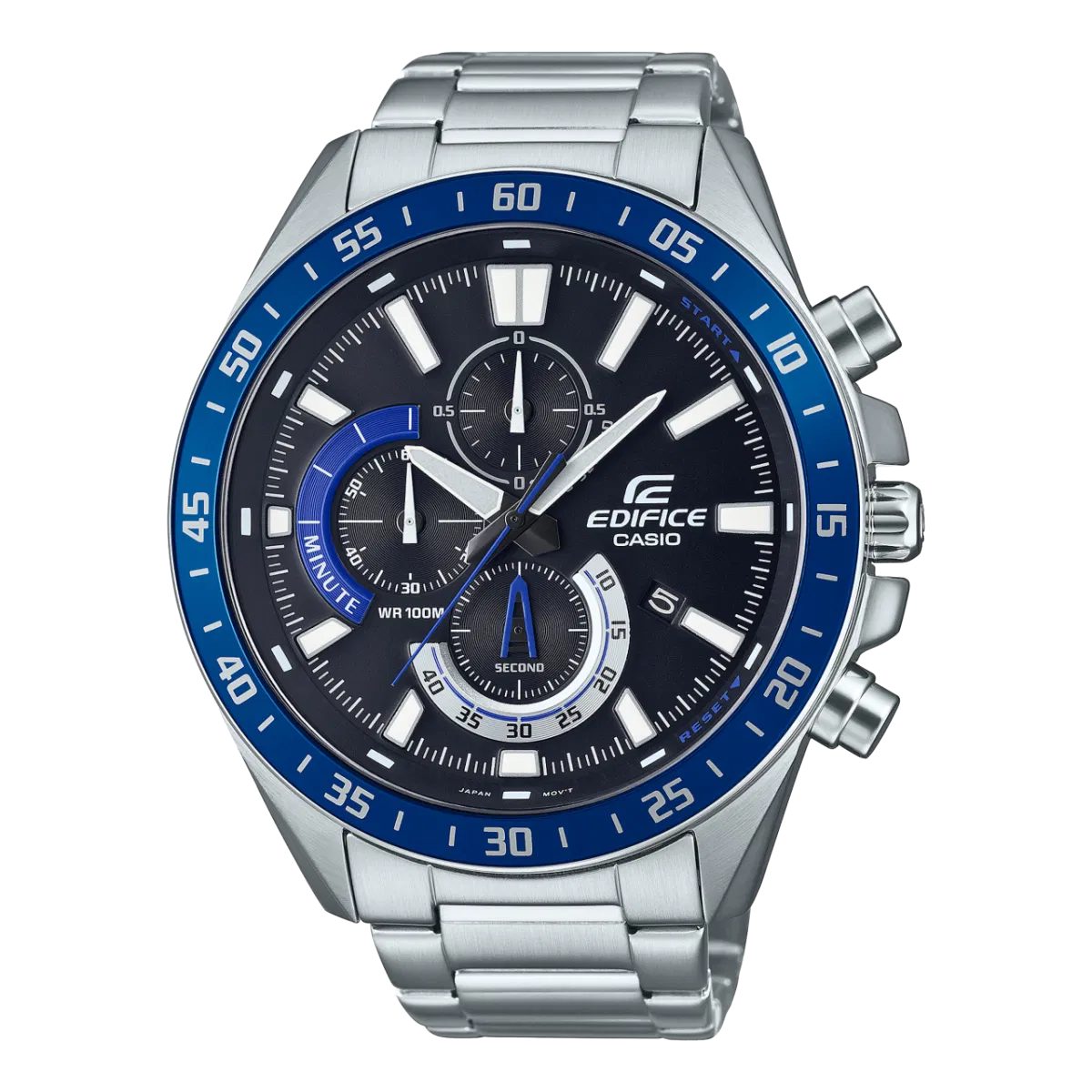
Casio Edifice Chronograph


Casio Edifice Chronograph

Casio

★★★★★ 4.7 (1,264 reviews)

$120


Check Price on Amazon →


Browse all 75+ expert-reviewed watches →


💡 Did You Know?

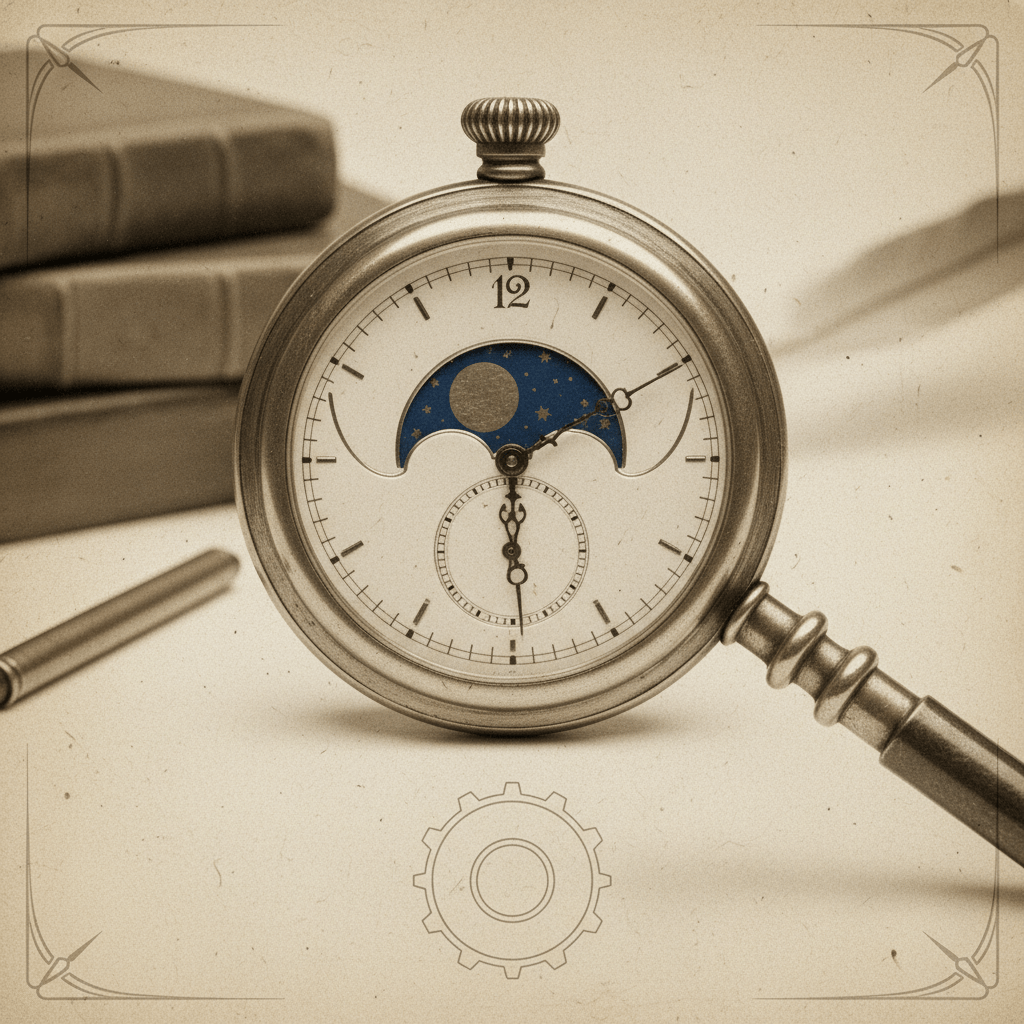
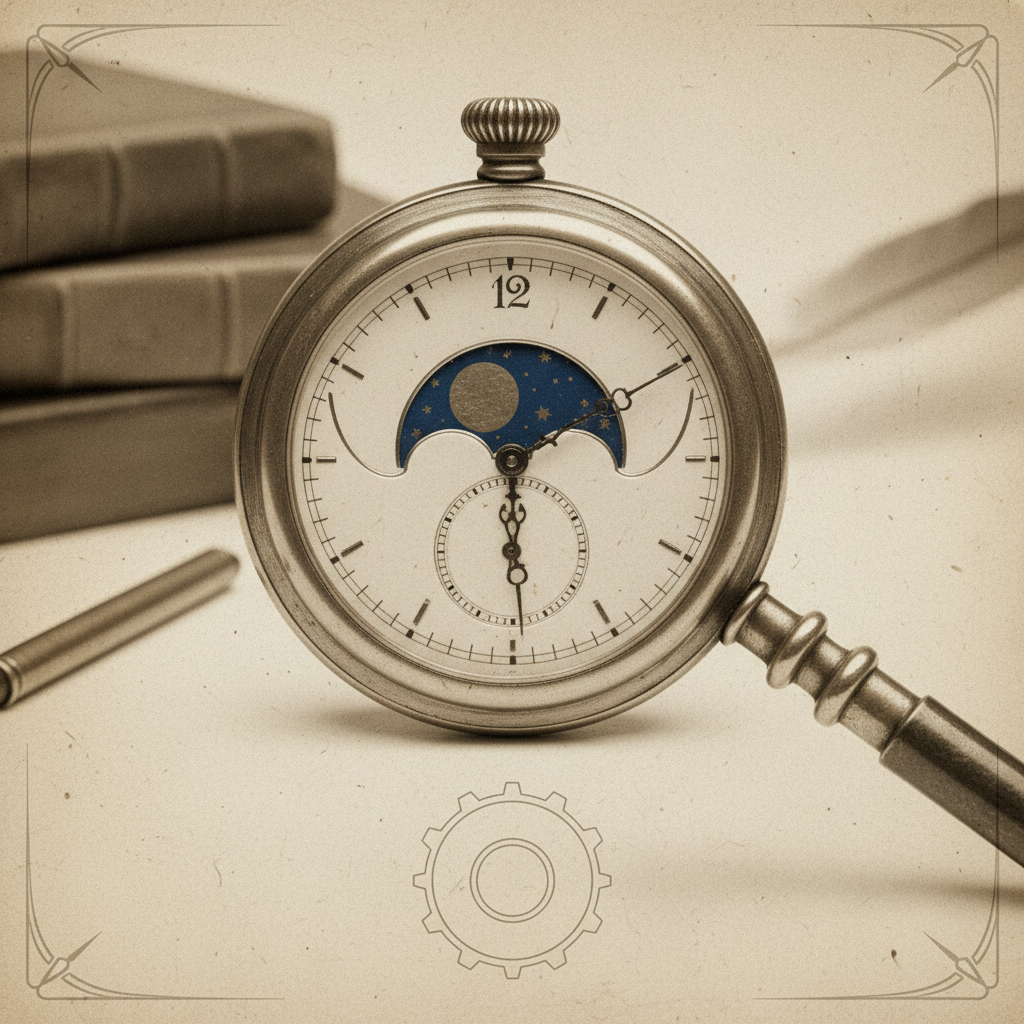
A moon-phase indication displays an astronomical cycle. That is a different function from measuring the rate or accuracy of a watch movement.

⭐ Why It Matters

These instruments connect timekeeping with observations of the world around us. Understanding what each indication represents is part of appreciating the design.

📚 Sources & Further Reading

Further reading: Fondation de la Haute Horlogerie — watchmaking glossary

Join the Conversation

Which detail in this story interests you most, and would it influence what you wear or collect? Share your thoughts in the comments below.

Read Next

🛍️ Explore designs, gifts and more at the W&M companion shop.

📚 Browse the complete W&M Watch Fact Archive.

Watch Fact of the Day: The ‘Complication’ That Was Once a Simple Design Flaw

In the world of watches, the moon phase complication is like a fancy hat – it started as a necessity but became a stylish trend. Originally, clockmakers used a rotating lunar disc to cover up design flaws, turning their blunders into a celestial display. As time ticked on, watchmakers realized this moon trick could help farmers figure out when to plant crops and sailors avoid sailing into a moonless mess. These days, moon phases aren’t just about practicality; they’re romantic little reminders that your wrist can be both a timepiece and a dreamy connection to the cosmos. Who knew horology could be so poetic?

Watch History: Monday, July 6, 2026

📅 Monday, July 6, 2026

The moon phase complication, now a beloved and intricate feature on many high-end watches, originated from a practical necessity. Early clockmakers used a rotating disc for the moon to hide imperfections or gaps in the dial’s construction, effectively turning a design challenge into an aesthetic and functional display of celestial motion. This ‘fix’ evolved into one of horology’s most poetic complications.

As clockmaking techniques improved during the 17th and 18th centuries, the moon phase display evolved far beyond its practical origins. Watchmakers realized that a rotating lunar disc could do more than simply conceal part of the mechanism—it could also help farmers, sailors, astronomers, and travellers track the changing phases of the Moon. Long before smartphones and weather apps, knowing the lunar cycle was genuinely useful for navigation, agriculture, and even planning fishing expeditions.

Traditional moon phase watches are surprisingly precise. Most use a 59-tooth gear, allowing two complete lunar cycles to be displayed over 59 days. Since the Moon actually takes 29.53 days to complete one cycle, this simple mechanism is remarkably accurate, requiring only a minor adjustment every two and a half years. More advanced modern moon phase movements can remain accurate for decades—or even centuries—before needing correction.

Today, the moon phase complication is cherished less for its practicality and more for the emotion it brings to a watch. It’s a reminder that mechanical watches are miniature works of art as much as they are instruments for telling time. With every passing day, the tiny moon slowly travels across the dial, connecting the wearer to a celestial rhythm that has guided humanity for thousands of years. Few complications capture the romance of traditional watchmaking quite like a beautifully executed moon phase display.


Disclaimer: Every effort has been made to keep these watch facts accurate, but the world of horology is full of myths, disputed stories, and fascinating trivia. Consider these facts a starting point for discovery rather than the final word. If you have corrections or additional insights, let us know—we’re always happy to keep the record ticking in the right direction.


Category: Watch History

🕐 Discover more watch facts, reviews, and buying guides at WatchesAndMore


The Watch Advisor
Find Your Perfect Watch

🛍️ You Might Also Like

As an Amazon Associate and affiliate partner, WatchesAndMore earns from qualifying purchases.

Bulova Precisionist


Bulova Precisionist

Bulova

★★★★★ 4.6 (1,100 reviews)

$219


Check Price on Amazon →

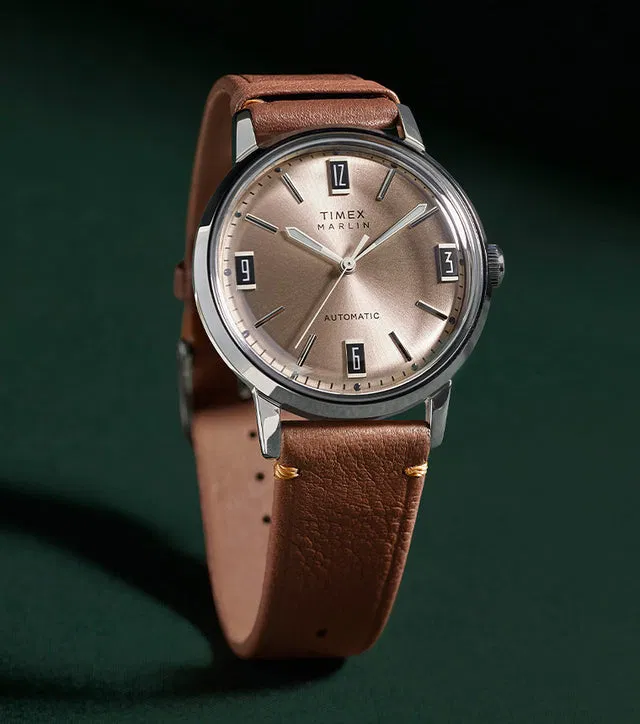
Timex Marlin Automatic 40mm


Timex Marlin Automatic 40mm

Timex

★★★★★ 4.7 (1,106 reviews)

$259


Check Price on Amazon →


Browse all 75+ expert-reviewed watches →


💡 Did You Know?

A moon-phase display adds an astronomical indication to the ordinary time display; its disc and gearing need to be interpreted as a separate function.

⭐ Why It Matters

The details are most useful when connected to the wearer’s needs and the design’s purpose. This story offers another way to look beyond the name on the dial.

📚 Sources & Further Reading

Further reading: Fondation de la Haute Horlogerie — watchmaking glossary

Join the Conversation

Which detail in this story interests you most, and would it influence what you wear or collect? Share your thoughts in the comments below.

Read Next

🛍️ Explore designs, gifts and more at the W&M companion shop.

📚 Browse the complete W&M Watch Fact Archive.

Watch Fact of the Day: The ‘Phantom’ Watch: Rolex’s Invisible Crown on the Crystal

Since the early 2000s, Rolex has secretly etched a tiny laser-engraved coronet (their crown logo) into the sapphire crystal of most of its watches, usually at t

Fun Quirk: Sunday, July 5, 2026

📅 Sunday, July 5, 2026

Since the early 2000s, Rolex has secretly etched a tiny laser-engraved coronet (their crown logo) into the sapphire crystal of most of its watches, usually at the 6 o’clock position. This microscopic detail is almost invisible to the naked eye and serves as a sophisticated anti-counterfeiting measure, making it incredibly difficult for fakes to replicate.


More Watch Facts
More Watch Facts

The tiny coronet was introduced around 2002 as part of Rolex’s ongoing efforts to combat the growing counterfeit watch market. Unlike hologram stickers or visible serial numbers, the laser-etched crown doesn’t affect the appearance of the watch during normal wear. In most lighting conditions, it’s virtually impossible to see without carefully tilting the crystal or examining it under magnification, which is exactly how Rolex intended it.

While the etched crown is an excellent security feature, it’s important to remember that it should never be used as the sole method of authenticating a Rolex. Modern counterfeiters have become increasingly sophisticated, and some high-quality replicas now attempt to imitate the laser-etched coronet. Professional authentication still relies on examining the movement, serial numbers, case finishing, dial details, and overall build quality alongside the crystal engraving.

Today, the “phantom” crown has become one of those hidden details that Rolex enthusiasts love to point out. It’s a perfect example of the brand’s philosophy—subtle engineering, meticulous craftsmanship, and attention to details that most owners may never even notice. For collectors, discovering the tiny coronet for the first time often feels like uncovering one of Rolex’s best-kept secrets, hidden in plain sight.

Disclaimer: Every effort has been made to keep these watch facts accurate, but the world of horology is full of myths, disputed stories, and fascinating trivia. Consider these facts a starting point for discovery rather than the final word. If you have corrections or additional insights, let us know—we’re always happy to keep the record ticking in the right direction.

Category: Fun Quirk

🕐 Discover more watch facts, reviews, and buying guides at WatchesAndMore

The Watch Advisor
Find Your Perfect Watch

🛍️ You Might Also Like

G-Shock GA2100-1A1 CasiOak


G-Shock GA2100-1A1 CasiOak

Casio

★★★★★ 4.8 (2,156 reviews)

$99


Check Price on Amazon →

Casio Edifice Chronograph


Casio Edifice Chronograph

Casio

★★★★★ 4.7 (1,264 reviews)

$120


Check Price on Amazon →

As an Amazon Associate and affiliate partner, WatchesAndMore earns from qualifying purchases.

Browse all 75+ expert-reviewed watches →

💡 Did You Know?

A crystal marking alone cannot establish a watch’s authenticity. The movement, case, dial, serial information and provenance must be assessed together.

⭐ Why It Matters

The details are most useful when connected to the wearer’s needs and the design’s purpose. This story offers another way to look beyond the name on the dial.

📚 Sources & Further Reading

Further reading: Fondation de la Haute Horlogerie — watchmaking glossary

Join the Conversation

Which detail in this story interests you most, and would it influence what you wear or collect? Share your thoughts in the comments below.

Read Next

🛍️ Explore designs, gifts and more at the W&M companion shop.

📚 Browse the complete W&M Watch Fact Archive.

The Liberty Bell Watch: A Concept, Not a Confirmed 1976 Timepiece

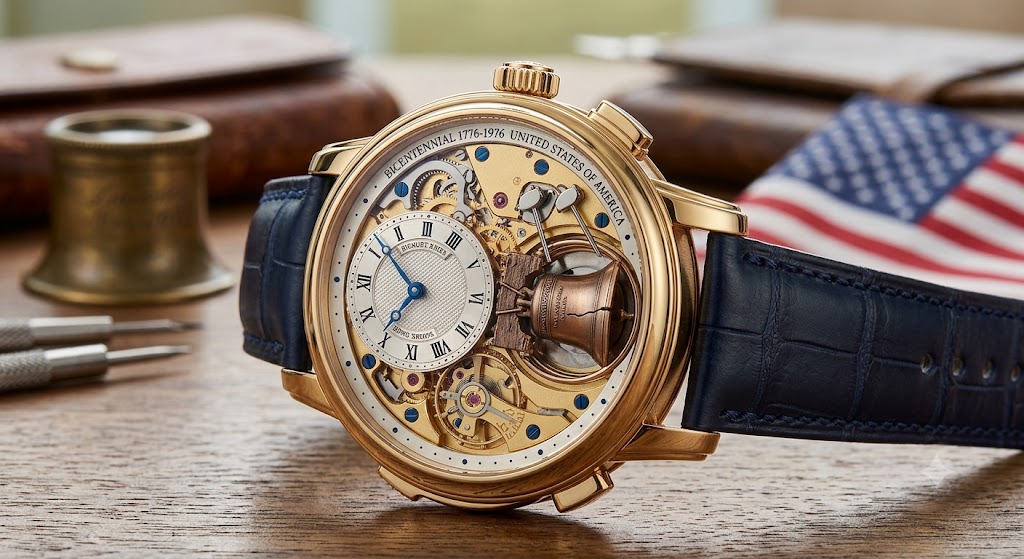
Did you know that in 1976, to commemorate the United States Bicentennial, a unique watch was created featuring a miniature, working ‘Liberty Bell’ that would st

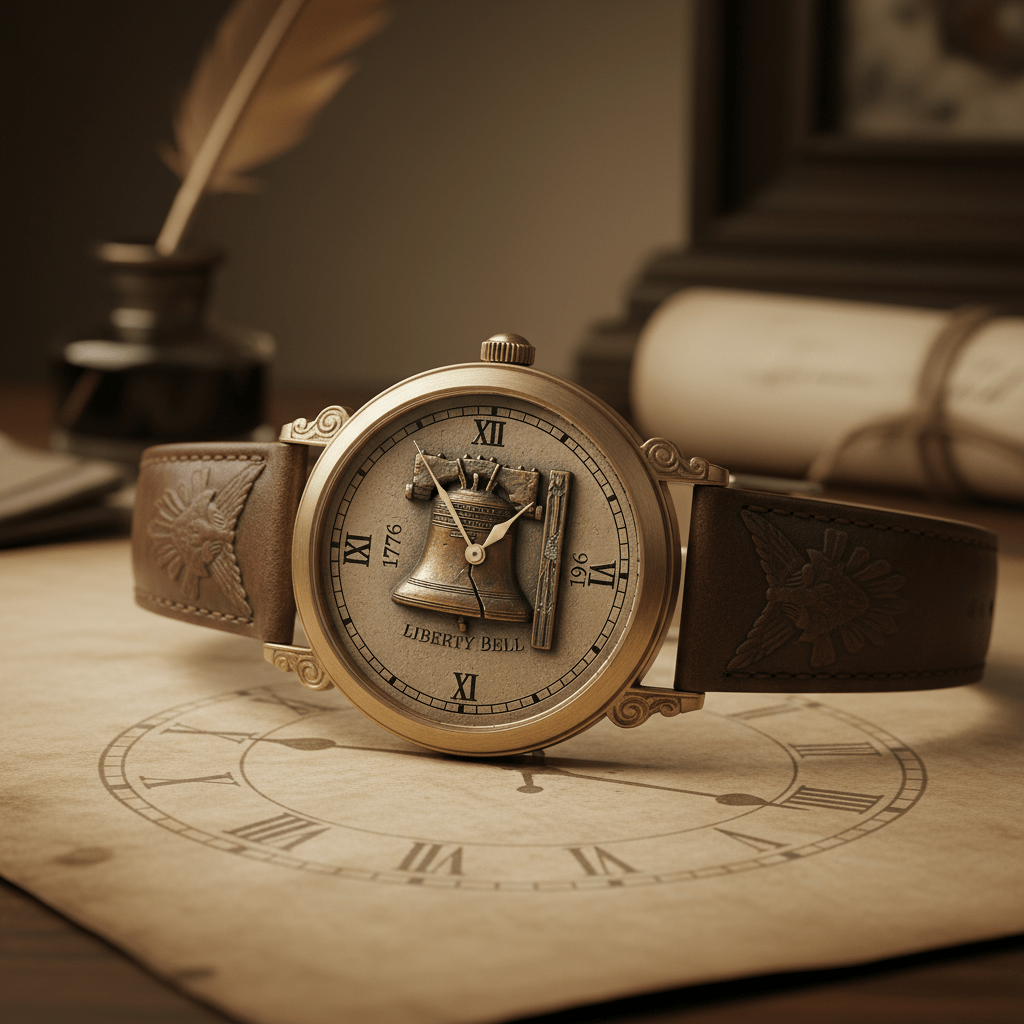
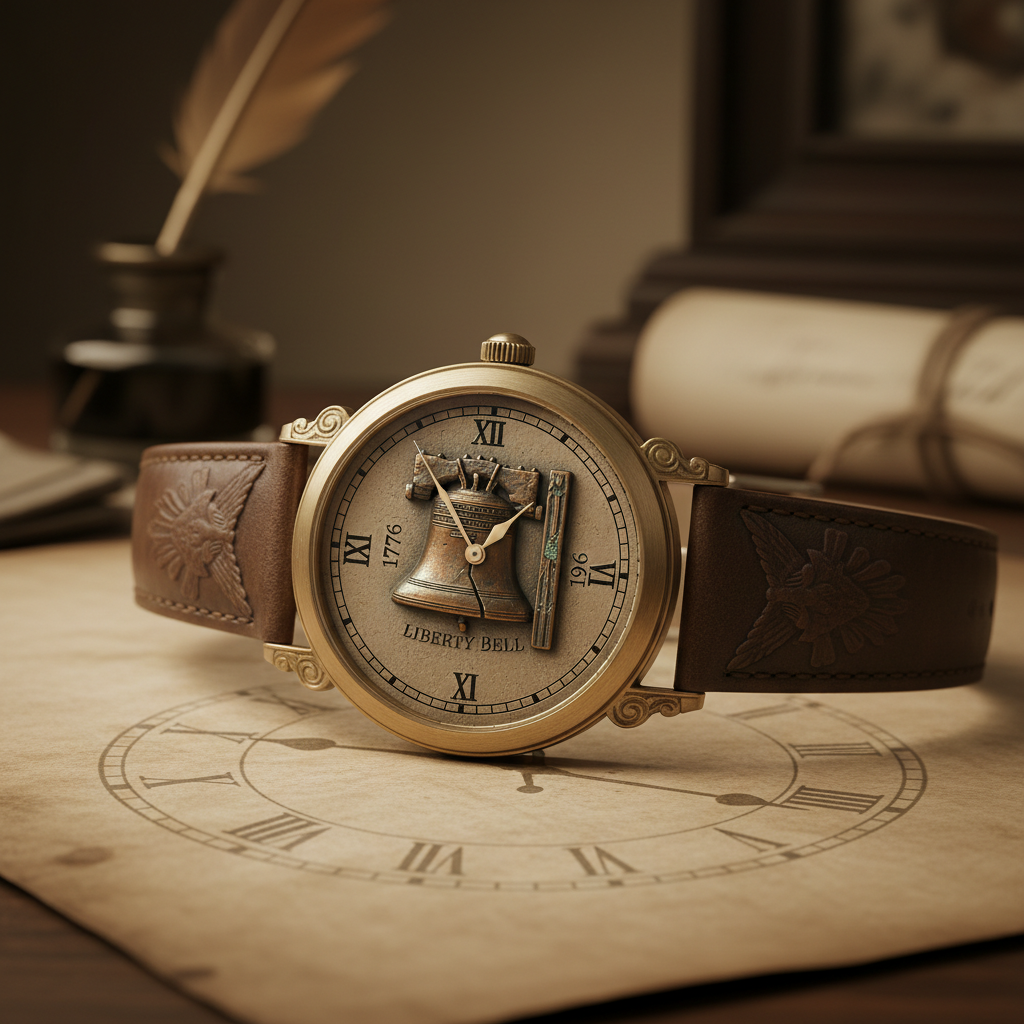
Editorial correction: An earlier version described a 1976 watch with a miniature working Liberty Bell that struck the hours. We have not verified that specific timepiece or its striking mechanism. The concept illustrations in this post should not be treated as documentary evidence.

A tiny Liberty Bell ringing inside a watch is a wonderful idea. It brings together patriotic imagery, mechanical imagination, and the drama of a chiming timepiece. But an appealing idea deserves a clear label. Here, we separate a watch concept from the history we can support.

Watch History: Saturday, July 4, 2026

Concept illustration accompanying the original story; not a verified photograph of a historical miniature-bell watch.

Concept illustration accompanying the original story; not a verified photograph of a historical miniature-bell watch.

A Symbol Is Not a Mechanism

A Liberty Bell picture on a dial or case establishes a decorative theme. It does not establish that a watch contains a bell, a hammer, or a mechanism that strikes the hours. An estate-auction listing documents a commemorative pocket watch with a Liberty Bell design and 1776–1976 markings. That is evidence of commemorative styling, not proof of the working-bell claim made here previously.

What a Working Version Would Need

As a design exercise, imagine how much more is involved than putting a small bell beneath a crystal. A functioning concept would need a way to store and release energy, actuate a striker, and accommodate the sound-producing parts. If it struck automatically on the hour, that would require coordination with the timekeeping mechanism. These are conceptual requirements, not specifications of a documented Liberty Bell watch.

The Real Bicentennial Connection

There is a verified 1976 milestone in the Bell’s own story: the National Park Service records its move to the Liberty Bell Pavilion on January 1, 1976. That event belongs to the history of displaying the actual bell. It should not be used to authenticate a watch simply because both stories mention the Bicentennial.

💡 Did You Know?

The National Park Service distinguishes the Liberty Bell from the clock bell at Independence Hall. A famous bell, a clock’s striking bell, and a watch’s sound-producing mechanism are different things. Keeping those identities separate helps prevent a good story from turning into a misleading one.

⭐ Why It Matters

Watch enthusiasm runs on curiosity, but illustrations and confident captions can make an unverified object seem established. The better collector’s habit is to ask for a maker, reference, contemporary catalogue, museum record, or a clear account of the mechanism. Until that evidence appears, this remains an imaginative concept worth discussing on its own terms.

More Watch Facts
More Watch Facts
The Watch Advisor
Find Your Perfect Watch

Related Reading

Explore our documented pocket-watch barometers for a real example of unusual mechanisms sharing one case.

Sources

National Park Service: displaying the Liberty Bell; National Park Service: bells and clocks; Estate Details: commemorative pocket-watch auction listing.

Your Turn

What historical symbol would you turn into a watch concept—and what would its mechanism actually do?

Category: Watch Facts

Disclaimer: Every effort has been made to keep these watch facts accurate, but the world of horology includes disputed stories and changing product information. Treat this article as a starting point for discovery and consult the linked records or manufacturer information for the exact timepiece. Corrections and additional evidence are welcome in the comments.

🕐 Discover more watch facts, reviews, and buying guides at WatchesAndMore.

🛍️ Explore designs, gifts and more at the W&M companion shop.

📚 Browse the complete W&M Watch Fact Archive.

Explore watches in the W&M Watch Database.

The Dirty Dozen: Twelve Makers, One British Military Watch Brief

Twelve Swiss makers supplied British W.W.W. military watches. Discover the practical requirements behind their shared appearance.

Watch Fact of the Day

Watch History: Friday, July 3, 2026

Twelve manufacturers. A common purpose. A dial designed to be read when the conditions were anything but comfortable.

The watches collectors call the Dirty Dozen were tools before they became a collecting challenge. Their appeal begins with the requirements of British military service: dependable timekeeping, clear indications, and a case intended to protect the movement.

⌚ A Specification Rather Than a Single Model

The group comprises watches supplied by Buren, Cyma, Eterna, Grana, Jaeger-LeCoultre, Lemania, Longines, IWC, Omega, Record, Timor, and Vertex. They share a family resemblance because they answered a common brief, not because they were the same watch with different names.

🔎 Why They Look So Similar

Black dials, Arabic numerals, luminous indications, and small seconds made the information straightforward. The design prioritized contrast and quick reading. A busy decorative surface would have worked against that objective.

Inside, manually wound mechanical movements performed the essential work. Differences between manufacturers remained, making the group interesting as both a coordinated procurement effort and a collection of individual engineering solutions.

🪖 What W.W.W. Means

The caseback designation stands for Watch, Wrist, Waterproof. Broad-arrow markings identify the military context. The word waterproof belongs to the historical specification; it should not be mistaken for a promise about the present condition of a surviving vintage example.

The nickname Dirty Dozen is a later collecting label. Describing the procurement as a secret mission adds drama that is unnecessary to understand these objects. Their practical wartime purpose is compelling on its own.

💡 Did You Know?

Completing a set means finding twelve different makers, not twelve identical references. Variations in availability and surviving condition make that a much larger challenge than the number first suggests.

⭐ Why It Matters

These watches show how a shared functional requirement can produce a lasting visual language. Clear numerals, strong contrast, and restrained layouts remain persuasive because the underlying need has not disappeared.

Their history also shifts attention from luxury branding to service. A watch could matter because somebody needed to trust it while doing a demanding job. That gives an apparently simple dial considerable depth.

The design was purposeful before it became collectible.

📚 Sources & Further Reading

Hodinkee — examination of the twelve military watches

Read Next

Reading a Dirty Dozen Watch: Dials, Casebacks, and Service History

Watch Fact of the Day: The ‘Dirty Dozen’ Watches: British Military’s Secret Timekeepers!

Join the Conversation

Which matters most in a field watch: readability, durability, or historical character? Share your thoughts in the comments.

Explore watches in the W&M Watch Database.

Category: Watch Facts

Disclaimer: Every effort has been made to keep these watch facts accurate, but the world of horology includes disputed stories and changing product information. Treat this article as a starting point for discovery and consult the linked records or manufacturer information for the exact timepiece. Corrections and additional evidence are welcome in the comments.

🕐 Discover more watch facts, reviews, and buying guides at WatchesAndMore.

🛍️ Explore designs, gifts and more at the W&M companion shop.

📚 Browse the complete W&M Watch Fact Archive.

Watch Fact of the Day: The ‘Dirty Dozen’: WWII’s Secret Watch Order

During World War II, the British Ministry of Defence tasked 12 Swiss watch manufacturers with creating durable, precise, and waterproof wristwatches for military personnel. These timepieces, characterized by their black dials, Arabic numerals, luminous hands, and minute markers, became known as the ‘Dirty Dozen.’ Due to their historical importance and practical design, they are now highly valued by collectors. For more information on watches, including facts, reviews, and buying guides, visit WatchesAndMore, which also earns from qualifying purchases as an Amazon Associate. Additionally, featured watches include the Bulova Precisionist and Timex Marlin Automatic.

Watch History: Thursday, July 2, 2026

📅 Thursday, July 2, 2026

During World War II, the British Ministry of Defence commissioned 12 Swiss watch manufacturers to produce robust, accurate, and waterproof wristwatches for their soldiers. These watches, featuring a black dial, Arabic numerals, luminous hands, and a railway track minute marker, became known collectively as the ‘Dirty Dozen’ and are highly sought after by collectors today for their historical significance and utilitarian design.

Watch Fact of the Day: The “Dirty Dozen” – WWII’s Secret Watch Order

When people think of famous military watches, names like the Rolex Submariner or Omega Seamaster often come to mind. But one of the most influential military watch programs in history wasn’t built around a single brand—it was a coordinated effort involving twelve Swiss watch manufacturers working together during World War II.

Known today as the “Dirty Dozen,” these watches have become some of the most collectible military timepieces ever produced.


Britain Needed a Better Military Watch

By the early 1940s, the British Army needed a wristwatch that could withstand the harsh realities of combat.

Soldiers required watches that were:

  • Highly accurate
  • Easy to read in low light
  • Resistant to dust and moisture
  • Durable enough for daily military use
  • Simple to maintain in the field

Rather than purchasing commercial watches, the British Ministry of Defence (MoD) created a detailed specification for what became known as the W.W.W. (Watch, Wrist, Waterproof) standard.

Only manufacturers capable of meeting these demanding requirements would receive military contracts.


The Twelve Manufacturers

Twelve Swiss companies successfully produced W.W.W. watches for the British military.

They were:

  • Buren
  • Cyma
  • Eterna
  • Grana
  • Jaeger-LeCoultre
  • Lemania
  • IWC
  • Longines
  • Omega
  • Record
  • Timor
  • Vertex

Together they would later earn the nickname “The Dirty Dozen,” inspired by the famous 1967 war film.

Although the nickname didn’t exist during the war, it has become the accepted name among collectors.


Built for War

Despite being made by different manufacturers, every Dirty Dozen watch followed the same military specification.

Common features included:

  • Black matte dial
  • Large Arabic numerals
  • Luminous hands and hour markers
  • Railroad-style minute track
  • Small seconds subdial at 6 o’clock
  • Manual-wind mechanical movement
  • Stainless steel case
  • Screw-down or waterproof case construction
  • Military issue markings engraved on the caseback

This standardized design allowed soldiers to read the time quickly under difficult conditions while ensuring reliability in harsh environments.

Function always came before fashion.


Why They’re So Important

The Dirty Dozen watches helped establish many of the design principles that still define military watches today.

Modern field watches from brands like Hamilton, Marathon, CWC, and even contemporary military-inspired collections from Longines and IWC owe much of their aesthetic to these wartime designs.

Their influence can still be seen in:

  • High-contrast black dials
  • Large Arabic numerals
  • Minimalist layouts
  • Highly legible hands
  • Rugged mechanical construction

More than 80 years later, the formula still works.


The Rarest of the Twelve

Not all Dirty Dozen watches are equally common.

Grana produced the fewest examples, making it the rarest and most valuable member of the collection today.

Omega, Cyma, and Record manufactured significantly larger quantities, making them more attainable for collectors.

Completing a full collection of all twelve manufacturers has become one of the ultimate achievements in military watch collecting.


Collecting the Dirty Dozen Today

Original Dirty Dozen watches continue to attract strong interest from collectors around the world.

Values depend heavily on:

  • Original dial condition
  • Matching military engravings
  • Correct movement
  • Original hands and crown
  • Service history
  • Overall originality

A complete set of all twelve watches can command substantial prices at auction, while individual examples remain highly collectible due to their historical importance.


A Legacy That Lives On

The Dirty Dozen wasn’t created as a luxury collection or a marketing campaign.

These watches were purpose-built tools designed to help soldiers survive one of history’s largest conflicts.

Ironically, their clean, functional design has made them timeless icons that continue to inspire modern watchmakers decades later.

Their story reminds us that some of the world’s most celebrated watches weren’t born in boardrooms—they were forged by necessity.


Did You Know?

The term “Dirty Dozen” was never used during World War II. It was adopted years later by collectors, inspired by the classic 1967 war movie The Dirty Dozen. Today, the nickname is recognized worldwide as one of the most legendary chapters in military watch history.


Category: Watch History

Disclaimer: Every effort has been made to keep these watch facts accurate, but the world of horology is full of myths, disputed stories, and fascinating trivia. Consider these facts a starting point for discovery rather than the final word. If you have corrections or additional insights, let us know—we’re always happy to keep the record ticking in the right direction.

🕐 Discover more watch facts, reviews, and buying guides at WatchesAndMore


🛍️ You Might Also Like

As an Amazon Associate and affiliate partner, WatchesAndMore earns from qualifying purchases.
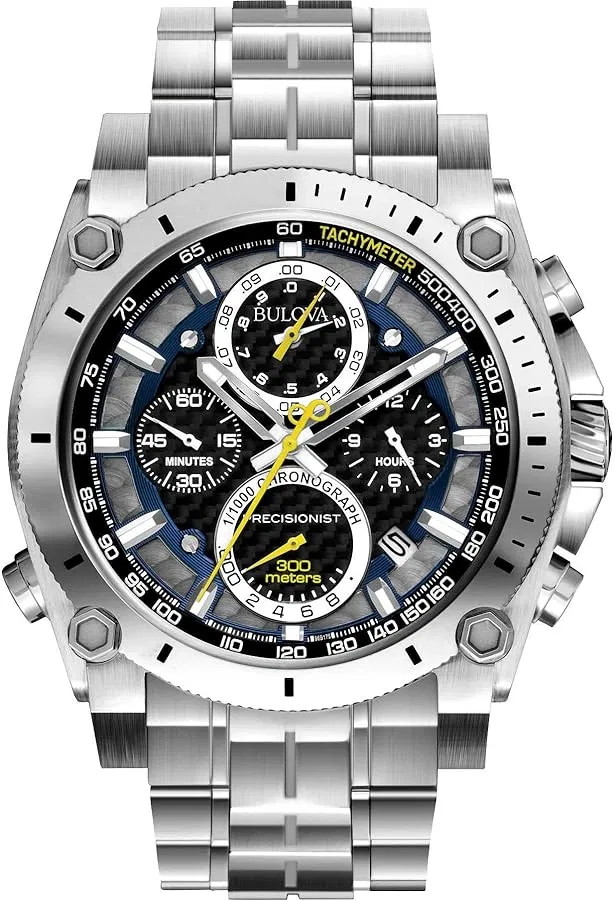
Bulova Precisionist


Bulova Precisionist

Bulova

★★★★★ 4.6 (1,100 reviews)

$219


Check Price on Amazon →

Timex Marlin Automatic 40mm


Timex Marlin Automatic 40mm

Timex

★★★★★ 4.7 (1,106 reviews)

$259


Check Price on Amazon →


Browse all 75+ expert-reviewed watches →


⭐ Why It Matters

A watch can make a large historical event feel personal. Its significance comes from the connection between an object, the people who used it and the surviving evidence.

📚 Sources & Further Reading

Further reading: Fondation de la Haute Horlogerie — watchmaking glossary

Join the Conversation

Which detail in this story interests you most, and would it influence what you wear or collect? Share your thoughts in the comments below.

Read Next

🛍️ Explore designs, gifts and more at the W&M companion shop.
Reading a Dirty Dozen Watch: Dials, Casebacks, and Service History

A Dirty Dozen watch carries clues in its dial and caseback. Learn what those markings reveal—and why condition and service history need context.

Watch Fact of the Day

Watch History: Wednesday, July 1, 2026

A military watch can tell a second story after you turn it over.

The twelve British military watches known as the Dirty Dozen share a recognizable appearance. But examining the markings and replacement parts can be just as revealing as admiring the dial.

🔎 Start with the Purpose

These were working instruments supplied by twelve Swiss manufacturers for British service. Their common features followed practical requirements. The black dial and contrasting numerals were designed to communicate time clearly, rather than distinguish a fashionable collection.

🏹 The Arrow and the Three Letters

The broad arrow is associated with government property. On these watches, the W.W.W. designation identifies Watch, Wrist, Waterproof. Other numbers on the back can distinguish military identification from the manufacturer’s serial numbering.

Those markings are clues, not a complete biography. A number or arrow alone cannot establish every detail of where a watch served. Provenance requires evidence beyond a suggestive engraving.

⚒️ Why Originality Can Be Complicated

A service workshop’s first responsibility was to return equipment to use. Preserving every original component for future collectors was a different priority. Replacement dials, hands, and other parts can therefore become part of a watch’s working history.

That distinction creates an interesting tension. Collectors may prefer untouched examples, while a repaired watch may more visibly demonstrate a long service life. Condition and historical interest are related questions, but they are not identical.

💡 Did You Know?

The name Dirty Dozen came from collecting culture, borrowing the title of the later film. It is a convenient label for a group of twelve suppliers, rather than the official wording of the watches’ wartime designation.

⭐ Why It Matters

Learning to read an object carefully is part of enjoying watch history. The most satisfying story is the one its evidence supports: its construction, markings, records, and changes over time.

A clean dial may be attractive, but a complete assessment asks more. Does the caseback belong with the watch? Are the hands consistent with the example? What documentation explains the replacements? Those questions encourage curiosity rather than an instant conclusion.

Turn a military watch over, and the research often begins where the time display ends.

📚 Sources & Further Reading

Hodinkee — Dirty Dozen markings and restoration history

Read Next

The Dirty Dozen: Twelve Makers, One British Military Watch Brief

Watch Fact of the Day: The ‘Hack’ Function in Watches Was Born from Military Precision!

Join the Conversation

Would you prefer an untouched military watch or one with a documented service history? Share your thoughts in the comments.

Explore watches in the W&M Watch Database.

Category: Watch Facts

Disclaimer: Artwork descriptions reflect an editorial interpretation. Product formats, colours, pricing and availability can change; check the current seller listing before ordering.

🕐 Discover more watch facts, reviews, and buying guides at WatchesAndMore.

🛍️ Explore designs, gifts and more at the W&M companion shop.
📚 Browse the complete W&M Watch Fact Archive.

François Borgel’s 1891 Case: Protecting Watches Before the Oyster

Borgel’s screw-in case helped protect pocket watches from dust and moisture. Its actual construction is more interesting than a disputed first-waterproof-watch claim.

Watch Fact of the Day

Watch History: Tuesday, June 30, 2026

Before a watch could become an everyday companion outdoors, somebody had to stop the outside world getting inside.

Dust and damp were serious enemies of a mechanical movement. François Borgel’s 1891 case patent addressed that problem through a construction that reduced the openings in the watch case.

⚙️ A Case That Opens at the Front

Researcher David Boettcher documents Swiss patent CH4001 and reproduces the construction. The case middle and back were made as one piece. A threaded carrier held the movement, dial, and hands and screwed into the front.

This corrects the earlier description of separate screw-down front and back components. The absence of an opening back was part of the design’s point: one potential entry path had been removed.

🔩 Why the Threads Mattered

The front assembly tightened into the case, bringing the bezel against the case edge. Instead of relying on several hinged openings, the arrangement concentrated access at one principal joint.

The winding stem needed its own solution because the movement rotated during installation. Borgel’s split-stem arrangement accommodated that construction. A seemingly simple protective shell therefore affected the way the movement was fitted and operated.

⌚ From Pocket to Wrist

Borgel cases were used for pocket watches before appearing on wristwatches. The design later became associated with officers’ watches and the demanding conditions of the First World War.

It is safer to describe this as an important step in protection than to declare it the first waterproof watch ever made. Such a claim requires comparing earlier patents, surviving objects, and the meaning of waterproof in each period.

💡 Did You Know?

Borgel was a case maker. A watch bearing the case maker’s trademark could contain a movement supplied by another company. The name inside a case and the name associated with the movement do not always identify the same maker.

⭐ Why It Matters

Watch history is also the history of suppliers and protective engineering. A movement’s accuracy means little if moisture or contamination prevents it from functioning.

Borgel’s contribution rewards looking beyond the dial. The case architecture was a technical idea in its own right, shaping how the complete watch could be assembled and used.

Sometimes the breakthrough surrounds the movement rather than sitting inside it.

📚 Sources & Further Reading

David Boettcher — Borgel history and reproduced patent evidence

Read Next

Early Water-Resistant Watches: The Engineering Behind Keeping Time Dry

Watch Fact of the Day: The Hidden History of the Waterproof Mechanical Watch

Join the Conversation

Which hidden watch feature interests you most: the case, the movement, or the winding system? Share your thoughts in the comments.

Explore watches in the W&M Watch Database.

Category: Watch Facts

Disclaimer: Every effort has been made to keep these watch facts accurate, but the world of horology includes disputed stories and changing product information. Treat this article as a starting point for discovery and consult the linked records or manufacturer information for the exact timepiece. Corrections and additional evidence are welcome in the comments.

🕐 Discover more watch facts, reviews, and buying guides at WatchesAndMore.

🛍️ Explore designs, gifts and more at the W&M companion shop.
📚 Browse the complete W&M Watch Fact Archive.

Early Water-Resistant Watches: The Engineering Behind Keeping Time Dry

Water resistance developed through case construction, sealing, and testing. Explore Borgel’s early approach and the Rolex Oyster’s famous public demonstration.

Watch Fact of the Day

Watch History: Monday, June 29, 2026

Making a watch run accurately was one challenge. Keeping rain, dust, and damp away from its mechanism was another.

The history of water-resistant watches is more interesting than a single invention or advertising slogan. It involves a series of practical questions about where moisture enters and how an owner can still wind and set a protected watch.

💧 Every Opening Is a Design Problem

A case needs a crystal, a way to reach the movement, and controls extending to the outside. Each connection has to be considered. Protecting the back alone does not solve the problem if another opening remains vulnerable.

That is why case construction belongs in the story of watchmaking alongside escapements and balance springs. Protection determines where a precision instrument can be used.

🔩 An Earlier Approach: Borgel

François Borgel’s 1891 screw-case design used a one-piece back and middle, with the movement assembly screwed in from the front. David Boettcher’s research documents the patent and explains how reducing the number of joints improved protection against dust and damp.

This provides a concrete example before the Rolex Oyster. It does not justify calling every early protective case a dive watch or treating every historical waterproof claim as equivalent.

🌊 The Oyster and Public Confidence

Rolex dates the Oyster to 1926 and emphasizes the sealed case as a milestone. Its history connects Mercedes Gleitze’s 1927 Channel swimming demonstration with a major publicity campaign for the watch.

The distinction between developing a construction and demonstrating it publicly matters. An engineering solution must work; an audience must also be persuaded to trust it. The Oyster story brings those two activities together.

💡 Did You Know?

A historical description of a watch as waterproof tells us about its original purpose and claims. It does not establish the present sealing condition of a surviving example many decades later.

⭐ Why It Matters

Water resistance helped expand the places where a wristwatch could be useful. It also shows how innovation can be cumulative: different case makers and manufacturers addressed related weaknesses over time.

Our earlier paragraph referred to a vaguely identified Submarine watch and implied one successful swim settled the entire history. Those claims were too broad. Specific constructions and documented milestones give readers a more reliable account.

A watch becomes a better companion when its case is engineered as carefully as the mechanism it protects.

📚 Sources & Further Reading

David Boettcher — Borgel’s protective case

Rolex — History, 1926–1945

Read Next

François Borgel’s 1891 Case: Protecting Watches Before the Oyster

Watch Fact of the Day: The Seiko Diver Proven in Antarctica

Join the Conversation

Which watchmaking advance do you appreciate most: water resistance, shock protection, or improved accuracy? Share your thoughts in the comments.

Explore watches in the W&M Watch Database.

Category: Watch Facts

Disclaimer: Every effort has been made to keep these watch facts accurate, but the world of horology includes disputed stories and changing product information. Treat this article as a starting point for discovery and consult the linked records or manufacturer information for the exact timepiece. Corrections and additional evidence are welcome in the comments.

🕐 Discover more watch facts, reviews, and buying guides at WatchesAndMore.

🛍️ Explore designs, gifts and more at the W&M companion shop.
📚 Browse the complete W&M Watch Fact Archive.