
Watch Fact of the Day
Before a watch could become an everyday companion outdoors, somebody had to stop the outside world getting inside.
Dust and damp were serious enemies of a mechanical movement. François Borgel’s 1891 case patent addressed that problem through a construction that reduced the openings in the watch case.
⚙️ A Case That Opens at the Front
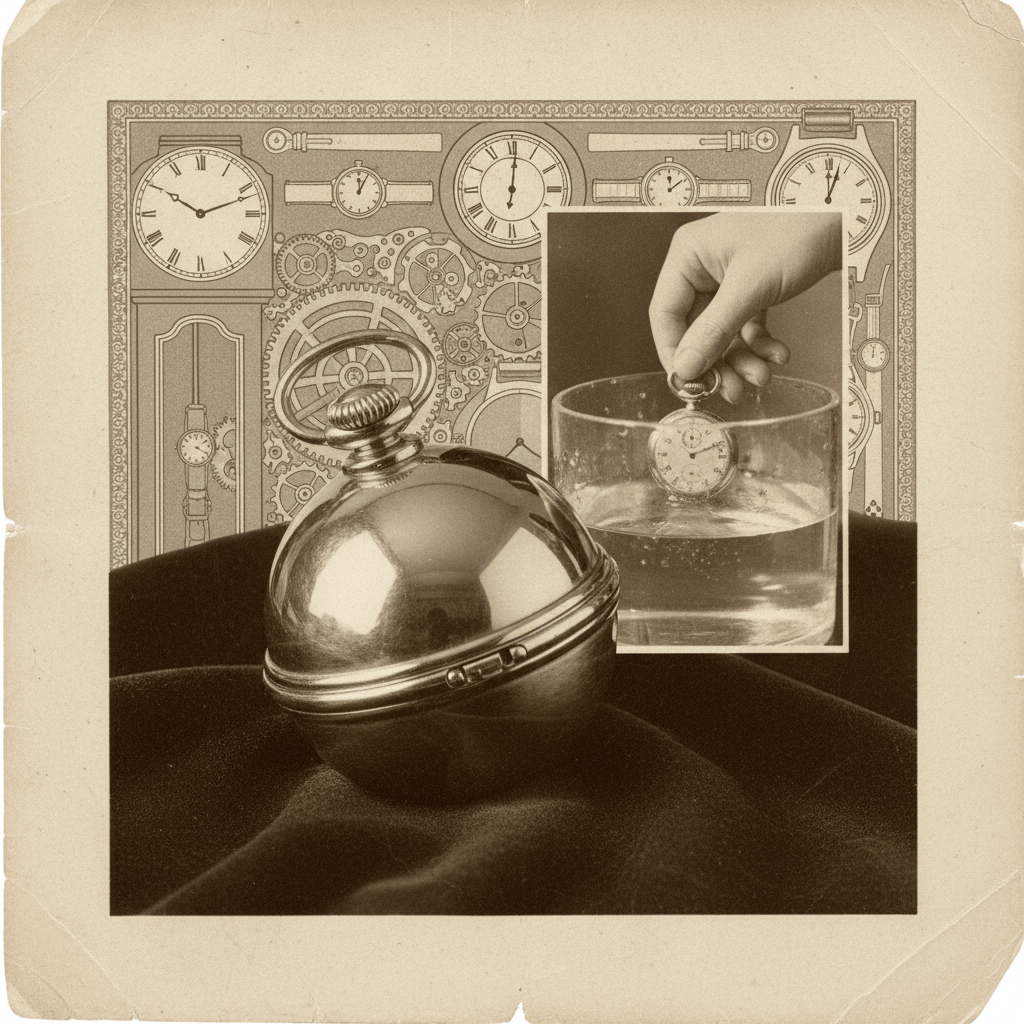
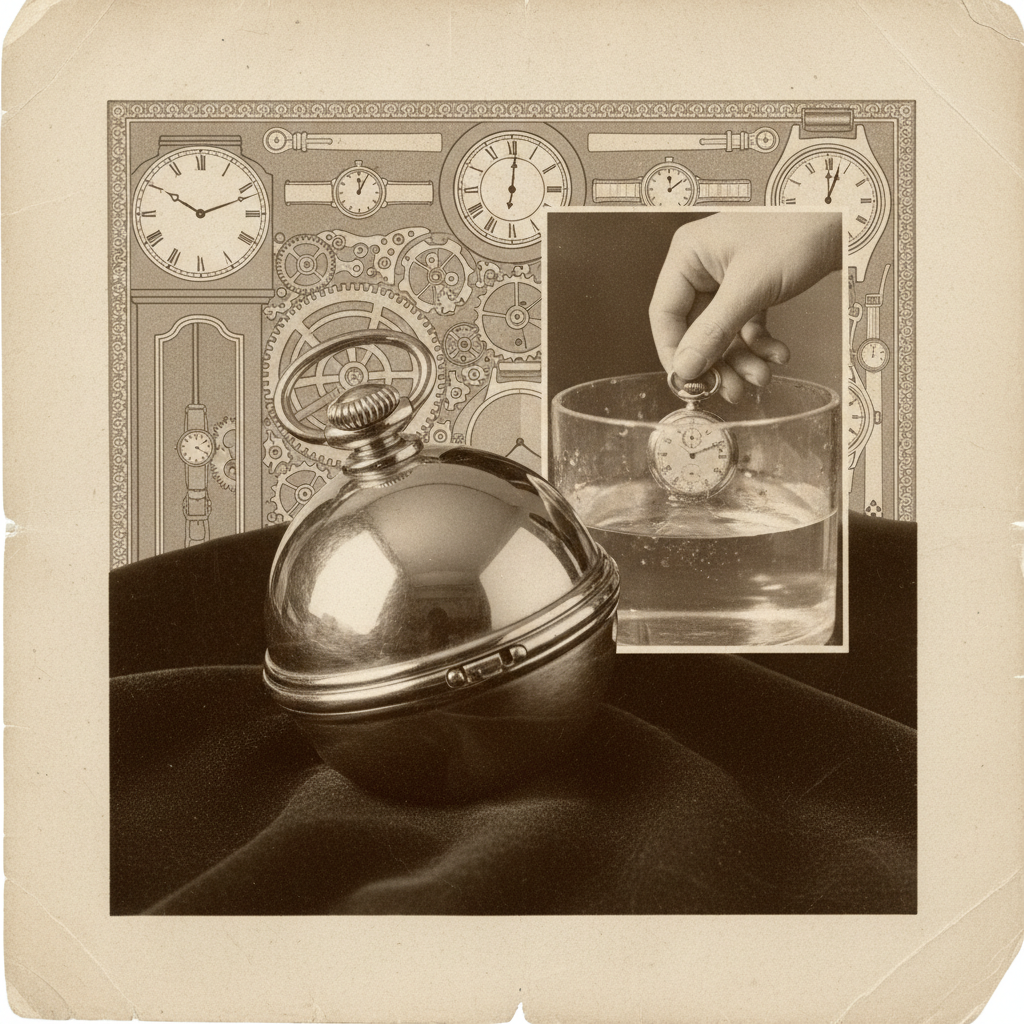
Researcher David Boettcher documents Swiss patent CH4001 and reproduces the construction. The case middle and back were made as one piece. A threaded carrier held the movement, dial, and hands and screwed into the front.
This corrects the earlier description of separate screw-down front and back components. The absence of an opening back was part of the design’s point: one potential entry path had been removed.
🔩 Why the Threads Mattered
The front assembly tightened into the case, bringing the bezel against the case edge. Instead of relying on several hinged openings, the arrangement concentrated access at one principal joint.
The winding stem needed its own solution because the movement rotated during installation. Borgel’s split-stem arrangement accommodated that construction. A seemingly simple protective shell therefore affected the way the movement was fitted and operated.
⌚ From Pocket to Wrist
Borgel cases were used for pocket watches before appearing on wristwatches. The design later became associated with officers’ watches and the demanding conditions of the First World War.
It is safer to describe this as an important step in protection than to declare it the first waterproof watch ever made. Such a claim requires comparing earlier patents, surviving objects, and the meaning of waterproof in each period.
💡 Did You Know?
Borgel was a case maker. A watch bearing the case maker’s trademark could contain a movement supplied by another company. The name inside a case and the name associated with the movement do not always identify the same maker.
⭐ Why It Matters
Watch history is also the history of suppliers and protective engineering. A movement’s accuracy means little if moisture or contamination prevents it from functioning.
Borgel’s contribution rewards looking beyond the dial. The case architecture was a technical idea in its own right, shaping how the complete watch could be assembled and used.
Sometimes the breakthrough surrounds the movement rather than sitting inside it.
📚 Sources & Further Reading
David Boettcher — Borgel history and reproduced patent evidence
Read Next
Early Water-Resistant Watches: The Engineering Behind Keeping Time Dry
Watch Fact of the Day: The Hidden History of the Waterproof Mechanical Watch
Join the Conversation
Which hidden watch feature interests you most: the case, the movement, or the winding system? Share your thoughts in the comments.
Explore watches in the W&M Watch Database.
Category: Watch Facts
Disclaimer: Every effort has been made to keep these watch facts accurate, but the world of horology includes disputed stories and changing product information. Treat this article as a starting point for discovery and consult the linked records or manufacturer information for the exact timepiece. Corrections and additional evidence are welcome in the comments.
🕐 Discover more watch facts, reviews, and buying guides at WatchesAndMore.
🛍️ Explore designs, gifts and more at the W&M companion shop.
Discover more from WatchesAndMoreCO
Subscribe to get the latest posts sent to your email.


One thought on “François Borgel’s 1891 Case: Protecting Watches Before the Oyster”