


📅 Monday, November 2, 2026
Your watch and a sundial can disagree even when both are working perfectly. The Equation of Time explains why—and a remarkable watch complication makes that difference visible.
We organise life around uniform hours and minutes. The Sun follows a less convenient schedule. The interval between successive solar noons varies slightly through the year, so apparent solar time, read from the real Sun, gradually moves ahead of or behind local mean solar time.
☀️ Why the Sun Does Not Keep an Even Schedule
Two effects combine: Earth travels around the Sun in an elliptical orbit, and its rotational axis is tilted. Together, they make the Sun’s apparent progress uneven compared with an imaginary “mean Sun” moving at a steady rate.
The resulting difference is called the Equation of Time. Using apparent solar time minus mean solar time, it reaches roughly 16 minutes ahead in early November and 14 minutes behind in February. Some watch displays use the opposite sign convention, so the maker’s instructions matter.
⚙️ An Astronomical Pattern Stored in Metal
An Equation of Time watch uses a carefully profiled cam and a feeler to translate the annual pattern into a mechanical indication. As the mechanism advances through the calendar, the changing cam profile moves a lever that controls the display.
This is a mechanical representation of a predictable astronomical cycle. The watch does not need to see the sky, and the complication does not correct an inaccurate movement. It adds another way to read time.
⌚ Two Ways to Show the Difference
A conventional display gives an offset on a graduated scale. The wearer applies that difference to the corresponding mean-time reading to obtain apparent solar time.
A running equation of time takes a more direct approach. Breguet’s Marine Tourbillon Équation Marchante 5887 uses separate minute hands for mean and solar time. Its cam-and-feeler mechanism drives the equation indication, allowing the two readings to appear together. The watch also combines a tourbillon and perpetual calendar.
💡 Did You Know?
Longitude and daylight saving time introduce separate differences between a sundial and your everyday clock. An Equation of Time indication alone does not automatically account for all of them. Compare local apparent solar time with local mean solar time first, rather than assuming every sundial should match your time-zone clock.
⭐ Why It Matters
This complication connects a wristwatch to the sky with something you can actually read: the changing gap between two ways of defining time. It makes an abstract relationship tangible through the movement of a hand.
Your watch divides the day evenly. The Equation of Time reveals the Sun’s changing rhythm.
📚 Sources & Further Reading
U.S. Naval Observatory — The Equation of Time
Australian Bureau of Meteorology — The Equation of Time
Breguet — Marine Tourbillon Équation Marchante 5887
Join the Conversation
Would you choose a watch that follows the Sun, or is one minute hand enough? Share your thoughts below.
Category: Fun Quirk
Disclaimer: Every effort has been made to keep these watch facts accurate, but the world of horology is full of myths, disputed stories, and fascinating trivia. Consider these facts a starting point for discovery rather than the final word. If you have corrections or additional insights, let us know—we’re always happy to keep the record ticking in the right direction.
🕐 Discover more watch facts, reviews, and buying guides at WatchesAndMore
🛍️ You Might Also Like
As an Amazon Associate and affiliate partner, WatchesAndMore earns from qualifying purchases.
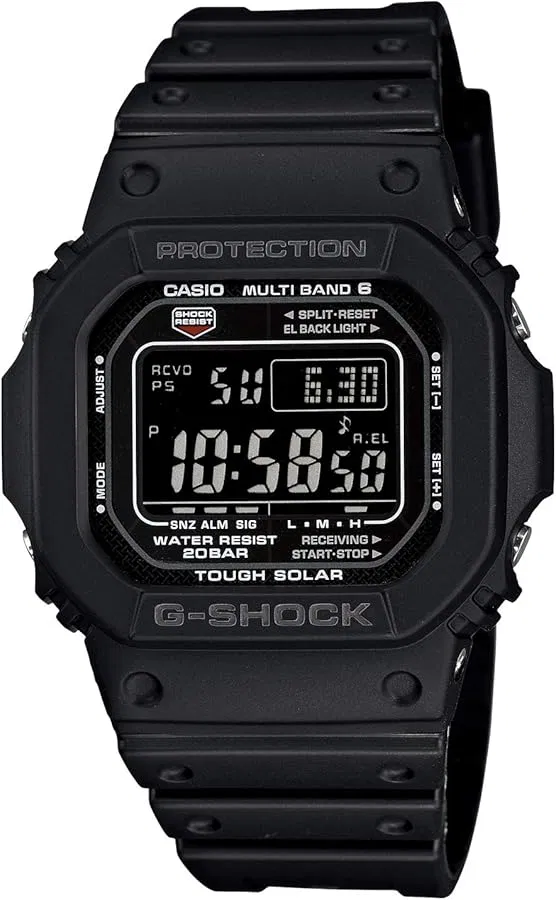
G-Shock GWM5610-1 Solar Atomic
Casio
★★★★★ 4.8 (5,621 reviews)
$129


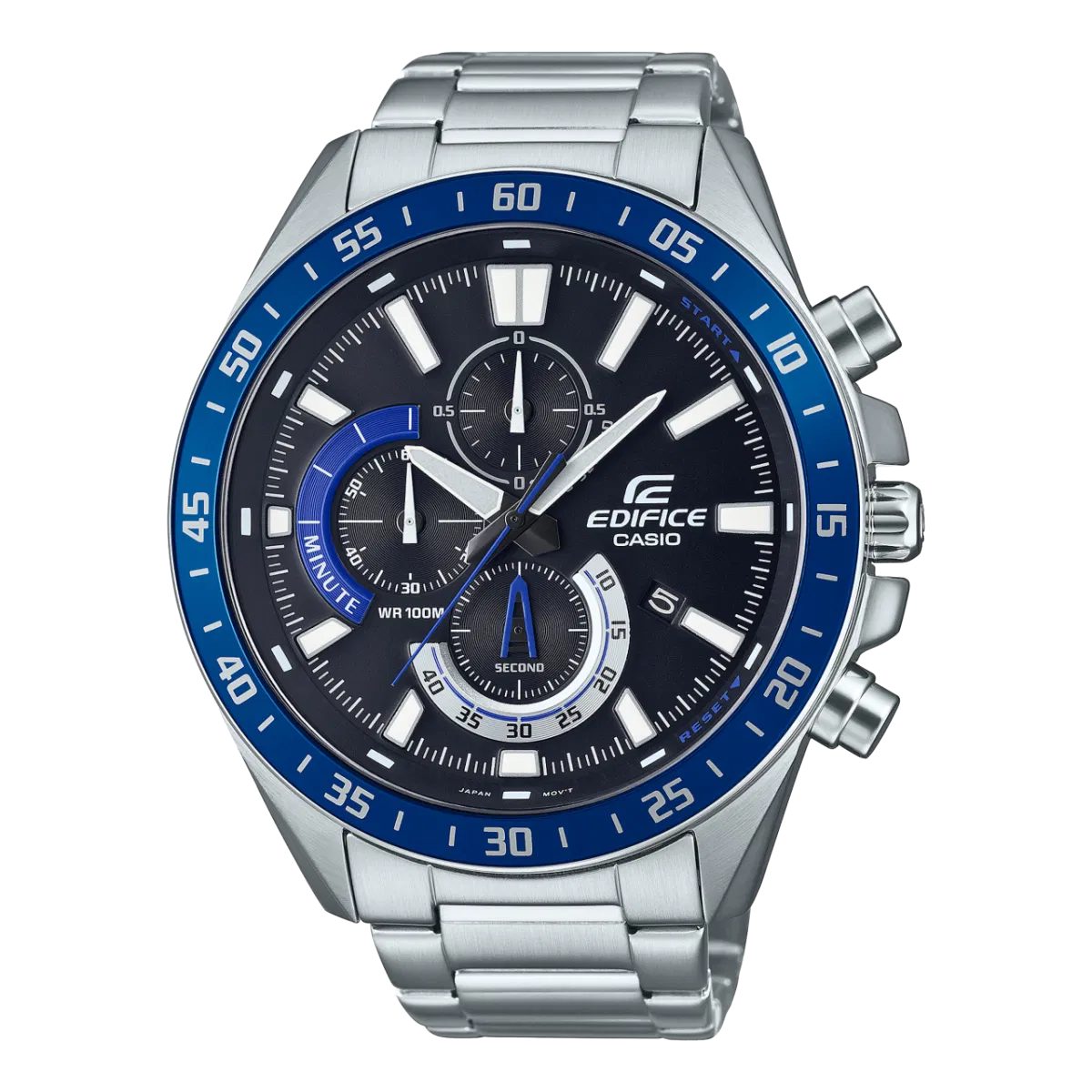
Browse all 142+ expert-reviewed watches →
Discover more from WatchesAndMoreCO
Subscribe to get the latest posts sent to your email.


