
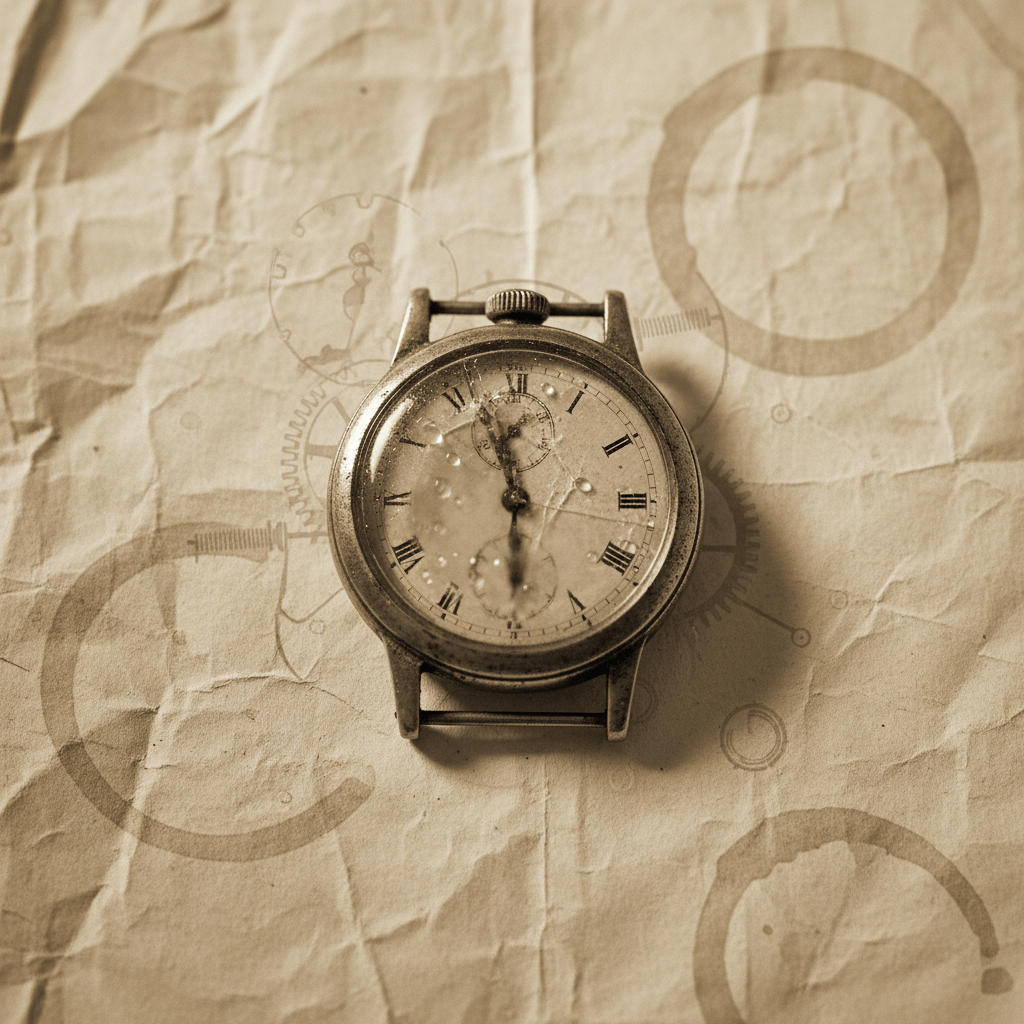
Watch Fact of the Day
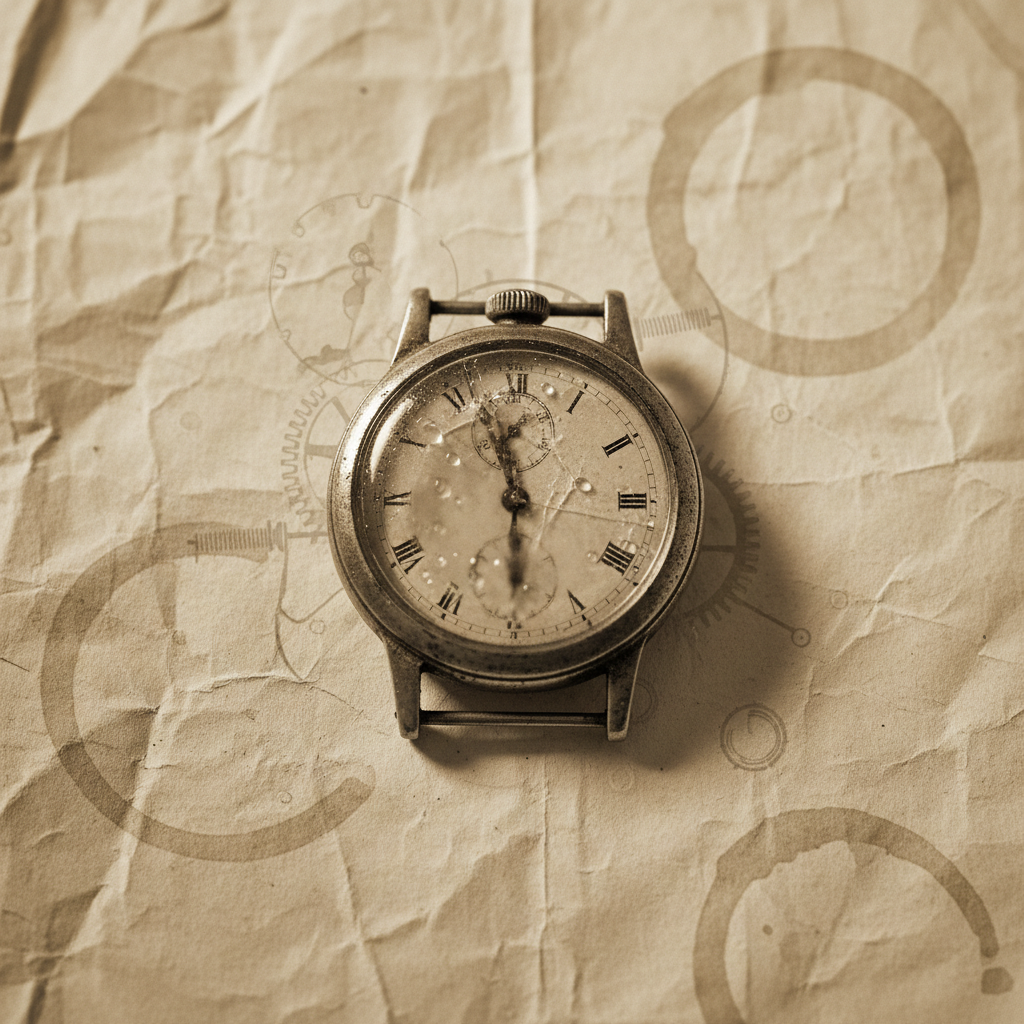
Making a watch run accurately was one challenge. Keeping rain, dust, and damp away from its mechanism was another.
The history of water-resistant watches is more interesting than a single invention or advertising slogan. It involves a series of practical questions about where moisture enters and how an owner can still wind and set a protected watch.
💧 Every Opening Is a Design Problem
A case needs a crystal, a way to reach the movement, and controls extending to the outside. Each connection has to be considered. Protecting the back alone does not solve the problem if another opening remains vulnerable.
That is why case construction belongs in the story of watchmaking alongside escapements and balance springs. Protection determines where a precision instrument can be used.
🔩 An Earlier Approach: Borgel
François Borgel’s 1891 screw-case design used a one-piece back and middle, with the movement assembly screwed in from the front. David Boettcher’s research documents the patent and explains how reducing the number of joints improved protection against dust and damp.
This provides a concrete example before the Rolex Oyster. It does not justify calling every early protective case a dive watch or treating every historical waterproof claim as equivalent.
🌊 The Oyster and Public Confidence
Rolex dates the Oyster to 1926 and emphasizes the sealed case as a milestone. Its history connects Mercedes Gleitze’s 1927 Channel swimming demonstration with a major publicity campaign for the watch.
The distinction between developing a construction and demonstrating it publicly matters. An engineering solution must work; an audience must also be persuaded to trust it. The Oyster story brings those two activities together.
💡 Did You Know?
A historical description of a watch as waterproof tells us about its original purpose and claims. It does not establish the present sealing condition of a surviving example many decades later.
⭐ Why It Matters
Water resistance helped expand the places where a wristwatch could be useful. It also shows how innovation can be cumulative: different case makers and manufacturers addressed related weaknesses over time.
Our earlier paragraph referred to a vaguely identified Submarine watch and implied one successful swim settled the entire history. Those claims were too broad. Specific constructions and documented milestones give readers a more reliable account.
A watch becomes a better companion when its case is engineered as carefully as the mechanism it protects.
📚 Sources & Further Reading
David Boettcher — Borgel’s protective case
Read Next
François Borgel’s 1891 Case: Protecting Watches Before the Oyster
Watch Fact of the Day: The Seiko Diver Proven in Antarctica
Join the Conversation
Which watchmaking advance do you appreciate most: water resistance, shock protection, or improved accuracy? Share your thoughts in the comments.
Explore watches in the W&M Watch Database.
Category: Watch Facts
Disclaimer: Every effort has been made to keep these watch facts accurate, but the world of horology includes disputed stories and changing product information. Treat this article as a starting point for discovery and consult the linked records or manufacturer information for the exact timepiece. Corrections and additional evidence are welcome in the comments.
🕐 Discover more watch facts, reviews, and buying guides at WatchesAndMore.
🛍️ Explore designs, gifts and more at the W&M companion shop.
Discover more from WatchesAndMoreCO
Subscribe to get the latest posts sent to your email.


2 thoughts on “Early Water-Resistant Watches: The Engineering Behind Keeping Time Dry”