

Watch Fact of the Day: The Mystery of Zenith’s El Primero Found in an Attic

Back in the early ’70s, Zenith had a rough time during the quartz crisis and decided to destroy all their gear for making the famous El Primero automatic chronograph. But watchmaker Charles Vermot wasn’t about to let that happen. He secretly stashed away the blueprints and tools in the attic, keeping them safe for a decade. Thanks to his sneaky move, the El Primero’s legendary high-frequency movement was preserved and made a comeback when mechanical watches gained popularity again. What a cool story in the watch world! Just a heads up though, watch trivia can get a bit wild, so take these facts with a pinch of salt.

Brand Spotlight: Thursday, September 3, 2026

📅 Thursday, September 3, 2026

During the Quartz Crisis, mechanical watchmaking suddenly looked like yesterday’s technology. In 1975, Zenith’s management decided to cease production of the celebrated El Primero automatic chronograph movement. Charles Vermot, a veteran watchmaker who had worked on the El Primero, believed abandoning it was a terrible mistake—and even wrote to management arguing that mechanical chronographs would someday return to favor. His appeal went unanswered. Zenith Watches

So Vermot did something extraordinary: he disobeyed the order.

Working secretly—and with help from his brother Maurice—Vermot began preserving the specialized equipment required to manufacture the El Primero. Zenith’s own historical account says he saved roughly 150 presses, weighing more than a ton, along with cams, cutting tools, technical drawings, manufacturing plans and other equipment. He carefully catalogued what he saved and moved it, often at night, up 52 steps into a secluded attic area of Zenith’s sprawling manufacture in Le Locle. Zenith Watches

Then came the final touch worthy of a spy movie: the hiding place was walled off. Behind that wall sat the industrial DNA required to manufacture one of watchmaking’s most important chronograph movements. Had those specialized presses and plans disappeared, recreating the El Primero production system would have required enormous investment—and its revival might never have happened. ZENITH Watches

And the movement Vermot was protecting really was special. Introduced in 1969, the El Primero was an integrated automatic chronograph operating at an unusually high 36,000 vibrations per hour, or 5 Hz, allowing its chronograph mechanism to measure elapsed time to one-tenth of a second. It had been one of the landmark movements in the race to develop the automatic chronograph—and only six years later, its production was being abandoned. Zenith Watches

Vermot’s gamble eventually paid off. Zenith returned to Swiss ownership in 1978, and demand for prestigious mechanical chronographs began recovering during the following years. Ebel became an important early customer for existing El Primero movements, and Zenith ultimately restarted El Primero production in 1984 using the manufacturing knowledge and equipment Vermot had preserved. Later, the movement would gain another extraordinary chapter when a modified El Primero became the basis of the automatic Rolex Daytona beginning in 1988. Zenith Watches

The wonderful part of the story is that Vermot wasn’t preserving a museum exhibit. He preserved an entire manufacturing capability—the plans, tooling and knowledge necessary to make the movement again. Zenith today calls him the “saviour” of the El Primero, and the manufacture still celebrates the secret attic where he hid everything.


💡 Did You Know?

When Charles Vermot secretly saved the El Primero, he wasn’t simply hiding a few blueprints in a desk drawer. He preserved roughly 150 presses, along with specialized cams, cutting tools, technical drawings and manufacturing plans—equipment weighing more than a ton—and helped move it up 52 steps into a hidden section of Zenith’s attic. By carefully cataloguing what he saved, Vermot preserved not just the design of the El Primero, but much of the industrial know-how needed to manufacture it again. When mechanical chronographs returned to favor, Zenith could revive production rather than reconstruct the movement’s manufacturing process from scratch.

One man didn’t just save a movement—he saved the ability to make it. ⌚⚙️🔥

Category: Brand Spotlight

Disclaimer: Every effort has been made to keep these watch facts accurate, but the world of horology is full of myths, disputed stories, and fascinating trivia. Consider these facts a starting point for discovery rather than the final word. If you have corrections or additional insights, let us know—we’re always happy to keep the record ticking in the right direction.

🕐 Discover more watch facts, reviews, and buying guides at WatchesAndMore


🛍️ You Might Also Like

As an Amazon Associate and affiliate partner, WatchesAndMore earns from qualifying purchases.
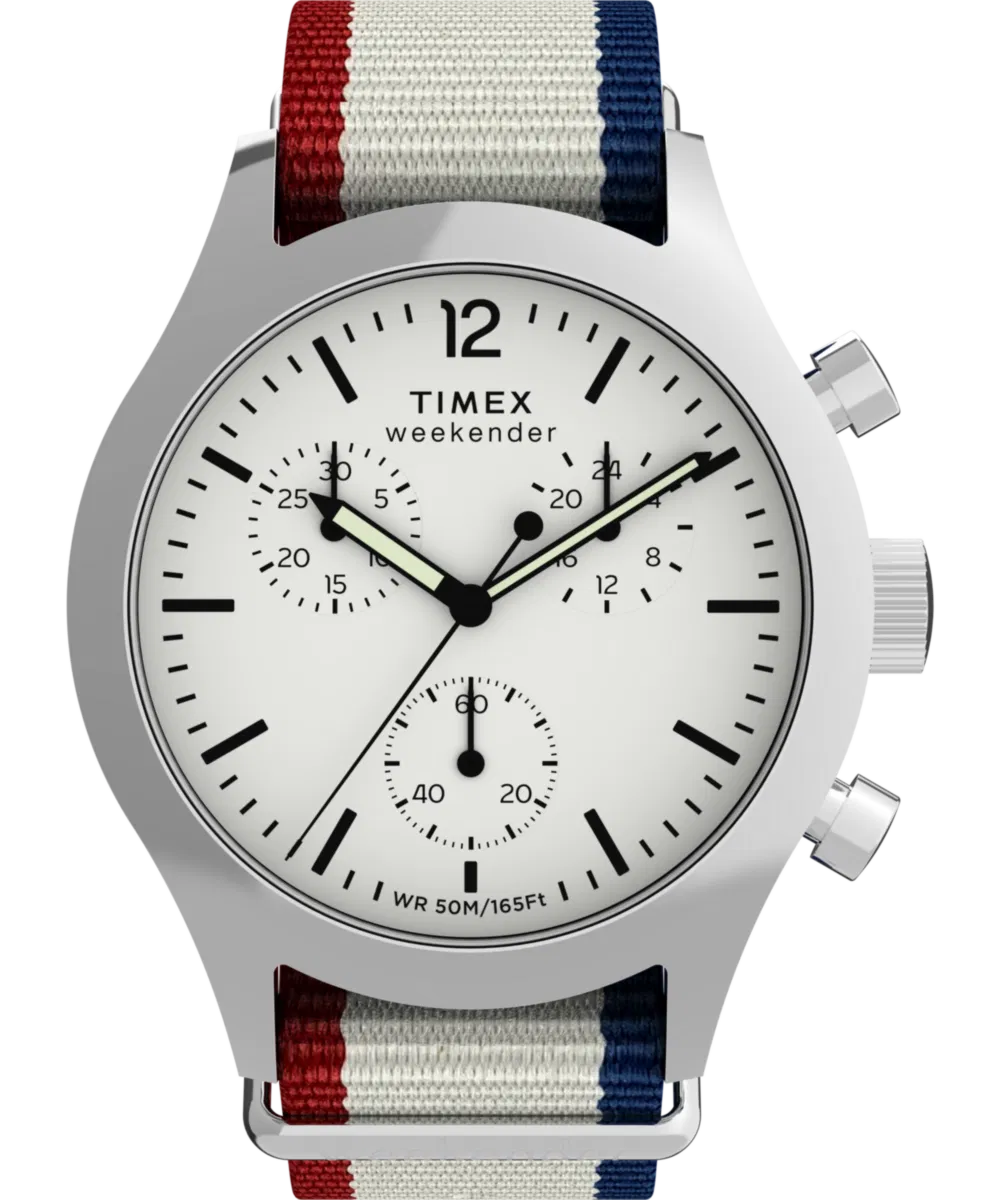
Timex Weekender Chronograph
🔥 Deal of the Day

Timex Weekender Chronograph

Timex

★★★★★ 4.5 (3,041 reviews)

$79

Offer expires in


🔥 Grab This Deal →

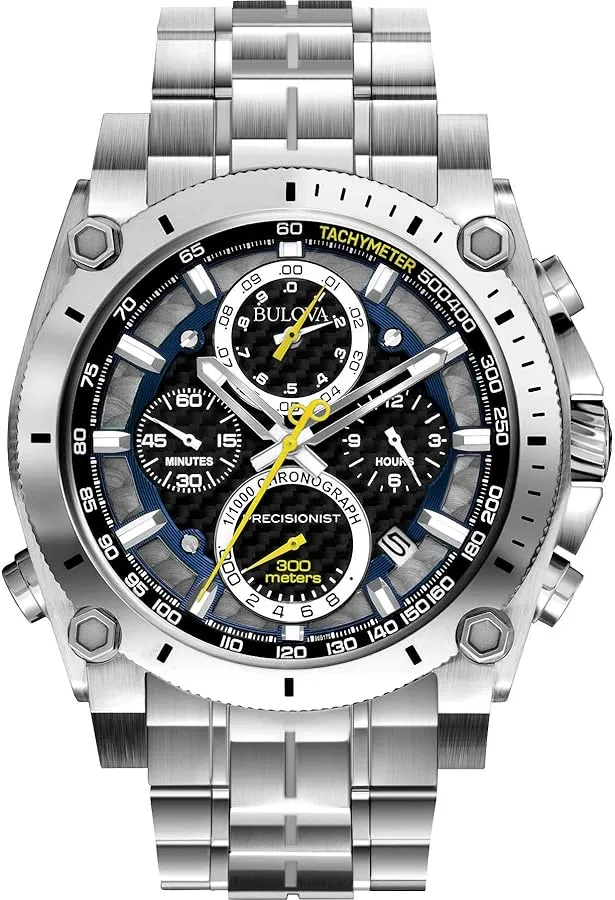
Bulova Precisionist


Bulova Precisionist

Bulova

★★★★★ 4.6 (1,100 reviews)

$219


Check Price on Amazon →

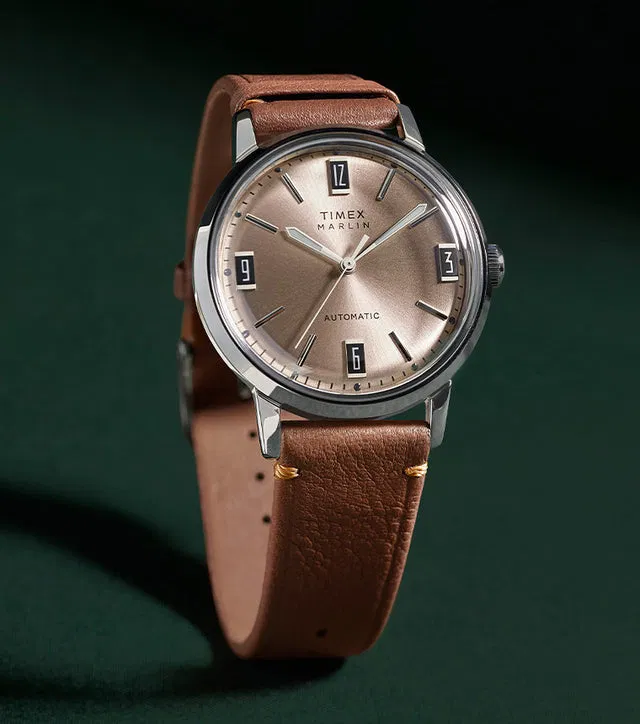
Timex Marlin Automatic 40mm


Timex Marlin Automatic 40mm

Timex

★★★★★ 4.7 (1,106 reviews)

$259


Check Price on Amazon →


Browse all 142+ expert-reviewed watches →

Watch Fact of the Day: The Cartier Tank Was Inspired by a WWI Military Tank

In a twist of historical irony, Louis Cartier reimagined military might into wrist candy when he designed the Cartier Tank in 1917, inspired by a tank’s silhouette. Forget round watches; it’s all about those sleek, parallel brancards representing tank tracks while the case resembles a cozy cabin. This watch isn’t just a pretty face; its bold straight lines and architectural vibe broke the mold of traditional designs and made it a timeless beauty. Over a century later, the Tank still exudes elegance, all while its military origins chuckle in the background. Who knew war machines could look so chic?

Brand Spotlight: Tuesday, September 1, 2026

📅 Tuesday, September 1, 2026

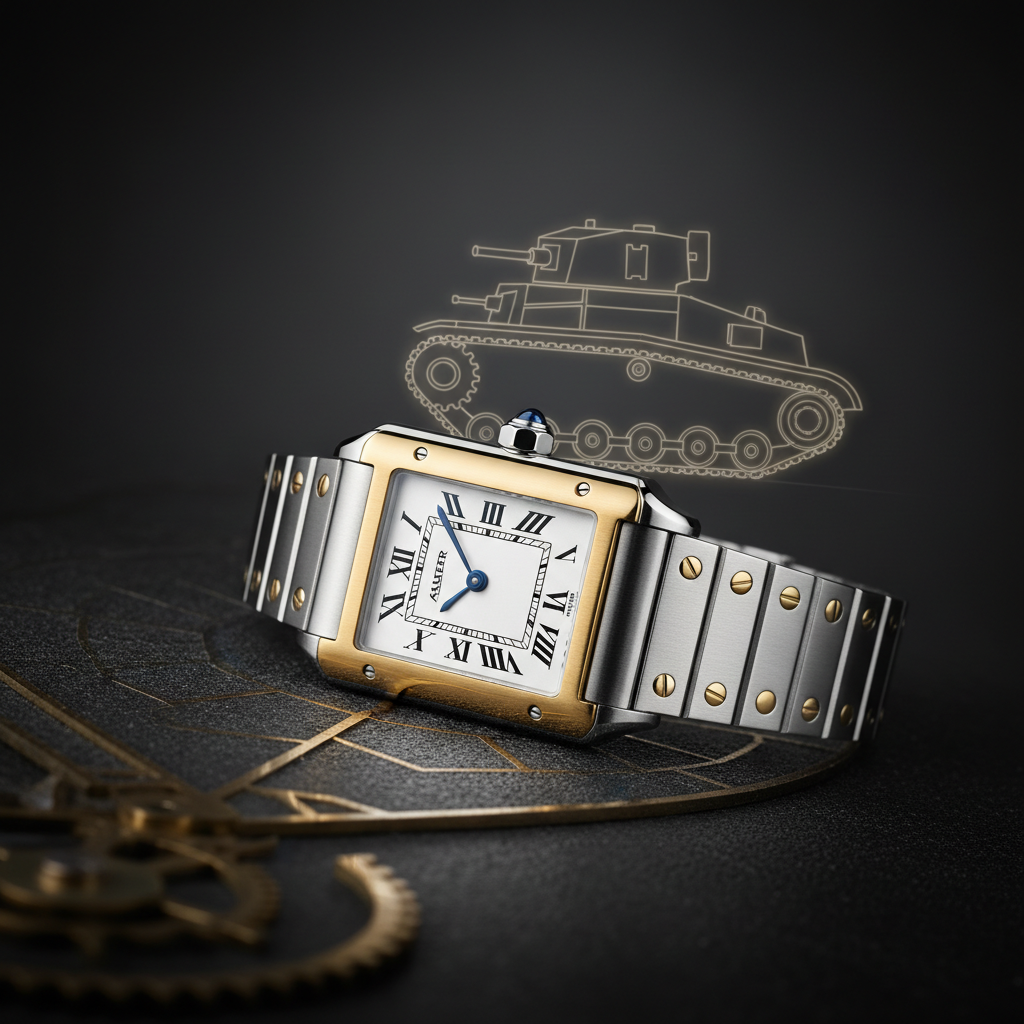
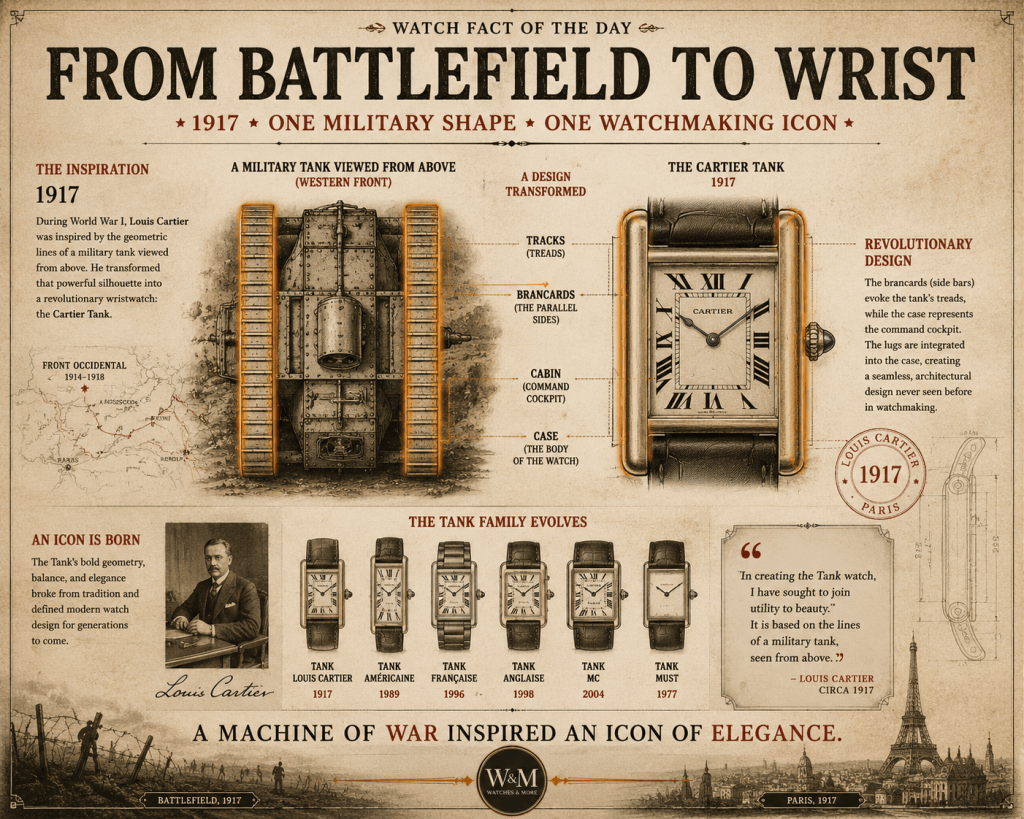
In 1917, while the First World War was still raging across Europe, Louis Cartier created one of the most enduring shapes in watchmaking history. Rather than following the traditional round form of the pocket watch, Cartier drew inspiration from the stark geometry of a military tank viewed from above. The result was a wristwatch whose architecture transformed the machinery of war into something remarkably refined. Denali Development

Look at a Cartier Tank from above and the connection becomes much easier to see. According to Cartier, the watch’s two long parallel brancards represent the tank’s tracks, while the central case corresponds to the vehicle’s cabin. Those brancards became one of the Tank’s defining visual signatures and remain fundamental to the design more than a century later. Denali Development

But Louis Cartier did more than borrow the silhouette of an armored vehicle. The Tank introduced an important design principle: the case flows directly into the bracelet or strap attachments without interrupting the visual rhythm. Cartier describes the design as moving from the square of the dial toward the rectangle of the bracelet, creating an unusually unified relationship between case and strap. Cartier

That geometry was radical for its time. Watches still carried much of the visual language of round pocket watches, while the Tank embraced straight lines, symmetry and architectural proportions. Its rectangular dial, Roman numerals, chemin-de-fer minute track and distinctive parallel sides helped create a watch that looked unmistakably modern—yet would prove remarkably resistant to changing fashion.

The Tank also became the foundation for an entire family of designs. Cartier continued experimenting with its proportions, eventually producing interpretations including the Tank Louis Cartier, Tank Américaine and Tank Française, while retaining those fundamental parallel brancards that visually connect them to the original idea. Denali Development

More than a century later, that’s perhaps the greatest surprise of the Tank. A design whose inspiration came from one of the most imposing machines of World War I became an enduring symbol of elegance, restraint and sophisticated watch design.

💡 Did You Know?

The Tank’s military inspiration isn’t merely watch-world folklore. Cartier itself describes the design using exactly this visual relationship: the brancards correspond to the tracks and the case to the vehicle’s cabin.


Category: Brand Spotlight

Disclaimer: Every effort has been made to keep these watch facts accurate, but the world of horology is full of myths, disputed stories, and fascinating trivia. Consider these facts a starting point for discovery rather than the final word. If you have corrections or additional insights, let us know—we’re always happy to keep the record ticking in the right direction.

🕐 Discover more watch facts, reviews, and buying guides at WatchesAndMore


🛍️ You Might Also Like

As an Amazon Associate and affiliate partner, WatchesAndMore earns from qualifying purchases.

Timex Weekender Chronograph
🔥 Deal of the Day

Timex Weekender Chronograph

Timex

★★★★★ 4.5 (3,041 reviews)

$79

Offer expires in


🔥 Grab This Deal →

Bulova Precisionist


Bulova Precisionist

Bulova

★★★★★ 4.6 (1,100 reviews)

$219


Check Price on Amazon →

Timex Marlin Automatic 40mm


Timex Marlin Automatic 40mm

Timex

★★★★★ 4.7 (1,106 reviews)

$259


Check Price on Amazon →


Browse all 142+ expert-reviewed watches →

ETSY Shop
ETSY Shop
Redbubble Shop
Redbubble Shop
More Watch Facts
More Watch Facts

Watch Fact of the Day: The Watch Dial That Turned Time Into Art

So, the Movado Museum dial is this super iconic watch face designed by Nathan George Horwitt back in 1947. It’s all about that minimalist vibe with just a gold dot at 12 o’clock, symbolizing the sun at noon. Rather than cluttering up the dial with numbers, Horwitt wanted to focus on the flow of time like a sundial. It wasn’t just a trend; this design became a part of Movado’s identity and eventually got a spot at the Museum of Modern Art, marking it as a significant piece in watch history. Talk about less is more!

📅 Sunday, August 23, 2026

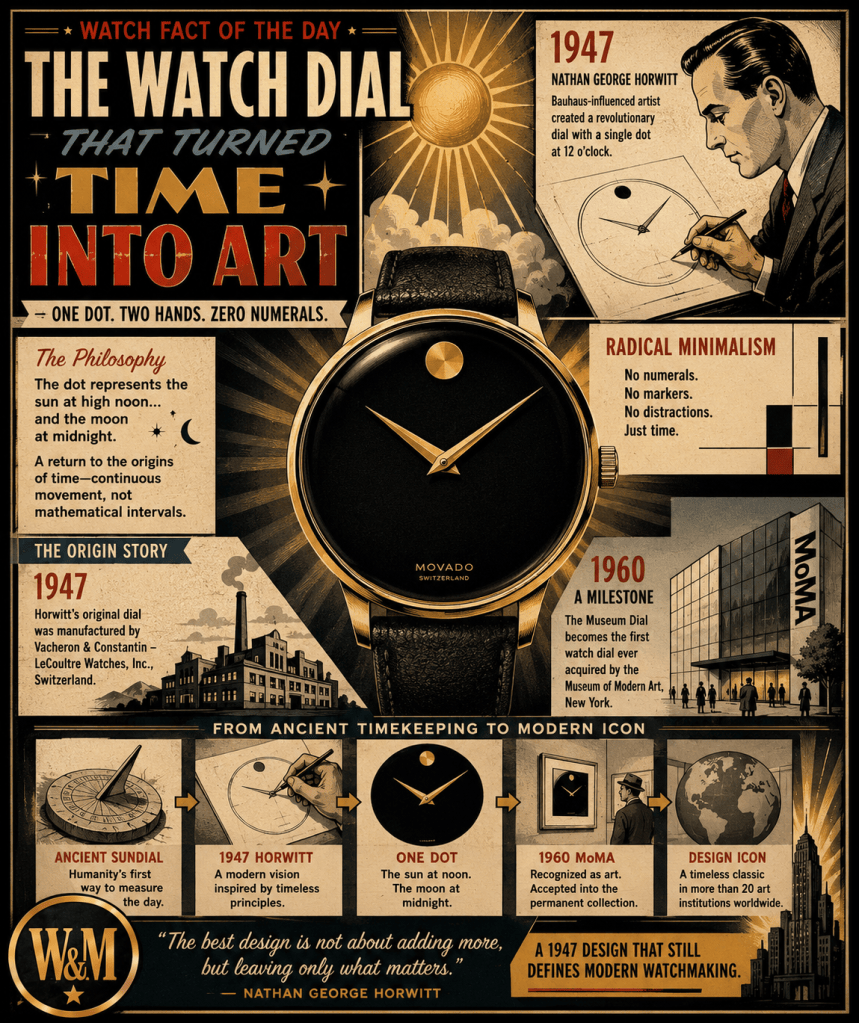
Designed by Bauhaus-influenced artist Nathan George Horwitt in 1947, the iconic Movado Museum dial features a single gold dot at 12 o’clock representing the sun at high noon. While Movado eventually adopted it as their signature look, the design was originally created with the philosophical goal of representing time as a continuous movement rather than mathematical intervals. It became the first watch dial ever acquired by the Museum of Modern Art in New York.


In 1947, American industrial designer Nathan George Horwitt created one of the most radical watch dials of the 20th century by doing something almost unthinkable: he removed virtually everything. No numerals. No conventional hour markers. No decorative clutter. Against the stark dial remained only the hands and a single circular marker at 12 o’clock. Horwitt’s minimalist creation would eventually become inseparable from Movado and one of the most instantly recognizable designs in modern watchmaking.

But that solitary dot wasn’t merely minimalist decoration. Horwitt looked back to perhaps humanity’s oldest method of measuring the day: the sundial. Movado explains that the dot represents the sun at high noon—and the moon at midnight. Rather than covering the dial with numbers that divide time into discrete units, Horwitt stripped the display back to a relationship between the movement of the hands and one celestial reference point.

That makes the Museum Dial a fascinating paradox. It looks futuristic, yet its central idea reaches back thousands of years. A mechanical watch—one of humanity’s most sophisticated timekeeping machines—was visually reduced to something reminiscent of watching a shadow travel around a sundial beneath the sun. Movado describes Horwitt’s design as an exploration of the concept of time that removed unnecessary complications and returned time-telling to its origins.

But Here’s Where the Story Gets Really Interesting…

The dial wasn’t originally born as simply another Movado model. MoMA’s own collection identifies the 1947 object as Nathan George Horwitt’s “Wristwatch Face” and lists its manufacturer as Vacheron & Constantin—Le Coultre Watches, Inc., Switzerland. The museum records it as white gold with an enameled dial and credits it as a gift from Horwitt himself. That makes the early history considerably more interesting than the simplified version in which Horwitt simply designed “the Movado dial” in 1947.

Horwitt’s design subsequently became deeply associated with Movado, and the company transformed that extraordinarily sparse visual language into its defining identity. Today the Museum concept appears throughout Movado’s collections, and the company says versions of the design can be found in more than 20 art institutions around the world.

Then came the achievement that gave the design its enduring name. In 1960, the Museum Dial entered the permanent collection of New York’s Museum of Modern Art. Movado describes it as the first watch dial accepted into MoMA’s permanent collection, while MoMA’s current catalogue confirms the object number 335.1960, its 1947 design date and Horwitt as its designer.

There’s something wonderfully appropriate about that recognition. Most watchmakers spend enormous effort adding information to a dial—indices, scales, complications, subdials and displays. Horwitt achieved immortality by doing almost exactly the opposite. He took nearly everything away.

Category: Brand Spotlight

Disclaimer: Every effort has been made to keep these watch facts accurate, but the world of horology is full of myths, disputed stories, and fascinating trivia. Consider these facts a starting point for discovery rather than the final word. If you have corrections or additional insights, let us know—we’re always happy to keep the record ticking in the right direction.

🕐 Discover more watch facts, reviews, and buying guides at WatchesAndMore


🛍️ You Might Also Like

As an Amazon Associate and affiliate partner, WatchesAndMore earns from qualifying purchases.
Timex Weekender Chronograph
🔥 Deal of the Day

Timex Weekender Chronograph

Timex

★★★★★ 4.5 (3,041 reviews)

$79

Offer expires in


🔥 Grab This Deal →

Bulova Precisionist


Bulova Precisionist

Bulova

★★★★★ 4.6 (1,100 reviews)

$219


Check Price on Amazon →

Timex Marlin Automatic 40mm


Timex Marlin Automatic 40mm

Timex

★★★★★ 4.7 (1,106 reviews)

$259


Check Price on Amazon →


Browse all expert-reviewed watches →

ETSY Shop
ETSY Shop
Redbubble Shop
Redbubble Shop
More Watch Facts
More Watch Facts

Watch Fact of the Day: The Mickey Mouse Watch Saved a Major American Watchmaker

In the midst of the Great Depression, the Ingersoll-Waterbury company was flipping through bankruptcy brochures when it struck gold: a licensing deal with Walt Disney to create a Mickey Mouse watch. Picture this: a watch with Mickey’s arms as the hour and minute hands, turning time-telling into a cartoon caper! Priced originally at $3.25 (the absurdity of spending that during a depression!), it sold like hotcakes, with 11,000 flying off shelves on launch day. This little wristwatch didn’t just save a company; it set the stage for Timex! Who knew a mouse could save a business and become a time-telling icon?

📅 Saturday, August 22, 2026

During the depths of the Great Depression in 1933, the Ingersoll-Waterbury company was facing imminent bankruptcy. Their fortunes completely turned around when they secured a license from Walt Disney to produce the first Mickey Mouse watch, featuring the character’s hands as the hour and minute indicators. Selling for just $2.50, the watch became a massive cultural phenomenon that sold over two million units in just a few years, saving the company from ruin and eventually evolving into modern-day Timex.


In 1933, during the darkest years of the Great Depression, Connecticut’s Waterbury Clock Company was in serious financial trouble. The company had already acquired the American Ingersoll business after its earlier collapse, and by 1932 Waterbury itself had entered receivership. Then came an unlikely lifeline: a licensing agreement with Walt Disney Enterprises to manufacture a watch starring America’s increasingly famous cartoon mouse. Historical documentation credits the resulting Mickey Mouse watches with helping save Waterbury from receivership.

The design was wonderfully simple—and incredibly clever. Mickey Mouse stood in the center of the dial, with his two arms serving as the hour and minute hands, while a small seconds display featured three tiny Mickey figures seemingly chasing one another around the dial. It effectively turned the act of telling time into animation on the wrist, helping establish a formula that generations of character watches would follow.

And here’s our first important correction: the original wristwatch wasn’t launched at $2.50. Disney’s own D23 history records an initial price of $3.25, subsequently reduced to $2.95; a companion Mickey Mouse pocket watch sold for $1.50. That may sound inexpensive today, but in Depression-era America it still represented a meaningful purchase—which makes what happened next even more extraordinary.

The public went absolutely crazy for it. Macy’s reportedly sold 11,000 Mickey Mouse watches on the first day, and Connecticut History reports that more than two million were sold within roughly a year and a half. The Walt Disney Family Museum gives another often-cited figure of 2.5 million within two years. Waterbury’s workforce expanded dramatically as demand exploded; by 1935, contemporary reporting credited Mickey with helping the company add thousands of workers.

The story gets even better. In 1939, when organizers of the New York World’s Fair created a time capsule intended to represent 20th-century American civilization to people thousands of years in the future, an Ingersoll Mickey Mouse watch was among the objects selected for inclusion. A children’s novelty watch had become such a recognizable symbol of its era that someone decided future civilization needed to see one.

And then comes the connection to one of America’s most famous watch names. Waterbury Clock eventually became U.S. Time, and U.S. Time ultimately became Timex. So saying that the Mickey Mouse watch single-handedly “created Timex” would oversimplify a much longer corporate history—but its enormous Depression-era success was an important chapter in the survival of the company that ultimately carried that lineage forward. Even the National Register documentation for Timex’s corporate headquarters specifically describes the Disney contract as having saved Waterbury from receivership.

💡 Did You Know?

By 1957, the Mickey Mouse watch had travelled an astonishing distance from its desperate Depression-era beginnings: the 25-millionth Mickey Mouse watch was presented to Walt Disney. What began as a licensing gamble for a struggling Connecticut manufacturer had grown into one of the most successful character-watch stories in history.

Category: Brand Spotlight

Disclaimer: Every effort has been made to keep these watch facts accurate, but the world of horology is full of myths, disputed stories, and fascinating trivia. Consider these facts a starting point for discovery rather than the final word. If you have corrections or additional insights, let us know—we’re always happy to keep the record ticking in the right direction.

🕐 Discover more watch facts, reviews, and buying guides at WatchesAndMore


🛍️ You Might Also Like

As an Amazon Associate and affiliate partner, WatchesAndMore earns from qualifying purchases.
Timex Weekender Chronograph
🔥 Deal of the Day

Timex Weekender Chronograph

Timex

★★★★★ 4.5 (3,041 reviews)

$79

Offer expires in


🔥 Grab This Deal →

Timex Marlin Automatic 40mm


Timex Marlin Automatic 40mm

Timex

★★★★★ 4.7 (1,106 reviews)

$259


Check Price on Amazon →

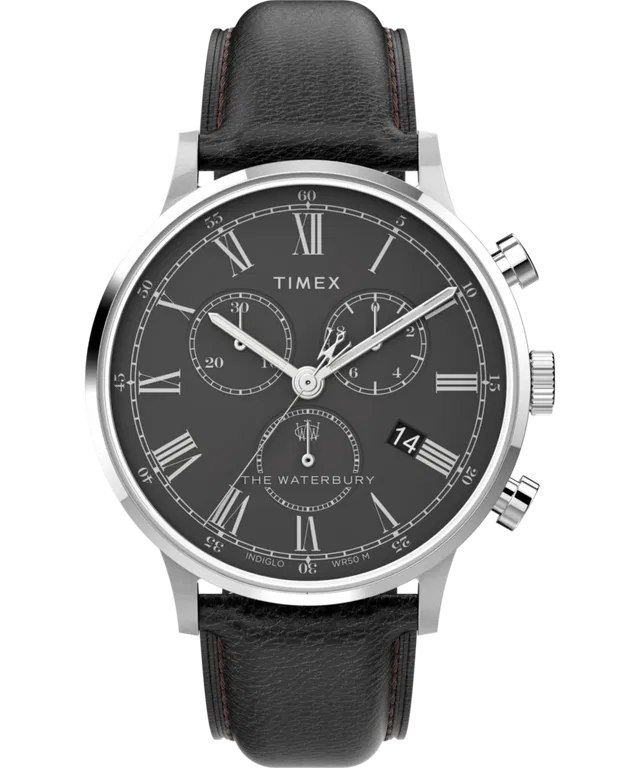
Timex Waterbury Classic Chrono 40mm


Timex Waterbury Classic Chrono 40mm

Timex

★★★★☆ 4.4 (2,880 reviews)

$140


Check Price on Amazon →


Browse all expert-reviewed watches →

ETSY Shop
ETSY Shop
Redbubble Shop
Redbubble Shop
More Watch Facts
More Watch Facts

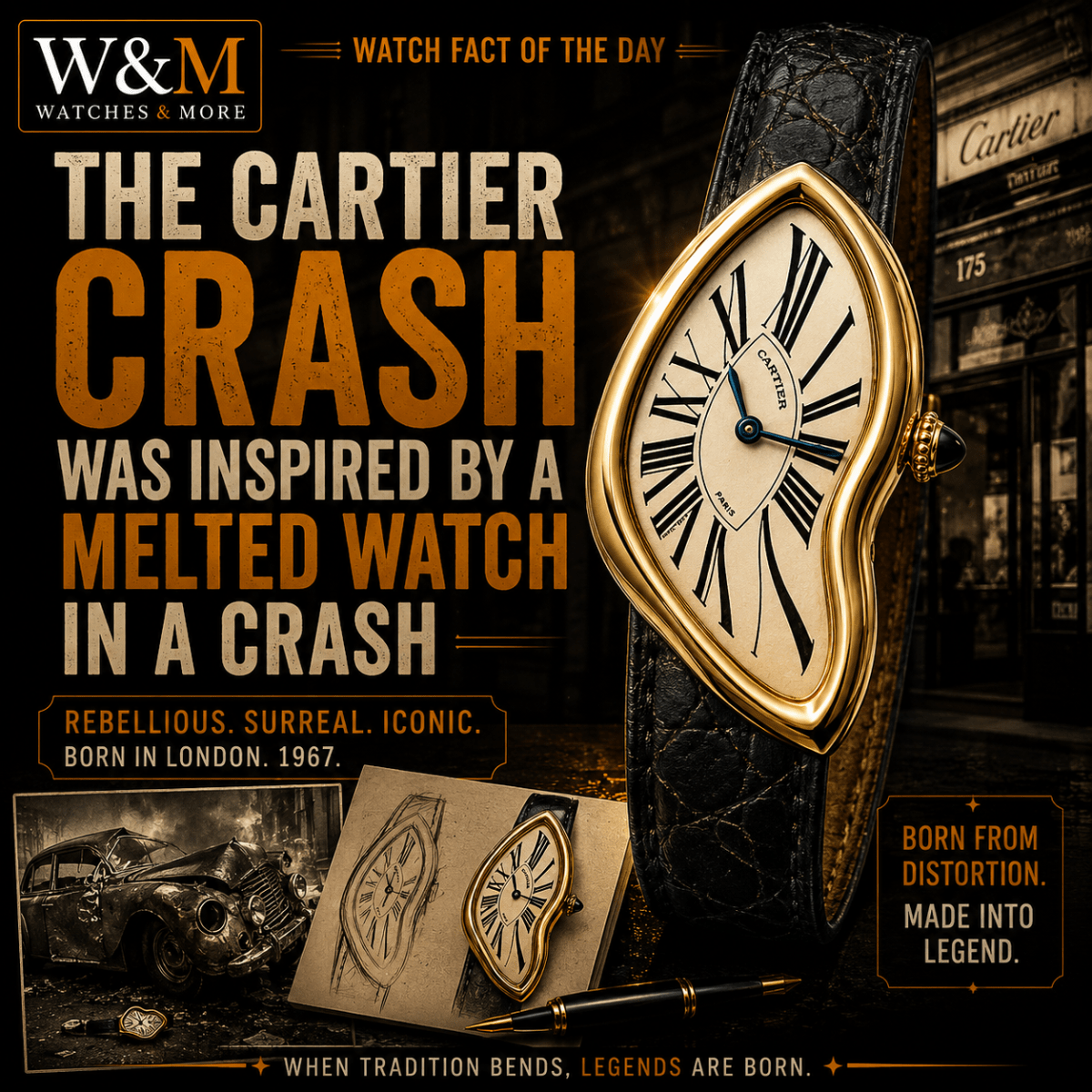
Watch Fact of the Day: The Cartier Crash Was Inspired by a Melted Watch in a Crash

The Cartier Crash watch is a wild icon from the 1960s, rumored to be inspired by a melted timepiece from a car wreck. But forget that legend; its design stems from tweaking another model, the Maxi Oval. Launched in 1967, the Crash was all about breaking away from Paris’s typical styles, showcasing an eccentric shape that bends reality while keeping classic elegance with Roman numerals and precious materials. Over 50 years later, it’s a collector’s dream, with original editions hard to find. The Crash is a beautiful mess in a world full of boring, symmetrical watches, proving that sometimes, chaos can be a masterpiece.

📅 Tuesday, August 18, 2026

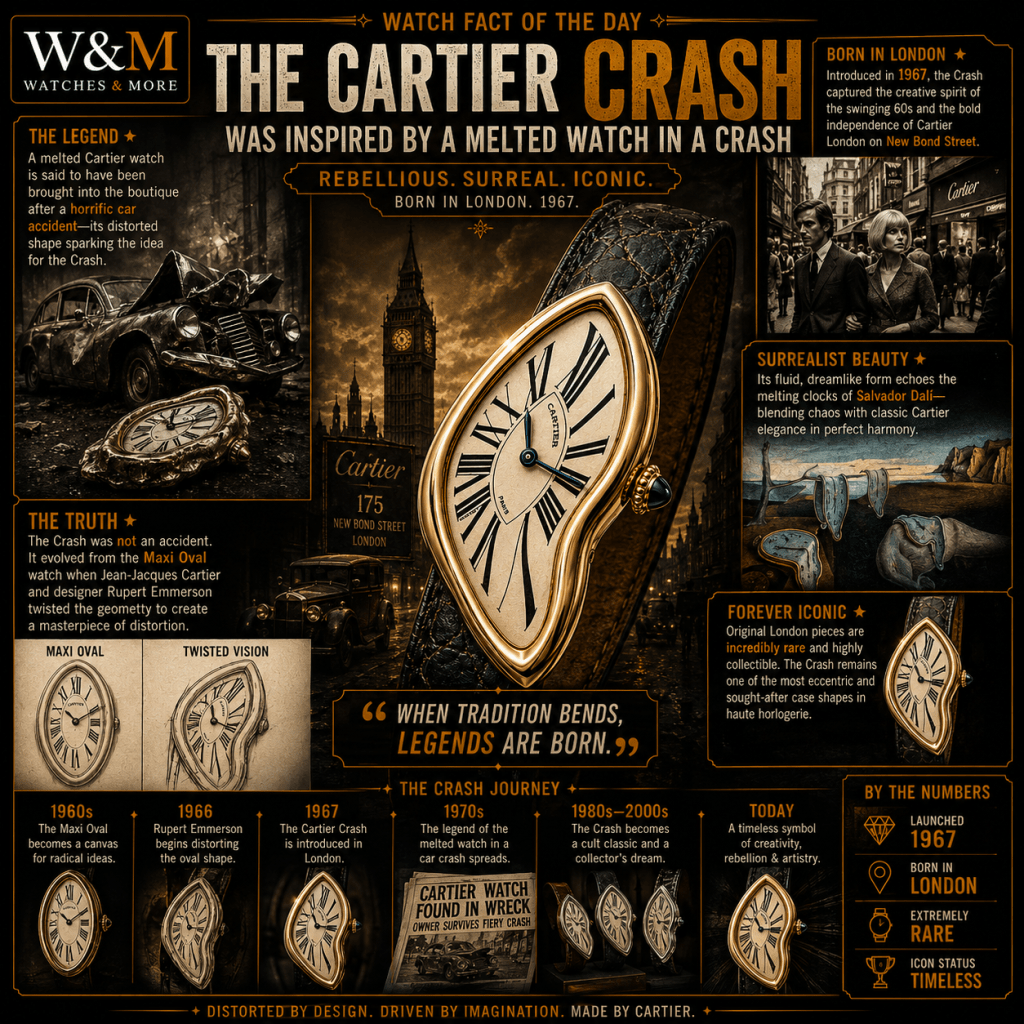
The iconic asymmetrical Cartier Crash, born in London during the swinging 1960s, was long rumored to have been inspired by a melted watch brought into the boutique after a horrific car accident. While urban legend often surrounds its surrealist, Salvador Dalí-esque aesthetic, the design actually evolved from the Maxi Oval watch, when Jean-Jacques Cartier and designer Rupert Emmerson twisted and distorted its geometry to create something unlike any conventional wristwatch. The result was a masterpiece of controlled distortion that remains one of the most coveted and eccentric case shapes in haute horlogerie history.

Introduced by Cartier London in 1967, the Crash perfectly reflected the creative energy surrounding the brand’s New Bond Street operation. Jean-Jacques Cartier wanted the London branch to develop its own identity rather than simply imitate what Cartier was producing in Paris. The Crash became perhaps the ultimate expression of that freedom: its elongated case seems to stretch downward on one side and collapse inward on the other, while the familiar Cartier Roman numerals follow the warped contours of the dial.

The famous car-crash origin story only added to the watch’s mystique. According to the legend, a damaged Cartier watch was recovered from a fiery automobile accident and brought to the London boutique, its case supposedly melted into the strange shape that inspired the Crash. It’s a fantastic story—and one that has been repeated for decades—but historical accounts from the Cartier family point instead toward deliberate experimentation with the Maxi Oval’s form. Rather than an accidental design created by fire, the Crash appears to have been an intentional exercise in making a beautifully constructed watch look as though reality itself had somehow distorted it.

Its resemblance to the melting clocks of Salvador Dalí’s The Persistence of Memory has also encouraged comparisons with Surrealism, although the Crash wasn’t simply a Dalí watch translated onto the wrist. What made it extraordinary was the combination of visual chaos with traditional Cartier elegance: Roman numerals, blued hands, precious metal and classical watchmaking were squeezed into a case that seemed to be bending under an invisible force. That contradiction transformed the Crash from an eccentric novelty into one of the most recognizable designs Cartier ever created.

More than half a century later, the Crash has become a genuine collector phenomenon. Original London examples are extraordinarily scarce, while later Paris editions and modern interpretations have introduced the design to new generations of enthusiasts. In a watch industry dominated by circles, rectangles and carefully balanced symmetry, the Crash remains gloriously unconventional—a watch deliberately designed to look as though something had gone terribly wrong, and which became an icon precisely because Cartier got it so right.


Category: Brand Spotlight

Disclaimer: Every effort has been made to keep these watch facts accurate, but the world of horology is full of myths, disputed stories, and fascinating trivia. Consider these facts a starting point for discovery rather than the final word. If you have corrections or additional insights, let us know—we’re always happy to keep the record ticking in the right direction.

🕐 Discover more watch facts, reviews, and buying guides at WatchesAndMore


🛍️ You Might Also Like

As an Amazon Associate and affiliate partner, WatchesAndMore earns from qualifying purchases.
Timex Weekender Chronograph
🔥 Deal of the Day

Timex Weekender Chronograph

Timex

★★★★★ 4.5 (3,041 reviews)

$79

Offer expires in


🔥 Grab This Deal →

Bulova Precisionist


Bulova Precisionist

Bulova

★★★★★ 4.6 (1,100 reviews)

$219


Check Price on Amazon →

Timex Marlin Automatic 40mm


Timex Marlin Automatic 40mm

Timex

★★★★★ 4.7 (1,106 reviews)

$259


Check Price on Amazon →


Browse all expert-reviewed watches →

ETSY Shop
ETSY Shop
Redbubble Shop
Redbubble Shop
More Watch Facts
More Watch Facts

Watch Fact of the Day: The Seiko Astron — When Quartz Cost as Much as a Car!

Back in the day, Seiko dropped the Quartz Astron on December 9, 1969, and it cost as much as a decent Toyota car. Crazy, right? But still, every one of the 100 limited edition gold pieces sold out instantly, kickstarting the quartz revolution in watches. This piece of horology history changed the game forever. Just a heads up though, while we aim to get our watch facts straight, there’s a lot of myths and stories out there in the watch world. So, consider this info a jumping-off point, and feel free to share any cool corrections you’ve got!

Brand Spotlight: Sunday, August 9, 2026

📅 Sunday, August 9, 2026

Today we often associate quartz watches with affordable, everyday timekeeping. But when Seiko unveiled the Quartz Astron 35SQ on December 25, 1969, quartz represented the absolute cutting edge of watchmaking technology. The world’s first commercially marketed quartz wristwatch arrived in an 18-karat yellow-gold case with an astonishing price of ¥450,000—approximately the cost of a popular Japanese automobile at the time.


And buyers weren’t simply paying for gold. Inside was technology that seemed almost futuristic in 1969. The Astron’s quartz oscillator vibrated at 8,192 Hz, while its innovative electronic system drove an open-type stepping motor. The result was accuracy of approximately ±0.2 seconds per day and ±5 seconds per month—a dramatic improvement over the mechanical wristwatches of its era. Seiko describes the Astron as offering roughly 100 times the accuracy of a standard mechanical watch.

What began as extremely expensive technology rapidly transformed during the 1970s. Seiko moved toward mass production, quartz technology spread throughout the industry, and increasingly affordable electronic watches began challenging the dominance of traditional mechanical watchmaking. By 1982, quartz watches represented more than half of worldwide watch production.

That makes the original Astron wonderfully ironic from today’s perspective. Quartz didn’t begin as the cheap alternative to mechanical watches—it began as technological luxury. The Astron was a gold-cased demonstration of what the future of timekeeping could achieve, and that future eventually became inexpensive enough to put astonishing accuracy on almost anyone’s wrist.

💡 Did You Know?

Seiko later opened key quartz patents, helping its approach become an industry standard. The company even advertised its confidence in the technology with a remarkably prophetic idea: “Someday all watches will be made this way.”

Category: Brand Spotlight

Disclaimer: Every effort has been made to keep these watch facts accurate, but the world of horology is full of myths, disputed stories, and fascinating trivia. Consider these facts a starting point for discovery rather than the final word. If you have corrections or additional insights, let us know—we’re always happy to keep the record ticking in the right direction.

🕐 Discover more watch facts, reviews, and buying guides at WatchesAndMore


🛍️ You Might Also Like

As an Amazon Associate and affiliate partner, WatchesAndMore earns from qualifying purchases.
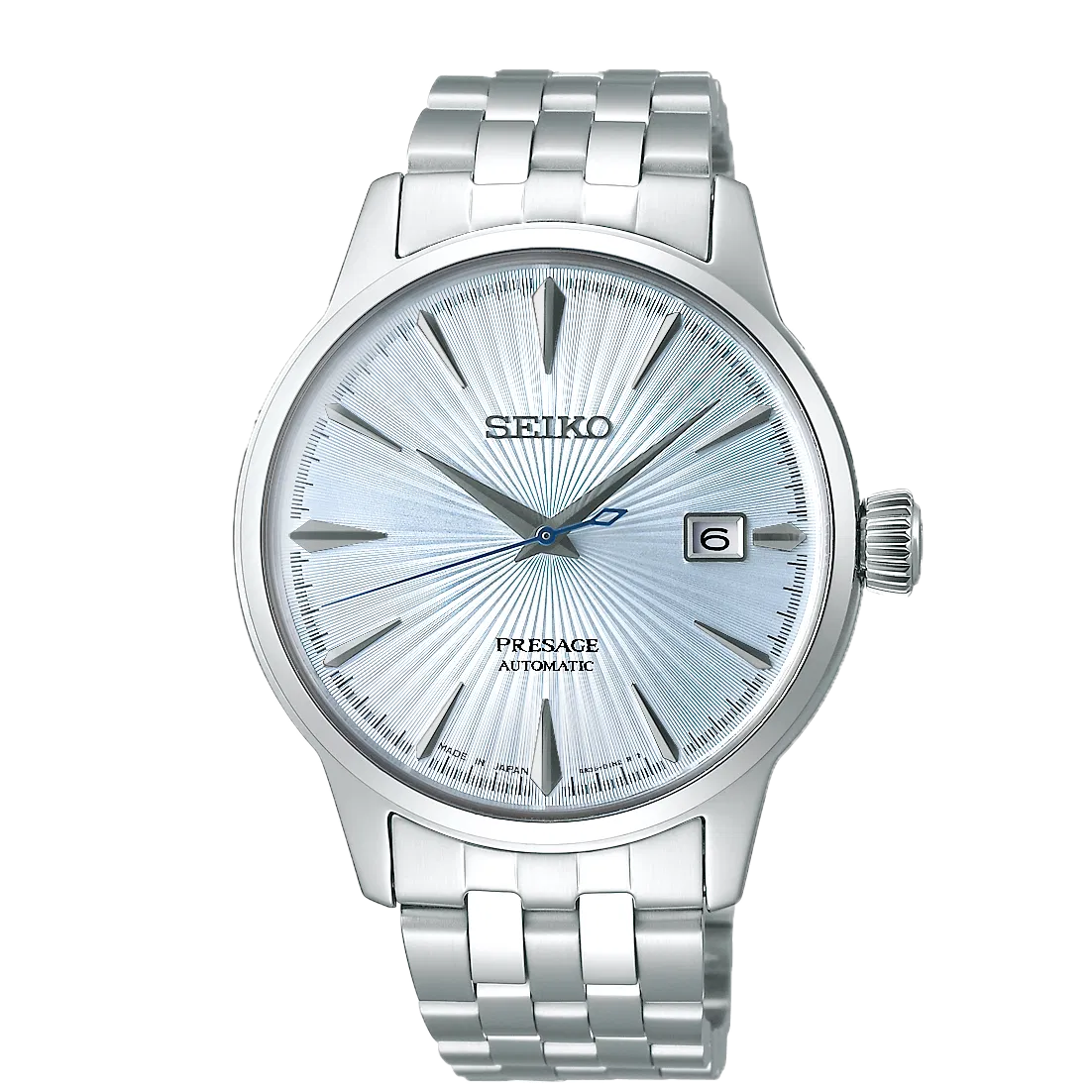
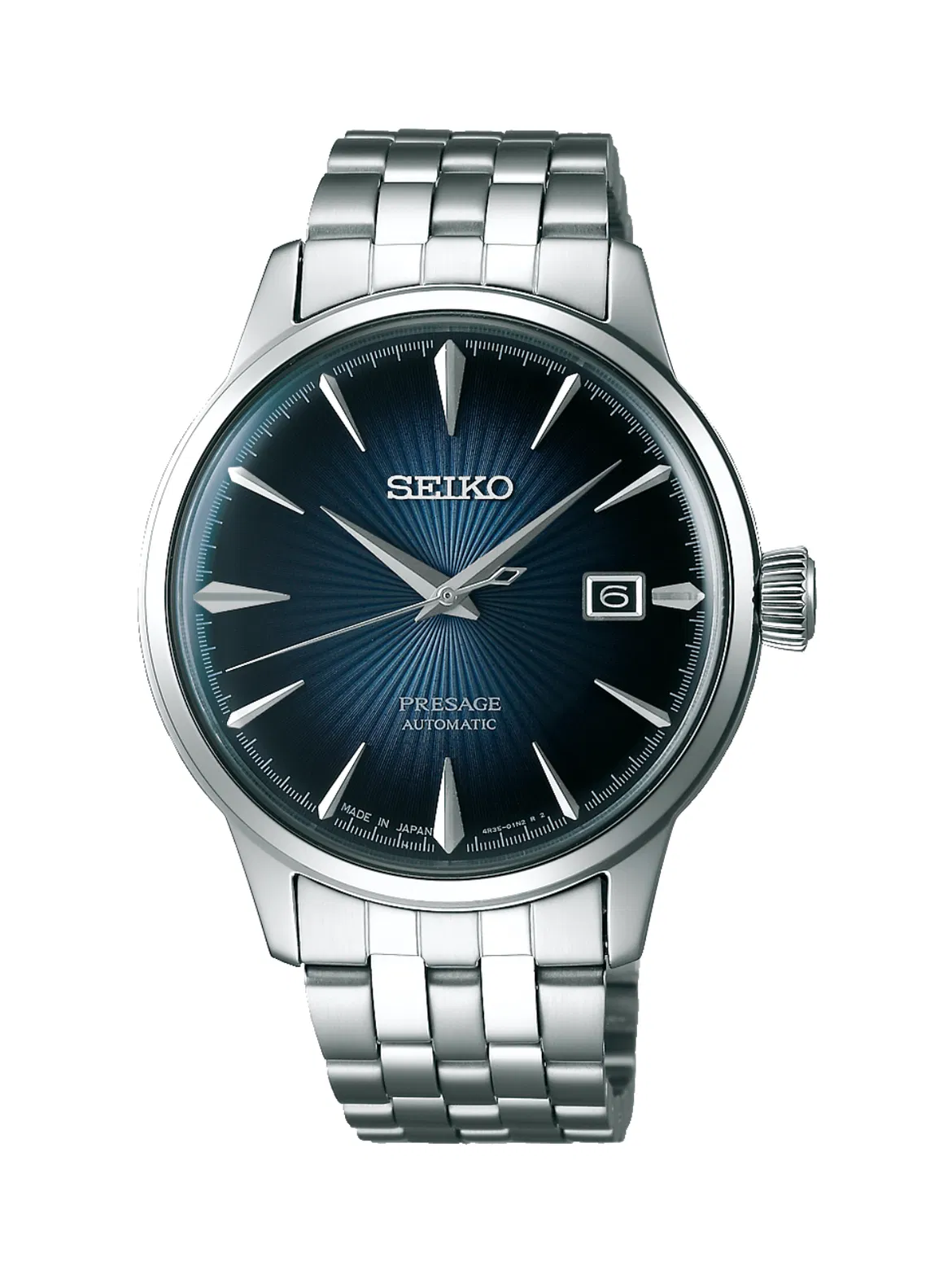
Seiko Presage Cocktail Time
🔥 Deal of the Day

Seiko Presage Cocktail Time

Seiko

★★★★☆ 4.4 (1,173 reviews)

$425

Offer expires in


🔥 Grab This Deal →

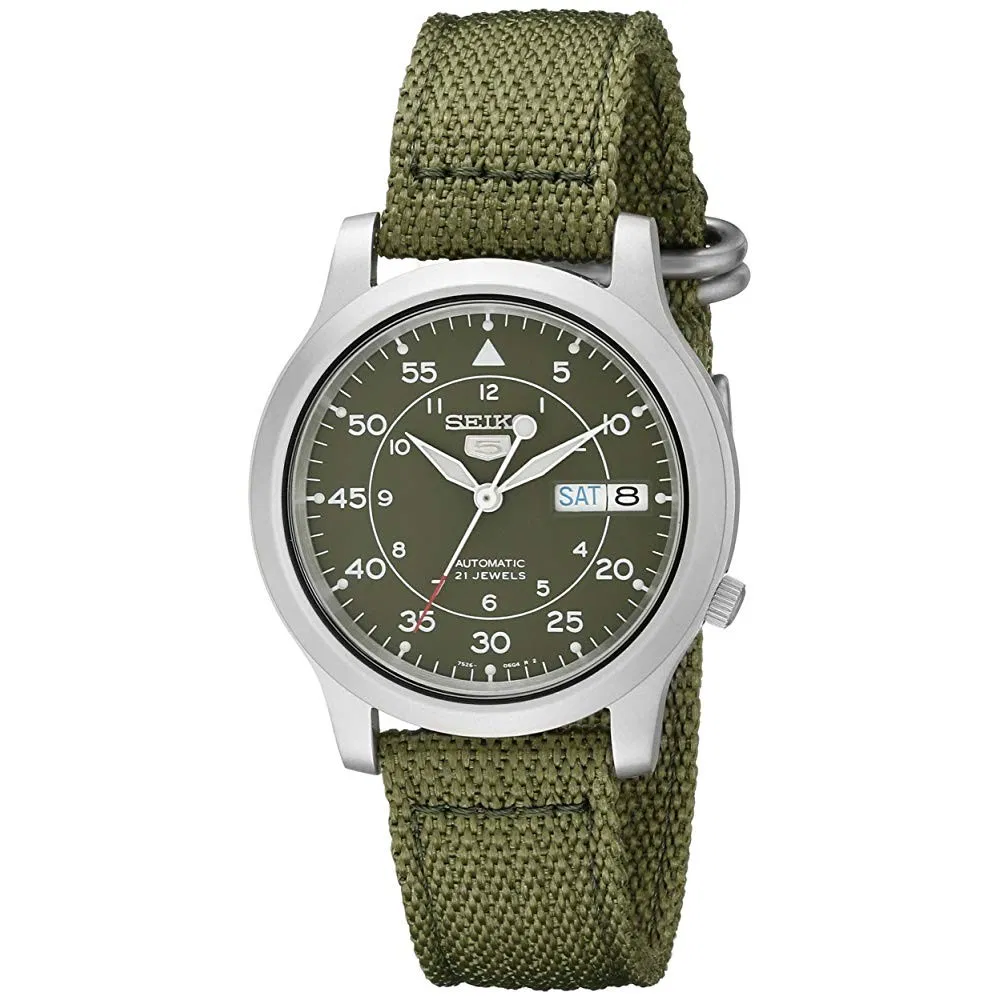
Seiko 5 SNK805 Green Military


Seiko 5 SNK805 Green Military

Seiko

★★★★★ 4.8 (6,961 reviews)

$89


Check Price on Amazon →

Seiko Presage Cocktail Time Blue Moon


Seiko Presage Cocktail Time Blue Moon

Seiko

★★★★★ 4.7 (946 reviews)

$395


Check Price on Amazon →


Browse all 142+ expert-reviewed watches →

ETSY Shop
ETSY Shop
Redbubble Shop
Redbubble Shop
More Watch Facts
More Watch Facts

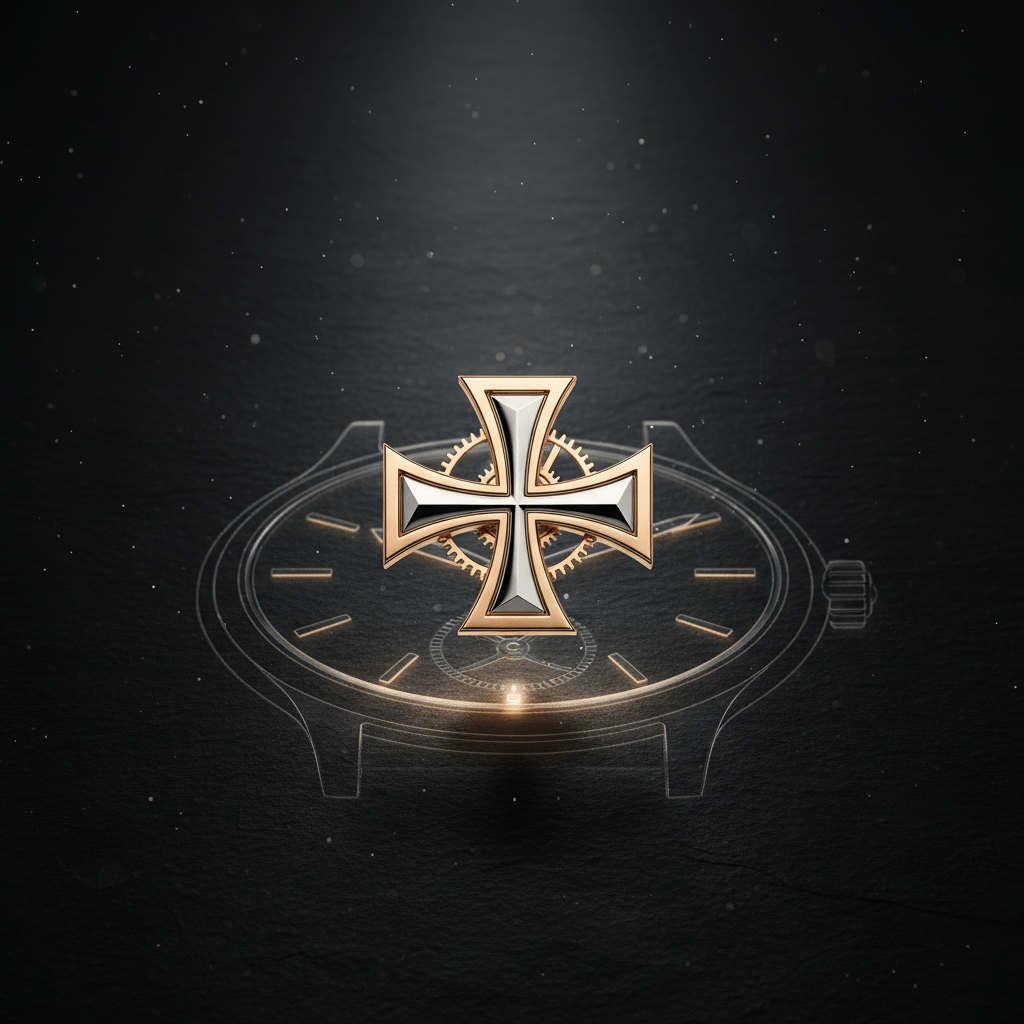
Calatrava symbol

https://watchesandmoreco.blog/2026/07/16/watch-fact-of-the-day-the-calatrava-cross-symbol-not-just-a-pretty-logo/

Watch Fact of the Day: The ‘Calatrava Cross’ Symbol: Not Just a Pretty Logo!

The distinctive ‘Calatrava Cross’ logo found on Patek Philippe watches is not merely an aesthetic choice. It is a historical symbol derived from the Calatrava O

Brand Spotlight: Thursday, July 16, 2026

📅 Thursday, July 16, 2026

The distinctive ‘Calatrava Cross’ logo found on Patek Philippe watches is not merely an aesthetic choice. It is a historical symbol derived from the Calatrava Order, a Spanish military and religious order founded in the 12th century. Antoine Norbert de Patek, one of the brand’s founders, was a Polish nobleman who adopted the symbol in 1887, signifying independence, courage, and excellence, values he associated with his watchmaking house.


The Order of Calatrava, established in 1158, was dedicated to defending the fortress of Calatrava in medieval Spain during the Reconquista. Its emblem—a stylized cross with fleur-de-lis-shaped arms—became associated with honor, loyalty, discipline, and unwavering commitment. When Patek Philippe adopted the symbol in the late 19th century, it wasn’t intended to suggest any religious affiliation, but rather to embody the same ideals of strength, integrity, and enduring excellence that the company sought to reflect in its watches.

Today, the Calatrava Cross is one of the most recognizable logos in all of horology, appearing on everything from crowns and clasps to movement rotors and presentation boxes. It has become synonymous with meticulous craftsmanship and timeless design, instantly identifying a watch as part of one of Switzerland’s most prestigious manufactures. Unlike many luxury logos that have evolved over time, the Calatrava Cross has remained remarkably consistent for well over a century.

Interestingly, the famous Calatrava collection itself wasn’t introduced until 1932, decades after the company adopted the emblem. Inspired by the minimalist Bauhaus philosophy of “form follows function,” the collection became the perfect expression of understated elegance. Together, the Calatrava Cross and the Calatrava watch have become enduring symbols of Patek Philippe’s philosophy: exceptional craftsmanship, timeless design, and the belief that true luxury is measured not by extravagance, but by perfection in every detail.

Category: Brand Spotlight

Disclaimer: Every effort has been made to keep these watch facts accurate, but the world of horology is full of myths, disputed stories, and fascinating trivia. Consider these facts a starting point for discovery rather than the final word. If you have corrections or additional insights, let us know—we’re always happy to keep the record ticking in the right direction.

🕐 Discover more watch facts, reviews, and buying guides at WatchesAndMore


🛍️ You Might Also Like

As an Amazon Associate and affiliate partner, WatchesAndMore earns from qualifying purchases.
Bulova Precisionist


Bulova Precisionist

Bulova

★★★★★ 4.6 (1,100 reviews)

$219


Check Price on Amazon →

Timex Marlin Automatic 40mm


Timex Marlin Automatic 40mm

Timex

★★★★★ 4.7 (1,106 reviews)

$259


Check Price on Amazon →

Browse all 75+ expert-reviewed watches →

The Watch Advisor
Find Your Perfect Watch

☕ Help Support WatchesAndMore

If you enjoyed this article and would like to help support WatchesAndMore, consider visiting my Etsy Shop or browsing my designs on Redbubble. Every purchase helps support the continued creation of watch reviews, historical articles, buying guides, videos, and all the free content you enjoy here on the website and on YouTube.
Your support allows me to spend more time researching fascinating stories from the world of horology, testing new watches, and producing high-quality content for collectors and enthusiasts around the globe. Whether you’re looking for unique watch-themed merchandise or simply want to support the channel, every order is genuinely appreciated. Thank you for being part of the WatchesAndMore community—your support helps keep the passion for watches alive! ⌚🍻