
Watch Fact of the Day: The Cartier Tank Was Inspired by a WWI Military Tank

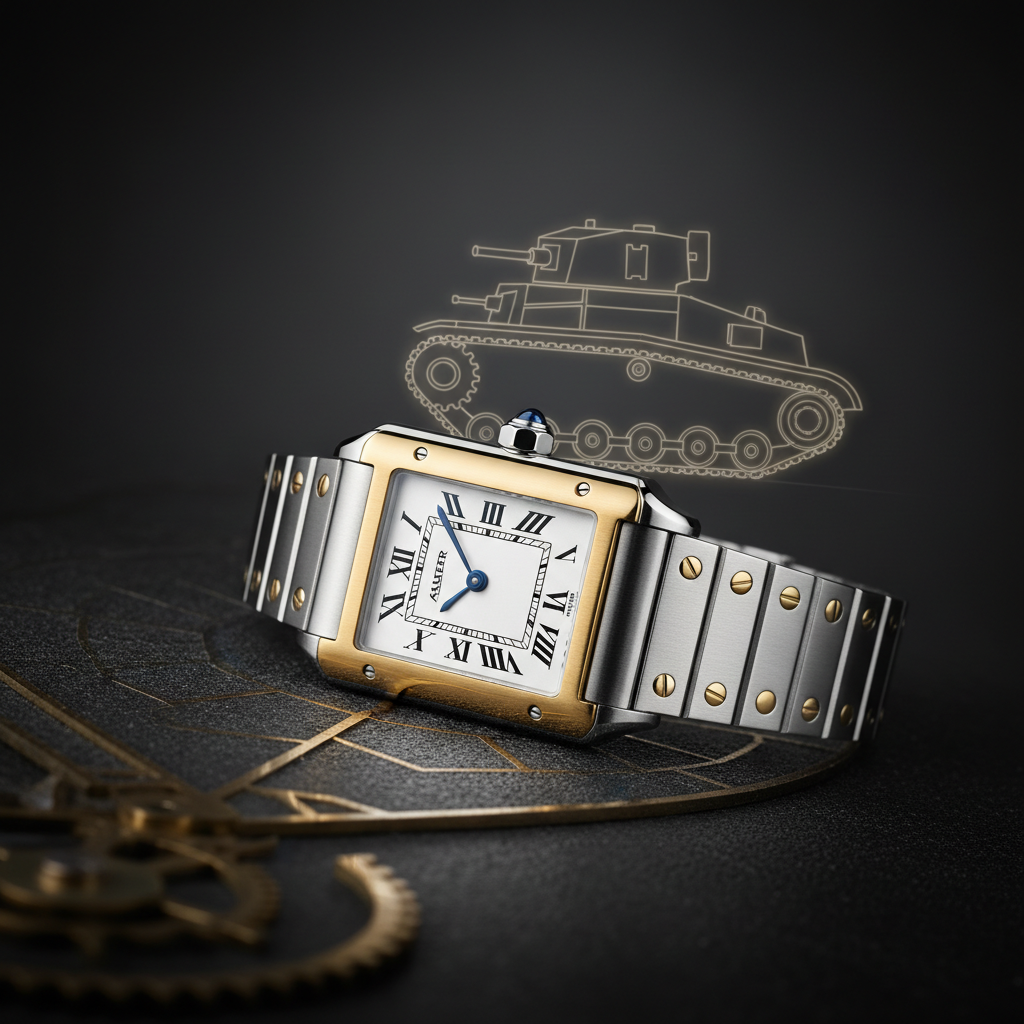
In a twist of historical irony, Louis Cartier reimagined military might into wrist candy when he designed the Cartier Tank in 1917, inspired by a tank’s silhouette. Forget round watches; it’s all about those sleek, parallel brancards representing tank tracks while the case resembles a cozy cabin. This watch isn’t just a pretty face; its bold straight lines and architectural vibe broke the mold of traditional designs and made it a timeless beauty. Over a century later, the Tank still exudes elegance, all while its military origins chuckle in the background. Who knew war machines could look so chic?

Brand Spotlight: Tuesday, September 1, 2026

📅 Tuesday, September 1, 2026

In 1917, while the First World War was still raging across Europe, Louis Cartier created one of the most enduring shapes in watchmaking history. Rather than following the traditional round form of the pocket watch, Cartier drew inspiration from the stark geometry of a military tank viewed from above. The result was a wristwatch whose architecture transformed the machinery of war into something remarkably refined. Denali Development

Look at a Cartier Tank from above and the connection becomes much easier to see. According to Cartier, the watch’s two long parallel brancards represent the tank’s tracks, while the central case corresponds to the vehicle’s cabin. Those brancards became one of the Tank’s defining visual signatures and remain fundamental to the design more than a century later. Denali Development
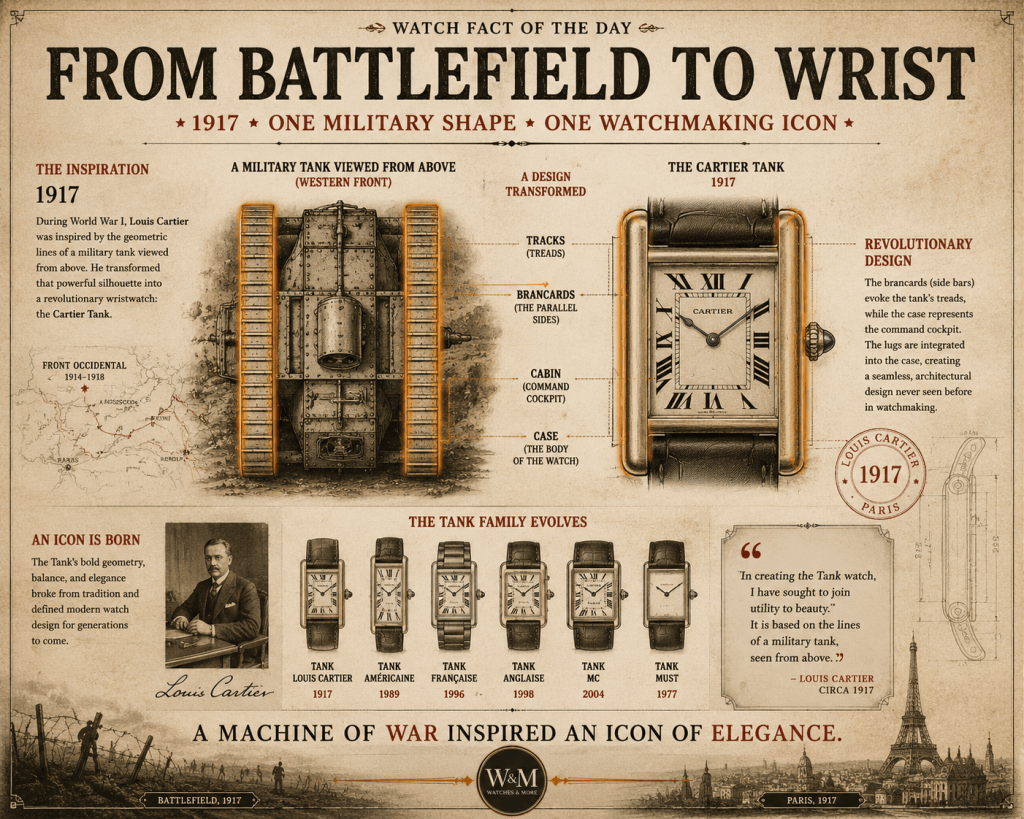
Infographic detailing the history and design inspiration of the Cartier Tank watch, highlighting its connection to military tanks from World War I and showcasing different models over the years.

But Louis Cartier did more than borrow the silhouette of an armored vehicle. The Tank introduced an important design principle: the case flows directly into the bracelet or strap attachments without interrupting the visual rhythm. Cartier describes the design as moving from the square of the dial toward the rectangle of the bracelet, creating an unusually unified relationship between case and strap. Cartier

That geometry was radical for its time. Watches still carried much of the visual language of round pocket watches, while the Tank embraced straight lines, symmetry and architectural proportions. Its rectangular dial, Roman numerals, chemin-de-fer minute track and distinctive parallel sides helped create a watch that looked unmistakably modern—yet would prove remarkably resistant to changing fashion.

The Tank also became the foundation for an entire family of designs. Cartier continued experimenting with its proportions, eventually producing interpretations including the Tank Louis Cartier, Tank Américaine and Tank Française, while retaining those fundamental parallel brancards that visually connect them to the original idea. Denali Development

More than a century later, that’s perhaps the greatest surprise of the Tank. A design whose inspiration came from one of the most imposing machines of World War I became an enduring symbol of elegance, restraint and sophisticated watch design.

💡 Did You Know?

The Tank’s military inspiration isn’t merely watch-world folklore. Cartier itself describes the design using exactly this visual relationship: the brancards correspond to the tracks and the case to the vehicle’s cabin.


Category: Brand Spotlight

Disclaimer: Every effort has been made to keep these watch facts accurate, but the world of horology is full of myths, disputed stories, and fascinating trivia. Consider these facts a starting point for discovery rather than the final word. If you have corrections or additional insights, let us know—we’re always happy to keep the record ticking in the right direction.

🕐 Discover more watch facts, reviews, and buying guides at WatchesAndMore


🛍️ You Might Also Like

As an Amazon Associate and affiliate partner, WatchesAndMore earns from qualifying purchases.
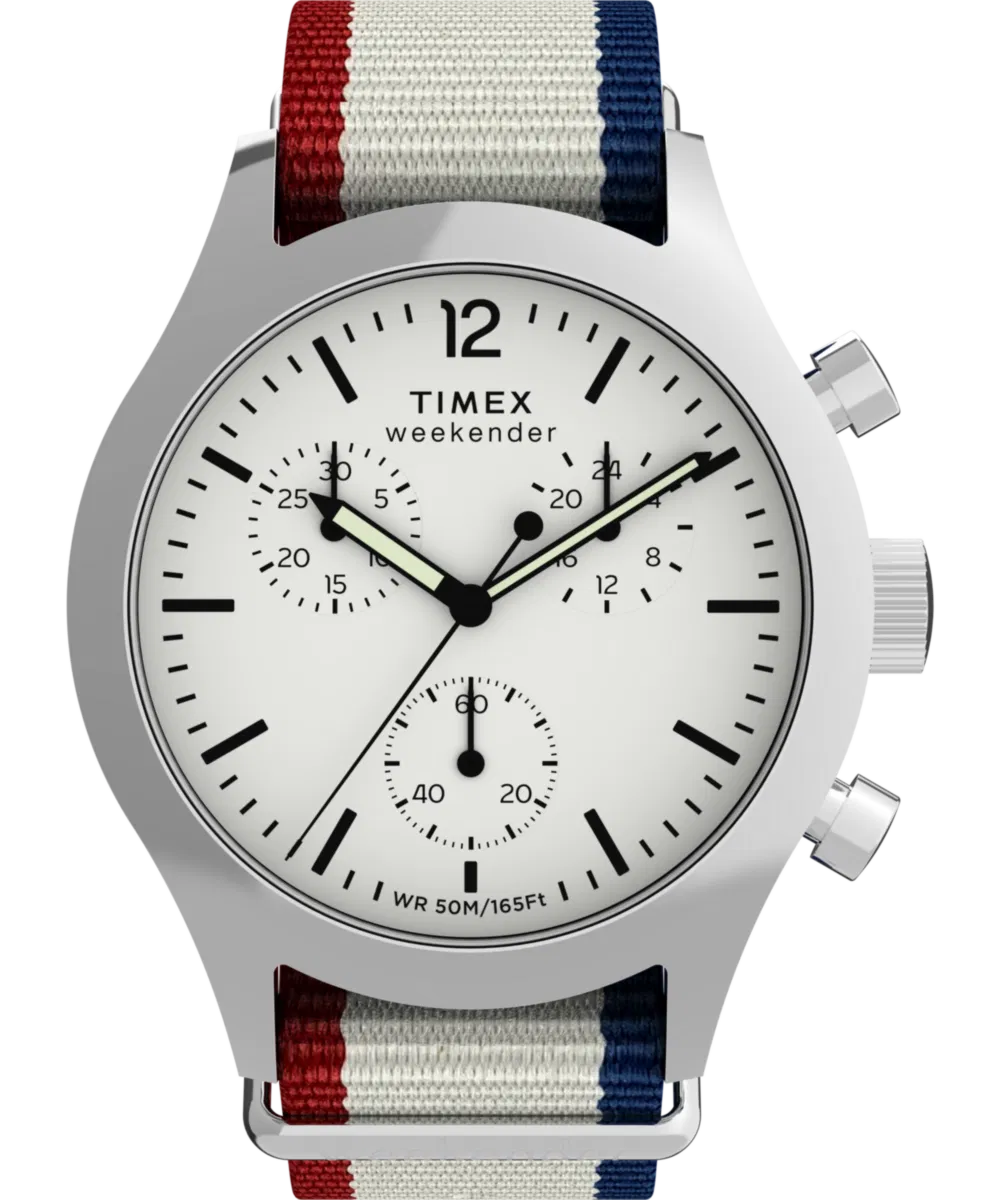
Timex Weekender Chronograph
🔥 Deal of the Day

Timex Weekender Chronograph

Timex

★★★★★ 4.5 (3,041 reviews)

$79

Offer expires in


🔥 Grab This Deal →

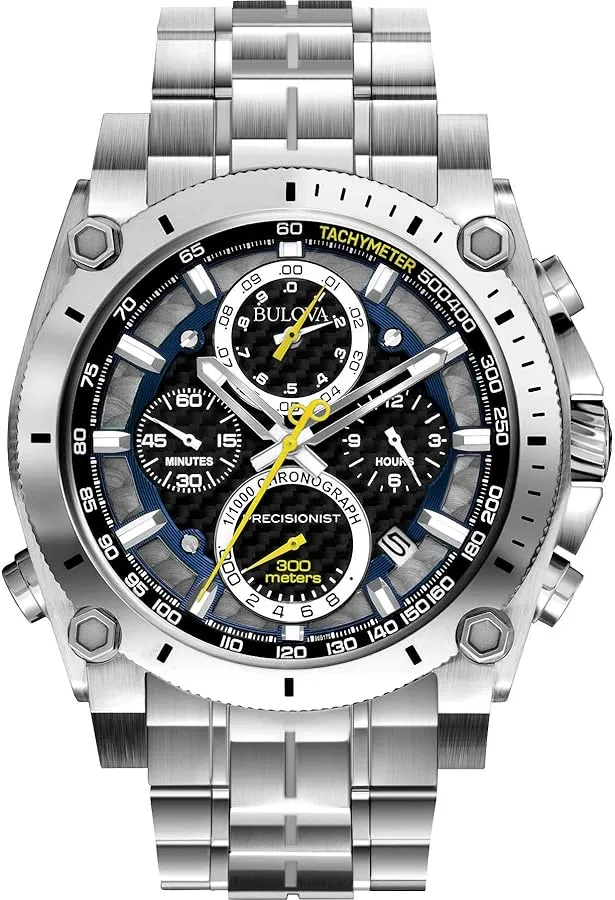
Bulova Precisionist


Bulova Precisionist

Bulova

★★★★★ 4.6 (1,100 reviews)

$219


Check Price on Amazon →

Timex Marlin Automatic 40mm


Timex Marlin Automatic 40mm

Timex

★★★★★ 4.7 (1,106 reviews)

$259


Check Price on Amazon →


Browse all 142+ expert-reviewed watches →

ETSY Shop
ETSY Shop
Redbubble Shop
Redbubble Shop
More Watch Facts
More Watch Facts

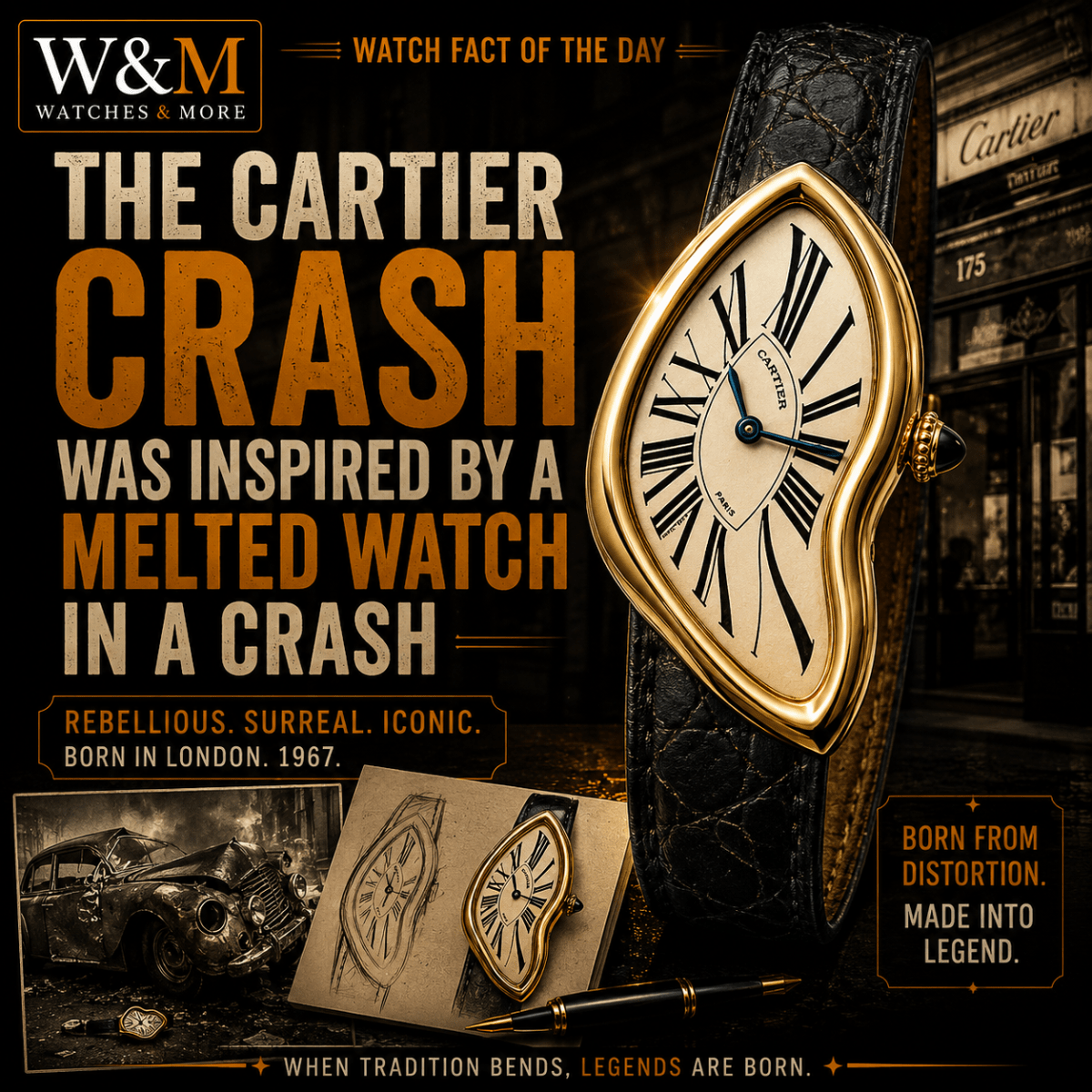
Watch Fact of the Day: The Cartier Crash Was Inspired by a Melted Watch in a Crash

The Cartier Crash watch is a wild icon from the 1960s, rumored to be inspired by a melted timepiece from a car wreck. But forget that legend; its design stems from tweaking another model, the Maxi Oval. Launched in 1967, the Crash was all about breaking away from Paris’s typical styles, showcasing an eccentric shape that bends reality while keeping classic elegance with Roman numerals and precious materials. Over 50 years later, it’s a collector’s dream, with original editions hard to find. The Crash is a beautiful mess in a world full of boring, symmetrical watches, proving that sometimes, chaos can be a masterpiece.

📅 Tuesday, August 18, 2026

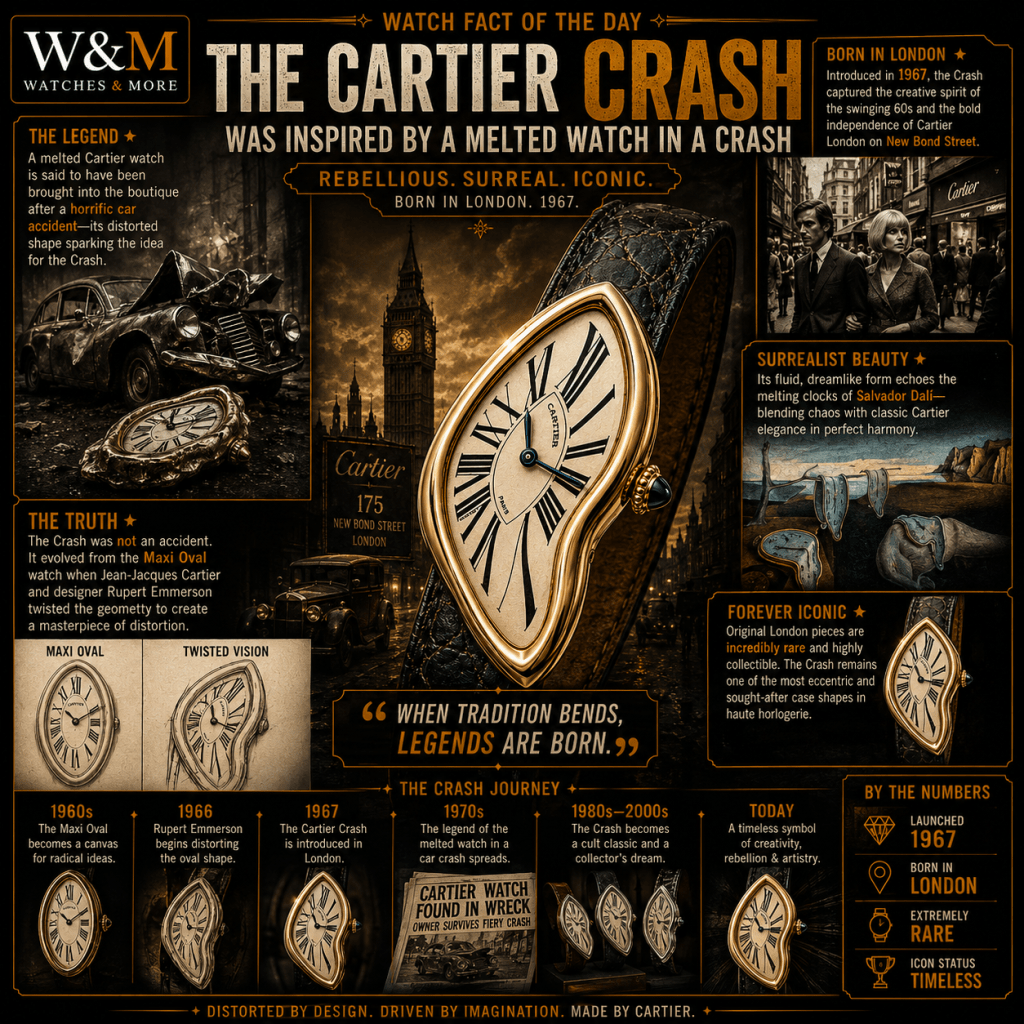
The iconic asymmetrical Cartier Crash, born in London during the swinging 1960s, was long rumored to have been inspired by a melted watch brought into the boutique after a horrific car accident. While urban legend often surrounds its surrealist, Salvador Dalí-esque aesthetic, the design actually evolved from the Maxi Oval watch, when Jean-Jacques Cartier and designer Rupert Emmerson twisted and distorted its geometry to create something unlike any conventional wristwatch. The result was a masterpiece of controlled distortion that remains one of the most coveted and eccentric case shapes in haute horlogerie history.

Introduced by Cartier London in 1967, the Crash perfectly reflected the creative energy surrounding the brand’s New Bond Street operation. Jean-Jacques Cartier wanted the London branch to develop its own identity rather than simply imitate what Cartier was producing in Paris. The Crash became perhaps the ultimate expression of that freedom: its elongated case seems to stretch downward on one side and collapse inward on the other, while the familiar Cartier Roman numerals follow the warped contours of the dial.

The famous car-crash origin story only added to the watch’s mystique. According to the legend, a damaged Cartier watch was recovered from a fiery automobile accident and brought to the London boutique, its case supposedly melted into the strange shape that inspired the Crash. It’s a fantastic story—and one that has been repeated for decades—but historical accounts from the Cartier family point instead toward deliberate experimentation with the Maxi Oval’s form. Rather than an accidental design created by fire, the Crash appears to have been an intentional exercise in making a beautifully constructed watch look as though reality itself had somehow distorted it.

Its resemblance to the melting clocks of Salvador Dalí’s The Persistence of Memory has also encouraged comparisons with Surrealism, although the Crash wasn’t simply a Dalí watch translated onto the wrist. What made it extraordinary was the combination of visual chaos with traditional Cartier elegance: Roman numerals, blued hands, precious metal and classical watchmaking were squeezed into a case that seemed to be bending under an invisible force. That contradiction transformed the Crash from an eccentric novelty into one of the most recognizable designs Cartier ever created.

More than half a century later, the Crash has become a genuine collector phenomenon. Original London examples are extraordinarily scarce, while later Paris editions and modern interpretations have introduced the design to new generations of enthusiasts. In a watch industry dominated by circles, rectangles and carefully balanced symmetry, the Crash remains gloriously unconventional—a watch deliberately designed to look as though something had gone terribly wrong, and which became an icon precisely because Cartier got it so right.


Category: Brand Spotlight

Disclaimer: Every effort has been made to keep these watch facts accurate, but the world of horology is full of myths, disputed stories, and fascinating trivia. Consider these facts a starting point for discovery rather than the final word. If you have corrections or additional insights, let us know—we’re always happy to keep the record ticking in the right direction.

🕐 Discover more watch facts, reviews, and buying guides at WatchesAndMore


🛍️ You Might Also Like

As an Amazon Associate and affiliate partner, WatchesAndMore earns from qualifying purchases.

Timex Weekender Chronograph
🔥 Deal of the Day

Timex Weekender Chronograph

Timex

★★★★★ 4.5 (3,041 reviews)

$79

Offer expires in


🔥 Grab This Deal →

Bulova Precisionist


Bulova Precisionist

Bulova

★★★★★ 4.6 (1,100 reviews)

$219


Check Price on Amazon →

Timex Marlin Automatic 40mm


Timex Marlin Automatic 40mm

Timex

★★★★★ 4.7 (1,106 reviews)

$259


Check Price on Amazon →


Browse all expert-reviewed watches →

ETSY Shop
ETSY Shop
Redbubble Shop
Redbubble Shop
More Watch Facts
More Watch Facts