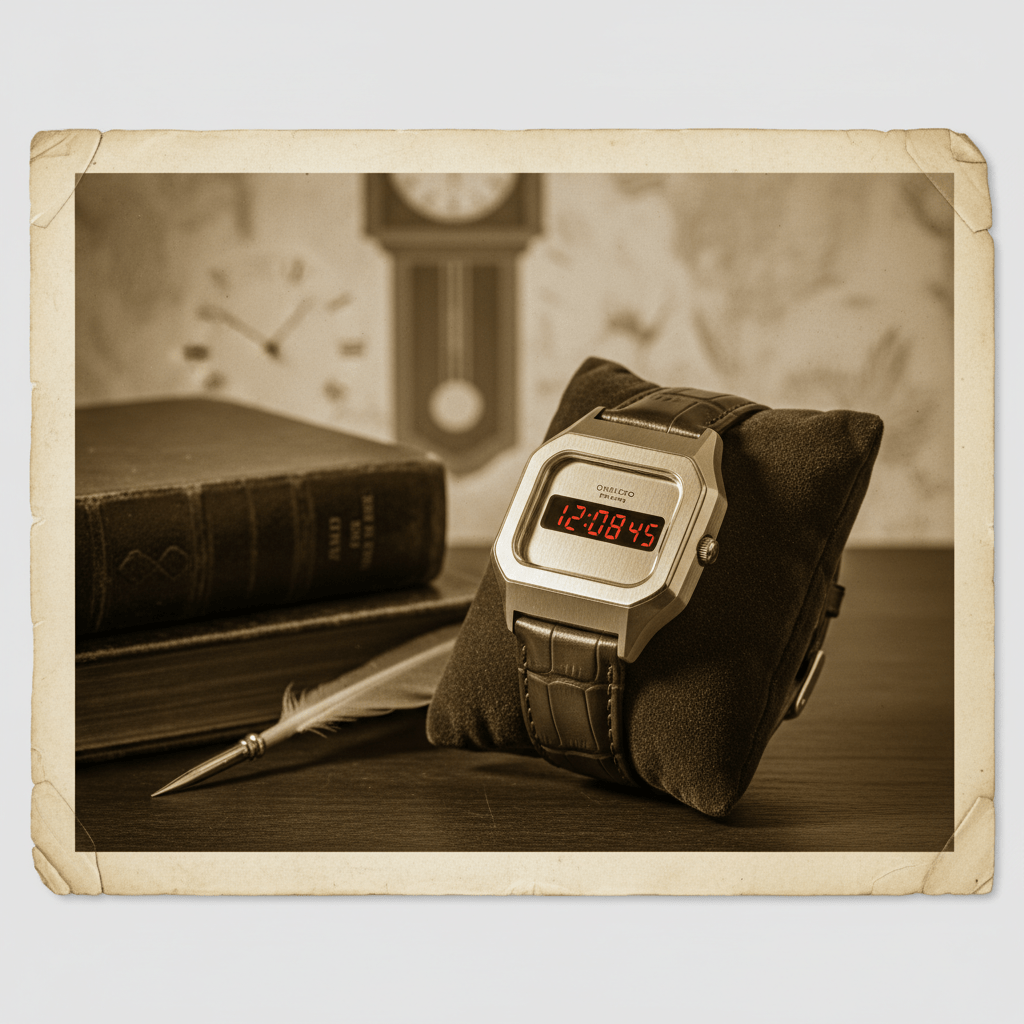
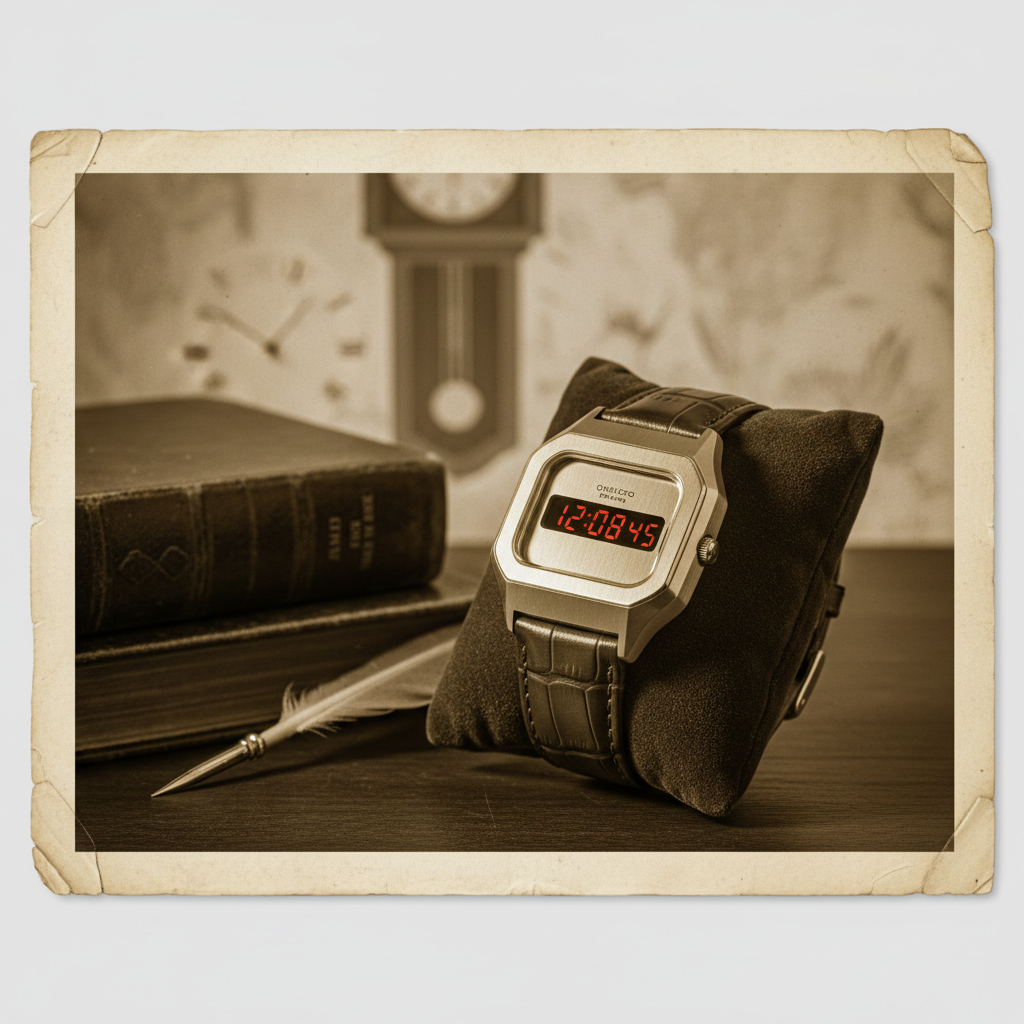
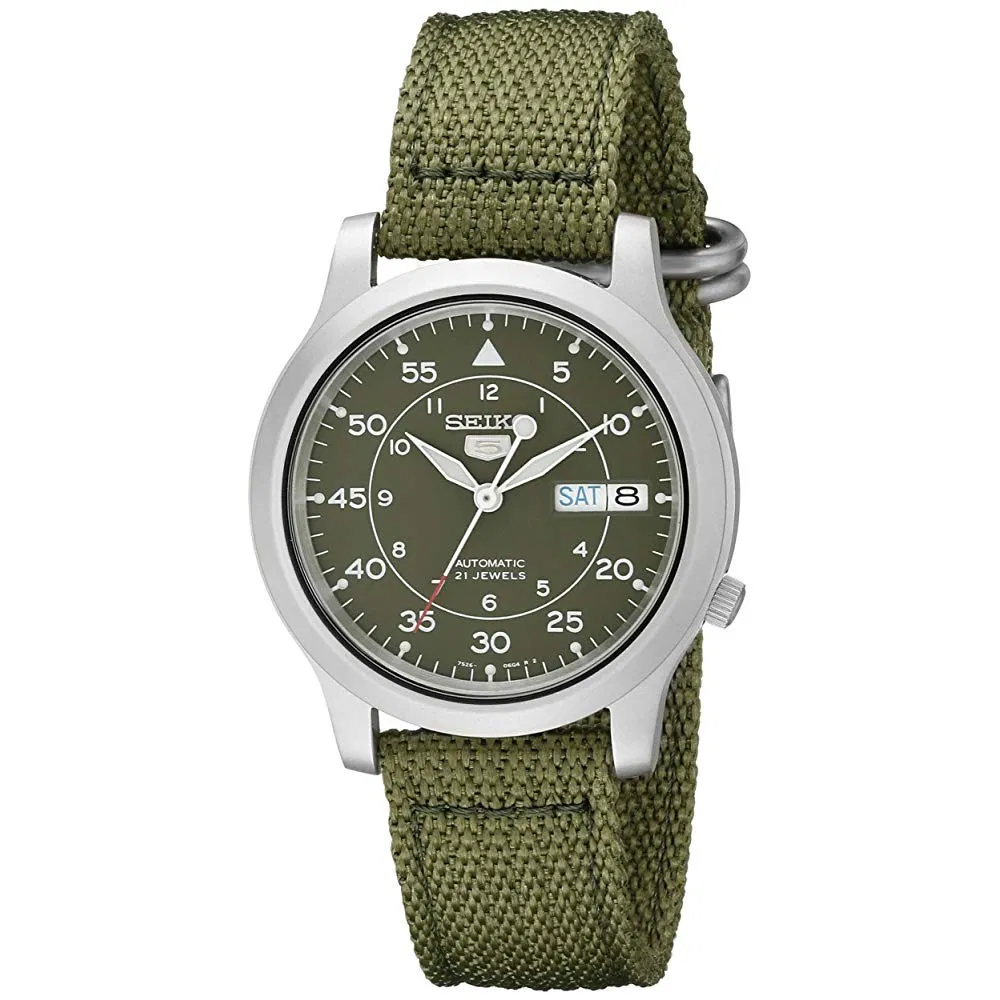
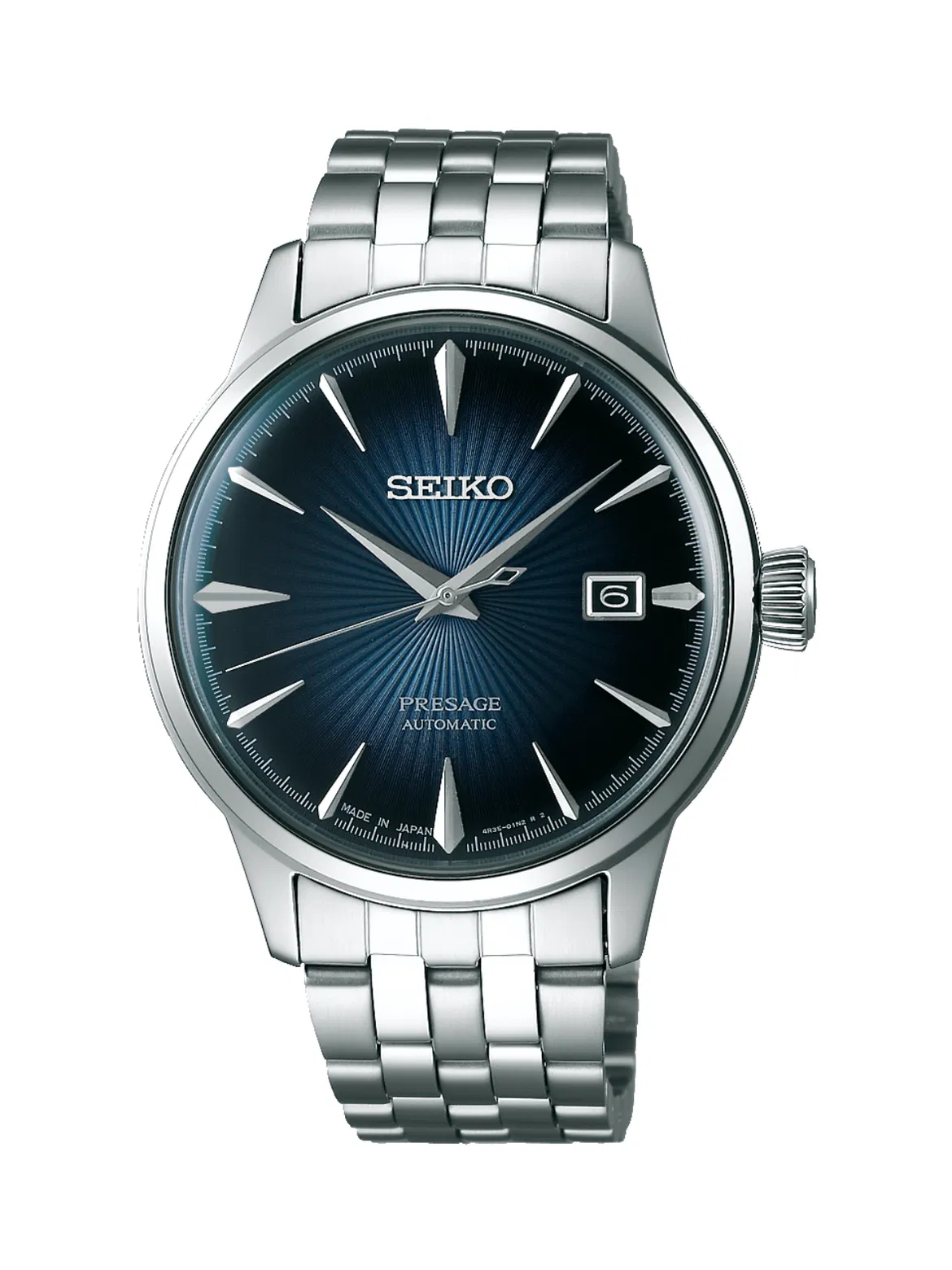
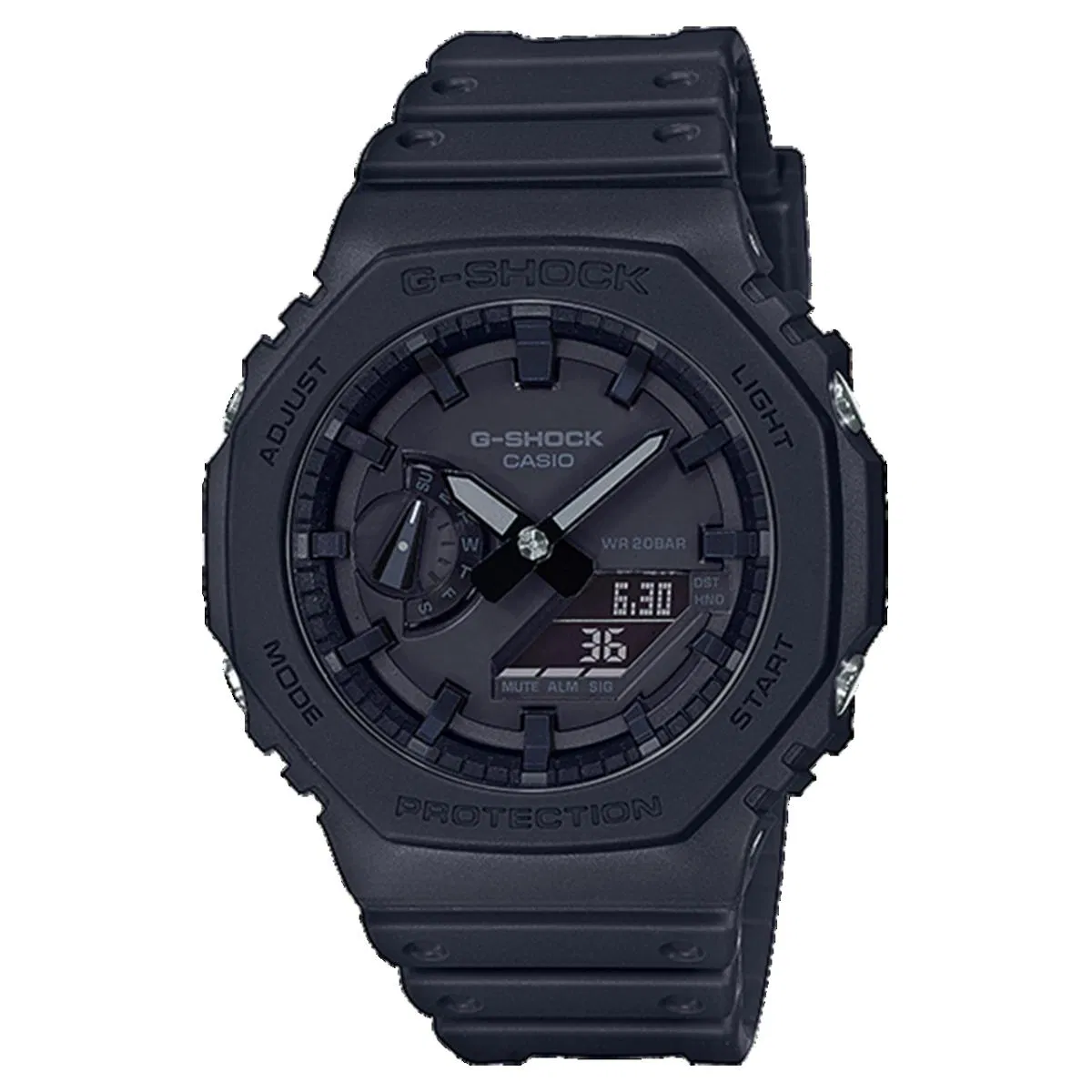
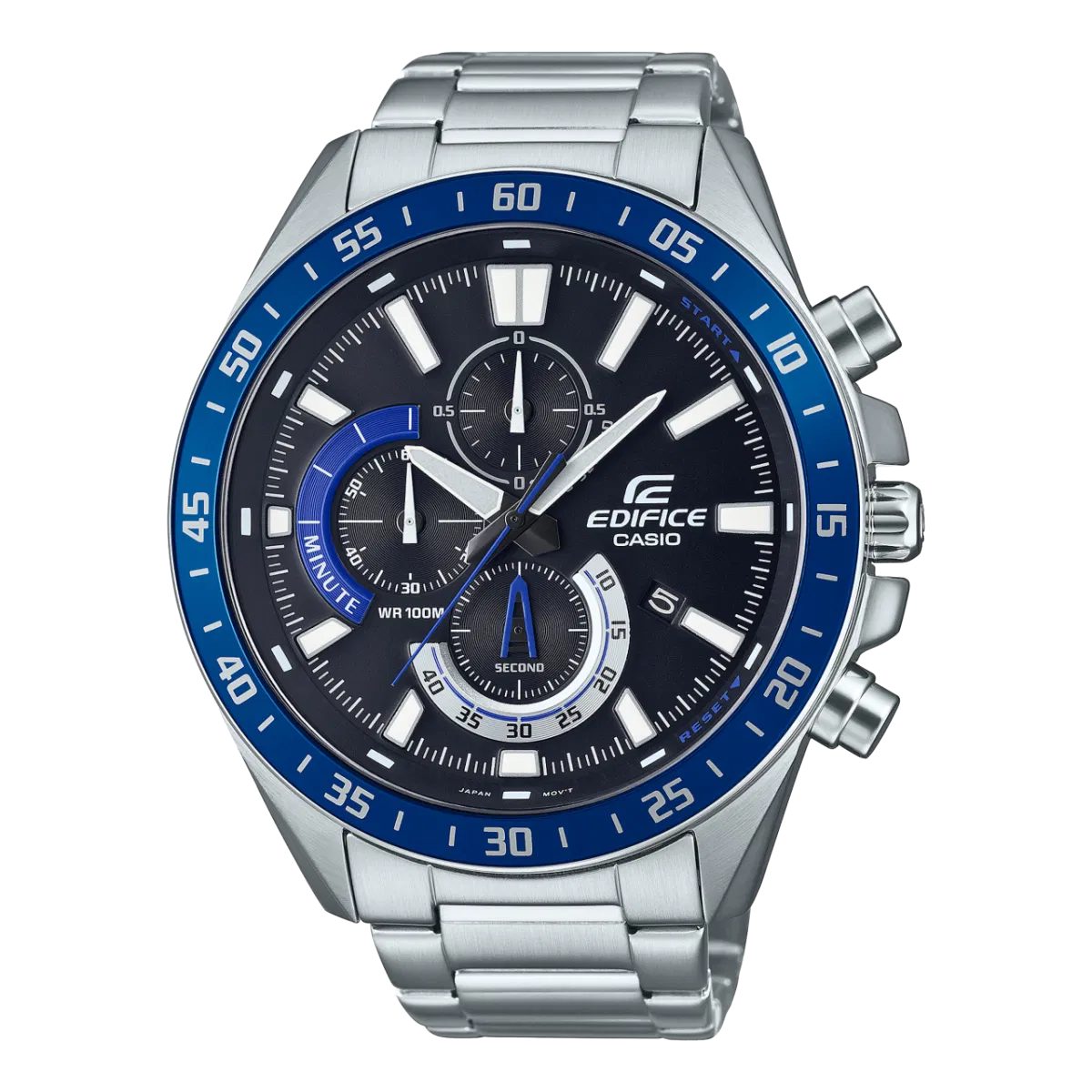
In the glamorous world of horology, quartz watches originally cost more than a small car—thanks, Seiko Astron 35SQ, for making our wallets weep on Christmas 1969! These shiny marvels relied on a quartz crystal flickering like it just chugged a double espresso, boasting accuracy that made mechanical counterparts look like they were timing slow-motion races. Fast forward to the ’70s, and voila! What was once an elite luxury turned into a bargain bin favorite, thanks to mass production. The Quartz Crisis had Swiss watchmakers sweating bullets while quartz watches became the everyday go-to. Who knew precision could be so affordable?
📅 Friday, July 10, 2026
Before the ‘Quartz Crisis’ made them ubiquitous and affordable, early quartz watches were incredibly expensive, often costing more than their mechanical counterparts. The first commercially available quartz wristwatch, the Seiko Astron 35SQ, launched on Christmas Day 1969, retailed for 450,000 Yen, which was equivalent to a medium-sized car at the time. This high price reflected the immense research and development costs, as well as the cutting-edge technology involved.
When the Astron debuted, owning a quartz watch was a symbol of technological prestige rather than affordability. The movement relied on a tiny quartz crystal vibrating at an astonishing 8,192 times per second, providing a level of accuracy that mechanical watches simply couldn’t match. At a time when most mechanical watches gained or lost several seconds each day, the Astron promised accuracy measured in seconds per month—a breakthrough that seemed almost unbelievable in 1969.
As manufacturing techniques improved throughout the 1970s, production costs fell dramatically. What began as an exclusive luxury innovation quickly became accessible to everyday consumers. Japanese manufacturers, led by Seiko, Citizen, and Casio, perfected mass production, allowing quartz watches to be sold for a fraction of their original cost. This shift forever changed the watch industry, triggering what became known as the Quartz Crisis, a period during which many traditional Swiss mechanical watchmakers struggled to survive as consumers embraced the affordability and accuracy of quartz technology.
Today, it’s easy to think of quartz watches as the budget option, but history tells a very different story. The first quartz watches represented the cutting edge of engineering and were among the most desirable timepieces money could buy. Their success didn’t diminish mechanical watchmaking—it forced the industry to reinvent itself, ultimately leading to the appreciation of craftsmanship, heritage, and artistry that defines today’s luxury mechanical watches. Sometimes, the technologies we take for granted began life as the world’s most exclusive innovations.
Category: Watch History
Disclaimer: Every effort has been made to keep these watch facts accurate, but the world of horology is full of myths, disputed stories, and fascinating trivia. Consider these facts a starting point for discovery rather than the final word. If you have corrections or additional insights, let us know—we’re always happy to keep the record ticking in the right direction.
The power source, timing reference and display are separate parts of a watch. A digital display or a battery does not, by itself, explain the entire mechanism.
⭐ Why It Matters
A change in technology can also change how people interact with a watch. The story is as much about the experience of reading and using time as the components inside.
The ‘dead beat seconds’ complication is like a watch’s way of pulling a fast one, making every tick sound like it belongs on a quartz model while remaining as mechanical as your uncle’s old car. This tricky feature, which dates back to the 18th century, jumps once per second with precision craftsmanship that leaves watch enthusiasts drooling. Meanwhile, the average Joe might just think, “Oh look, another boring quartz watch!” The beauty lies in its deceptive charm—showing that in horology, not all that ticks is quartz. So, next time you see one of these beauties, remember: appearances can be hilariously misleading!
📅 Thursday, July 9, 2026
A ‘dead beat seconds’ or ‘seconde morte’ complication, often mistaken for a quartz movement due to its ticking second hand, is actually a highly complex mechanical feature. Unlike a typical sweeping mechanical second hand, it precisely jumps once per second, requiring intricate additional gearing to achieve this precise, discrete motion, showcasing advanced horological craftsmanship.
To most people, a ticking second hand is a telltale sign of a quartz watch. That’s what makes the dead beat seconds complication so fascinating—it deliberately mimics that familiar one-second “tick” using nothing more than springs, gears, and a mechanical escapement. Hidden beneath the dial is an ingenious mechanism that stores and releases energy once every second, creating the illusion of an electronic movement while remaining entirely mechanical.
The complication has roots dating back to the 18th century, when precision scientific instruments and observatory clocks required easier-to-read seconds for astronomical observations and timing experiments. By displaying the seconds in distinct one-second intervals rather than a continuous sweep, watchmakers made it simpler to measure elapsed time with greater precision. Today, dead beat seconds remains one of horology’s most uncommon complications, admired by collectors for both its technical difficulty and its understated elegance.
Ironically, a watch enthusiast may become excited to see a second hand ticking once per second, while someone unfamiliar with watches might assume it’s “just another quartz watch.” That contrast is part of the complication’s charm. It quietly demonstrates the ingenuity of mechanical watchmaking, proving that sometimes the most impressive complications are the ones that don’t immediately draw attention to themselves. In the world of horology, appearances can be wonderfully deceptive.
Category: Fun Quirk
Disclaimer: Every effort has been made to keep these watch facts accurate, but the world of horology is full of myths, disputed stories, and fascinating trivia. Consider these facts a starting point for discovery rather than the final word. If you have corrections or additional insights, let us know—we’re always happy to keep the record ticking in the right direction.
Affiliate Disclosure: WatchesAndMore (watchesandmore.org) is a participant in the Amazon Services LLC Associates Program, an affiliate advertising program designed to provide a means for sites to earn advertising fees by advertising and linking to Amazon.com and Amazon.ca. As an Amazon Associate, we earn from qualifying purchases at no additional cost to you.
💡 Did You Know?
A second hand that advances once each second can be driven mechanically. Its visible motion alone does not identify a quartz movement.
⭐ Why It Matters
The details are most useful when connected to the wearer’s needs and the design’s purpose. This story offers another way to look beyond the name on the dial.
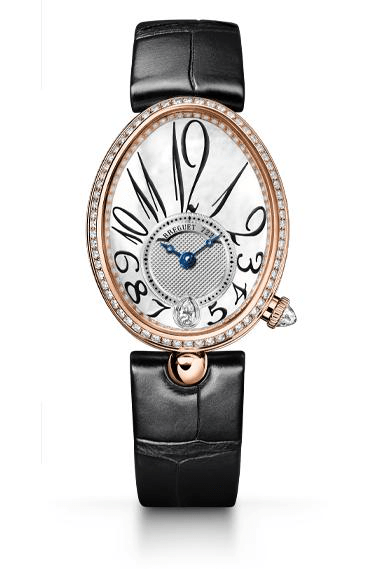
So, the first wristwatch ever made was crafted by Abraham-Louis Breguet in 1810 for Caroline Murat, Queen of Naples. This fancy oval-shaped watch was pretty revolutionary back then since everyone was using pocket watches. It had a repeater and a thermometer, making it super high-tech for its time. Even though it was made for a queen, wristwatches didn’t catch on for guys until much later—especially during WWI when soldiers needed a quicker way to check the time. This watch set the stage for what would become a global favorite, proving that great ideas often start with just one person.
📅 Wednesday, July 8, 2026
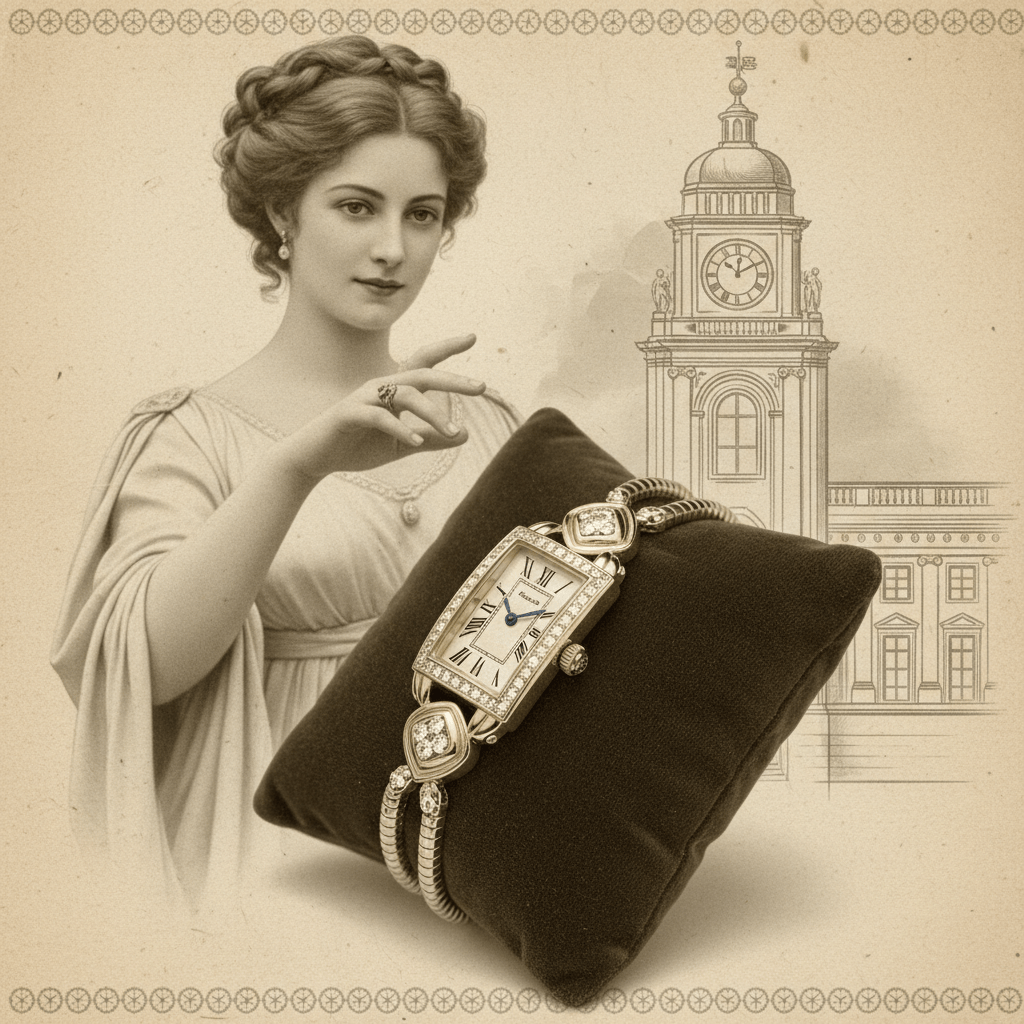
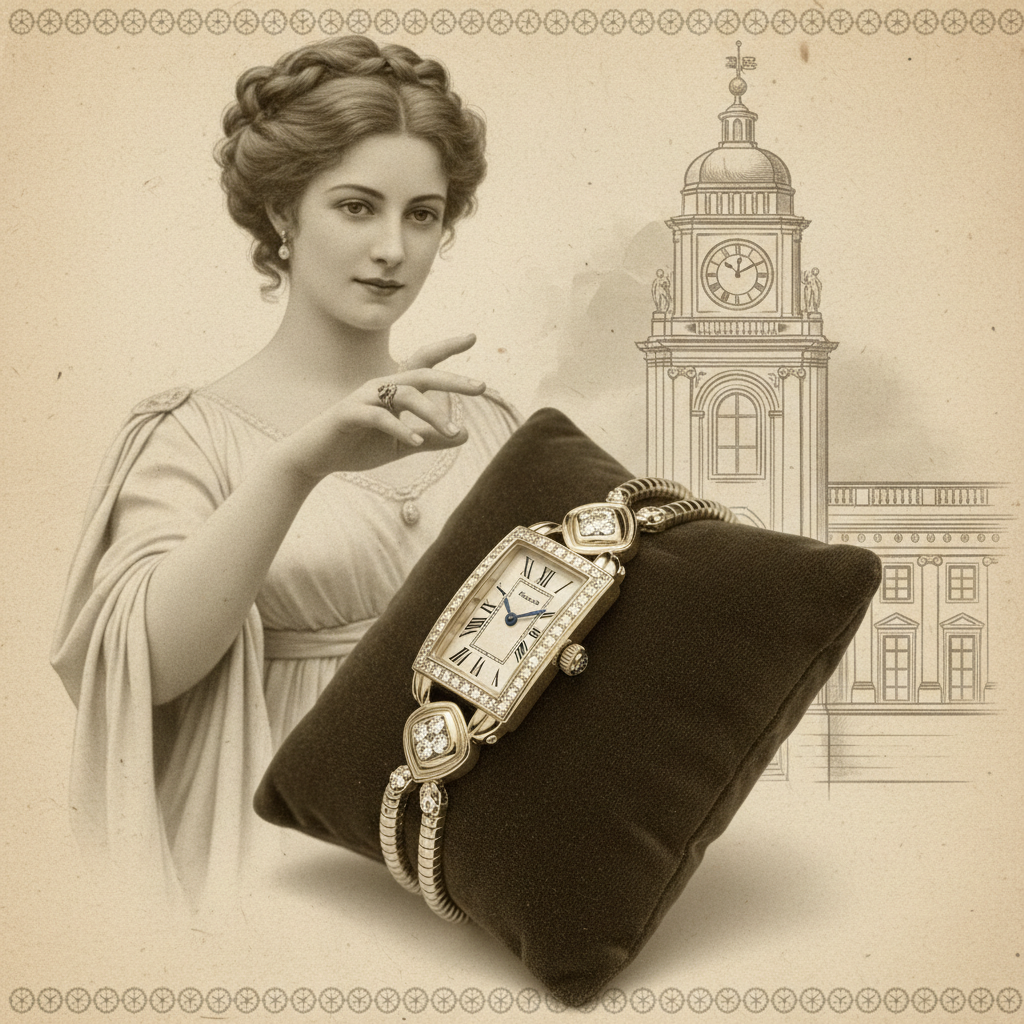
While men commonly wore pocket watches for centuries, the very first known wristwatch was created in 1810 by Abraham-Louis Breguet for Caroline Murat, Queen of Naples and Napoleon Bonaparte’s youngest sister. It was a delicate, oval-shaped repeater watch with a thermometer, designed to be worn on the wrist, marking a pivotal moment in horological history.
At the time, the idea of wearing a watch on the wrist was considered highly unconventional. Gentlemen almost exclusively carried pocket watches, while bracelets were viewed as fashionable jewelry rather than practical timekeeping devices. Caroline Murat’s commission challenged that convention, combining elegant design with remarkable mechanical complexity in a way that was centuries ahead of its time.
Breguet’s workshop records describe the watch as an extraordinary creation, featuring an ultra-thin movement mounted in an elongated oval case and attached to a bracelet woven from gold and hair. Although the original watch has since been lost to history, surviving correspondence and workshop archives provide fascinating insight into one of the most ambitious commissions of the early 19th century. Today, the piece is widely regarded as the world’s first documented wristwatch.
Ironically, it would take more than a hundred years for wristwatches to become the standard for men. During the late 19th century and especially throughout World War I, soldiers discovered that checking the time on a wristwatch was far more practical than reaching into a pocket during combat. What began as a bespoke luxury created for a queen eventually evolved into the preferred style of watch for millions around the world—a reminder that some of history’s greatest innovations begin as bold ideas for just one remarkable person.
What We Know About the Original Watch
According to Breguet’s archives, the original watch featured:
📅 Commissioned on June 8, 1810
👑 Made for Caroline Murat, Queen of Naples
🔔 Quarter repeater complication
🌡️ Built-in thermometer
🥚 Ultra-thin oval case
🪮 Mounted on a bracelet woven from gold thread and human hair
📦 Delivered in 1812
🔢 Breguet No. 2639
It looked Similar to this
Category: Watch History
Disclaimer: Every effort has been made to keep these watch facts accurate, but the world of horology is full of myths, disputed stories, and fascinating trivia. Consider these facts a starting point for discovery rather than the final word. If you have corrections or additional insights, let us know—we’re always happy to keep the record ticking in the right direction.
A watch’s case, controls and display work together. Changing the way it is carried or worn can require changes to more than its outward shape.
⭐ Why It Matters
This is a story about design responding to a particular purpose. The relationship between an object’s form and the way someone uses it can be as revealing as the movement inside.
When it comes to timekeeping, the Moon isn’t just a pretty face in the night sky; it’s also a subtle saboteur of your fancy mechanical watches. That’s right! Lunar tides can ever so slightly warp the Earth’s crust, causing watches to tick off by fractions of a second daily. Sure, this cosmic mischief gets lost amidst the usual watch woes like temperature tantrums and wrist jitters, but hey, it’s an amusing quirk of physics. With inventions like Breguet’s tourbillon, watchmakers have been battling gravity since 1801. So, next time your watch is late, just blame the Moon—much more dramatic, don’t you think?
📅 Tuesday, July 7, 2026
While often overlooked, the gravitational pull of the moon can subtly influence the accuracy of highly precise mechanical watches. Lunar tides cause minute deformations in the Earth’s crust, which in turn can alter the balance wheel’s oscillation frequency by tiny fractions of a second per day. This effect is usually negligible for everyday wear but becomes a measurable factor in ultra-precise chronometers under controlled conditions.
Watch Fact of the Day: The Moon’s Gravity Affects Your Watch’s Accuracy!
Mechanical watches are remarkably sensitive instruments. Their balance wheel oscillates thousands of times every hour, and even the slightest changes in position, temperature, lubrication, or magnetic fields can influence how accurately they keep time. While the Moon’s gravitational effect is vanishingly small compared to these everyday factors, it serves as a fascinating reminder that precision timekeeping exists within a world governed by the laws of physics.
For centuries, watchmakers have worked to reduce the influence of gravity on mechanical movements. One of the most famous innovations is the tourbillon, invented by Abraham-Louis Breguet in 1801. By continuously rotating the escapement and balance wheel, the tourbillon helps average out positional errors caused by Earth’s gravity—a testament to the lengths watchmakers have gone in pursuit of perfect accuracy.
Today, the best mechanical chronometers are regulated to perform within just a few seconds per day, an extraordinary achievement considering they rely entirely on springs, gears, and tiny mechanical components. Whether influenced by gravity, temperature, or simply the motion of your wrist, every mechanical watch is a miniature engineering marvel—quietly keeping time while obeying the same physical forces that govern the planets above us.
Disclaimer: Every effort has been made to keep these watch facts accurate, but the world of horology is full of myths, disputed stories, and fascinating trivia. Consider these facts a starting point for discovery rather than the final word. If you have corrections or additional insights, let us know—we’re always happy to keep the record ticking in the right direction.
A moon-phase indication displays an astronomical cycle. That is a different function from measuring the rate or accuracy of a watch movement.
⭐ Why It Matters
These instruments connect timekeeping with observations of the world around us. Understanding what each indication represents is part of appreciating the design.
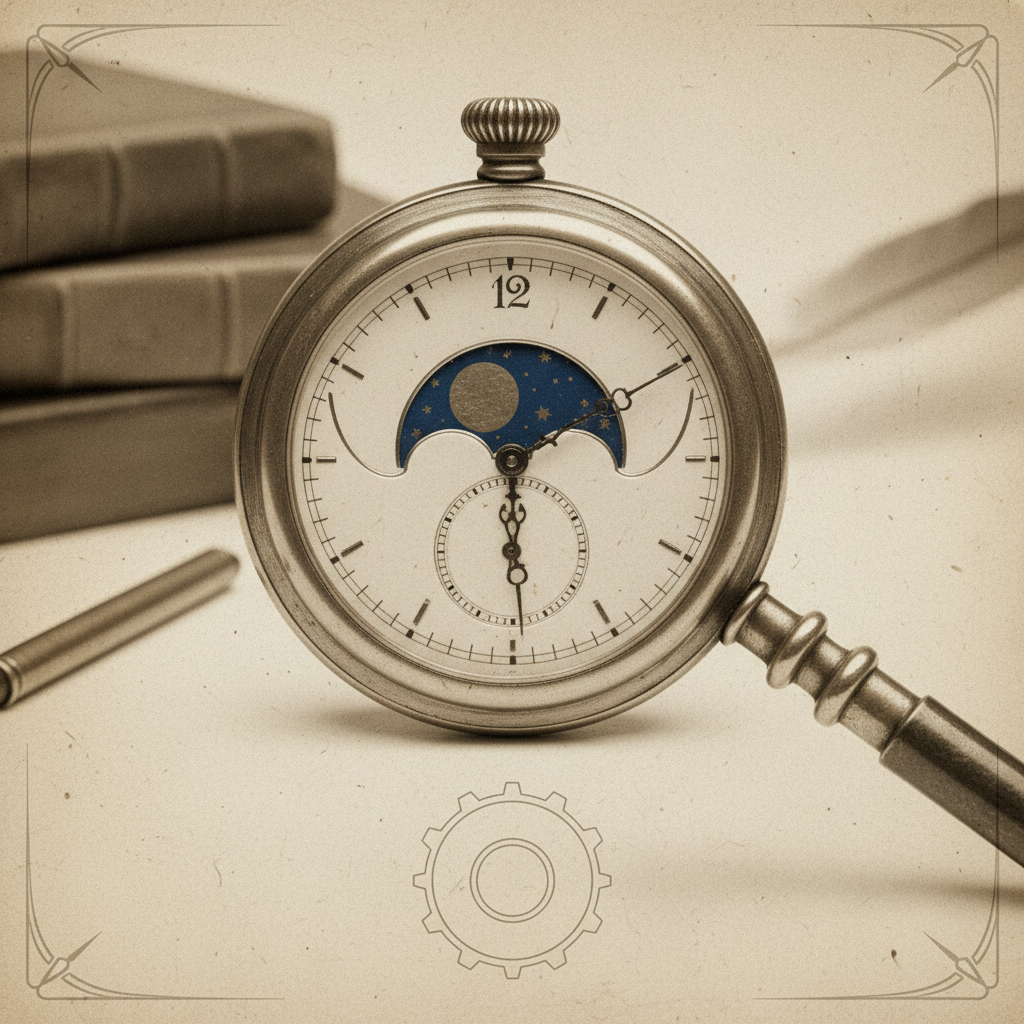
In the world of watches, the moon phase complication is like a fancy hat – it started as a necessity but became a stylish trend. Originally, clockmakers used a rotating lunar disc to cover up design flaws, turning their blunders into a celestial display. As time ticked on, watchmakers realized this moon trick could help farmers figure out when to plant crops and sailors avoid sailing into a moonless mess. These days, moon phases aren’t just about practicality; they’re romantic little reminders that your wrist can be both a timepiece and a dreamy connection to the cosmos. Who knew horology could be so poetic?
📅 Monday, July 6, 2026
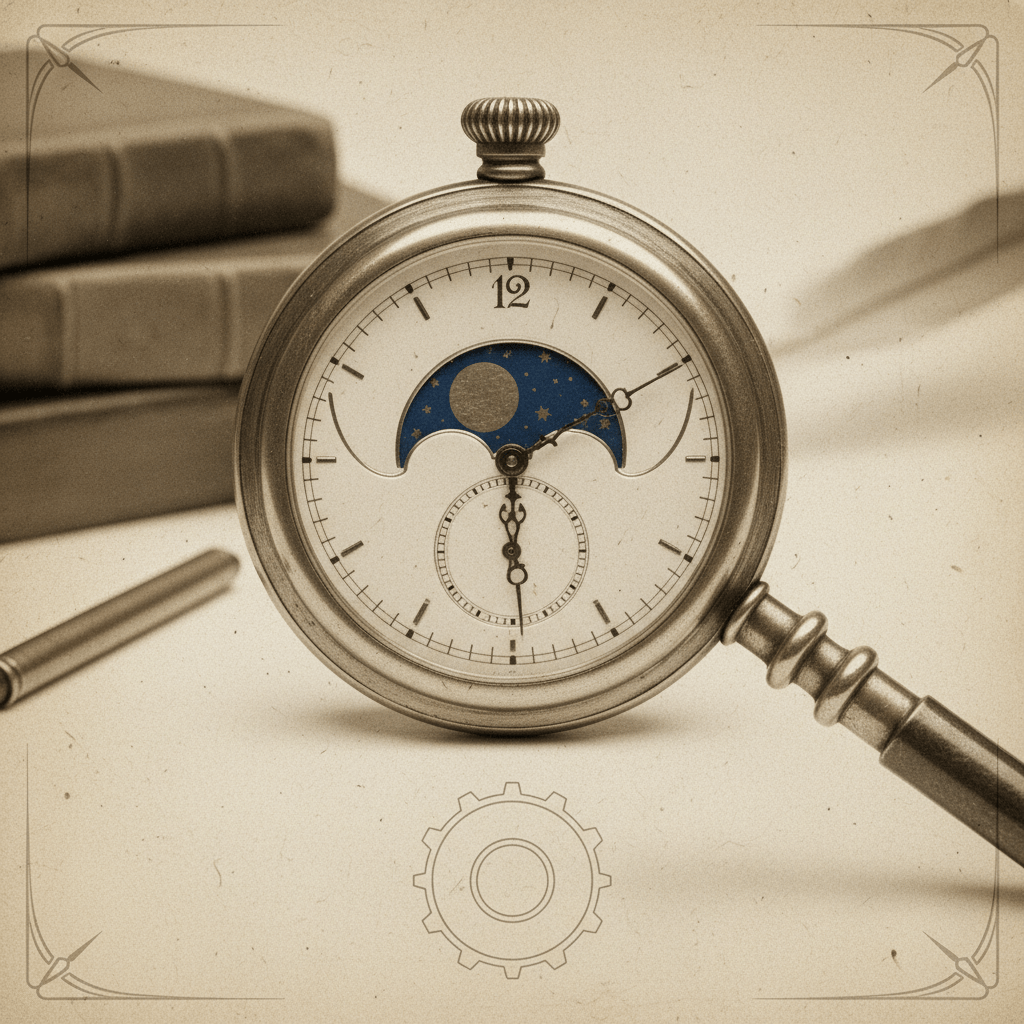
The moon phase complication, now a beloved and intricate feature on many high-end watches, originated from a practical necessity. Early clockmakers used a rotating disc for the moon to hide imperfections or gaps in the dial’s construction, effectively turning a design challenge into an aesthetic and functional display of celestial motion. This ‘fix’ evolved into one of horology’s most poetic complications.
As clockmaking techniques improved during the 17th and 18th centuries, the moon phase display evolved far beyond its practical origins. Watchmakers realized that a rotating lunar disc could do more than simply conceal part of the mechanism—it could also help farmers, sailors, astronomers, and travellers track the changing phases of the Moon. Long before smartphones and weather apps, knowing the lunar cycle was genuinely useful for navigation, agriculture, and even planning fishing expeditions.
Traditional moon phase watches are surprisingly precise. Most use a 59-tooth gear, allowing two complete lunar cycles to be displayed over 59 days. Since the Moon actually takes 29.53 days to complete one cycle, this simple mechanism is remarkably accurate, requiring only a minor adjustment every two and a half years. More advanced modern moon phase movements can remain accurate for decades—or even centuries—before needing correction.
Today, the moon phase complication is cherished less for its practicality and more for the emotion it brings to a watch. It’s a reminder that mechanical watches are miniature works of art as much as they are instruments for telling time. With every passing day, the tiny moon slowly travels across the dial, connecting the wearer to a celestial rhythm that has guided humanity for thousands of years. Few complications capture the romance of traditional watchmaking quite like a beautifully executed moon phase display.
Disclaimer: Every effort has been made to keep these watch facts accurate, but the world of horology is full of myths, disputed stories, and fascinating trivia. Consider these facts a starting point for discovery rather than the final word. If you have corrections or additional insights, let us know—we’re always happy to keep the record ticking in the right direction.
A moon-phase display adds an astronomical indication to the ordinary time display; its disc and gearing need to be interpreted as a separate function.
⭐ Why It Matters
The details are most useful when connected to the wearer’s needs and the design’s purpose. This story offers another way to look beyond the name on the dial.
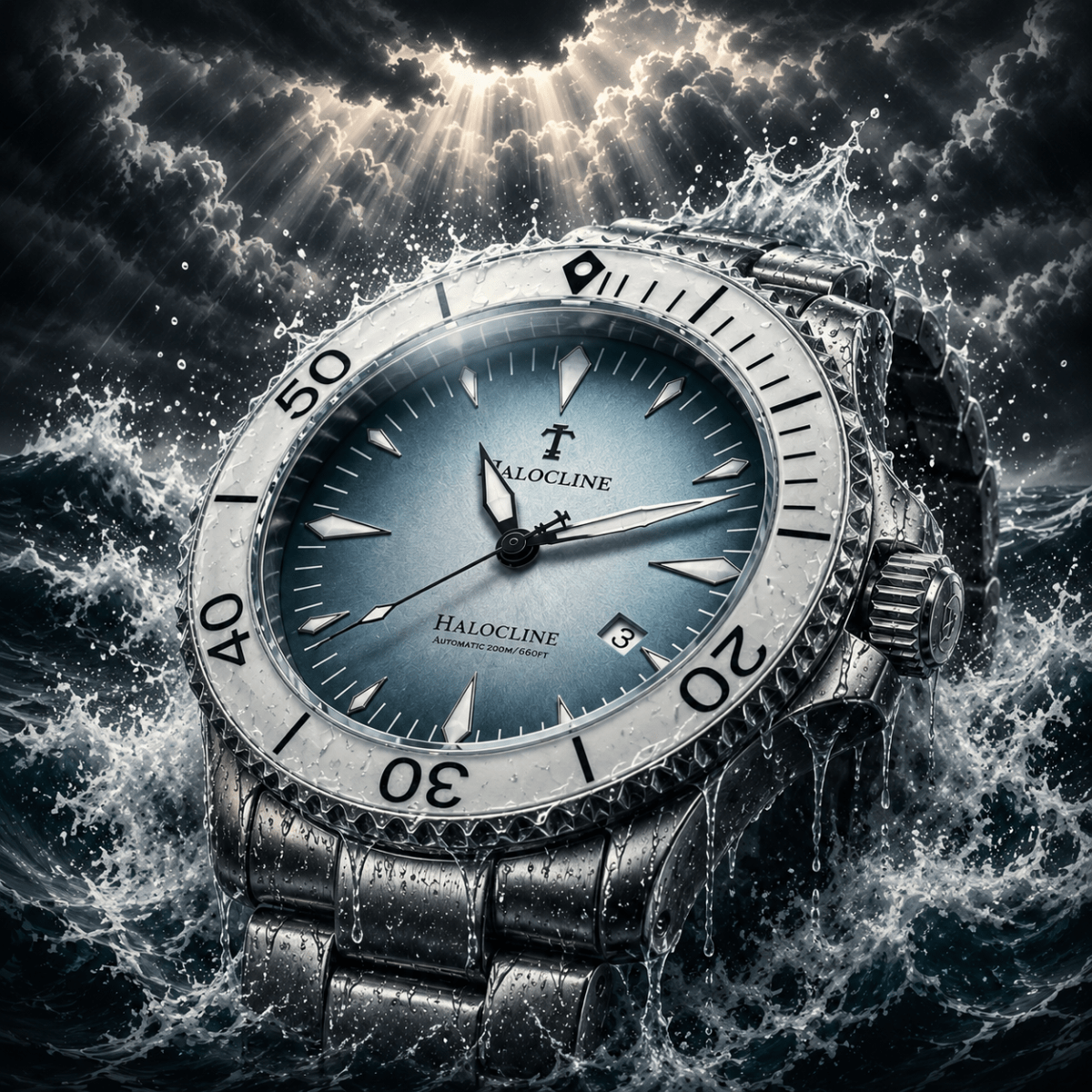
The journey of the Iron Hour Halocline Diver is a testament to perseverance and passion in the face of adversity. Founder Ivan Ennis sought to create a watch that truly resonates with enthusiasts, prioritizing quality and thoughtful design over marketing gimmicks. Despite the challenges brought on by COVID-19, he remained committed to refining the watch for seven years. The Halocline Diver features a respected Swiss automatic movement and an authentic design that reflects a genuine love for watchmaking. This inspiring story serves as an encouraging reminder that success can arise from determination, making every watch a symbol of resilience and craftsmanship.
Every successful product has a story.
Some begin in a boardroom with unlimited budgets and marketing teams. Others begin in a garage, a basement, or on a kitchen table with nothing more than an idea and an unwillingness to quit.
The story behind the Iron Hour Halocline Diver belongs firmly in the second category.
The Dream
Like many independent watch founders, Ivan Ennis didn’t set out to build another luxury status symbol.
He wanted to create the kind of watch that fellow enthusiasts would genuinely enjoy wearing—one that emphasized quality, honest engineering, and thoughtful design over flashy marketing. Inspired by years of collecting and appreciating mechanical watches, he founded Iron Hour Watch Co. with the goal of delivering a Swiss-made automatic diver that could stand alongside far more expensive competitors.
It was an ambitious vision for an independent founder entering one of the most competitive industries in the world.
Then Everything Changed
The Halocline Diver was preparing to make its debut through Kickstarter in 2020.
On paper, the timing looked promising.
Then COVID-19 changed everything.
Supply chains ground to a halt. Manufacturing schedules became uncertain. Consumer confidence dropped dramatically, and crowdfunding campaigns across countless industries struggled to gain traction.
For many startups, this would have been the end.
Years of planning suddenly collided with circumstances no one could have predicted.
Seven Years, a Pandemic, and a Promise Kept: The Story Behind the Iron Hour Halocline Diver
Walking Away Would Have Been Easier
This is the point where many entrepreneurial stories quietly disappear.
Projects are abandoned.
Websites stop updating.
Social media accounts go silent.
Eventually, everyone moves on.
But Ivan didn’t.
Instead of shelving the project, he continued refining the design, strengthening supplier relationships, and working through the countless challenges that come with bringing a mechanical watch to market.
Progress wasn’t measured in weeks.
It was measured in years.
The vision remained the same even when the timeline changed dramatically.
Seven Years Later…
Today, the Halocline Diver is no longer a concept or a crowdfunding campaign.
It’s a finished watch.
After years of development, engineering, prototyping, and persistence, Iron Hour succeeded in producing the watch that nearly never happened.
In an era of overnight product launches and rapidly changing trends, there’s something refreshing about a founder who simply refused to quit.
The Watch That Refused to Stay on the Drawing Board
The Halocline Diver isn’t trying to reinvent the dive watch.
Instead, it focuses on refining the formula that enthusiasts already love.
Clean proportions, excellent legibility, a purposeful design, and robust construction combine to create a watch that feels equally comfortable on an outdoor adventure, at the office, or as part of an everyday collection.
At its heart is the Sellita SW200-1 Swiss automatic movement, one of the industry’s most respected workhorse calibers. Known for its reliability, accuracy, and ease of servicing, it’s a movement trusted by countless independent and established Swiss brands alike. Choosing a proven movement over chasing novelty reflects the philosophy behind the entire project: prioritize dependability over gimmicks.
The attention to detail is where the Halocline begins to distinguish itself. The case finishing is crisp, the bezel action is reassuringly precise, and the overall design strikes a balance between modern performance and timeless styling. Nothing feels excessive, yet nothing feels overlooked.
Perhaps most importantly, the watch doesn’t feel like it was designed by marketers—it feels like it was designed by someone who genuinely loves watches.
That authenticity is difficult to manufacture.
More Than Specifications
In today’s watch industry, it’s easy to become obsessed with specifications.
Water resistance.
Power reserve.
Movement type.
Case diameter.
Those numbers certainly matter.
But what often creates an emotional connection with a watch is the story behind it.
Every Halocline represents years of emails with suppliers, late-night design revisions, manufacturing challenges, financial uncertainty, and countless decisions that most owners will never see.
When you wear the watch, you’re wearing the result of persistence just as much as precision engineering.
What Entrepreneurs Can Learn
Whether you’re building watches, launching software, opening a small business, or creating content online, the lessons from Iron Hour’s journey are surprisingly universal.
Success rarely follows the timeline we imagine.
Unexpected setbacks happen.
Markets change.
Global events reshape entire industries.
Sometimes the only real competitive advantage is refusing to abandon a worthwhile idea.
Perseverance isn’t glamorous.
It doesn’t generate headlines.
But it’s often the difference between a project that becomes “what could have been” and one that eventually reaches the finish line.
Why Independent Watchmakers Matter
Independent brands are responsible for much of the innovation and creativity we see in modern watchmaking.
Without enormous marketing budgets or century-old histories to rely on, they compete by listening to collectors, obsessing over details, and building products they genuinely believe in.
That passion creates watches with personality.
Every independent success story also strengthens the broader watch community by proving there’s still room for craftsmanship, creativity, and entrepreneurial spirit in an industry dominated by global luxury brands.
Final Thoughts
The Iron Hour Halocline Diver isn’t remarkable simply because it’s another Swiss automatic dive watch.
It’s remarkable because it exists at all.
It represents resilience during one of the most difficult periods modern entrepreneurs have faced.
It demonstrates what can happen when someone refuses to let setbacks define the outcome.
And perhaps that’s the greatest lesson this watch has to offer.
Sometimes the most valuable thing a creator can build isn’t just a product.
It’s the determination to finish what they started.
For entrepreneurs, collectors, and anyone chasing an ambitious goal, that’s a story worth wearing on your wrist.
I invite you to learn more by visiting the Brand Site:
Water-resistance markings should be read together with the manufacturer’s instructions for the exact watch. A model’s name or appearance is not a substitute for those limits.
Disclaimer: Every effort has been made to keep these watch facts accurate, but the world of horology includes disputed stories and changing product information. Treat this article as a starting point for discovery and consult the linked records or manufacturer information for the exact timepiece. Corrections and additional evidence are welcome in the comments.
Since the early 2000s, Rolex has secretly etched a tiny laser-engraved coronet (their crown logo) into the sapphire crystal of most of its watches, usually at t
📅 Sunday, July 5, 2026
Since the early 2000s, Rolex has secretly etched a tiny laser-engraved coronet (their crown logo) into the sapphire crystal of most of its watches, usually at the 6 o’clock position. This microscopic detail is almost invisible to the naked eye and serves as a sophisticated anti-counterfeiting measure, making it incredibly difficult for fakes to replicate.
More Watch Facts
The tiny coronet was introduced around 2002 as part of Rolex’s ongoing efforts to combat the growing counterfeit watch market. Unlike hologram stickers or visible serial numbers, the laser-etched crown doesn’t affect the appearance of the watch during normal wear. In most lighting conditions, it’s virtually impossible to see without carefully tilting the crystal or examining it under magnification, which is exactly how Rolex intended it.
While the etched crown is an excellent security feature, it’s important to remember that it should never be used as the sole method of authenticating a Rolex. Modern counterfeiters have become increasingly sophisticated, and some high-quality replicas now attempt to imitate the laser-etched coronet. Professional authentication still relies on examining the movement, serial numbers, case finishing, dial details, and overall build quality alongside the crystal engraving.
Today, the “phantom” crown has become one of those hidden details that Rolex enthusiasts love to point out. It’s a perfect example of the brand’s philosophy—subtle engineering, meticulous craftsmanship, and attention to details that most owners may never even notice. For collectors, discovering the tiny coronet for the first time often feels like uncovering one of Rolex’s best-kept secrets, hidden in plain sight.
Disclaimer: Every effort has been made to keep these watch facts accurate, but the world of horology is full of myths, disputed stories, and fascinating trivia. Consider these facts a starting point for discovery rather than the final word. If you have corrections or additional insights, let us know—we’re always happy to keep the record ticking in the right direction.
A crystal marking alone cannot establish a watch’s authenticity. The movement, case, dial, serial information and provenance must be assessed together.
⭐ Why It Matters
The details are most useful when connected to the wearer’s needs and the design’s purpose. This story offers another way to look beyond the name on the dial.
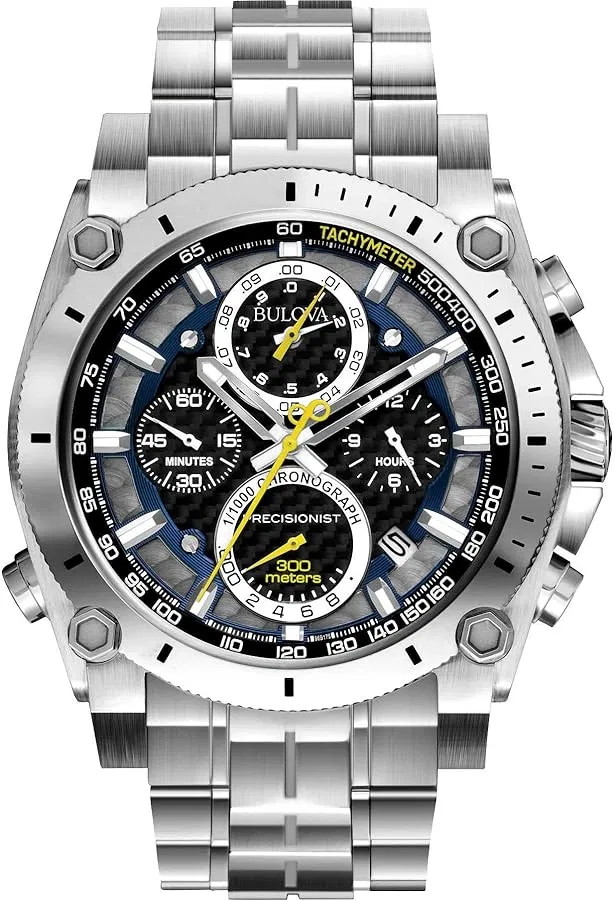
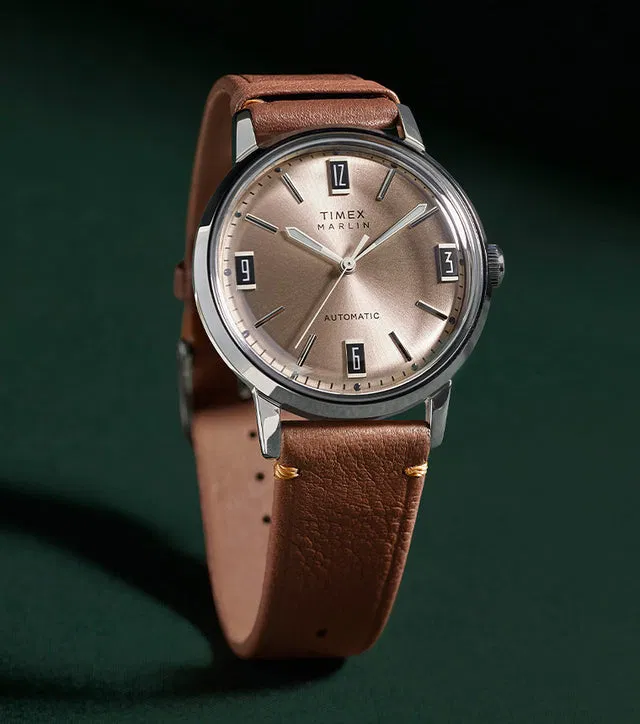
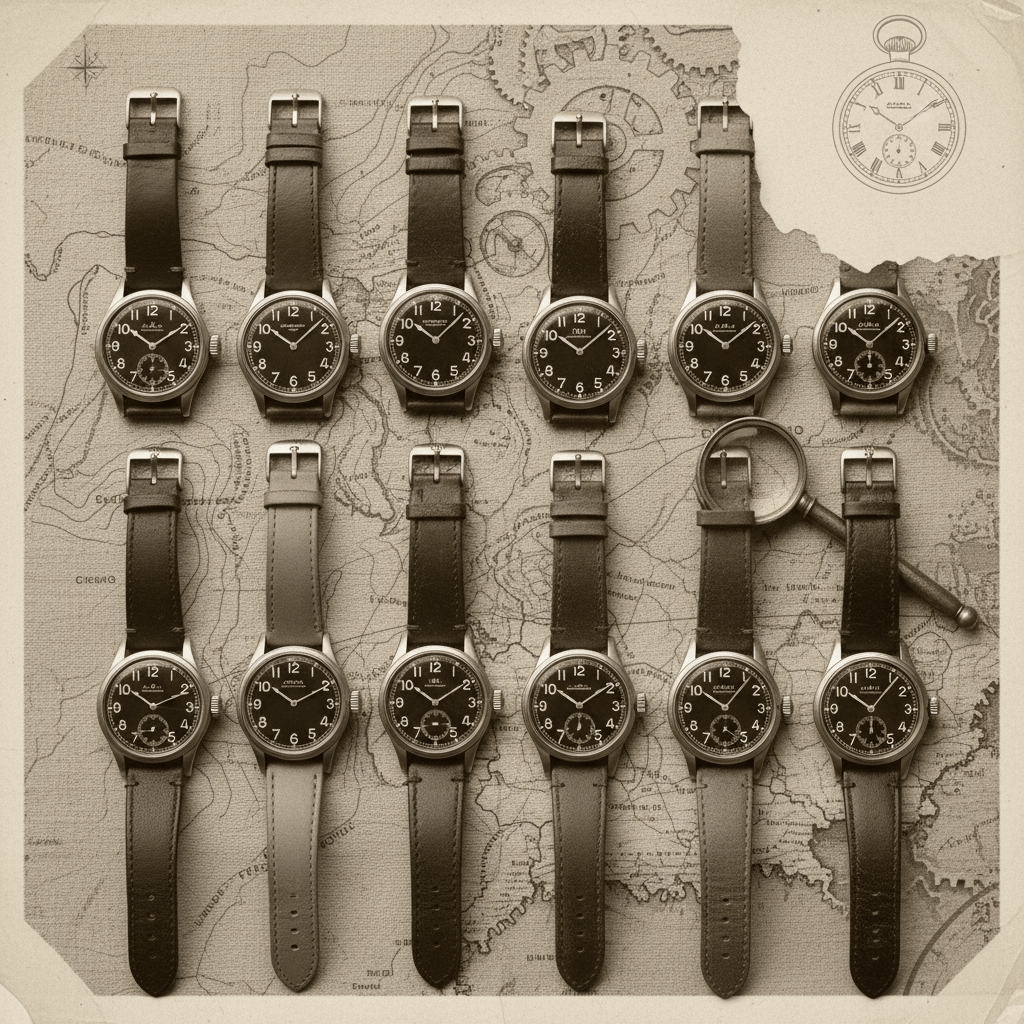
During World War II, the British Ministry of Defence tasked 12 Swiss watch manufacturers with creating durable, precise, and waterproof wristwatches for military personnel. These timepieces, characterized by their black dials, Arabic numerals, luminous hands, and minute markers, became known as the ‘Dirty Dozen.’ Due to their historical importance and practical design, they are now highly valued by collectors. For more information on watches, including facts, reviews, and buying guides, visit WatchesAndMore, which also earns from qualifying purchases as an Amazon Associate. Additionally, featured watches include the Bulova Precisionist and Timex Marlin Automatic.
📅 Thursday, July 2, 2026
During World War II, the British Ministry of Defence commissioned 12 Swiss watch manufacturers to produce robust, accurate, and waterproof wristwatches for their soldiers. These watches, featuring a black dial, Arabic numerals, luminous hands, and a railway track minute marker, became known collectively as the ‘Dirty Dozen’ and are highly sought after by collectors today for their historical significance and utilitarian design.
Watch Fact of the Day: The “Dirty Dozen” – WWII’s Secret Watch Order
When people think of famous military watches, names like the Rolex Submariner or Omega Seamaster often come to mind. But one of the most influential military watch programs in history wasn’t built around a single brand—it was a coordinated effort involving twelve Swiss watch manufacturers working together during World War II.
Known today as the “Dirty Dozen,” these watches have become some of the most collectible military timepieces ever produced.
Britain Needed a Better Military Watch
By the early 1940s, the British Army needed a wristwatch that could withstand the harsh realities of combat.
Soldiers required watches that were:
Highly accurate
Easy to read in low light
Resistant to dust and moisture
Durable enough for daily military use
Simple to maintain in the field
Rather than purchasing commercial watches, the British Ministry of Defence (MoD) created a detailed specification for what became known as the W.W.W. (Watch, Wrist, Waterproof) standard.
Only manufacturers capable of meeting these demanding requirements would receive military contracts.
The Twelve Manufacturers
Twelve Swiss companies successfully produced W.W.W. watches for the British military.
They were:
Buren
Cyma
Eterna
Grana
Jaeger-LeCoultre
Lemania
IWC
Longines
Omega
Record
Timor
Vertex
Together they would later earn the nickname “The Dirty Dozen,” inspired by the famous 1967 war film.
Although the nickname didn’t exist during the war, it has become the accepted name among collectors.
Built for War
Despite being made by different manufacturers, every Dirty Dozen watch followed the same military specification.
Common features included:
Black matte dial
Large Arabic numerals
Luminous hands and hour markers
Railroad-style minute track
Small seconds subdial at 6 o’clock
Manual-wind mechanical movement
Stainless steel case
Screw-down or waterproof case construction
Military issue markings engraved on the caseback
This standardized design allowed soldiers to read the time quickly under difficult conditions while ensuring reliability in harsh environments.
Function always came before fashion.
Why They’re So Important
The Dirty Dozen watches helped establish many of the design principles that still define military watches today.
Modern field watches from brands like Hamilton, Marathon, CWC, and even contemporary military-inspired collections from Longines and IWC owe much of their aesthetic to these wartime designs.
Their influence can still be seen in:
High-contrast black dials
Large Arabic numerals
Minimalist layouts
Highly legible hands
Rugged mechanical construction
More than 80 years later, the formula still works.
The Rarest of the Twelve
Not all Dirty Dozen watches are equally common.
Grana produced the fewest examples, making it the rarest and most valuable member of the collection today.
Omega, Cyma, and Record manufactured significantly larger quantities, making them more attainable for collectors.
Completing a full collection of all twelve manufacturers has become one of the ultimate achievements in military watch collecting.
Collecting the Dirty Dozen Today
Original Dirty Dozen watches continue to attract strong interest from collectors around the world.
Values depend heavily on:
Original dial condition
Matching military engravings
Correct movement
Original hands and crown
Service history
Overall originality
A complete set of all twelve watches can command substantial prices at auction, while individual examples remain highly collectible due to their historical importance.
A Legacy That Lives On
The Dirty Dozen wasn’t created as a luxury collection or a marketing campaign.
These watches were purpose-built tools designed to help soldiers survive one of history’s largest conflicts.
Ironically, their clean, functional design has made them timeless icons that continue to inspire modern watchmakers decades later.
Their story reminds us that some of the world’s most celebrated watches weren’t born in boardrooms—they were forged by necessity.
Did You Know?
The term “Dirty Dozen” was never used during World War II. It was adopted years later by collectors, inspired by the classic 1967 war movie The Dirty Dozen. Today, the nickname is recognized worldwide as one of the most legendary chapters in military watch history.
Category: Watch History
Disclaimer: Every effort has been made to keep these watch facts accurate, but the world of horology is full of myths, disputed stories, and fascinating trivia. Consider these facts a starting point for discovery rather than the final word. If you have corrections or additional insights, let us know—we’re always happy to keep the record ticking in the right direction.
A watch can make a large historical event feel personal. Its significance comes from the connection between an object, the people who used it and the surviving evidence.
Explore how a utilitarian digital watch became the ultimate symbol of street style, hip-hop culture, and urban fashion. From skate parks to fashion runways.
When Casio engineer Kikuo Ibe designed the first G-Shock in 1983, he was solving a practical problem: creating a watch that wouldn’t break when dropped. He couldn’t have predicted that his indestructible timepiece would become one of the most influential fashion accessories of the past four decades, transcending its tool watch origins to become a genuine cultural icon embraced by everyone from skateboarders to luxury fashion designers.
Hip-Hop’s Adoption
G-Shock’s journey into fashion began in the late 1980s and early 1990s when hip-hop artists discovered the watches. The oversized, bold designs perfectly complemented the era’s aesthetic of excess and authenticity. Artists like N.W.A., Public Enemy, and later Jay-Z were photographed wearing G-Shocks, cementing the watch’s status as a symbol of street credibility. Unlike luxury watches that signaled wealth, G-Shock represented authenticity—a tool watch that worked, worn by people who did real things.
Skate Culture Connection
Simultaneously, G-Shock found a home in skate culture. Skateboarders needed watches that could survive repeated impacts, and G-Shock delivered. The watches became as essential as skate shoes and decks. This grassroots adoption by skaters—who were simultaneously influencing mainstream fashion—helped propel G-Shock from niche tool watch to cultural phenomenon. Collaborations with skate brands like Thrasher and Supreme further solidified this connection.
High Fashion Embraces G-Shock
The 2010s saw something remarkable: luxury fashion houses began collaborating with G-Shock. Brands like A Bathing Ape (BAPE), Stüssy, and even high-end designers created limited-edition G-Shocks that sold out instantly. These collaborations validated what streetwear enthusiasts had known for decades—G-Shock’s design language was genuinely compelling. The watches appeared on fashion runways, in Vogue editorials, and on the wrists of fashion influencers. G-Shock had completed its journey from tool watch to fashion statement.
The Democratization of Style
What makes G-Shock’s fashion impact unique is its accessibility. While luxury watches create exclusivity through price, G-Shock creates inclusivity through availability. Anyone can afford a G-Shock, yet wearing one carries genuine style credibility. This democratization of fashion—where a $100 watch can be as stylish as a $10,000 one—represents a fundamental shift in how we think about fashion. G-Shock proved that good design, authenticity, and functionality matter more than price tags.
G-Shock’s impact on streetwear and fashion extends far beyond watches. It demonstrated that utilitarian design could be beautiful, that tool watches could be fashion statements, and that authenticity resonates more than luxury. Today, G-Shock occupies a unique space: simultaneously a serious tool watch for professionals and a fashion accessory for style-conscious individuals. This duality—functional yet fashionable, affordable yet desirable—is G-Shock’s greatest achievement and the reason it remains relevant four decades after its creation.
💡 Did You Know?
The movement, case, dial and strap contribute different things to a watch’s character. Comparing those parts separately can reveal why two similar-looking watches feel different to own.
⭐ Why It Matters
The details are most useful when connected to the wearer’s needs and the design’s purpose. This story offers another way to look beyond the name on the dial.
Disclaimer: Every effort has been made to keep these watch facts accurate, but the world of horology includes disputed stories and changing product information. Treat this article as a starting point for discovery and consult the linked records or manufacturer information for the exact timepiece. Corrections and additional evidence are welcome in the comments.
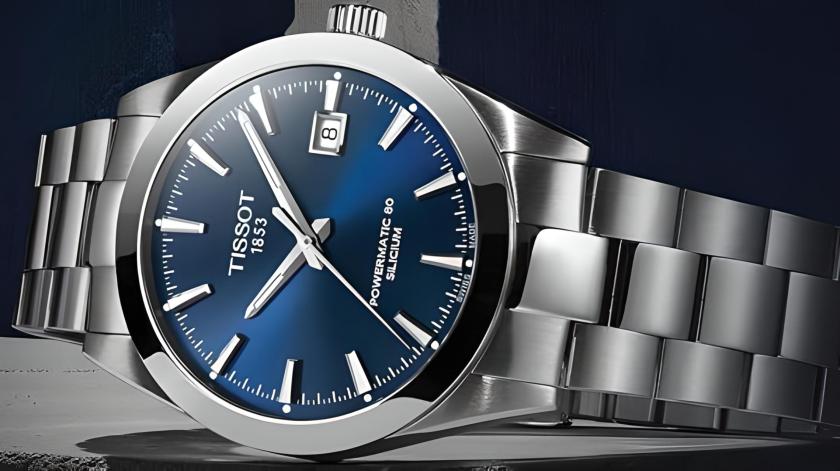
At $950, the Tissot Gentleman Powermatic 80 delivers 80 hours of power reserve, a sapphire crystal, and Swiss automatic movement. Is it the best value Swiss dress watch you can buy?
Tissot Gentleman Powermatic 80
The question of whether the Tissot Gentleman Powermatic 80 is a ‘giant killer’ is one that gets asked repeatedly in watch enthusiast circles. The answer, after spending time with it, is: yes — with some important caveats. At $950, it sits at the entry point of the Swiss luxury watch market, and it delivers specifications that would cost significantly more from brands like Longines, Certina, or Hamilton. The 80-hour power reserve alone is a genuine differentiator.
What Is the Tissot Gentleman Powermatic 80?
The Gentleman is Tissot’s flagship dress watch — a 40mm automatic with a clean, versatile dial design that works equally well with a suit and with jeans. The Powermatic 80 designation refers to the movement inside: the ETA C07.111, a Swiss-made automatic calibre with an 80-hour power reserve. This is the same movement family used across the Swatch Group’s mid-range brands, including Longines and Hamilton.
The current generation (T127.407) is available in multiple dial colours: blue, silver, and black are the most popular. The blue dial with stainless steel bracelet is the definitive configuration — it is the version that most often appears in ‘best dress watches under $1,000’ roundups.
Key Specifications
| Specification | Detail |
| Case Size | 40mm diameter |
| Case Material | Stainless steel |
| Movement | Powermatic 80 (ETA C07.111) |
| Water Resistance | 100m |
| Crystal | Sapphire (anti-reflective coating) |
| Strap/Bracelet | Stainless steel bracelet |
| Lug Width | 21mm |
| Power Reserve | 80 hours |
| Accuracy | ±4 seconds per day |
The 21mm lug width is the one specification that gives some buyers pause — aftermarket straps in 21mm are less common than 20mm or 22mm. Tissot sells official straps for the Gentleman, but third-party options are more limited.
The Powermatic 80 Movement: Why 80 Hours Matters
The standard power reserve for most automatic watches is 38-42 hours. This means that if you take the watch off on Friday evening, it will have stopped by Sunday morning. The Powermatic 80’s 80-hour reserve changes this calculus entirely — you can take it off Friday evening and it will still be running Monday morning.
For a dress watch that might only be worn on weekdays, this is a genuinely practical advantage. You do not need a watch winder, and you do not need to reset the time and date every Monday. The watch is simply ready when you are.
The movement also features a silicon balance spring, which makes it more resistant to magnetic fields than traditional steel springs. This is increasingly relevant in a world full of electronic devices.
The Gentleman’s design philosophy is restraint. The dial is clean — applied indices, simple hands, date window at 3 o’clock. There is nothing superfluous. This is not a watch that demands attention; it is a watch that rewards close inspection.
The 40mm case is the ideal size for a dress watch — large enough to be noticed, small enough to disappear under a shirt cuff. The brushed and polished finishing on the case and bracelet is executed to a standard that exceeds what you typically find at this price point. The sapphire crystal with anti-reflective coating gives the dial excellent legibility in all lighting conditions.
The blue dial variant has a subtle sunburst finish that catches the light differently throughout the day. It is one of the most visually interesting dials available under $1,000.
How It Compares to the Competition
The Gentleman’s direct competitors are the Hamilton Jazzmaster Viewmatic, the Longines Record, and the Certina DS-1 Powermatic 80.
| Feature | Tissot Gentleman PM80 | Hamilton Jazzmaster | Longines Record |
The Gentleman wins on power reserve versus the Hamilton and on price versus the Longines. The Hamilton is a strong alternative if you prefer a slightly larger case and a more classic aesthetic.
Who Should Buy the Tissot Gentleman Powermatic 80?
The Gentleman is the right watch for someone who wants a genuine Swiss automatic dress watch without paying luxury watch prices.
**Buy the Gentleman if you:**
– Want a Swiss-made automatic dress watch under $1,000
– Value the 80-hour power reserve for weekend storage
– Want sapphire crystal and anti-reflective coating
– Need a versatile watch that works for business and casual occasions
**Consider alternatives if you:**
– Have a budget under $500 (look at Seiko Presage or Orient Bambino)
– Want a sport watch rather than a dress watch (look at Seiko Prospex or G-Shock)
– Need a larger case (look at Hamilton Jazzmaster at 42mm)
The Tissot Gentleman Powermatic 80 is one of the best value propositions in Swiss watchmaking. An 80-hour power reserve, sapphire crystal, and Swiss automatic movement for under $1,000 — this is a watch that genuinely punches above its weight class. If you are ready to step into Swiss automatic territory, the Gentleman is the place to start.
Not sure if a dress watch is right for you? Try our Watch Advisor for personalized recommendations.
Find Your Perfect Watch
Affiliate Disclosure: WatchesAndMore (watchesandmore.org) is a participant in the Amazon Services LLC Associates Program, an affiliate advertising program designed to provide a means for sites to earn advertising fees by advertising and linking to Amazon.com and Amazon.ca. As an Amazon Associate, we earn from qualifying purchases at no additional cost to you.
💡 Did You Know?
Power reserve describes how long a wound watch can keep running. Accuracy describes how closely it keeps time; the two specifications answer different questions.
Disclaimer: Every effort has been made to keep these watch facts accurate, but the world of horology includes disputed stories and changing product information. Treat this article as a starting point for discovery and consult the linked records or manufacturer information for the exact timepiece. Corrections and additional evidence are welcome in the comments.