
📅 Wednesday, July 8, 2026
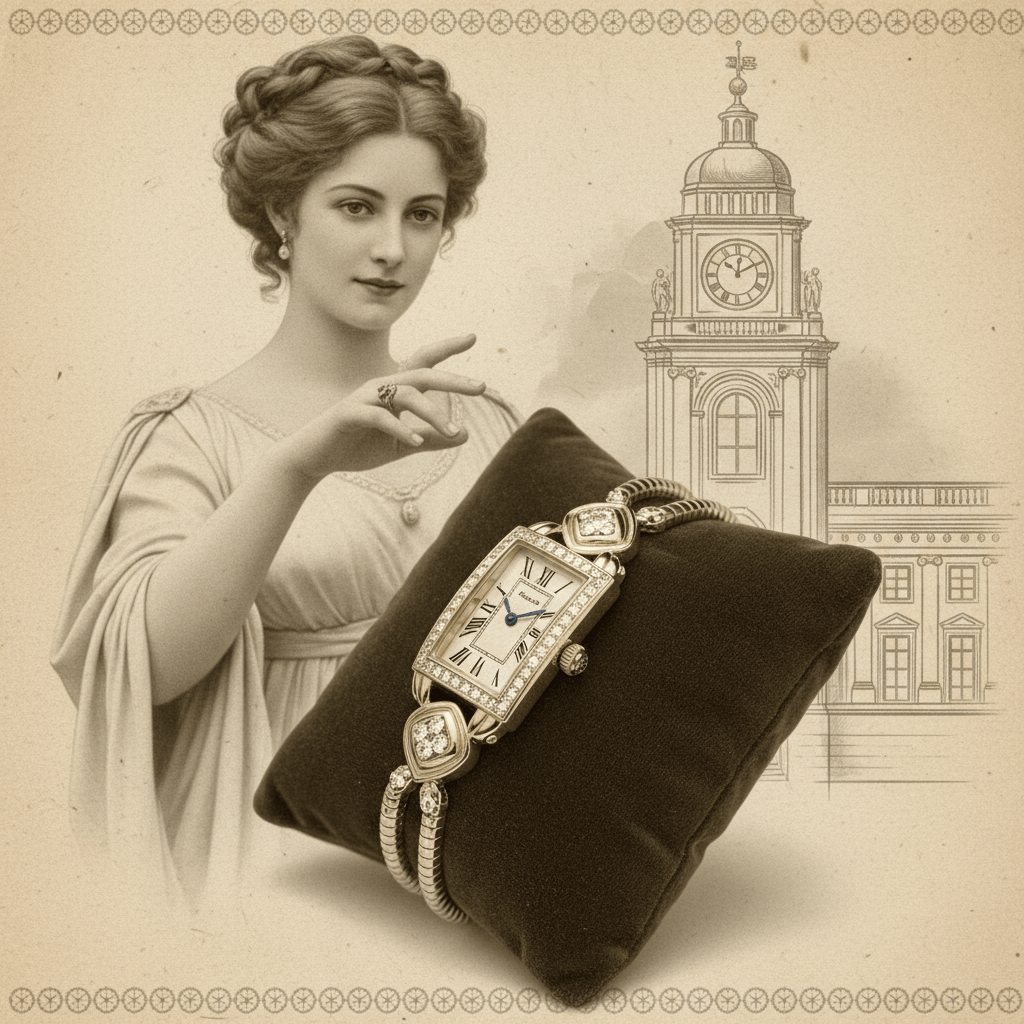
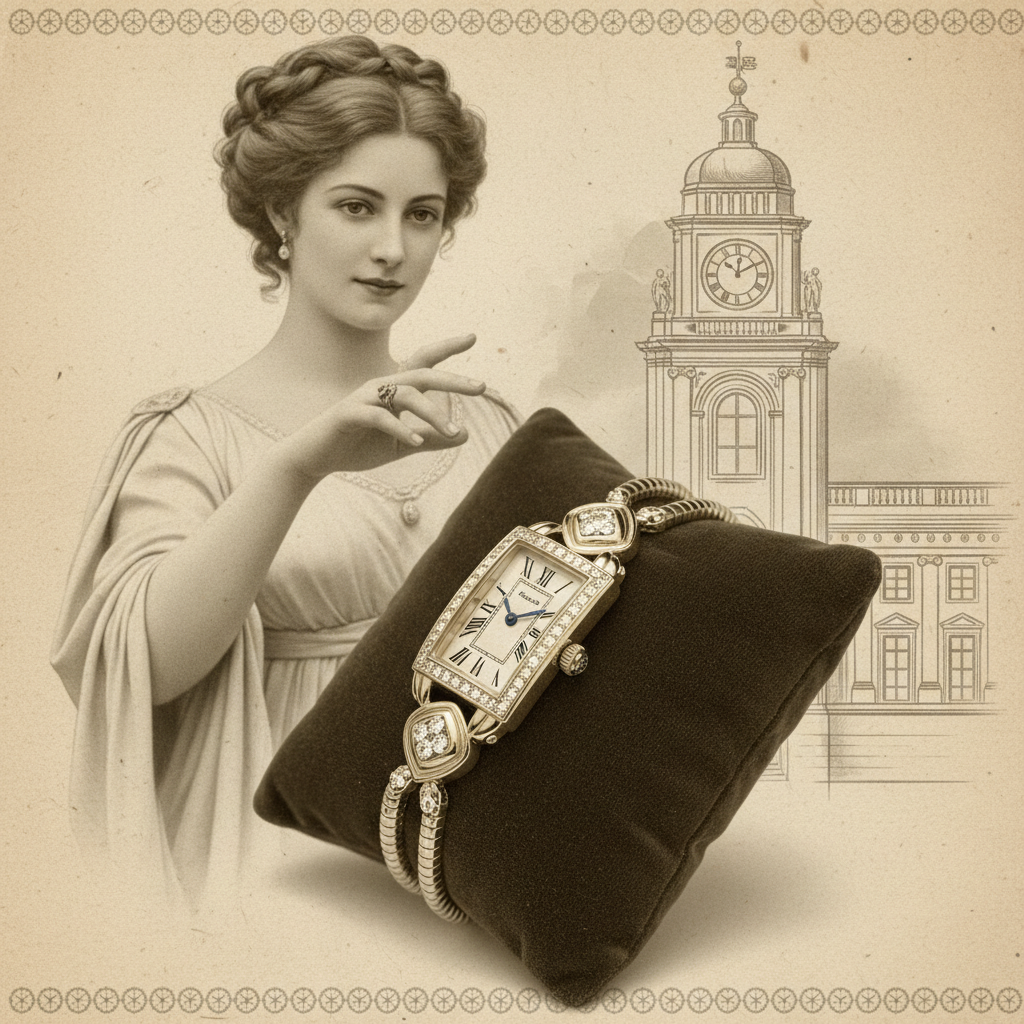
While men commonly wore pocket watches for centuries, the very first known wristwatch was created in 1810 by Abraham-Louis Breguet for Caroline Murat, Queen of Naples and Napoleon Bonaparte’s youngest sister. It was a delicate, oval-shaped repeater watch with a thermometer, designed to be worn on the wrist, marking a pivotal moment in horological history.
At the time, the idea of wearing a watch on the wrist was considered highly unconventional. Gentlemen almost exclusively carried pocket watches, while bracelets were viewed as fashionable jewelry rather than practical timekeeping devices. Caroline Murat’s commission challenged that convention, combining elegant design with remarkable mechanical complexity in a way that was centuries ahead of its time.
Breguet’s workshop records describe the watch as an extraordinary creation, featuring an ultra-thin movement mounted in an elongated oval case and attached to a bracelet woven from gold and hair. Although the original watch has since been lost to history, surviving correspondence and workshop archives provide fascinating insight into one of the most ambitious commissions of the early 19th century. Today, the piece is widely regarded as the world’s first documented wristwatch.
Ironically, it would take more than a hundred years for wristwatches to become the standard for men. During the late 19th century and especially throughout World War I, soldiers discovered that checking the time on a wristwatch was far more practical than reaching into a pocket during combat. What began as a bespoke luxury created for a queen eventually evolved into the preferred style of watch for millions around the world—a reminder that some of history’s greatest innovations begin as bold ideas for just one remarkable person.
What We Know About the Original Watch
According to Breguet’s archives, the original watch featured:
- 📅 Commissioned on June 8, 1810
- 👑 Made for Caroline Murat, Queen of Naples
- 🔔 Quarter repeater complication
- 🌡️ Built-in thermometer
- 🥚 Ultra-thin oval case
- 🪮 Mounted on a bracelet woven from gold thread and human hair
- 📦 Delivered in 1812
- 🔢 Breguet No. 2639
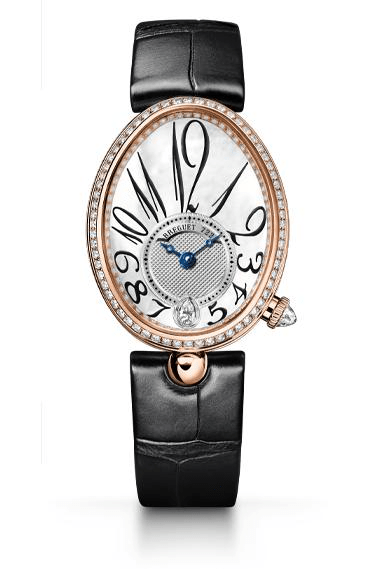
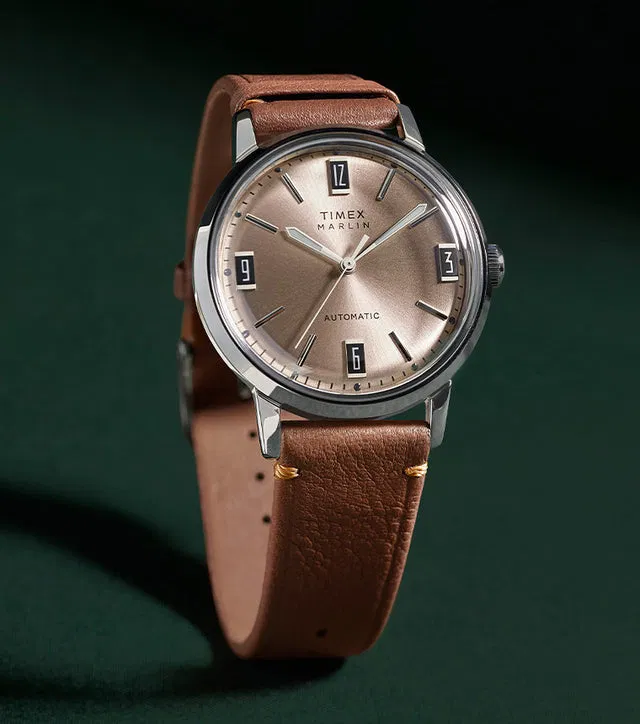
It looked Similar to this
Category: Watch History
Disclaimer: Every effort has been made to keep these watch facts accurate, but the world of horology is full of myths, disputed stories, and fascinating trivia. Consider these facts a starting point for discovery rather than the final word. If you have corrections or additional insights, let us know—we’re always happy to keep the record ticking in the right direction.
🕐 Discover more watch facts, reviews, and buying guides at WatchesAndMore
🛍️ You Might Also Like
As an Amazon Associate and affiliate partner, WatchesAndMore earns from qualifying purchases.


Browse all 75+ expert-reviewed watches →


