Apple Watch Cellular: Leaving the iPhone Behind, Not Every Dependency

Series 3 brought cellular calls and texts to Apple Watch in 2017. The revealing distinction is between leaving your iPhone behind and being entirely independent of it.

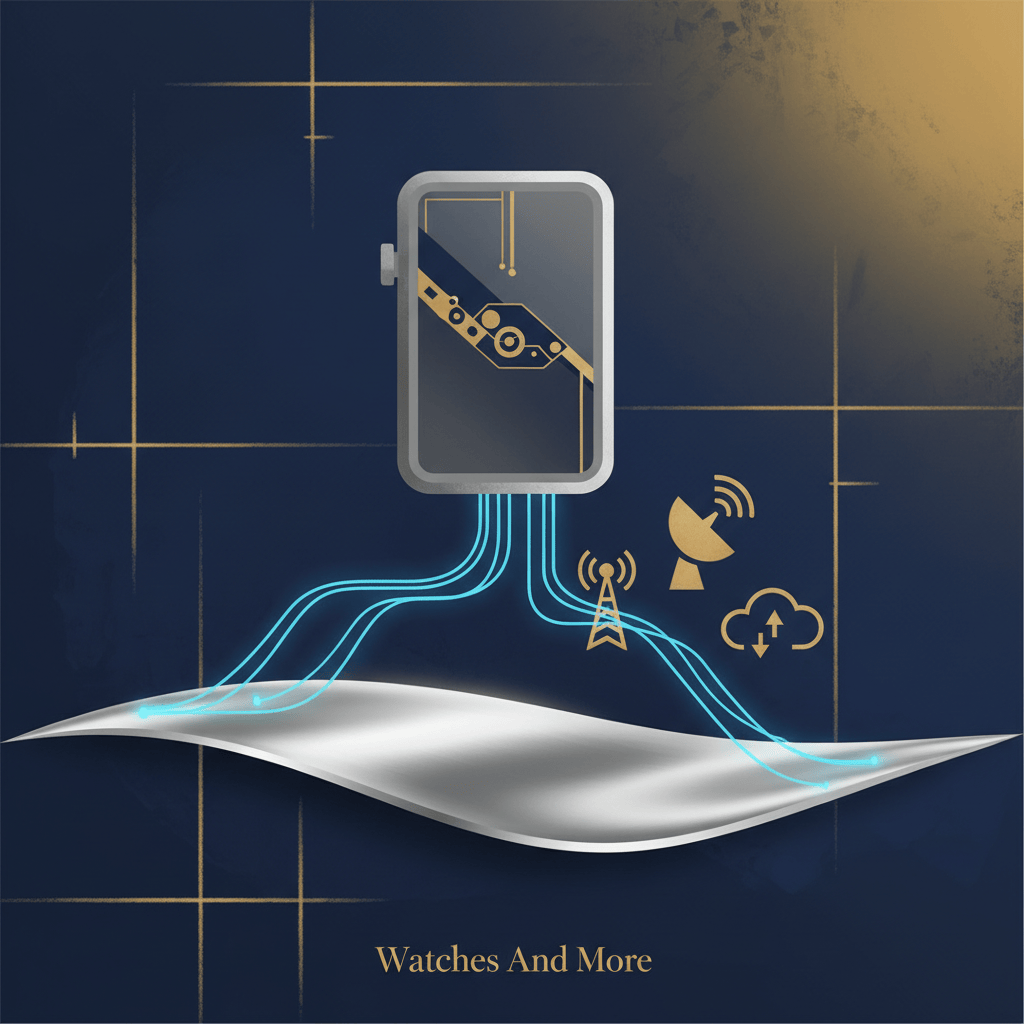
Abstract illustration of a generic rectangular watch surrounded by blue communication waves and simplified call, message, route and music symbols.
Original conceptual editorial illustration; not a photograph of a real watch or person.

2026-11-12 · Watches And More

The decisive phrase was “without iPhone nearby.” Apple announced Series 3 on 2017-09-12, describing a cellular version that could make calls and receive texts away from the phone. This was a change in what the wrist could do, not merely what it could display. [S2] [S2]

For us, that makes cellular a particularly interesting watch feature: its appeal is not another screen to check, but the possibility of leaving the larger screen behind. Yet the distinction between distance and independence deserves a closer look.

💡 Did You Know?

The clever detail was continuity, not a second identity. According to Apple’s 2017 announcement, the cellular watch shared the iPhone’s number. Friends and family did not need another number to reach the wearer. [S2]

Here is the important catch: Apple’s supplied support excerpt says receiving SMS, MMS and third-party push notifications still requires the paired iPhone to be powered on and connected. The phone can be elsewhere; it cannot simply disappear from the arrangement. [S1]

⭐ Why It Matters

Apple’s supplied support excerpt, dated September 17, 2026, extends that away-from-phone picture to streaming music, Maps and email over Wi-Fi or cellular. It also cautions that features vary by model, country and region. These are documented capabilities, not a universal checklist for every watch. [S1] [S1] [S1]

In our view, the category shift lies in that collection of small tasks. A call, a route and a song make the watch feel less like a remote display and more like a useful destination in its own right.

❤️ The W&M Take

Our take: cellular’s most compelling promise is a smaller connection to everyday life, rather than a complete replacement for the phone. We think the dependency details make the story more interesting, not less: freedom can mean carrying less without disconnecting altogether.

Sources

Disclaimer: Every effort has been made to keep these watch facts accurate, but the world of horology is full of myths, disputed stories, and fascinating trivia. Consider these facts a starting point for discovery rather than the final word. If you have corrections or additional insights, let us know—we’re always happy to keep the record ticking in the right direction.

Read Next

Watches And More · Watch Fact Archive · Companion site

Which would matter most to you when leaving your phone behind: calls, messages, directions or music?


Watch Fact of the Day: When Gerald Ford Brought the Space-Age Digital Pulsar to the White House

During the height of the 1970s digital watch craze, U.S. President Gerald Ford famously wore a Hamilton Pulsar—the world’s first all-electronic digital watch wi

Faces of Horology: Thursday, November 5, 2026

📅 Thursday, November 5, 2026

During the height of the 1970s digital watch craze, U.S. President Gerald Ford famously wore a Hamilton Pulsar—the world’s first all-electronic digital watch with no moving parts. Opting for a model with a leather strap, Ford’s high-tech accessory was captured by the press during major political hearings, marking a stark shift from traditional luxury gold timepieces to futuristic microchip technology in the Oval Office.


Gerald Ford wore a Pulsar in the 1970s. Pressing a button lights its red LED display.
Watches & More infographic. Editorial illustrations.

Category: Faces of Horology

Disclaimer: Every effort has been made to keep these watch facts accurate, but the world of horology is full of myths, disputed stories, and fascinating trivia. Consider these facts a starting point for discovery rather than the final word. If you have corrections or additional insights, let us know—we’re always happy to keep the record ticking in the right direction.

🕐 Discover more watch facts, reviews, and buying guides at WatchesAndMore


🛍️ You Might Also Like

As an Amazon Associate and affiliate partner, WatchesAndMore earns from qualifying purchases.

🔥 Deal of the Day

Hamilton Khaki Field Automatic

Hamilton

★★★★★ 4.6 (1,076 reviews)

$595

Offer expires in


🔥 Grab This Deal →


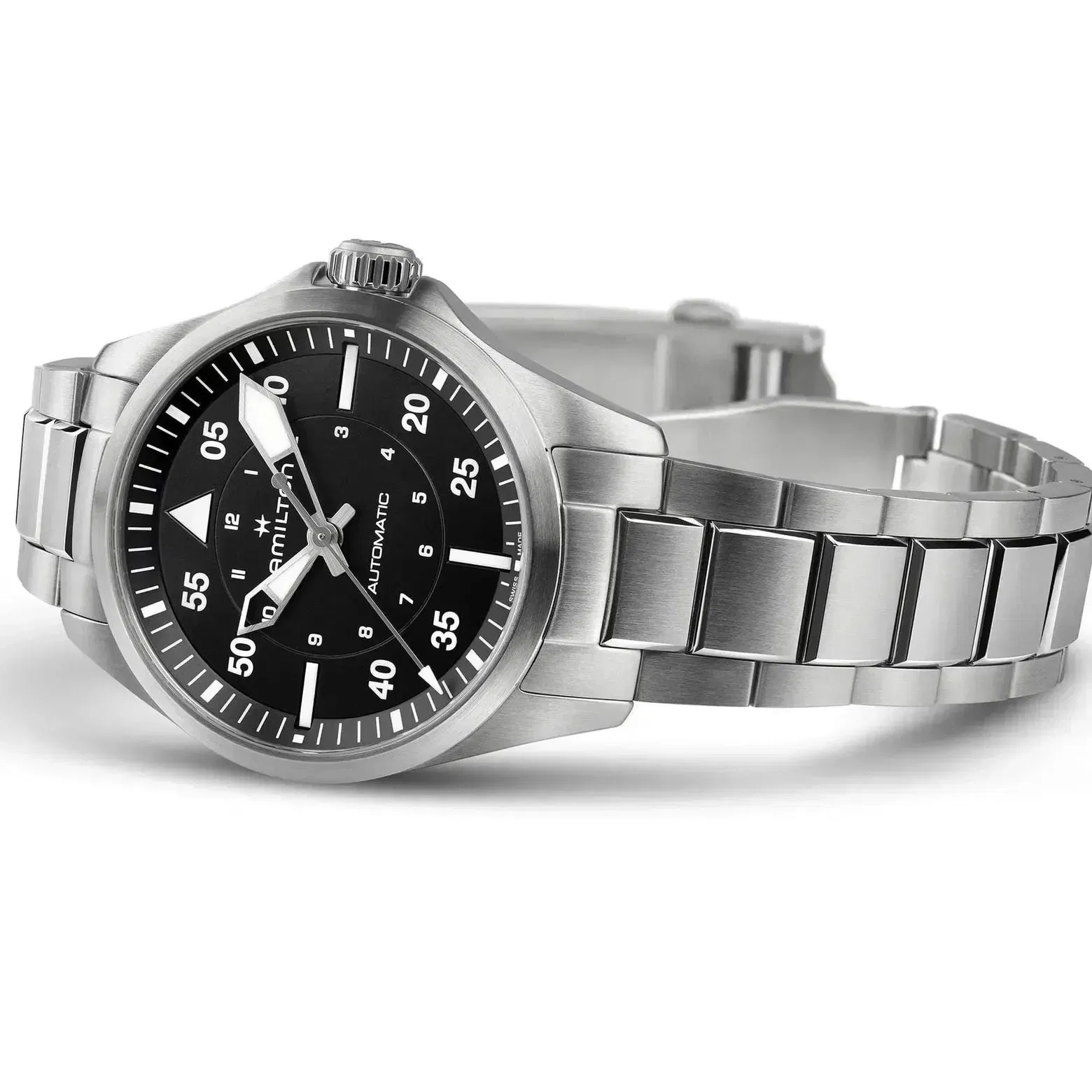
Hamilton Khaki Aviation Pilot

Hamilton Khaki Aviation Pilot

Hamilton

★★★★★ 4.8 (436 reviews)

$995


Check Price on Amazon →


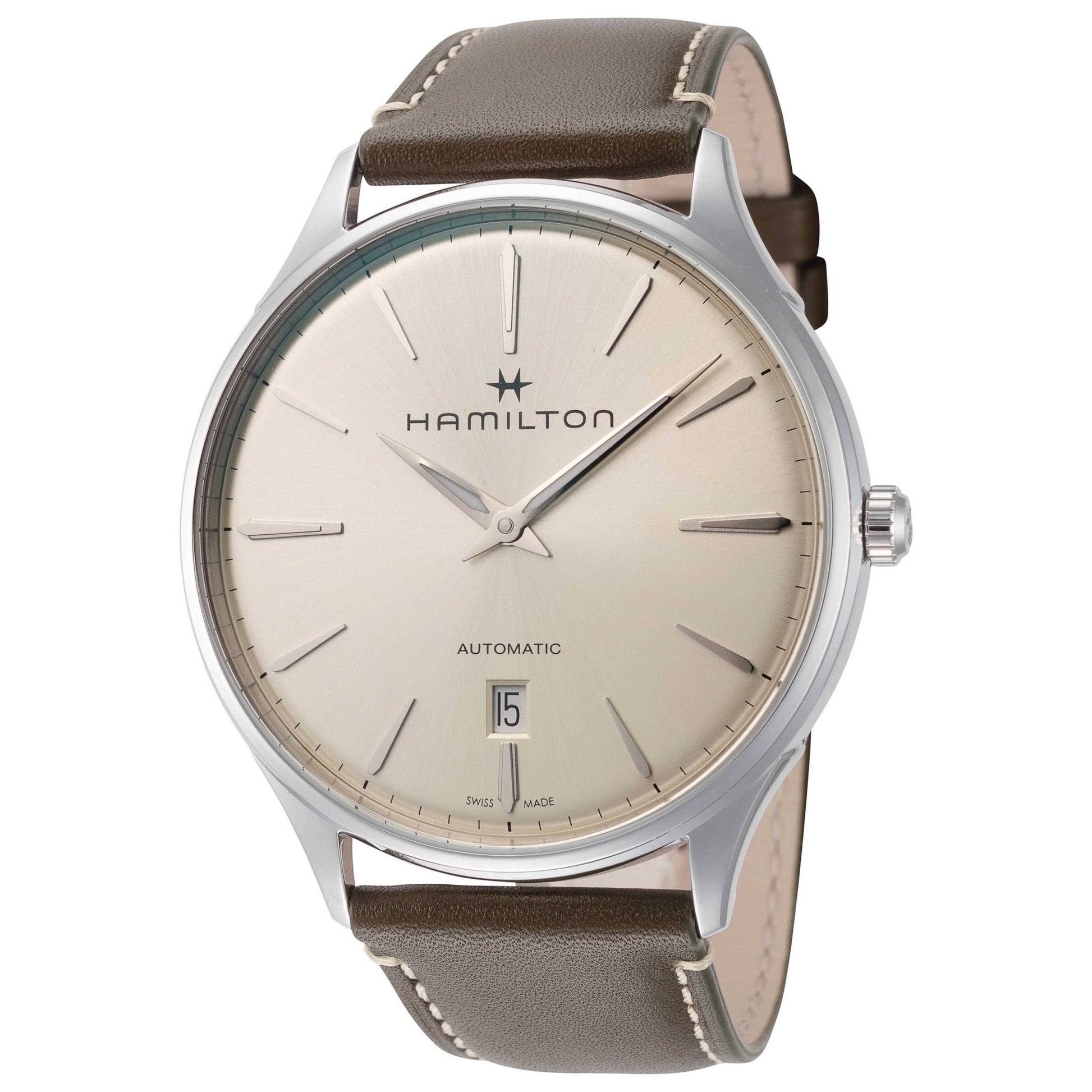
Hamilton Jazzmaster Automatic

Hamilton Jazzmaster Automatic

Hamilton

★★★★★ 4.7 (342 reviews)

$399


Check Price on Amazon →

Also at: Ashford


Browse all 142+ expert-reviewed watches →

Certina Biostar: The Watch That Tried to Predict Your Day

In 1965, Swiss brand Certina released the Biostar, the world’s first and only wristwatch designed to track a person’s daily physical, emotional, and mental bior

Fun Quirk: Wednesday, November 4, 2026

📅 Wednesday, November 4, 2026

Imagine a watch that promises to tell you what kind of day you are about to have. The Certina Biostar brought that idea to the wrist with a colourful display based on a popular theory of human biorhythms.

It is a fascinating watchmaking object, but understanding it requires a distinction: its display calculated a pattern from a birth date. It did not measure the wearer’s body or detect their mood.

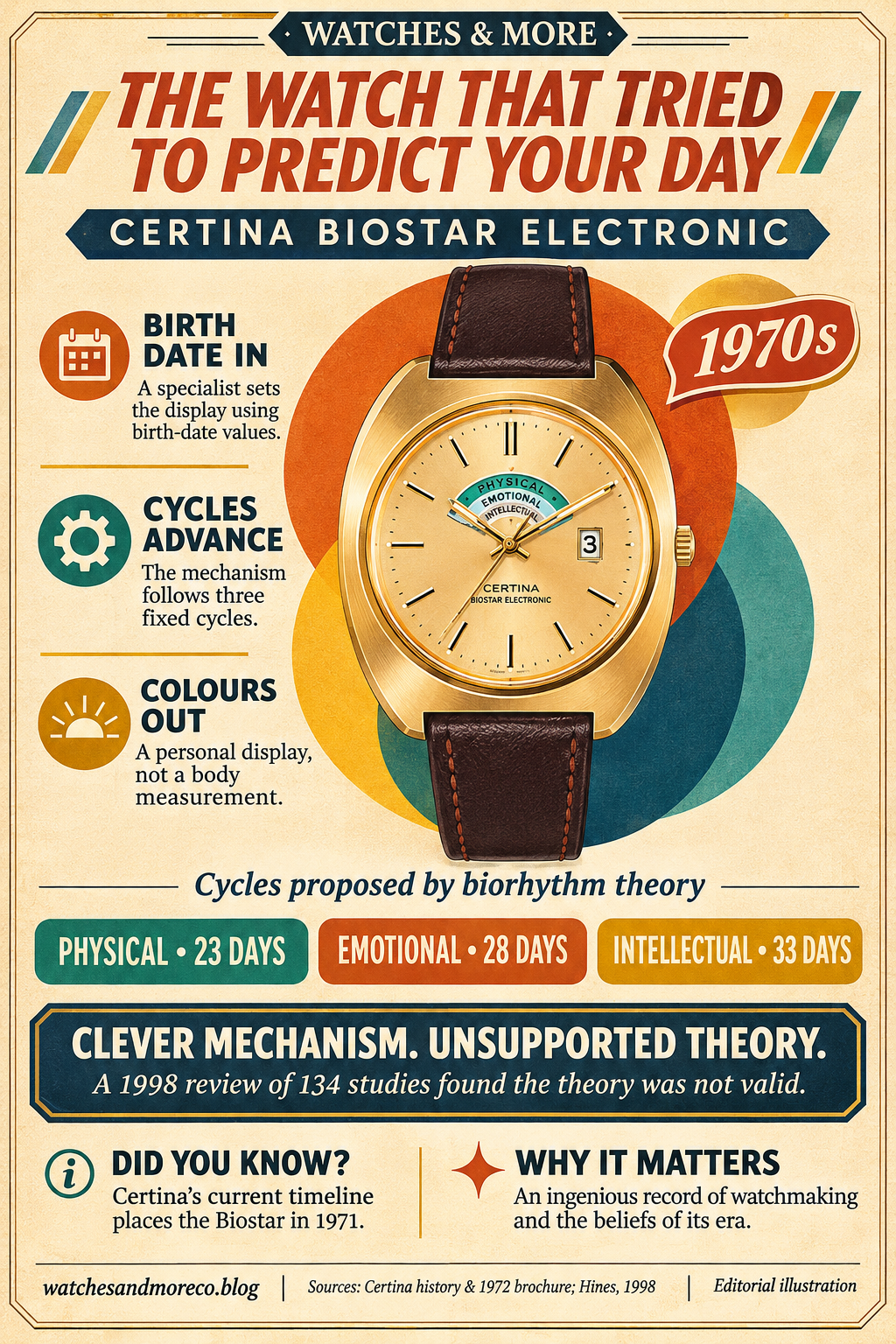
W&M infographic explaining the Certina Biostar's birth-date-based cycle display and the lack of scientific support for biorhythm theory.
The Biostar calculated proposed cycles; it did not measure the body. Editorial illustration based on Certina history, a 1972 brochure and Hines’s 1998 review.

⌚ A Watch with a Prediction Window

Certina’s current company timeline places the Biostar under 1971 and describes its display of physical, mental and emotional biorhythms. A surviving Certina brochure from 1972 documents the Biostar Electronic, with three coloured indications and a separate weekday display.

The 1972 brochure is a useful anchor for exploring the watch: it records specific electronic models and explains how their unusual display was set. Certina describes the Biostar as the first watch to display these proposed daily rhythms.

🎨 Three Cycles, One Personal Starting Point

The brochure assigns the proposed physical cycle 23 days, emotional cycle 28 days and intellectual cycle 33 days. Its colour key is red, blue and green respectively. These are the periods assumed by the theory, rather than three measurements taken by the watch.

At purchase, a watch specialist used the owner’s date of birth to obtain the setting values and adjust the display. Once set, the mechanism advanced the indications through the prescribed cycles. The result looked personal because its starting point belonged to one wearer.

⚙️ Calculation Is Different from Measurement

A calendar can display a future date because it follows a defined sequence. The Biostar’s appeal rested on a similar idea: mechanically present where a person supposedly stood within repeating cycles. The mechanism could reproduce that sequence without demonstrating that it described the person’s actual condition.

That distinction is the heart of the story. Building an ingenious display and validating the claim behind it are separate achievements. A colourful dial can make an idea feel tangible, but its precision as a mechanism does not establish its accuracy as a prediction.

🔎 What Happened to the Theory?

In 1998, psychologist Terence M. Hines reviewed 134 studies of biorhythm theory. His review concluded that the theory was not valid; reported positive findings were accounted for by methodological and statistical problems. This particular birth-date-based system should not be confused with established biological rhythms such as the daily sleep–wake cycle.

💡 Did You Know?

The 1972 brochure describes the watch specialist setting up the owner’s display using birth-date information. This was a personalised calculation long before an app could put a similar set of predictions on a screen.

⭐ Why It Matters

The Biostar captures a moment when watchmakers explored what else a dial might tell its owner. Its lasting interest comes from that mix of mechanical ingenuity, personalisation and the beliefs of its period.

The mechanism could keep track of the pattern. The pattern could not reliably predict your day.

📚 Sources & Further Reading

Certina — Company History
Certina — 1972 Product Brochure, archived scan
Terence M. Hines — Comprehensive Review of Biorhythm Theory (1998)

Join the Conversation

Would you collect a watch for its ingenious mechanism even if the theory behind its extra display did not hold up?


Category: Fun Quirk

Disclaimer: Every effort has been made to keep these watch facts accurate, but the world of horology is full of myths, disputed stories, and fascinating trivia. Consider these facts a starting point for discovery rather than the final word. If you have corrections or additional insights, let us know—we’re always happy to keep the record ticking in the right direction.

🕐 Discover more watch facts, reviews, and buying guides at WatchesAndMore


🛍️ You Might Also Like

As an Amazon Associate and affiliate partner, WatchesAndMore earns from qualifying purchases.

🔥 Deal of the Day

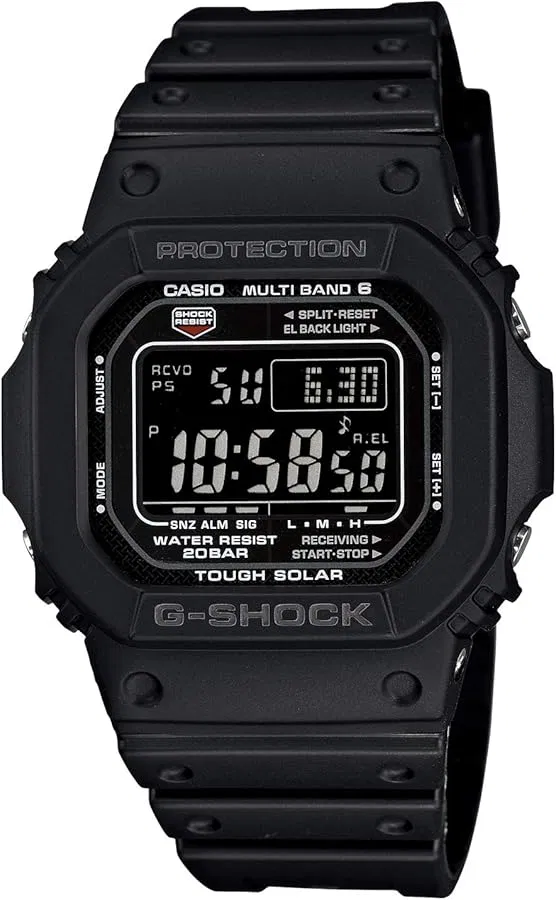
G-Shock GWM5610-1 Solar Atomic

Casio

★★★★★ 4.8 (5,621 reviews)

$129

Offer expires in

🔥 Grab This Deal →
G-Shock GA2100-1A1 CasiOak

G-Shock GA2100-1A1 CasiOak

Casio

★★★★★ 4.8 (2,156 reviews)

$99

Check Price on Amazon →
Casio Edifice Chronograph

Casio Edifice Chronograph

Casio

★★★★★ 4.7 (1,264 reviews)

$120

Check Price on Amazon →

Browse all 142+ expert-reviewed watches →

Citizen X-8 Chronometer: The Titanium Pioneer of 1970

In 1970, Japanese manufacturer Citizen beat the entire Swiss and global watch industry to market by releasing the X-8 Chronometer, the world’s first-ever wristw

Fun Quirk: Tuesday, November 3, 2026

📅 Tuesday, November 3, 2026

The first titanium wristwatch arrived with more than an unusual case. Citizen’s X-8 Chronometer also belongs to a fascinating chapter between traditional spring-driven watches and the quartz era.

In 1970, Citizen released the X-8 Chronometer, identified in the company’s history as the world’s first watch with a titanium case. Its case used titanium of 99.6% purity—a striking choice when the material was still closely associated with aerospace engineering.

W&M infographic about the 1970 Citizen X-8 Chronometer, its 99.6% titanium case, manufacturing challenges and electronic timekeeping.
The 1970 Citizen X-8 and the manufacturing challenges behind its titanium case. Editorial illustration based on Citizen’s historical records.

🚀 From Space-Age Material to Everyday Object

Citizen connects its interest in titanium with the Apollo era. The attraction was practical as well as futuristic: lightness and corrosion resistance offered appealing possibilities for something worn against the skin. But recognising a promising material was easier than turning it into a finished watch case.

The story is therefore about manufacturing as much as design. A material’s useful properties do not automatically make it easy to form, cut or finish. The X-8 asked Citizen to bring an unfamiliar metal into the precise, visible and frequently handled world of the wristwatch.

⚙️ Why Engineers Called It “Triple Trouble”

Citizen’s engineers gave titanium that nickname because pressing, machining and polishing all presented difficulties. Low thermal conductivity, material sticking to cutting edges and combustible machining shavings complicated production. Achieving the desired surface finish was another challenge.

These are workshop problems, not a suggestion that a finished titanium watch is liable to catch fire on your wrist. The point is how demanding the metal could be during processing.

🔋 Electronic Does Not Automatically Mean Quartz

Citizen places the titanium X-8 within its electronic-watch history. The earlier X8 of 1966 used a small silver battery and a transistor-driven moving-magnet balance motor. That background helps explain a distinction easily lost today: a watch can use electrical power while retaining a balance-based regulating system.

Quartz refers to the vibrating quartz crystal used as the timing reference, rather than simply to the presence of a battery. Calling the X-8 merely “battery powered” misses the more interesting story of electronic watchmaking before quartz became familiar.

💡 Did You Know?

Citizen explains the X-8 name as a combination of X, suggesting the unknown, and 8, whose shape recalls the infinity symbol. The name expressed the possibilities of titanium.

The 1970 case should also be distinguished from Citizen’s later Super Titanium™. The company dates the first Super Titanium model to 2000, combining titanium processing with its Duratect surface-hardening technology. Those later developments were not already present in the original X-8.

⭐ Why It Matters

The X-8 joins two kinds of experimentation: a different way to power a watch and a different material for its case. It reminds us that watch innovation happens at the workbench as well as inside the movement.

Before titanium became a familiar choice, someone had to learn how to make a watch from it.

📚 Sources & Further Reading

Citizen — 100th Anniversary History, X8 and X8 Chronometer
Citizen and Titanium: A Journey
Citizen — 50th Anniversary of Titanium Technology

Join the Conversation

What interests you most about the X-8: the titanium case, the electronic movement, or the combination? Tell us below.


Category: Fun Quirk

Disclaimer: Every effort has been made to keep these watch facts accurate, but the world of horology is full of myths, disputed stories, and fascinating trivia. Consider these facts a starting point for discovery rather than the final word. If you have corrections or additional insights, let us know—we’re always happy to keep the record ticking in the right direction.

🕐 Discover more watch facts, reviews, and buying guides at WatchesAndMore


🛍️ You Might Also Like

As an Amazon Associate and affiliate partner, WatchesAndMore earns from qualifying purchases.

🔥 Deal of the Day

Citizen Garrison Eco-Drive

Citizen

★★★★★ 4.5 (802 reviews)

$295

Offer expires in

🔥 Grab This Deal →
Citizen Eco-Drive BM8180-03E

Citizen Eco-Drive BM8180-03E

Citizen

★★★★★ 4.6 (2,997 reviews)

$129

Check Price on Amazon →
Citizen Promaster Diver

Citizen Promaster Diver

Citizen

★★★★★ 4.7 (2,192 reviews)

$299

Check Price on Amazon →

Browse all 142+ expert-reviewed watches →

Equation of Time: Why Your Watch and the Sun Disagree

Because Earth’s orbit is elliptical and its axis is tilted, true solar time doesn’t match our standard 24-hour civil clocks, fluctuating by up to 16 minutes thr

Fun Quirk: Monday, November 2, 2026

📅 Monday, November 2, 2026

Your watch and a sundial can disagree even when both are working perfectly. The Equation of Time explains why—and a remarkable watch complication makes that difference visible.

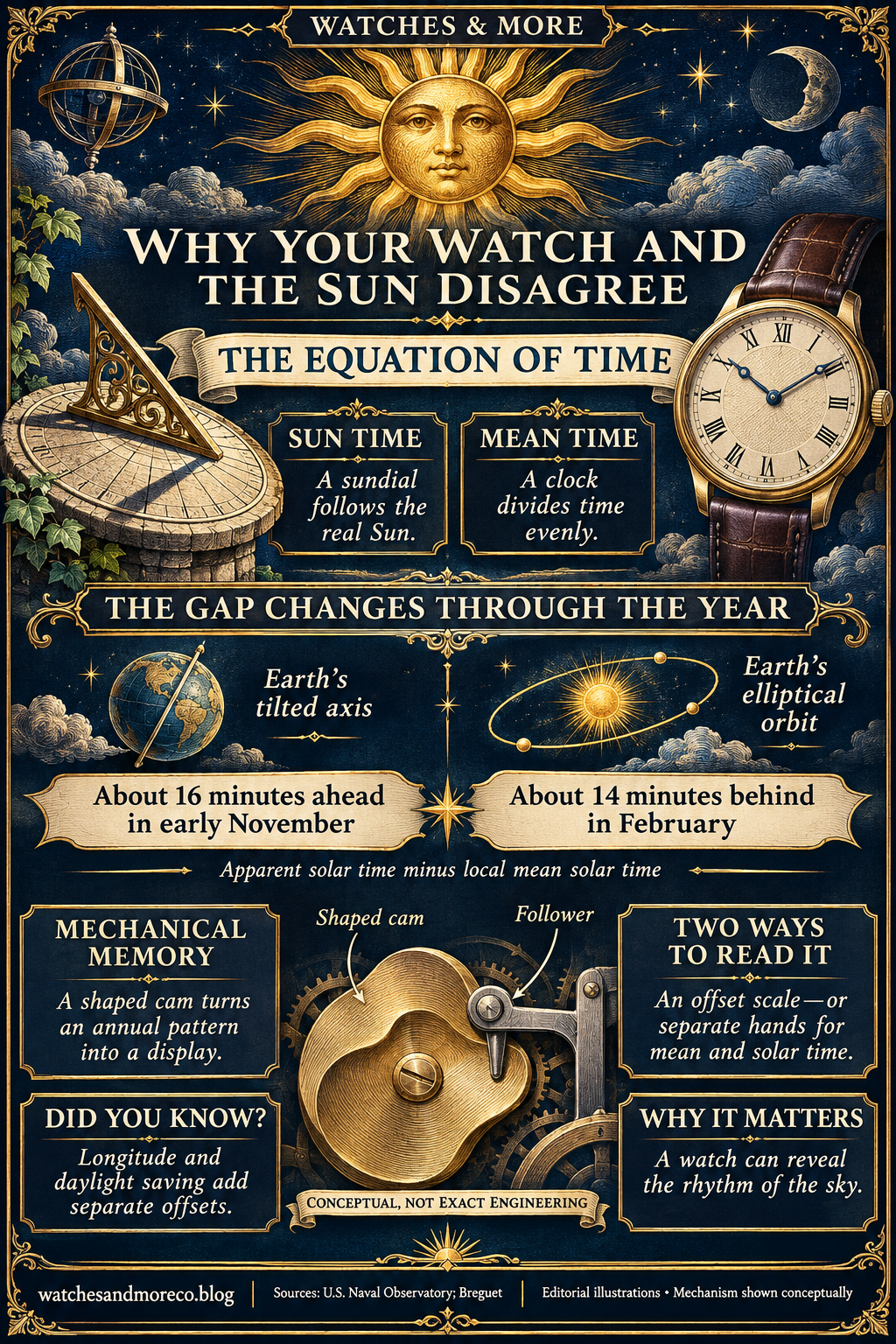
We organise life around uniform hours and minutes. The Sun follows a less convenient schedule. The interval between successive solar noons varies slightly through the year, so apparent solar time, read from the real Sun, gradually moves ahead of or behind local mean solar time.

W&M infographic comparing apparent solar time and mean solar time, explaining the seasonal offset and a conceptual cam display.
Apparent solar time minus local mean solar time: roughly 16 minutes ahead in early November and 14 minutes behind in February. Editorial illustrations; mechanism shown conceptually.

☀️ Why the Sun Does Not Keep an Even Schedule

Two effects combine: Earth travels around the Sun in an elliptical orbit, and its rotational axis is tilted. Together, they make the Sun’s apparent progress uneven compared with an imaginary “mean Sun” moving at a steady rate.

The resulting difference is called the Equation of Time. Using apparent solar time minus mean solar time, it reaches roughly 16 minutes ahead in early November and 14 minutes behind in February. Some watch displays use the opposite sign convention, so the maker’s instructions matter.

⚙️ An Astronomical Pattern Stored in Metal

An Equation of Time watch uses a carefully profiled cam and a feeler to translate the annual pattern into a mechanical indication. As the mechanism advances through the calendar, the changing cam profile moves a lever that controls the display.

This is a mechanical representation of a predictable astronomical cycle. The watch does not need to see the sky, and the complication does not correct an inaccurate movement. It adds another way to read time.

⌚ Two Ways to Show the Difference

A conventional display gives an offset on a graduated scale. The wearer applies that difference to the corresponding mean-time reading to obtain apparent solar time.

A running equation of time takes a more direct approach. Breguet’s Marine Tourbillon Équation Marchante 5887 uses separate minute hands for mean and solar time. Its cam-and-feeler mechanism drives the equation indication, allowing the two readings to appear together. The watch also combines a tourbillon and perpetual calendar.

💡 Did You Know?

Longitude and daylight saving time introduce separate differences between a sundial and your everyday clock. An Equation of Time indication alone does not automatically account for all of them. Compare local apparent solar time with local mean solar time first, rather than assuming every sundial should match your time-zone clock.

⭐ Why It Matters

This complication connects a wristwatch to the sky with something you can actually read: the changing gap between two ways of defining time. It makes an abstract relationship tangible through the movement of a hand.

Your watch divides the day evenly. The Equation of Time reveals the Sun’s changing rhythm.

📚 Sources & Further Reading

U.S. Naval Observatory — The Equation of Time
Australian Bureau of Meteorology — The Equation of Time
Breguet — Marine Tourbillon Équation Marchante 5887

Join the Conversation

Would you choose a watch that follows the Sun, or is one minute hand enough? Share your thoughts below.


Category: Fun Quirk

Disclaimer: Every effort has been made to keep these watch facts accurate, but the world of horology is full of myths, disputed stories, and fascinating trivia. Consider these facts a starting point for discovery rather than the final word. If you have corrections or additional insights, let us know—we’re always happy to keep the record ticking in the right direction.

🕐 Discover more watch facts, reviews, and buying guides at WatchesAndMore


🛍️ You Might Also Like

As an Amazon Associate and affiliate partner, WatchesAndMore earns from qualifying purchases.

🔥 Deal of the Day

G-Shock GWM5610-1 Solar Atomic

Casio

★★★★★ 4.8 (5,621 reviews)

$129

Offer expires in

🔥 Grab This Deal →
G-Shock GA2100-1A1 CasiOak

G-Shock GA2100-1A1 CasiOak

Casio

★★★★★ 4.8 (2,156 reviews)

$99

Check Price on Amazon →
Casio Edifice Chronograph

Casio Edifice Chronograph

Casio

★★★★★ 4.7 (1,264 reviews)

$120

Check Price on Amazon →

Browse all 142+ expert-reviewed watches →

Musical Pocket Watches: When Tiny Bells Played a Tune

During the mid-18th century, master watchmakers integrated miniature carillons into pocket watches, allowing them to play real musical tunes using tiny tuned st

Fun Quirk: Sunday, November 1, 2026

📅 Sunday, November 1, 2026

Long before a phone could play a song from your pocket, watchmakers were finding ways to put a miniature musical performance inside a portable timepiece.

In the 18th century, some watchmakers built musical watches that played tunes on small bells. These were elaborate mechanical instruments, combining the job of keeping time with the very different challenge of producing a recognisable melody.

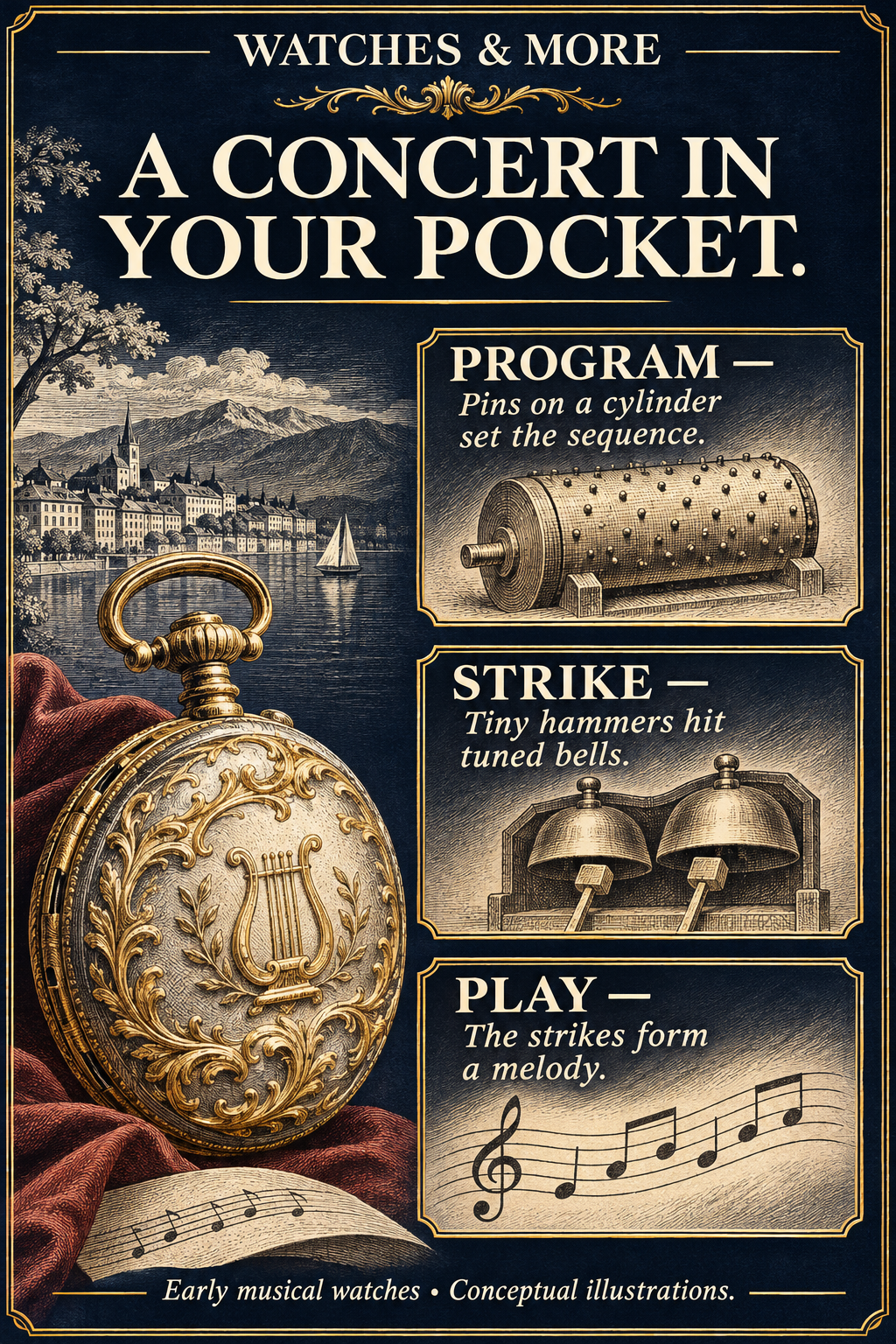
Pins on a cylinder set the sequence, tiny hammers strike tuned bells, and the strikes form a melody.
Watches & More infographic. Editorial illustrations.

🔔 A Tiny Carillon Inside a Watch

A carillon produces music using bells tuned to different pitches. In miniature bell-playing mechanisms, the sequence is controlled mechanically: pins arranged on a rotating cylinder trigger levers and hammers in a programmed order. The spacing of the pins determines when the notes sound.

Think of the cylinder as a physical score. Instead of reading printed notation, the mechanism follows raised points of metal. The tune is built into the arrangement of the parts.

🎵 More Than a Chime to Tell the Hour

A musical watch and a repeating watch do different things. A repeater communicates the time through a sequence of strikes. A musical mechanism performs a tune. Both turn stored mechanical energy into sound, but the listener receives a different kind of information.

The distinction matters when looking at museum pieces: a beautifully decorated watch with bells is not automatically a miniature music box. Its actual mechanism determines whether it strikes the time, plays a melody, or combines functions.

🏛️ What the Historical Evidence Shows

The Museum of Music Automatons in Seewen describes miniature carillons and bird automata incorporated into 18th-century Genevan luxury objects. Around 1780, miniaturised musical watches and other musical accessories had become a Genevan speciality.

A study in the Musical Box Society of Great Britain’s journal describes a coach watch preserved at Museum Speelklok in Utrecht that plays four melodies on six bells. A coach watch is a larger portable timepiece; it should not be imagined as a slim modern wristwatch. The study also notes how very high-pitched miniature bells could make a melody difficult to recognise.

⚙️ The Breakthrough That Changed the Sound

In 1796, Genevan watchmaker Antoine Favre-Salomon introduced tuned steel lamellae: small vibrating tongues that opened new possibilities for miniaturising music. These belong to the history of the musical comb, rather than the earlier bell system.

Reuge traces its own musical-watch tradition to Charles Reuge’s workshop in Sainte-Croix in 1865. Its history describes the integration of a musical cylinder and miniature comb into watch movements, carrying mechanical music into a later generation of portable timepieces.

💡 Did You Know?

A bell struck by a hammer and a steel tongue plucked by a pin are different sound sources. Their mechanisms belong to the same broad story of mechanical music, but they should not be treated as interchangeable descriptions of one invention.

⭐ Why It Matters

Musical watches reveal how far watchmaking can reach beyond displaying the hour. A portable timepiece could also become a small performance—an object designed to reward listening as well as looking.

Before playlists lived in our pockets, watchmakers were building tunes into metal.

📚 Sources & Further Reading

Museum of Music Automatons — Melodic Gold
Musical Box Society of Great Britain — An Exceptional Musical Watch with Two Combs and Two Melodies, Spring 2015, pp. 6–7
Reuge — Our Story

Join the Conversation

Would you rather hear your watch announce the time or play a miniature melody? Tell us in the comments.


Category: Fun Quirk

Disclaimer: Every effort has been made to keep these watch facts accurate, but the world of horology is full of myths, disputed stories, and fascinating trivia. Consider these facts a starting point for discovery rather than the final word. If you have corrections or additional insights, let us know—we’re always happy to keep the record ticking in the right direction.

🕐 Discover more watch facts, reviews, and buying guides at WatchesAndMore


🛍️ You Might Also Like

As an Amazon Associate and affiliate partner, WatchesAndMore earns from qualifying purchases.

🔥 Deal of the Day

G-Shock GWM5610-1 Solar Atomic

Casio

★★★★★ 4.8 (5,621 reviews)

$129

Offer expires in

🔥 Grab This Deal →
G-Shock GA2100-1A1 CasiOak

G-Shock GA2100-1A1 CasiOak

Casio

★★★★★ 4.8 (2,156 reviews)

$99

Check Price on Amazon →
Casio Edifice Chronograph

Casio Edifice Chronograph

Casio

★★★★★ 4.7 (1,264 reviews)

$120

Check Price on Amazon →

Browse all 142+ expert-reviewed watches →

Pocket-Watch Barometers: Time and Air Pressure in One Case

During the mid-19th century, pocket watch manufacturers began integrating aneroid barometers directly into timepieces to help travelers and sailors predict shif

A pocket watch answers one question: what time is it? A combined watch and barometer adds another: what is the air pressure doing? These unusual objects bring two kinds of observation into a single portable case—and the documented examples are fascinating enough without stretching their history.

Fun Quirk: Saturday, October 31, 2026

Illustration accompanying this story; not a photograph of either museum or auction example described below.

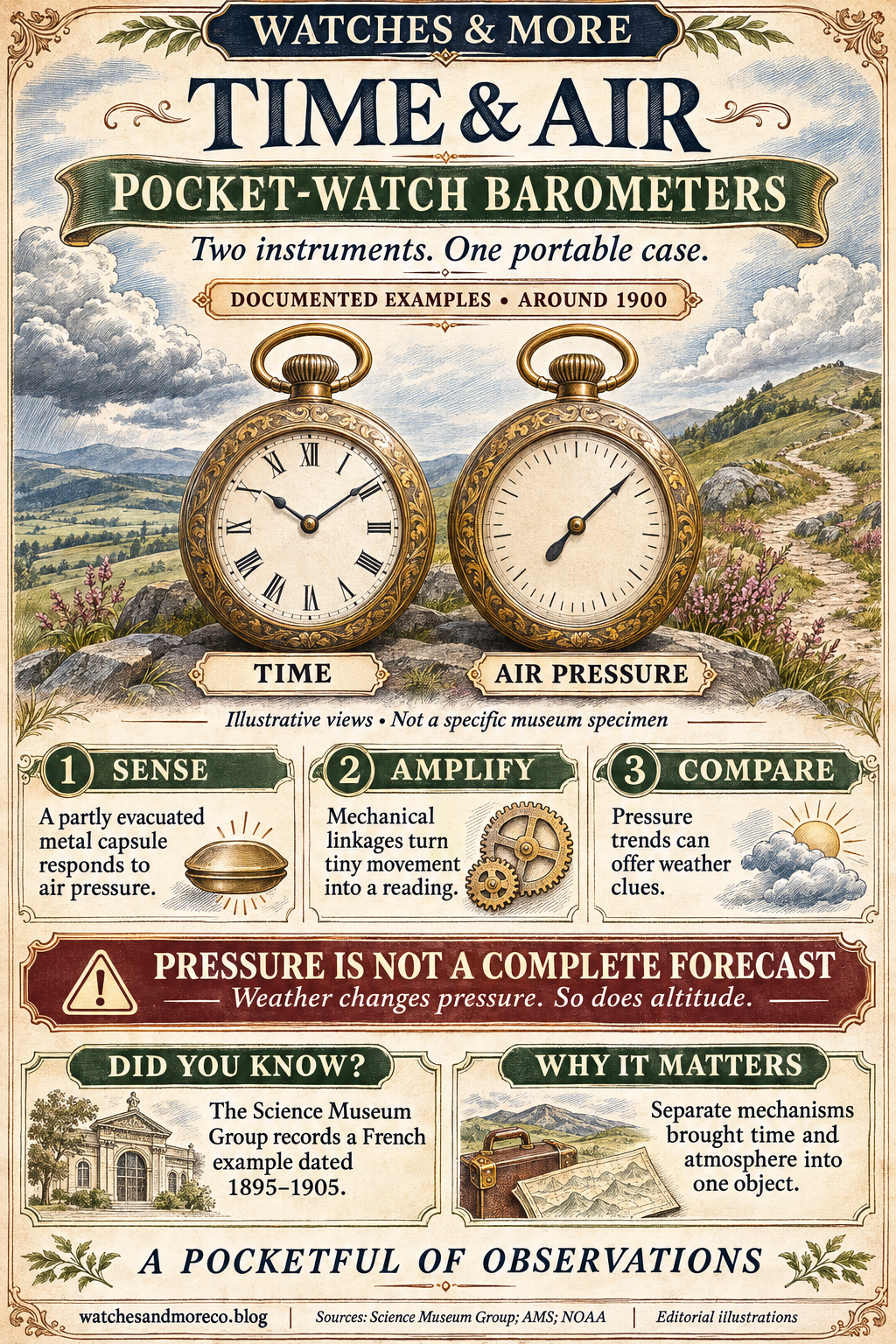
W&M infographic explaining combined pocket watches and aneroid barometers: sensing pressure, amplifying movement and interpreting trends with altitude in mind.
Time and air pressure in one portable instrument. Editorial illustrations show the principles, not a specific museum specimen or technical reconstruction.

Two Instruments, One Pocket

The Science Museum Group records a French combined pocket watch and aneroid barometer dated 1895–1905. Its maker is unknown. A separate Antiquorum catalogue documents a Swiss example made around 1900, with a watch dial and an engraved barometer ring. These records establish real examples around the turn of the twentieth century. They do not establish widespread adoption by mid-century sailors or a standard feature across pocket-watch production.

How an Aneroid Barometer Works

An aneroid barometer measures air pressure without a column of liquid. A partly evacuated metal capsule responds to changes in the surrounding pressure, and mechanical linkages magnify that movement into an indication. The timekeeping movement and the pressure sensor perform different jobs, even when they share a case. That is the appeal: a small object becomes both a clock and an observational instrument.

Weather Clues, With Limits

Pressure trends can help reveal changing atmospheric conditions, but a barometer does not deliver a complete forecast. Air pressure also changes with elevation. Carrying an instrument uphill can produce a different reading even without an approaching storm. To interpret a trend sensibly, you need context, comparable observations, and an understanding of where the reading was taken.

💡 Did You Know?

“Aneroid” identifies a type of pressure instrument, not a special watch movement. In the circa-1900 Swiss example catalogued by Antiquorum, the barometer mechanism sits above the back of the watch movement. The combination is a packaging achievement as much as a dial-design curiosity.

⭐ Why It Matters

These pieces invite us to see a watch as part of a wider history of portable instruments. Today, time, altitude, and weather information can share a screen. A mechanical combination makes that relationship tangible: separate mechanisms, separate limitations, one object in the hand. For collectors, identifying what each display actually measures is more rewarding than treating every extra scale as decoration.

Keep Exploring

Read our Seiko Speedtimer profile for a very different approach to combining useful indications. Explore more timepieces in the WatchesAndMore watch database.

Sources

Science Museum Group: combined pocket watch and aneroid barometer; Antiquorum: Watch Barometer Patent, lot 370; American Meteorological Society: aneroid barometer; NOAA: air pressure.

Your Turn

Would you choose a pocket instrument that tracks the atmosphere, or do you prefer your watch to concentrate on time?

Category: Watch Facts

Disclaimer: Every effort has been made to keep these watch facts accurate, but the world of horology includes disputed stories and changing product information. Treat this article as a starting point for discovery and consult the linked records or manufacturer information for the exact timepiece. Corrections and additional evidence are welcome in the comments.

🕐 Discover more watch facts, reviews, and buying guides at WatchesAndMore.

🛍️ Explore designs, gifts and more at the W&M companion shop.

📚 Browse the complete W&M Watch Fact Archive.

Vox Temporis: A Watch That Sounds Out the Minutes

A rotating dial, a fixed arrow, and a minute repeater turn the L. Leroy Vox Temporis into an unusual encounter with time.

Watch Fact of the Day

Fun Quirk: Friday, October 30, 2026

📅 Friday, October 30, 2026

No conventional minute hand. No quick glance at a familiar display. This watch invites you to listen.

Imagine checking your watch in a quiet room. A fixed arrow indicates the hour, but the precise minutes are not displayed in the usual way. You activate a slide, and a sequence of chimes supplies an audible reading. The L. Leroy Vox Temporis turns an everyday habit into a small ritual.

⌚ A Dial That Travels Around the Hand

Leroy describes a decorated rotating dial beneath a stationary arrow-shaped hour indicator. The arrangement reverses our expectations: instead of following a moving hand against fixed numerals, we watch the scale travel beneath the pointer.

The design is more than a visual trick. It gives the hour display a different rhythm, while the repeater provides the detailed reading through sound. Checking the time becomes an action with a beginning and an end.

🔔 How the Watch Finds Its Voice

The manually wound L601SQR calibre combines a minute repeater with a flying tourbillon. Leroy specifies 321 components and a 90-hour power reserve. Two hammers strike two gongs, using different tones to distinguish hours, quarters, and additional minutes.

An alarm announces a time selected earlier; a repeater reports the time when requested. Once the listener understands the sequence, the notes become information. The mechanism translates a reading into an acoustic language.

💎 A Historical Connection

Leroy connects the modern display to a tact watch created in 1810 for the Prince of Hesse. That earlier piece offered a discreet tactile reading through markers around the case. Vox Temporis reinterprets the idea of sensory timekeeping through its unusual visual display and chiming mechanism.

💡 Did You Know?

The flying tourbillon cage completes one revolution per minute. Its rotation and the rotating dial serve separate purposes: one belongs to the regulating mechanism, while the other presents the hour.

⭐ Why It Matters

Vox Temporis explores how a watch communicates, rather than simply adding more information to its dial. Looking, touching, and listening can each make the same passing hour feel different.

The watch keeps time continuously. Its owner chooses when to hear the story.

📚 Sources & Further Reading

L. Leroy — Vox Temporis


Join the Conversation

Would you wear a watch that tells the minutes by sound? Share your thoughts in the comments below.

Read Next

Category: Fun Quirk

Disclaimer: Every effort has been made to keep these watch facts accurate, but the world of horology is full of myths, disputed stories, and fascinating trivia. Consider these facts a starting point for discovery rather than the final word. If you have corrections or additional insights, let us know—we’re always happy to keep the record ticking in the right direction.

🕐 Discover more watch facts, reviews, and buying guides at WatchesAndMore

Explore watches in the W&M Watch Database.

Singing-Bird Timepieces: When Watchmaking Learned to Sing

A documented singing-bird timepiece from circa 1815 combines an animated bird, music, and a watch. Discover the mechanisms behind the performance.

Watch Fact of the Day

Fun Quirk: Thursday, October 29, 2026

📅 Thursday, October 29, 2026

A lid opens. A tiny bird appears, moves, and sings. Then it disappears into its decorated case.

It sounds like an electronic toy, but watchmakers achieved this performance through springs, gears, cams, and moving air. Singing-bird automata belong to a world where precision mechanics entertained as well as measured.

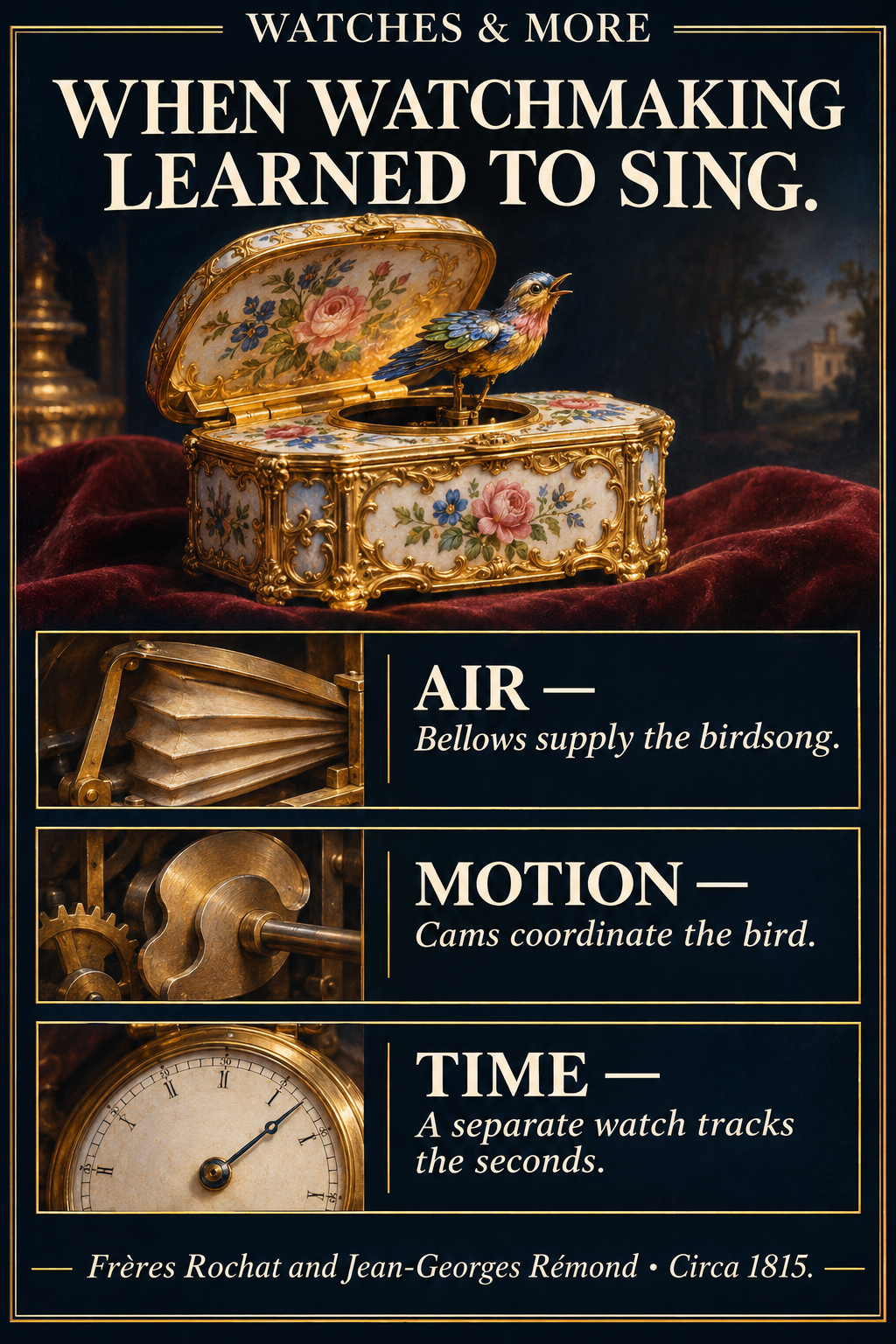
A circa-1815 singing-bird box uses bellows for birdsong and cams for motion, with a separate timekeeping movement.
Watches & More infographic. Editorial illustrations.

🐦 More Than a Pocket-Watch Story

Surviving objects include boxes and other decorative forms, sometimes incorporating a watch. Describing every one as an eighteenth-century pocket watch hides important differences. A specific surviving object provides a firmer starting point.

Christie’s catalogues a gold-and-enamel box dated circa 1815, with a movement marked for Frères Rochat and a case marked for Jean-Georges Rémond. It combines an animated bird, a musical mechanism, and a centre-seconds watch.

🌬️ How a Mechanical Bird Sings

The catalogue describes a chain-and-fusee mechanism, cylindrical bellows, and eight cams controlling the bird’s performance. The creature rotates and moves its head, wings, and tail in time with the mechanically produced birdsong.

Cams are shaped controllers that translate rotation into a sequence of actions. Their coordination helps turn separate movements into something that appears alive. The performance is created physically, rather than replayed through a speaker.

🎵 Three Machines in One Object

The same example includes a separate musical pin barrel acting on vibrating steel elements. Its watch has another movement. Birdsong, instrumental music, and timekeeping are therefore distinct systems sharing the case.

That distinction makes the object more interesting. A maker had to coordinate not just a charming exterior but the different energy demands, controls, and spaces occupied by several mechanisms.

💡 Did You Know?

The circa-1815 box measures approximately 95 by 60 by 25 mm. At the end of the performance, the bird retreats and its lid closes automatically. The disappearance is another part of the engineered sequence.

⭐ Why It Matters

These timepieces reveal a broader meaning of horology. The same skills that controlled a hand could choreograph a bird, create music, or produce an illusion.

The delight comes from seeing a familiar form of entertainment achieved through an unfamiliar method.

Before digital animation, a tiny mechanical bird could still steal the room.

📚 Sources & Further Reading

Christie’s — Frères Rochat and Jean-Georges Rémond, circa 1815


Join the Conversation

Which would amaze you more: a singing watch or a musical watch? Share your thoughts in the comments below.

Read Next

Category: Fun Quirk

Disclaimer: Every effort has been made to keep these watch facts accurate, but the world of horology is full of myths, disputed stories, and fascinating trivia. Consider these facts a starting point for discovery rather than the final word. If you have corrections or additional insights, let us know—we’re always happy to keep the record ticking in the right direction.

🕐 Discover more watch facts, reviews, and buying guides at WatchesAndMore

Explore watches in the W&M Watch Database.

The Parking-Meter Watch: A Timer on Your Wrist

The Jaeger-LeCoultre Memovox Parking turned a mechanical alarm into a reminder for motorists. Explore the practical purpose behind a wonderfully specific watch.

Watch Fact of the Day

Fun Quirk: Wednesday, October 28, 2026

📅 Wednesday, October 28, 2026

You have fed the meter and found a café. Your watch remembers the car.

Among astronomical displays and elaborate calendars, parking time sounds wonderfully ordinary. That is the attraction of a parking watch: it addresses a small, costly-to-forget problem rather than an abstract technical challenge.

🚗 A Documented Example from 1958

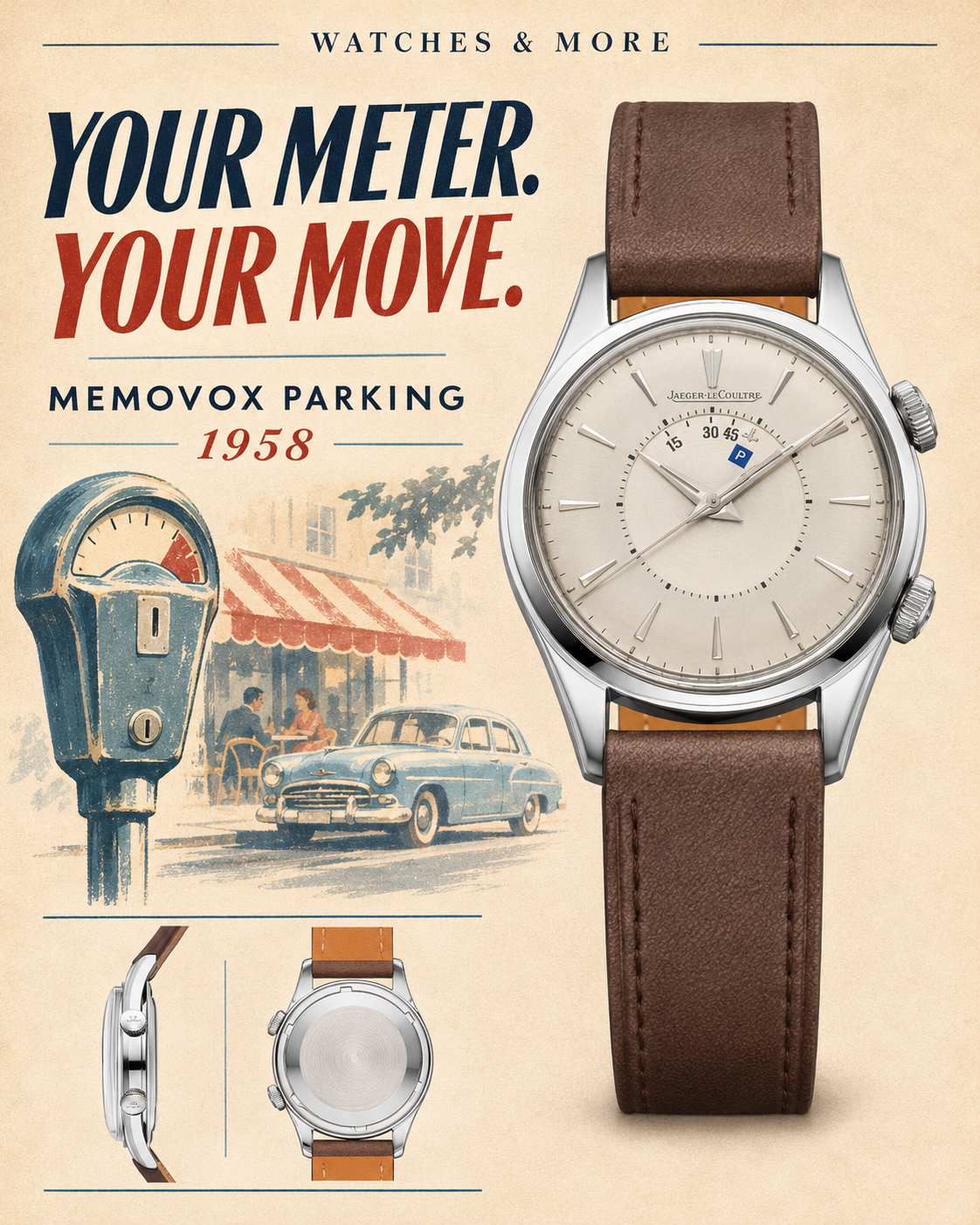
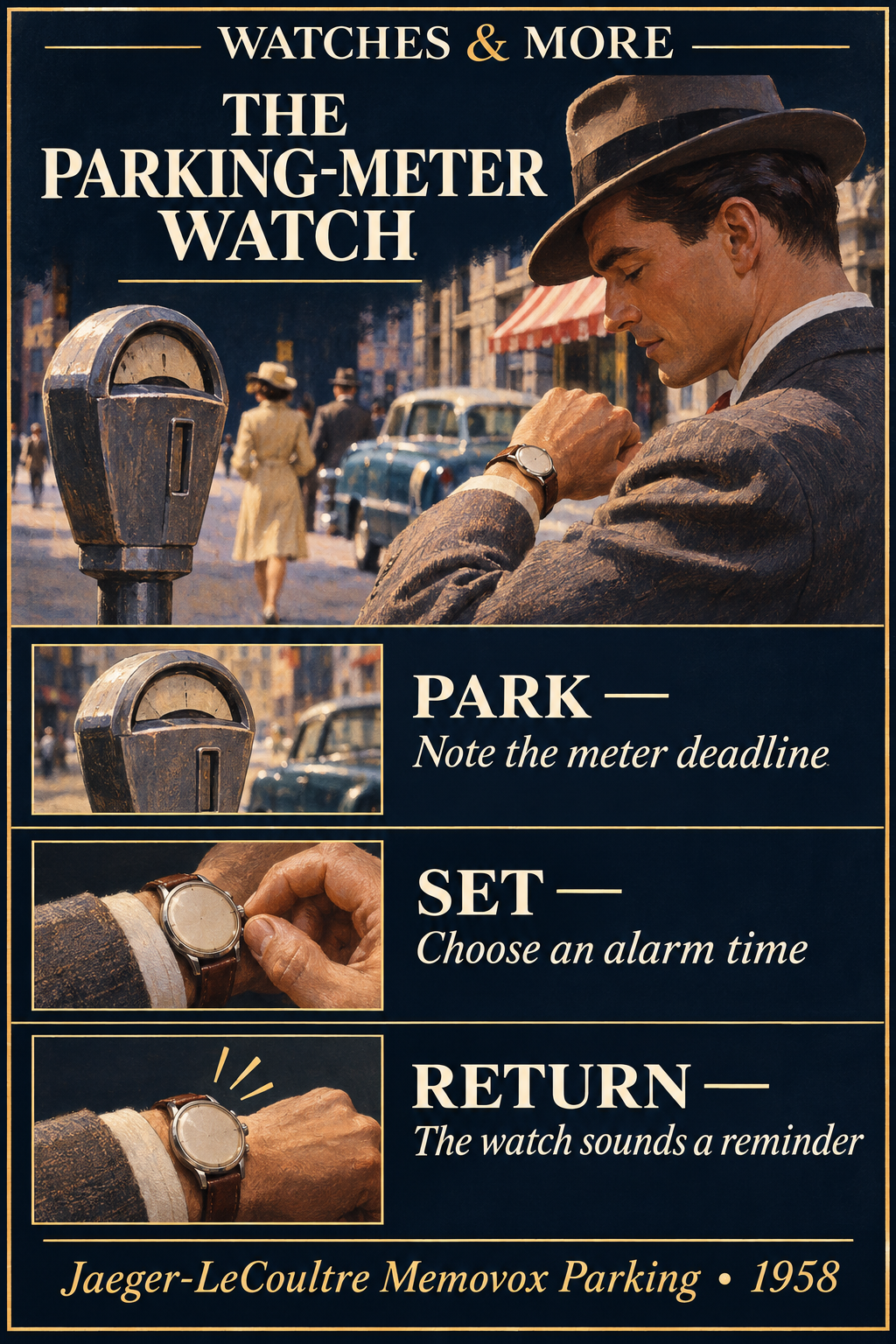
Jaeger-LeCoultre introduced the Memovox Parking as part of its 1958 Jubilee collection. Its heritage description identifies a specially developed alarm disc and a practical ambition: help the owner avoid an overtime parking fine.

This is a better foundation than assuming every parking-related watch used the same extra hand or pusher arrangement. A watch showing elapsed time and a watch sounding a reminder do different jobs.

1958-style Memovox Parking ad with front, side and caseback views beside a vintage parking meter and pale-blue sedan.
“Your Meter. Your Move.” Watches & More editorial artwork based on Jaeger-LeCoultre’s official Memovox Parking product photos.

🔔 An Alarm as a Second Memory

An elapsed-time display remains passive until the wearer checks it. An alarm actively attracts attention. For someone absorbed in a meeting or shopping trip, that difference can be the entire value of the complication.

The Memovox Parking adapted the mechanical alarm idea to a recognizable daily routine. The owner used the watch to remember a deadline instead of relying entirely on memory.

🅿️ A Dial with a Clear Purpose

A dedicated parking presentation gives a general function a specific identity. It explains the intended use before the wearer needs to study the mechanism. The design becomes an interface between a mechanical capability and a human task.

The comparison with a phone reminder is useful. Both associate an alert with something we might forget. The watch uses stored mechanical energy and physical controls to achieve that experience.

💡 Did You Know?

The 1958 Jubilee collection marked Jaeger-LeCoultre’s 125th anniversary. The brand’s heritage account presents the Parking model as invention applied to daily life, an interesting alternative to celebrating an anniversary only through grandeur.

⭐ Why It Matters

Complications need not be spectacular to be memorable. Their charm can come from how precisely they answer a real inconvenience.

The parking watch also makes luxury watchmaking feel approachable. Its purpose requires no specialist explanation: it wants to get you back to the car in time.

Sometimes the best watch story starts with a very ordinary problem.

📚 Sources & Further Reading

Jaeger-LeCoultre — Memovox Parking heritage


Join the Conversation

What everyday task would you give its own watch complication? Share your thoughts in the comments below.

Read Next

Category: Fun Quirk

Disclaimer: Every effort has been made to keep these watch facts accurate, but the world of horology is full of myths, disputed stories, and fascinating trivia. Consider these facts a starting point for discovery rather than the final word. If you have corrections or additional insights, let us know—we’re always happy to keep the record ticking in the right direction.

🕐 Discover more watch facts, reviews, and buying guides at WatchesAndMore

Explore watches in the W&M Watch Database.

Memovox Parking: note the meter deadline, set the alarm, and return when the watch sounds.
Watches & More infographic. Editorial illustrations.