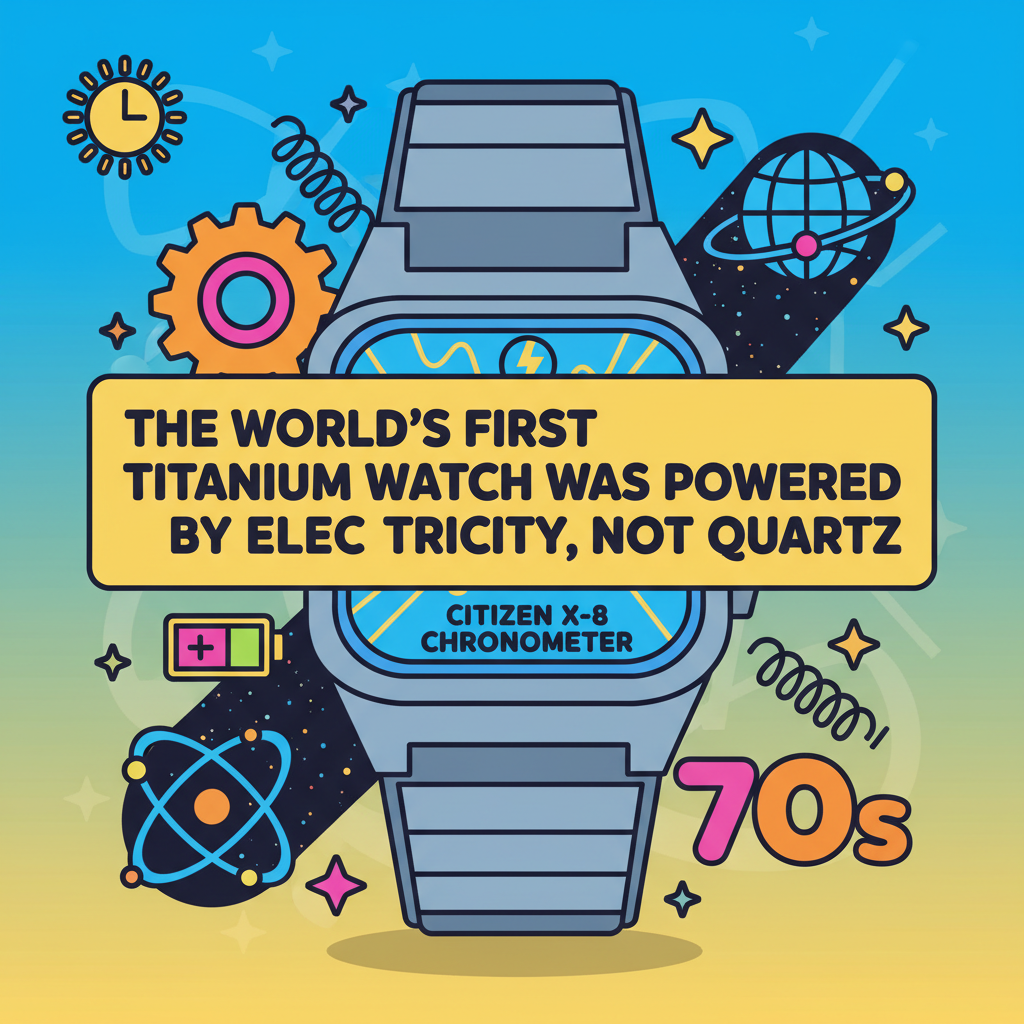
Citizen X-8 Chronometer: The Titanium Pioneer of 1970

In 1970, Japanese manufacturer Citizen beat the entire Swiss and global watch industry to market by releasing the X-8 Chronometer, the world’s first-ever wristw

Fun Quirk: Tuesday, November 3, 2026

📅 Tuesday, November 3, 2026

The first titanium wristwatch arrived with more than an unusual case. Citizen’s X-8 Chronometer also belongs to a fascinating chapter between traditional spring-driven watches and the quartz era.

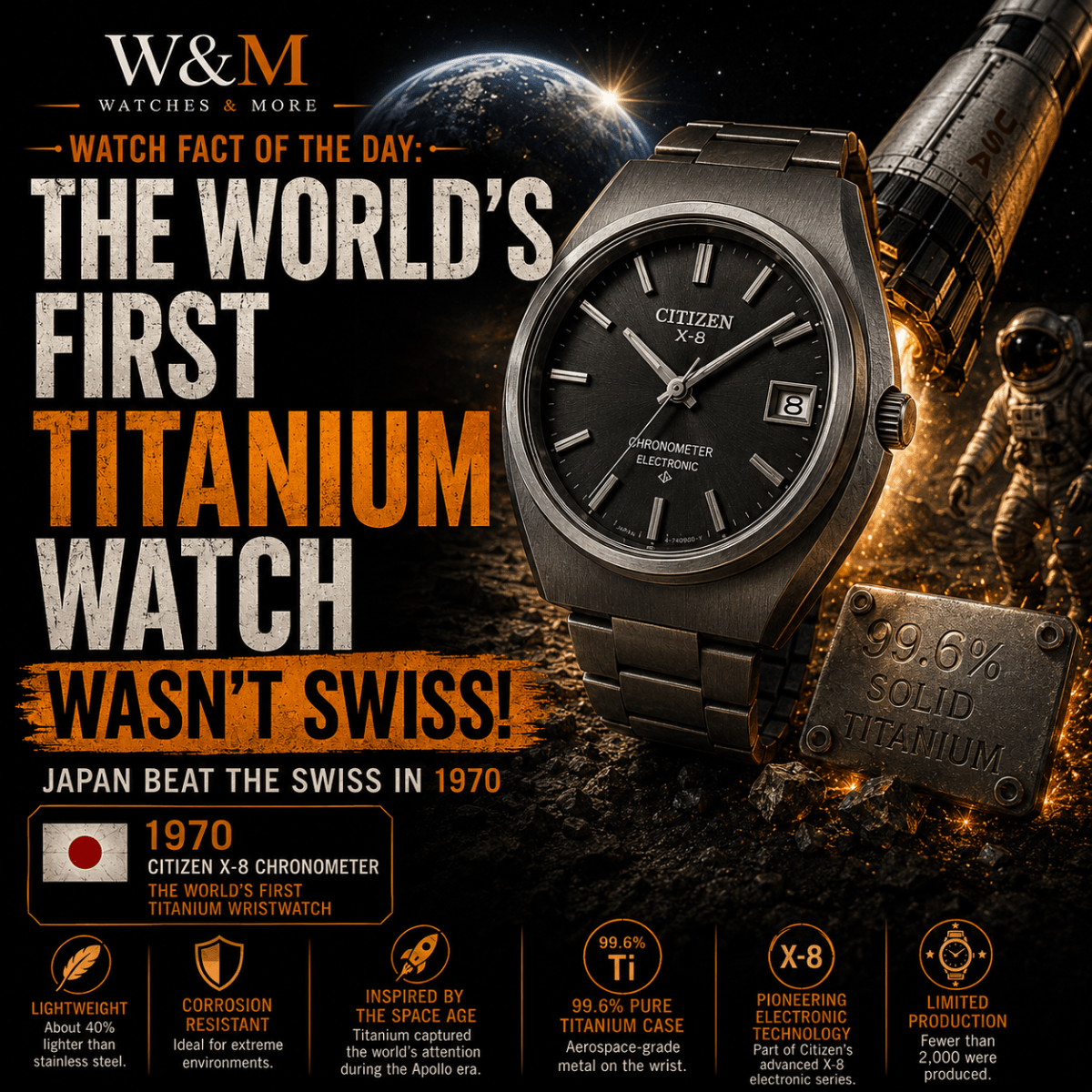
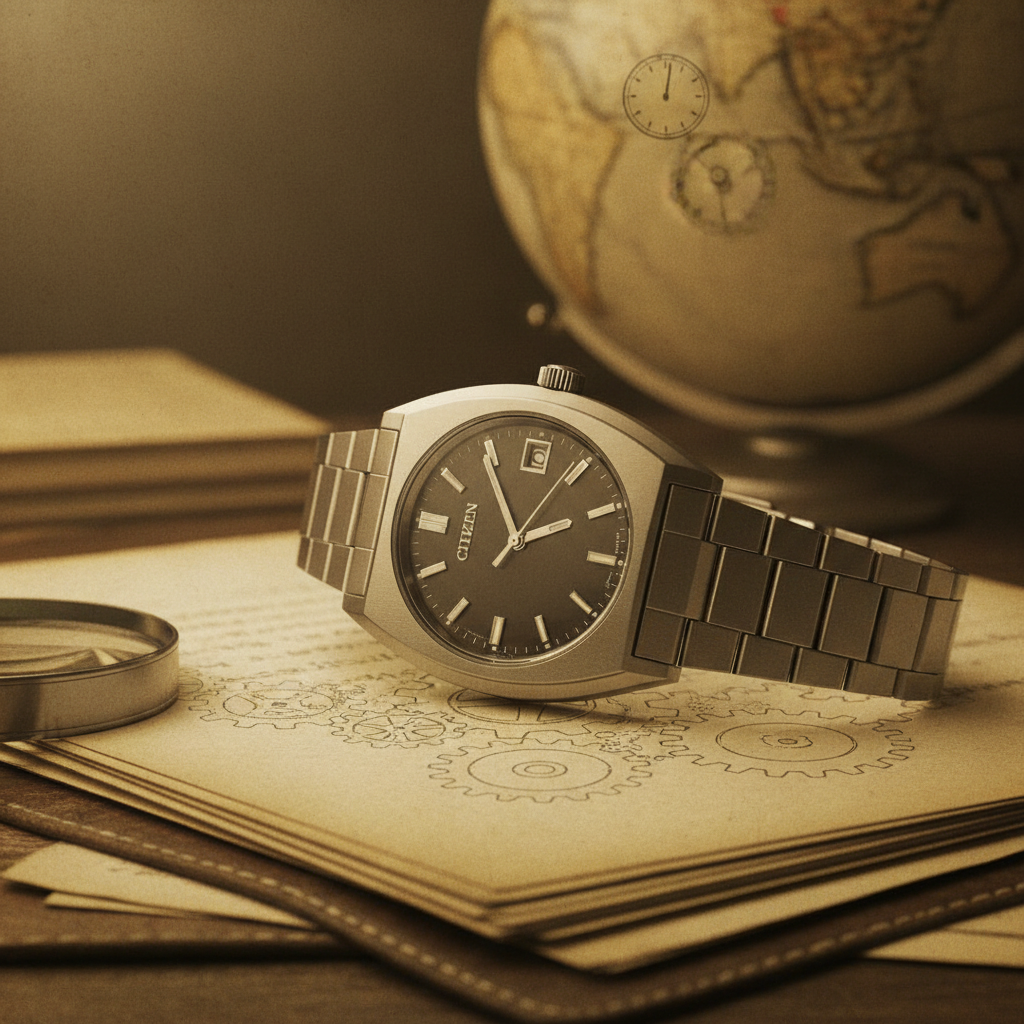
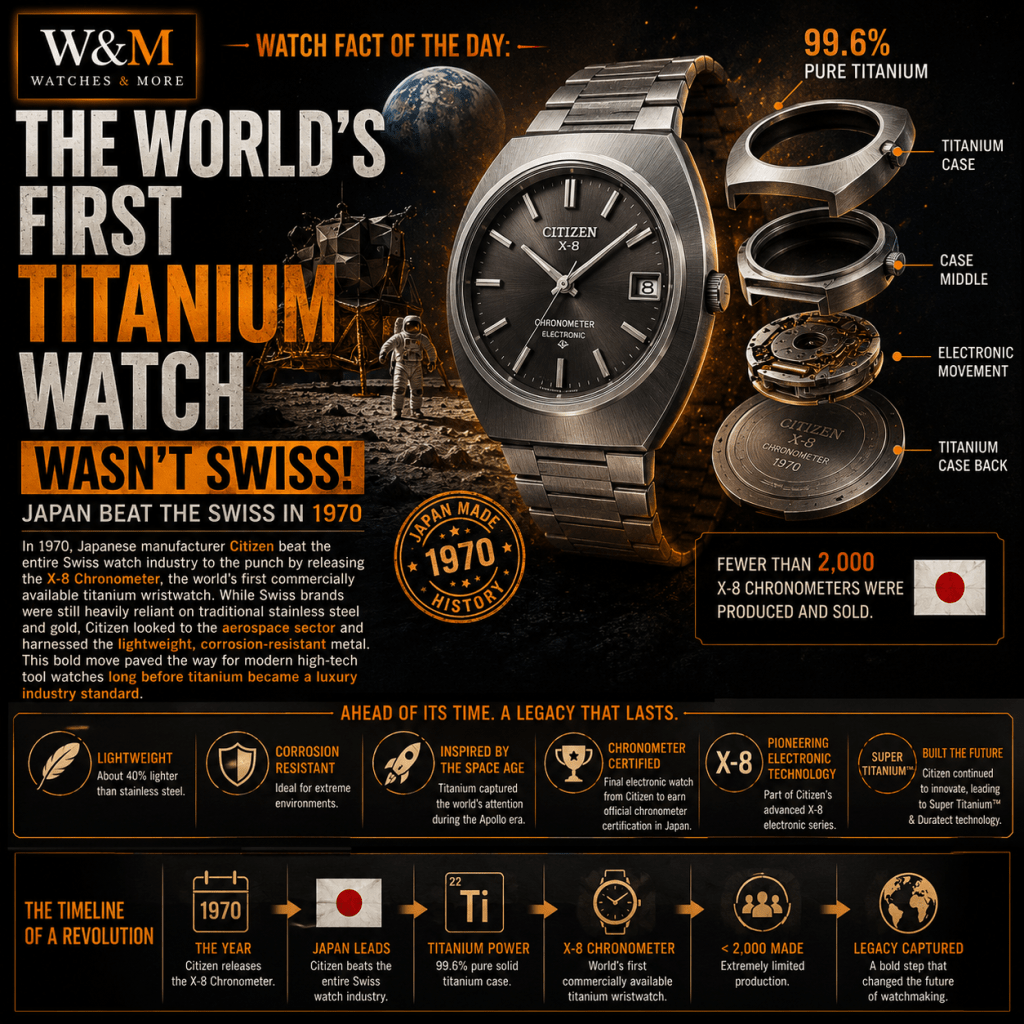
In 1970, Citizen released the X-8 Chronometer, identified in the company’s history as the world’s first watch with a titanium case. Its case used titanium of 99.6% purity—a striking choice when the material was still closely associated with aerospace engineering.
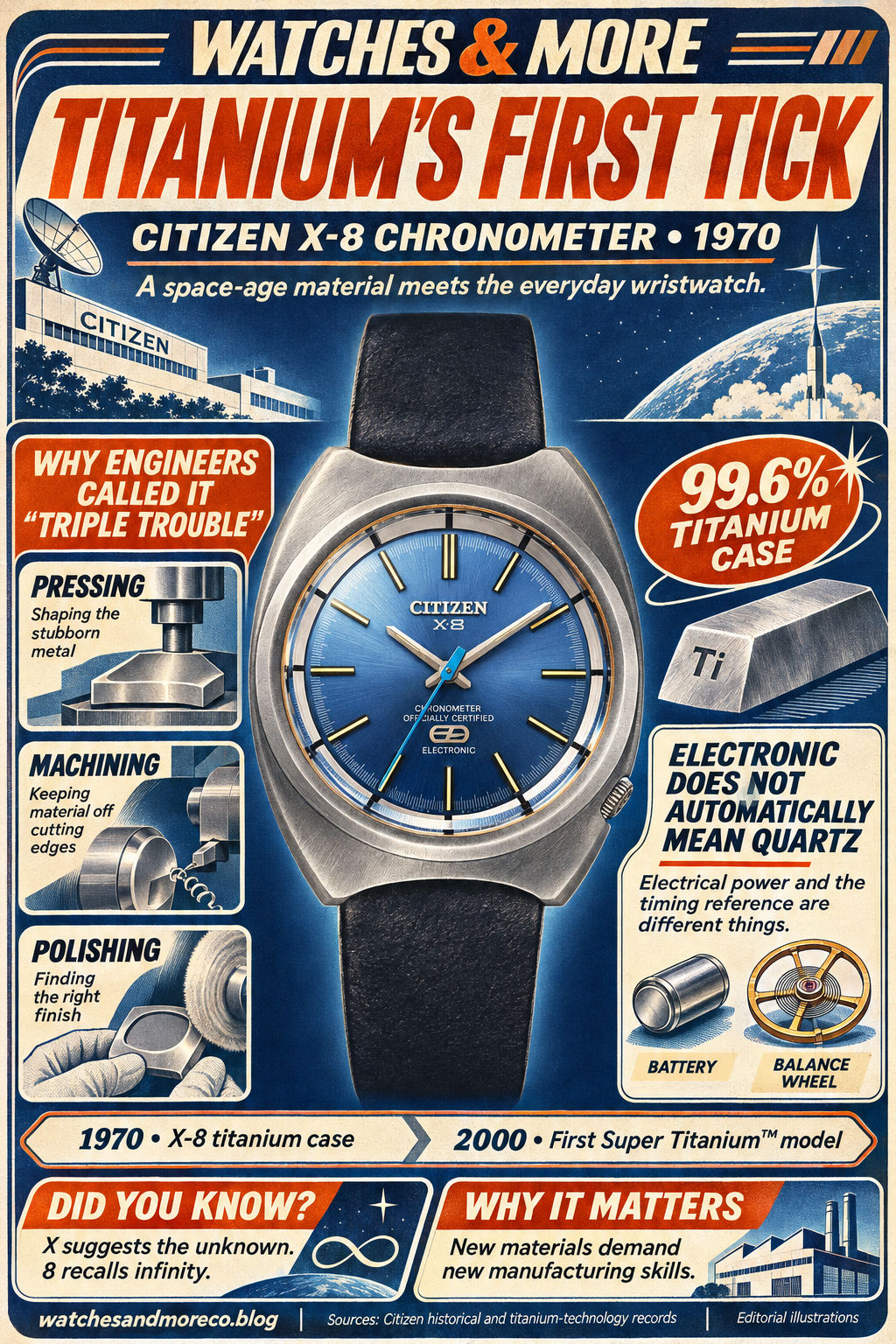
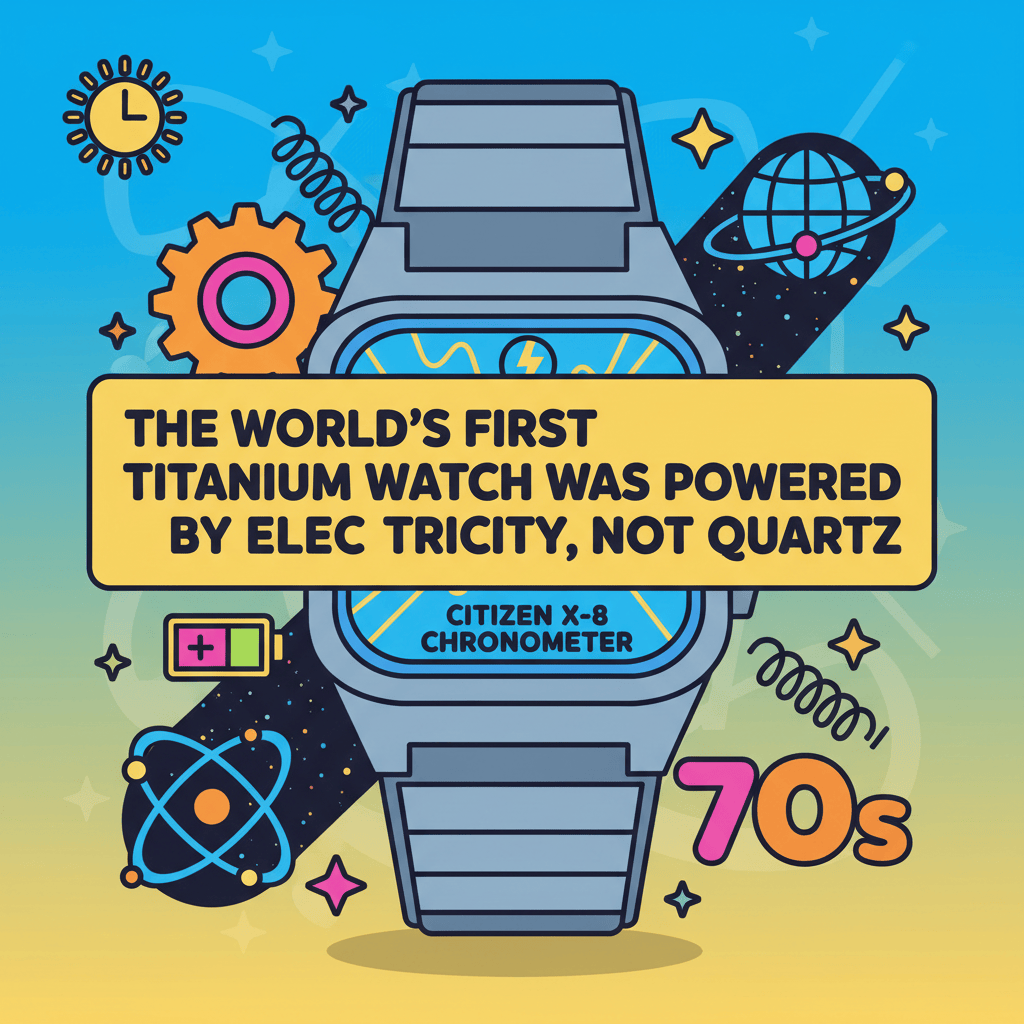
W&M infographic about the 1970 Citizen X-8 Chronometer, its 99.6% titanium case, manufacturing challenges and electronic timekeeping.
The 1970 Citizen X-8 and the manufacturing challenges behind its titanium case. Editorial illustration based on Citizen’s historical records.

🚀 From Space-Age Material to Everyday Object

Citizen connects its interest in titanium with the Apollo era. The attraction was practical as well as futuristic: lightness and corrosion resistance offered appealing possibilities for something worn against the skin. But recognising a promising material was easier than turning it into a finished watch case.

The story is therefore about manufacturing as much as design. A material’s useful properties do not automatically make it easy to form, cut or finish. The X-8 asked Citizen to bring an unfamiliar metal into the precise, visible and frequently handled world of the wristwatch.

⚙️ Why Engineers Called It “Triple Trouble”

Citizen’s engineers gave titanium that nickname because pressing, machining and polishing all presented difficulties. Low thermal conductivity, material sticking to cutting edges and combustible machining shavings complicated production. Achieving the desired surface finish was another challenge.

These are workshop problems, not a suggestion that a finished titanium watch is liable to catch fire on your wrist. The point is how demanding the metal could be during processing.

🔋 Electronic Does Not Automatically Mean Quartz

Citizen places the titanium X-8 within its electronic-watch history. The earlier X8 of 1966 used a small silver battery and a transistor-driven moving-magnet balance motor. That background helps explain a distinction easily lost today: a watch can use electrical power while retaining a balance-based regulating system.

Quartz refers to the vibrating quartz crystal used as the timing reference, rather than simply to the presence of a battery. Calling the X-8 merely “battery powered” misses the more interesting story of electronic watchmaking before quartz became familiar.

💡 Did You Know?

Citizen explains the X-8 name as a combination of X, suggesting the unknown, and 8, whose shape recalls the infinity symbol. The name expressed the possibilities of titanium.

The 1970 case should also be distinguished from Citizen’s later Super Titanium™. The company dates the first Super Titanium model to 2000, combining titanium processing with its Duratect surface-hardening technology. Those later developments were not already present in the original X-8.

⭐ Why It Matters

The X-8 joins two kinds of experimentation: a different way to power a watch and a different material for its case. It reminds us that watch innovation happens at the workbench as well as inside the movement.

Before titanium became a familiar choice, someone had to learn how to make a watch from it.

📚 Sources & Further Reading

Citizen — 100th Anniversary History, X8 and X8 Chronometer
Citizen and Titanium: A Journey
Citizen — 50th Anniversary of Titanium Technology

Join the Conversation

What interests you most about the X-8: the titanium case, the electronic movement, or the combination? Tell us below.


Category: Fun Quirk

Disclaimer: Every effort has been made to keep these watch facts accurate, but the world of horology is full of myths, disputed stories, and fascinating trivia. Consider these facts a starting point for discovery rather than the final word. If you have corrections or additional insights, let us know—we’re always happy to keep the record ticking in the right direction.

🕐 Discover more watch facts, reviews, and buying guides at WatchesAndMore


🛍️ You Might Also Like

As an Amazon Associate and affiliate partner, WatchesAndMore earns from qualifying purchases.

🔥 Deal of the Day

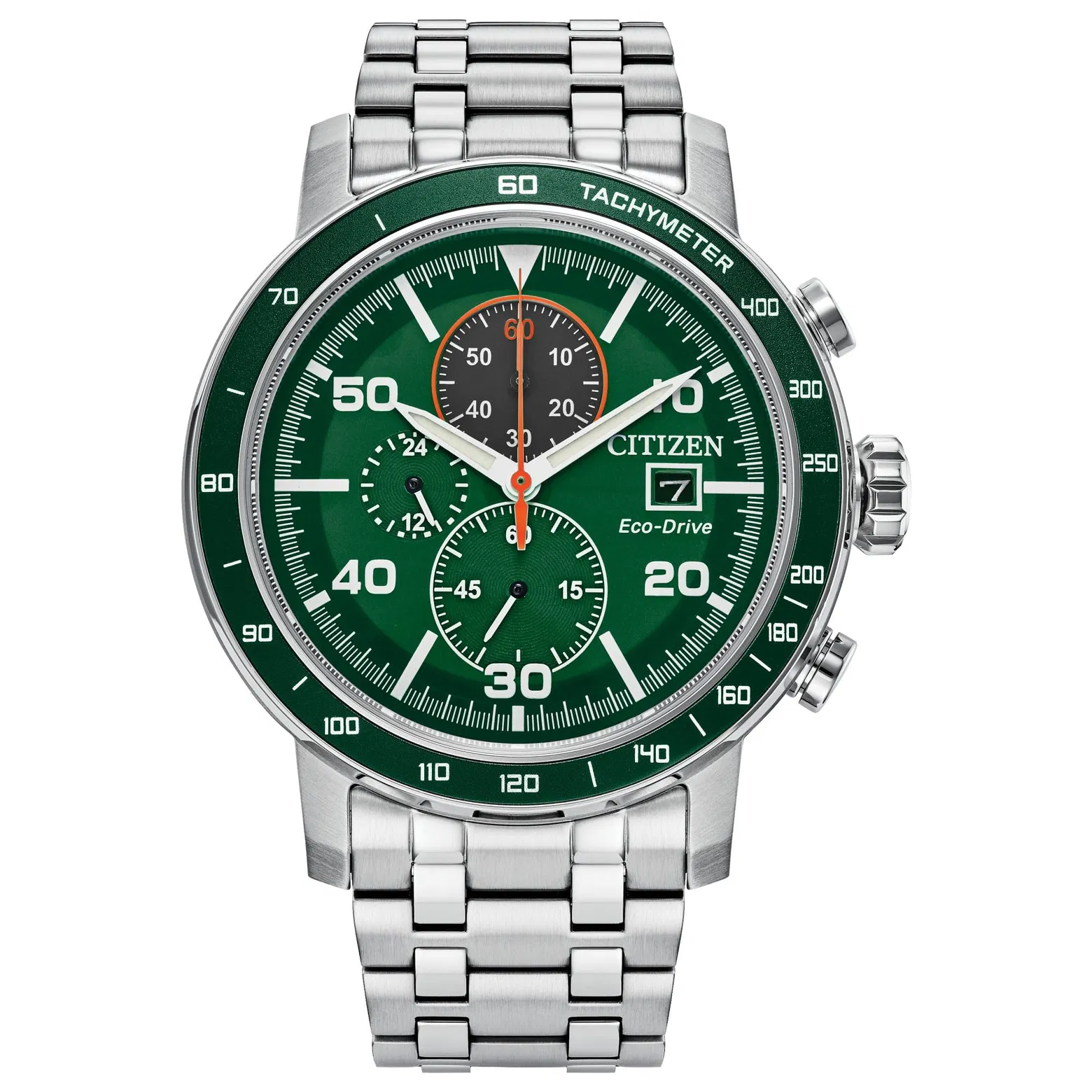
Citizen Garrison Eco-Drive

Citizen

★★★★★ 4.5 (802 reviews)

$295

Offer expires in

🔥 Grab This Deal →
Citizen Eco-Drive BM8180-03E

Citizen Eco-Drive BM8180-03E

Citizen

★★★★★ 4.6 (2,997 reviews)

$129

Check Price on Amazon →
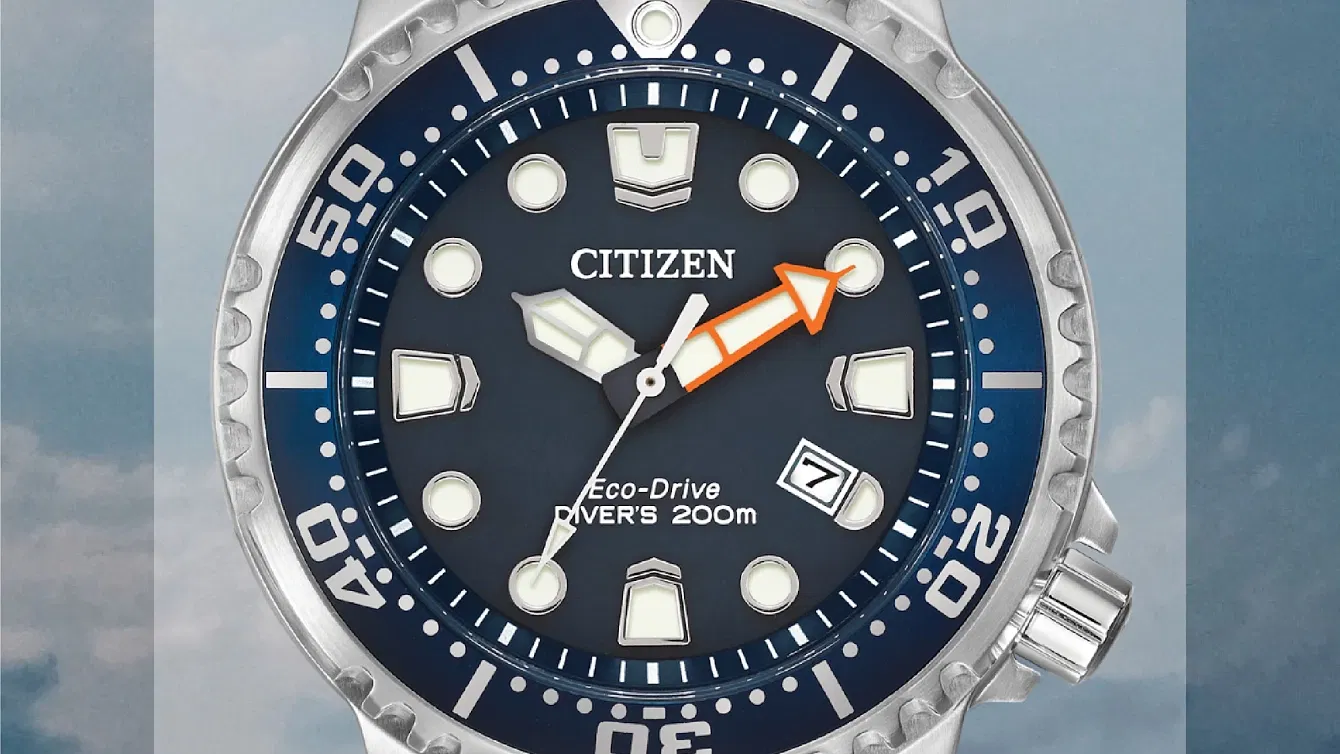
Citizen Promaster Diver

Citizen Promaster Diver

Citizen

★★★★★ 4.7 (2,192 reviews)

$299

Check Price on Amazon →

Browse all 142+ expert-reviewed watches →

Watch Fact of the Day: The World’s First Titanium Watch Wasn’t Swiss or Swiss-Made!

In 1970, Citizen made the bold move of launching the X-8 Chronometer, the first titanium wristwatch—because who needs stainless steel when you can rock aerospace-grade titanium? While Swiss watchmakers were busy polishing their gold, Citizen decided to take the road less traveled, battling the “triple trouble” of titanium’s machining quirks to create a watch that weighed less than a feather but looked just as fine. With only 2,000 units made, it was a rare gem in the watch world. Fast forward to today, and titanium is everywhere, proving that sometimes, being ahead of the curve really pays off—unless you’re late for dinner!

Watch History: Wednesday, August 12, 2026

📅 Wednesday, August 12, 2026

In 1970, Japanese watchmaker Citizen made history by releasing the X-8 Chronometer, recognized as the world’s first titanium wristwatch. While Swiss brands still favored traditional stainless steel and gold, Citizen boldly turned to aerospace-grade titanium—99.6% pure—to harness its lightweight, corrosion-resistant properties. This groundbreaking move not only preceded the Swiss by years but also set the stage for modern high-tech tool watches, long before titanium became a staple in luxury watchmaking.


The timing couldn’t have been better. During the 1960s, the Apollo program had focused global attention on titanium because of its light weight, strength and resistance to corrosion. Citizen’s engineers saw those same characteristics and realized they could make titanium an intriguing material for something far more personal: a wristwatch.

But actually manufacturing one was another matter. Titanium proved so troublesome that Citizen’s engineers nicknamed it “triple trouble” because of the difficulty involved in press-forming, machining and polishing it. Titanium shavings could stick to cutting tools, and achieving the beautifully finished surfaces expected of a watch case presented serious engineering challenges.

The resulting X-8 wasn’t merely an exotic case wrapped around a conventional mechanical watch, either. It belonged to Citizen’s pioneering electronic X-8 family, and the X-8 Chronometer became Citizen’s final electronic watch to receive official certification from the Japan Chronometer Inspection Institute. Production was brief: Citizen says fewer than 2,000 were sold.

More than half a century later, titanium has become a familiar material in everything from serious tool watches to high-end luxury pieces. Citizen itself continued developing the material for decades, eventually combining titanium processing with its Duratect surface-hardening technology to create Super Titanium™.

💡 Did You Know?

Titanium may be famous for being lightweight, but Citizen says pure titanium is about 40% lighter than stainless steel. That meant the 1970 Citizen X-8 Chronometer wasn’t just historically significant for using an exotic Space Age metal—it demonstrated that a watch case could be lighter, corrosion-resistant, and comfortable on the wrist without relying on conventional steel. More than half a century later, titanium has become one of watchmaking’s most desirable high-tech materials. ⌚🚀

Category: Watch History

Disclaimer: Every effort has been made to keep these watch facts accurate, but the world of horology is full of myths, disputed stories, and fascinating trivia. Consider these facts a starting point for discovery rather than the final word. If you have corrections or additional insights, let us know—we’re always happy to keep the record ticking in the right direction.

🕐 Discover more watch facts, reviews, and buying guides at WatchesAndMore


🛍️ You Might Also Like

As an Amazon Associate and affiliate partner, WatchesAndMore earns from qualifying purchases.

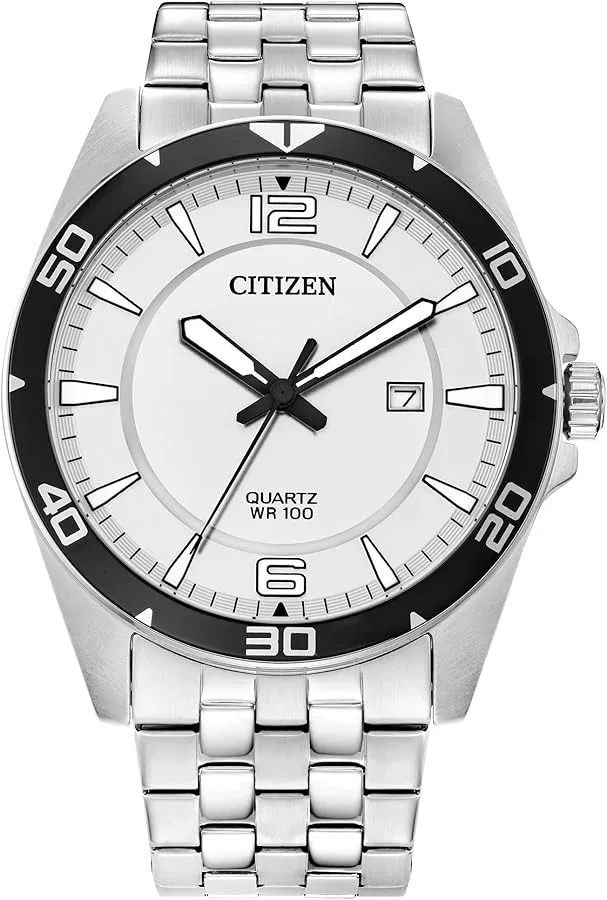
Citizen Quartz Classic Silver-Tone
🔥 Deal of the Day

Citizen Quartz Classic Silver-Tone

Citizen

★★★★★ 4.5 (1,407 reviews)

$120

Offer expires in


🔥 Grab This Deal →

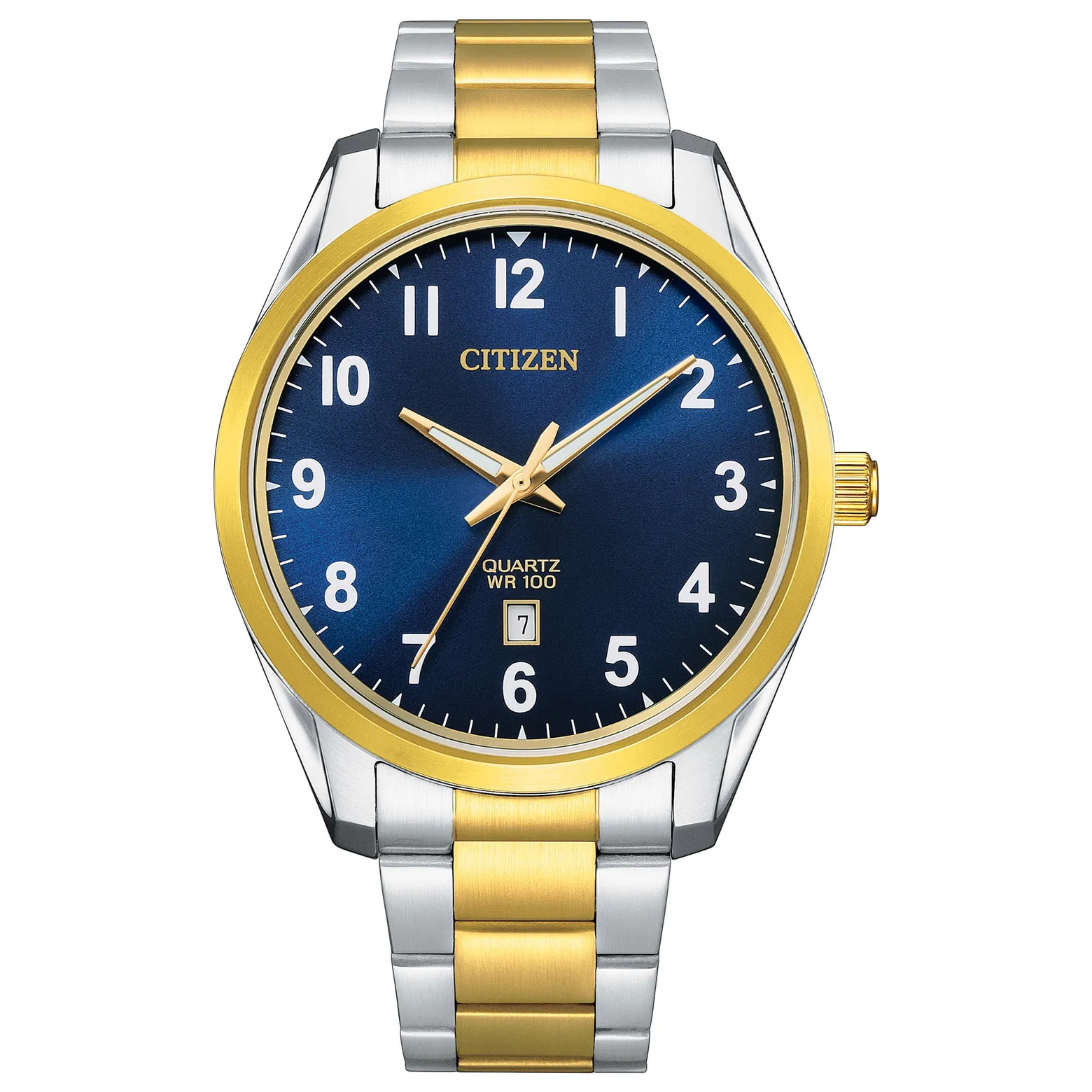
Citizen Quartz Two-Tone


Citizen Quartz Two-Tone

Citizen

★★★★★ 4.8 (2,403 reviews)

$90


Check Price on Amazon →


Browse all 142+ expert-reviewed watches →

ETSY Shop
ETSY Shop
Redbubble Shop
Redbubble Shop
More Watch Facts
More Watch Facts

⭐ Why It Matters

The choices outside the movement affect comfort, finish and everyday use. This story makes materials and manufacturing part of the watch’s identity.

📚 Sources & Further Reading

Further reading: Fondation de la Haute Horlogerie — watchmaking glossary

Join the Conversation

Which detail in this story interests you most, and would it influence what you wear or collect? Share your thoughts in the comments below.

Read Next

🛍️ Explore designs, gifts and more at the W&M companion shop.