
The 7 Best Watches Under $100 in 2026

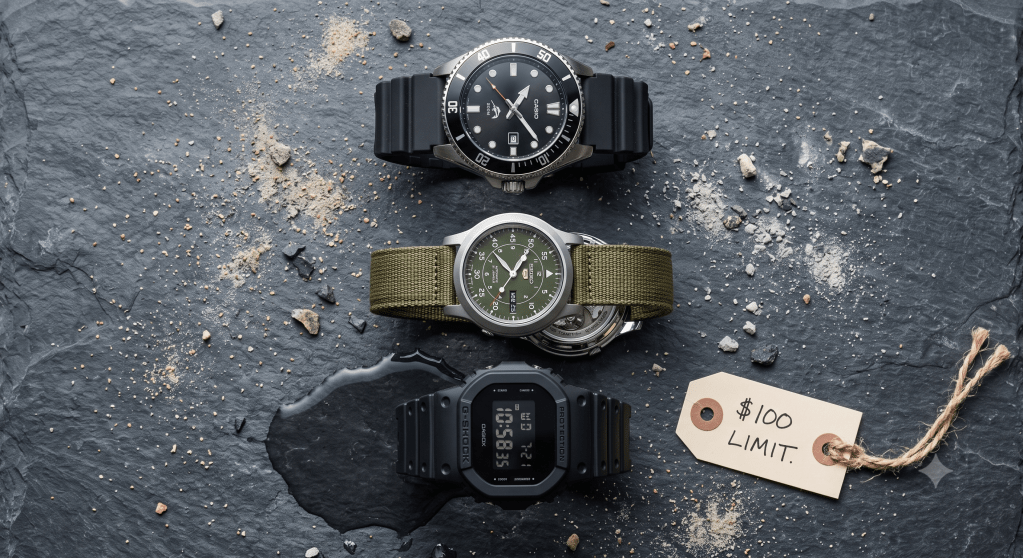
In 2026, the under-$100 watch scene is a treasure trove of style without the wallet ache! Who needs a luxury watch when a $59 Casio Duro meets dive standards rivaling sportier Rolexes? Or the Seiko 5 at $89, perfect for showing off your automatic creds without the snooty price tag. Feeling tactical? The G-Shock will withstand army drills and rogue ocean waves for just $99. And the legendary Casio F-91W at $15? It’s not just a watch; it’s an icon worn by everyone from leaders to, well, you! These watches offer serious bang for your buck—who said bling had to come with a big price?

The $100 price ceiling used to mean compromise. Not anymore. In 2026, a $59 Casio Duro meets the same ISO 6425 dive watch standard as watches costing ten times more. An $89 Seiko 5 gives you a genuine mechanical automatic movement. A $99 G-Shock DW5600BB-1 has survived military deployments, deep-sea dives, and decades of daily wear. The watches on this list are not budget substitutes — they are legitimate tool watches and style icons that happen to cost under $100. Here are the seven best.

#1: Casio MDV106-1A Duro — Best Dive Watch Under $100

**Price: $59 | Rating: 4.6/5 (8,000+ reviews) | Movement: Quartz | Case: 44mm | Water Resistance: 200M**

The Casio MDV106-1A Duro is the most remarkable value proposition in watchmaking. For $59, you get a watch that meets the same ISO 6425 dive watch certification standard as Rolex Submariners and Omega Seamasters. The screw-down crown, unidirectional rotating bezel, and 200M water resistance are not approximations of dive watch specs — they are the actual specs.

The Duro has been a cult favourite for over a decade precisely because it delivers professional dive watch functionality at a price that feels almost irresponsible. The resin case and strap are virtually indestructible, the mineral crystal is replaceable for a few dollars, and the quartz movement will keep accurate time for years without service.

**Pros:** ISO 6425 certified, 200M water resistance with screw-down crown, unidirectional rotating bezel, incredibly durable resin construction.

**Cons:** No date complication, mineral crystal scratches more easily than sapphire.

**Who It Is For:** Divers, swimmers, outdoor enthusiasts, and anyone who wants the most capable watch possible for under $60.
[Check Price on Amazon]

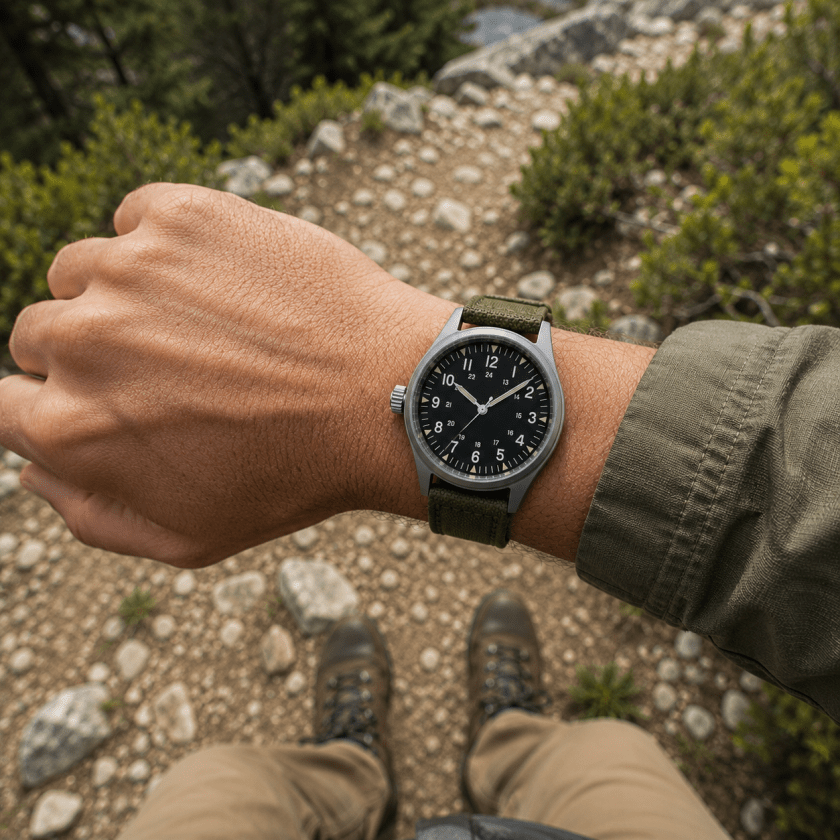
#2: Seiko 5 SNK803 Military — Best Automatic Watch Under $100

**Price: $89 | Rating: 4.7/5 (12,000+ reviews) | Movement: Automatic (7S26) | Case: 37mm | Water Resistance: 30M**

The Seiko 5 SNK803 is the entry point to mechanical watchmaking for millions of people worldwide. The 7S26 automatic movement inside is a genuine self-winding mechanical calibre — not a quartz movement dressed up to look mechanical. At $89, you are buying into a tradition of Japanese watchmaking that stretches back decades.

The military-inspired olive dial and canvas strap give it a field watch character that works equally well with jeans or chinos. The day/date complication adds everyday utility. The 30M water resistance means you should keep it away from the pool, but for everyday wear, the SNK803 is an extraordinary watch at an extraordinary price.

**Pros:** Genuine mechanical automatic movement, self-winding (no battery ever), military-inspired aesthetic, day/date display.

**Cons:** Only 30M water resistance, accuracy ±15 sec/day typical for 7S26.

**Who It Is For:** Watch enthusiasts, first-time automatic buyers, and anyone who wants a mechanical watch without the mechanical watch price tag.

[Check Price on Amazon]

#3: G-Shock DW5600BB-1 Blackout — Best Tactical Watch Under $100

**Price: $99 | Rating: 4.8/5 (5,000+ reviews) | Movement: Quartz | Case: 43mm | Water Resistance: 200M**

The DW5600BB-1 is the G-Shock that refuses to compromise. The all-black colorway removes every trace of flash, leaving only function — and the function is extraordinary. Shock resistance certified to 10G, 200M water resistance, and a battery life measured in years rather than months.

The square case is a direct descendant of the original DW-5000C from 1983, the watch that started the G-Shock revolution. Military units, special operations forces, and outdoor professionals around the world trust this watch precisely because it has never let anyone down.

**Pros:** 200M water resistance, shock resistant to 10G, all-black stealth aesthetic, stopwatch, alarm, countdown timer.

**Cons:** Digital-only display, larger case may feel bulky on smaller wrists.

**Who It Is For:** Military, law enforcement, outdoor professionals, and anyone who needs a watch that simply will not fail.

[Check Price on Amazon]

7 legendary watches under $100

#4: Timex Expedition Scout — Best Field Watch Under $100

**Price: $49 | Rating: 4.8/5 (15,000+ reviews) | Movement: Quartz | Case: 45mm | Water Resistance: 200M**

The Timex Expedition Scout is the watch that proves you do not need to spend $100 to get something genuinely good. At $49, it delivers Indiglo backlight (Timex’s legendary electroluminescent illumination), 200M water resistance, and a military-inspired dial that reads clearly in any light.

The acrylic crystal will scratch over time, but acrylic can be polished back to clarity — something you cannot do with mineral glass. The Scout is the ideal first watch, camping companion, or backup piece for anyone who wants reliable, readable timekeeping without any anxiety about damage.

**Pros:** Indiglo backlight for night visibility, 200M water resistance, military-inspired dial, incredibly lightweight.

**Cons:** Acrylic crystal scratches easily, no date display.

**Who It Is For:** Hikers, campers, first-time watch buyers, and anyone who wants a genuinely capable watch for under $50.

[Check Price on Amazon]

#5: Casio AE1200WH World Time — Best Travel Watch Under $100

**Price: $27 | Rating: 4.6/5 (7,000+ reviews) | Movement: Quartz | Case: 45mm | Water Resistance: 100M**

The Casio AE1200WH is a travel watch that makes no apologies for its price. At $27, it displays five world time zones simultaneously, offers 100M water resistance, and runs for ten years on a single battery. The dual analog-digital display is busy but deeply functional once you learn to read it.

This is the watch that earned the nickname ‘Casio Royale’ — a reference to the $11,000 Patek Philippe Aquanaut Travel Time it superficially resembles. If you travel frequently or work across time zones, the AE1200WH is one of the most practical watches ever made.

**Pros:** 5 world time zones simultaneously, 10-year battery life, 100M water resistance, dual analog-digital display.

**Cons:** Busy dial takes time to learn, large case at 45mm.

**Who It Is For:** Frequent travellers, remote workers across time zones, and anyone who wants maximum functionality for minimum spend.

Check Price on Amazon

#6: Casio W800H-1AV Classic Sport — Best Sport Watch Under $100

**Price: $30 | Rating: 4.7/5 (4,000+ reviews) | Movement: Quartz | Case: 43mm | Water Resistance: 100M**

The Casio W800H-1AV is the workhorse of the Casio lineup — no frills, no fashion, just reliable sport watch functionality at a price that makes it essentially disposable. At $30, it offers 100M water resistance, dual time zones, a stopwatch, and a countdown timer.

It is the watch you buy for the gym, the beach, or any activity where you do not want to risk your more expensive timepieces. The W800H has been in continuous production for years because it does exactly what it promises, every time.

**Pros:** 100M water resistance, dual time zones, stopwatch and countdown timer, extremely lightweight.

**Cons:** Basic digital display only, no backlight on all models.

**Who It Is For:** Gym-goers, swimmers, and anyone who wants a no-anxiety sport watch for under $30.

[Check Price on Amazon]

#7: Casio F-91W Classic Digital — The Legendary Budget Icon

**Price: $15 | Rating: 4.5/5 (50,000+ reviews) | Movement: Quartz | Case: 38mm | Water Resistance: 30M**

The Casio F-91W is the most democratically worn watch in history. At $15, it has been on the wrists of world leaders, Olympic athletes, fashion designers, and soldiers in every conflict zone on earth. The F-91W is not a budget watch — it is a cultural artifact that happens to cost $15.\

The 7-year battery life, 30M splash resistance, and built-in alarm and stopwatch make it genuinely functional. The featherweight 21g case means you forget you are wearing it. If you have never owned a Casio F-91W, buy one. It will be the best $15 you ever spend on a watch.

**Pros:** Iconic status, 7-year battery life, lightweight at just 21g, alarm and stopwatch included.

**Cons:** Only 30M water resistance (splash proof only), no date display.

**Who It Is For:** Everyone. Literally everyone. Buy one.

[Check Price on Amazon]

Quick Comparison: All 7 Watches at a Glance

| Watch | Price | Movement | Case | Water Resistance | Best For |

|—|—|—|—|—|—|

| Casio MDV106-1A Duro | $59 | Quartz | 44mm | 200M | Diving |

| Seiko 5 SNK803 | $89 | Automatic | 37mm | 30M | First automatic |

| G-Shock DW5600BB-1 | $99 | Quartz | 43mm | 200M | Tactical/outdoor |

| Timex Expedition Scout | $49 | Quartz | 45mm | 200M | Hiking/camping |

| Casio AE1200WH | $27 | Quartz | 45mm | 100M | Travel |

| Casio W800H-1AV | $30 | Quartz | 43mm | 100M | Gym/sport |

| Casio F-91W | $15 | Quartz | 38mm | 30M | Everyday icon |

Frequently Asked Questions

**What is the best watch under $100 overall?**

For most people, the Casio MDV106-1A Duro at $59 offers the best combination of capability and value. It is an ISO-certified dive watch for $59 — a specification that costs $300–$500 from most other brands. If you want a mechanical watch, the Seiko 5 SNK803 at $89 is the answer.

**Can you get a good automatic watch under $100?**

Yes — the Seiko 5 SNK803 at $89 is a genuine mechanical automatic watch with a self-winding 7S26 movement. It is not as accurate as a quartz watch (expect ±15 seconds per day), but it never needs a battery and the experience of wearing a mechanical timepiece is fundamentally different.

**Is the Casio F-91W really worth buying?**

Absolutely. The F-91W is a genuine cultural icon that happens to cost $15. Its 7-year battery life, alarm, stopwatch, and backlight make it more functional than many watches costing ten times more.

**What is the best waterproof watch under $100?**

The Casio MDV106-1A Duro ($59) and the G-Shock DW5600BB-1 ($99) both offer 200M water resistance. The Timex Expedition Scout ($49) also offers 200M water resistance at a lower price.

**Should I buy a Casio or a Seiko under $100?**

It depends on what you want. Casio watches under $100 are almost universally quartz — extremely accurate, low maintenance, and often feature-packed. Seiko’s sub-$100 offerings (the Seiko 5 range) are mechanical automatics — less accurate but more interesting mechanically, with no battery to replace.

The under-$100 watch market in 2026 is one of the most exciting segments in all of watchmaking. A $59 Casio Duro gives you ISO dive watch certification. An $89 Seiko 5 gives you a genuine mechanical automatic. A $15 Casio F-91W gives you a cultural icon with a 7-year battery. None of these watches are compromises — they are legitimate tool watches and style icons that happen to cost less than a restaurant dinner. Use our [Watch Advisor] to find your perfect match, or browse the full [Watch Database] to filter by price, movement, and style. All prices are current Amazon listings — click any link to check the latest price.

The Watch Advisor
Find Your Perfect Watch

💡 Did You Know?

A shortlist becomes easier to compare when every candidate is judged against the same needs: budget, size, style, useful functions and maintenance preferences.

⭐ Why It Matters

A clear route from an interesting story to relevant research helps readers decide what to explore next. The goal is to make discovery useful as well as enjoyable.

📚 Sources & Further Reading

Further reading: W&M — watch research database

Join the Conversation

Which detail in this story interests you most, and would it influence what you wear or collect? Share your thoughts in the comments below.

Read Next

Category: Watch Related

Disclaimer: Every effort has been made to keep these watch facts accurate, but the world of horology includes disputed stories and changing product information. Treat this article as a starting point for discovery and consult the linked records or manufacturer information for the exact timepiece. Corrections and additional evidence are welcome in the comments.

🛍️ Explore designs, gifts and more at the W&M companion shop.

📚 Browse the complete W&M Watch Fact Archive.

Watch Fact of the Day: The ‘Tropical Dial’ Phenomenon: A Desirable Flaw!

So, if you’re into vintage watches, you gotta know about “tropical dials.” These are basically black dials that have faded over time into shades of brown, thanks to things like UV exposure or paint issues. What was once seen as a flaw is now a hot trend, with collectors paying big bucks for these unique pieces. Each tropical dial ages differently, giving each watch its own distinct vibe. Some of these rare watches have even sold for way more than their original black-dial counterparts, showing that sometimes a little “defect” can turn into a treasure. Time really can create beauty!

📅 Monday, July 20, 2026

Many vintage watch collectors highly prize ‘tropical dials,’ where a black dial has faded over decades to shades of brown, often due to UV exposure or manufacturing defects. This discoloration, initially considered a flaw, now commands significant premiums, transforming a defect into a unique and sought-after aesthetic. It’s a testament to how the passage of time can unexpectedly enhance a watch’s value and character.


Among vintage watch collectors, tropical dials are some of the most prized and fascinating examples of nature improving on human craftsmanship. Originally produced with black dials, these watches gradually faded over decades into rich shades of chocolate brown, caramel, or even golden bronze.

This transformation typically occurred due to prolonged UV exposure, environmental conditions, and the chemical composition of the dial’s original paint or lacquer. At the time, manufacturers considered this discoloration an unintended flaw. Today, however, collectors see it as a one-of-a-kind feature that tells the watch’s unique story.

Because no two tropical dials age exactly alike, each develops its own distinctive character. As a result, well-preserved examples often command significant premiums over identical models with standard black dials.

It’s a perfect reminder that, in the world of vintage watches, the passage of time doesn’t just measure history—it can actually create it.

⌚ Fun Fact: Some rare tropical-dial watches have sold for several times the value of the same model with an untouched black dial, proving that sometimes the most beautiful treasures begin as manufacturing mistakes.

Category: Fun Quirk

Disclaimer: Every effort has been made to keep these watch facts accurate, but the world of horology is full of myths, disputed stories, and fascinating trivia. Consider these facts a starting point for discovery rather than the final word. If you have corrections or additional insights, let us know—we’re always happy to keep the record ticking in the right direction.

🕐 Discover more watch facts, reviews, and buying guides at WatchesAndMore


🛍️ You Might Also Like

As an Amazon Associate and affiliate partner, WatchesAndMore earns from qualifying purchases.

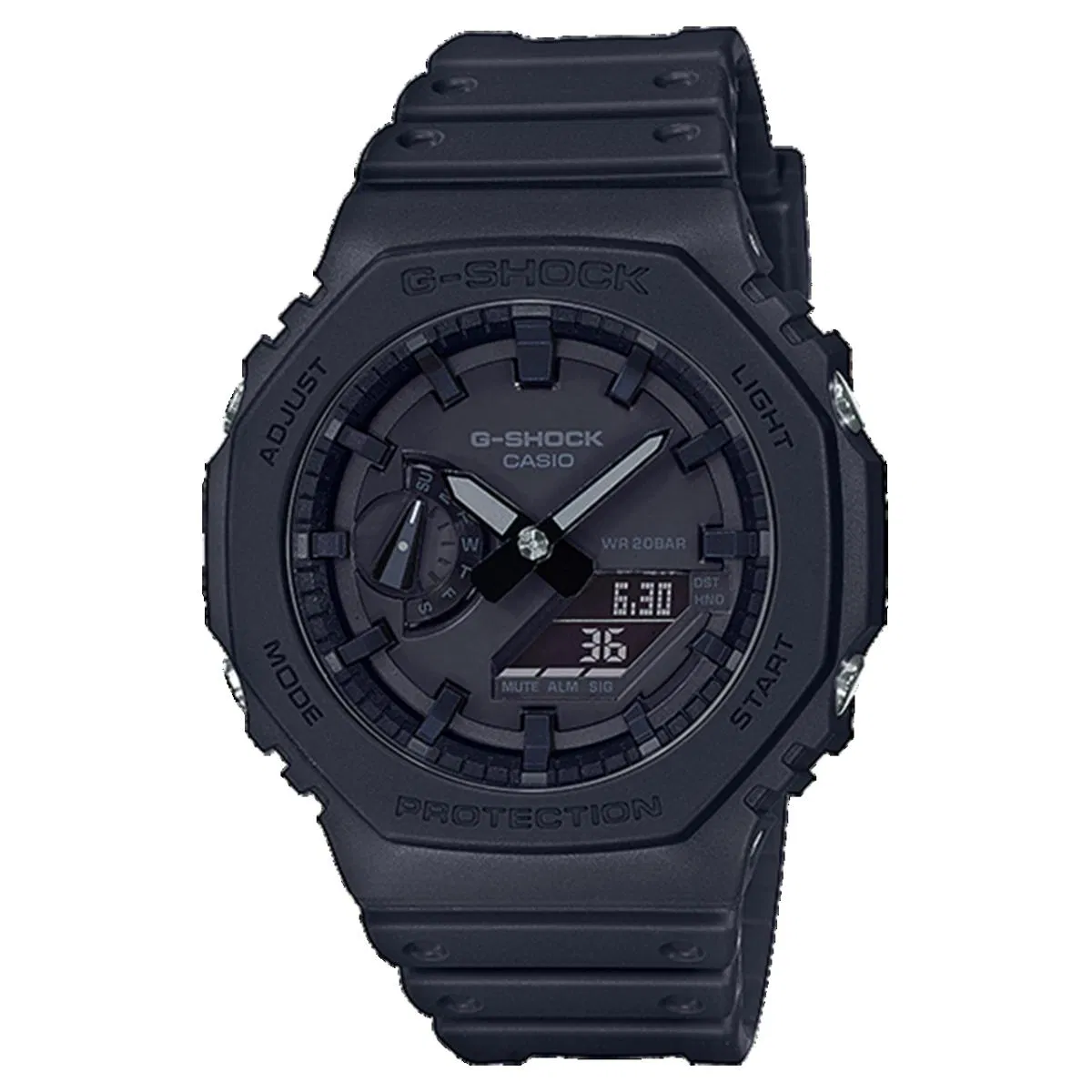
G-Shock GA2100-1A1 CasiOak


G-Shock GA2100-1A1 CasiOak

Casio

★★★★★ 4.8 (2,156 reviews)

$99


Check Price on Amazon →

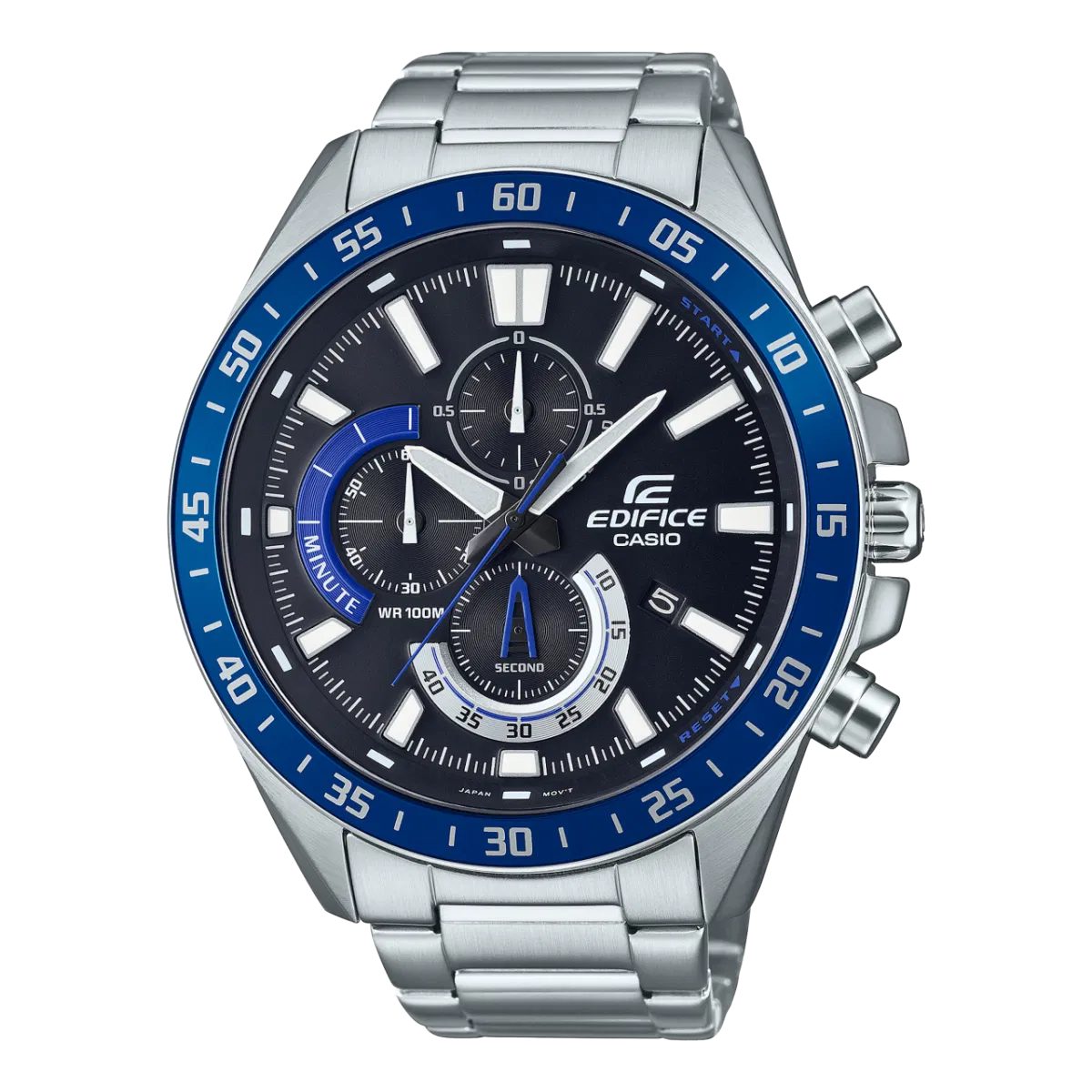
Casio Edifice Chronograph


Casio Edifice Chronograph

Casio

★★★★★ 4.7 (1,264 reviews)

$120


Check Price on Amazon →

The Watch Advisor
Find Your Perfect Watch

Browse all 75+ expert-reviewed watches →

💡 Did You Know?

A dial detail can offer a useful clue, but identification and authenticity depend on the whole object, its movement and its records—not one mark viewed in isolation.

⭐ Why It Matters

Small design decisions can change both the way a watch is read and the way it is recognised. Looking closely makes the dial part of the story rather than a decorative surface.

📚 Sources & Further Reading

Further reading: Fondation de la Haute Horlogerie — watchmaking glossary

Join the Conversation

Which detail in this story interests you most, and would it influence what you wear or collect? Share your thoughts in the comments below.

Read Next

🛍️ Explore designs, gifts and more at the W&M companion shop.

📚 Browse the complete W&M Watch Fact Archive.

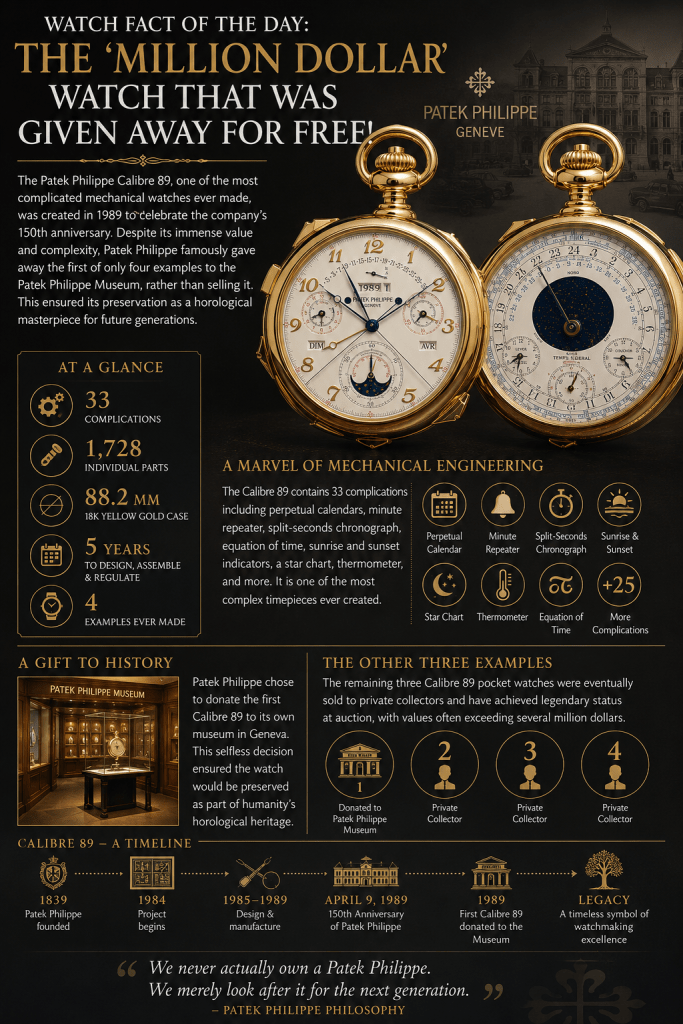
Watch Fact of the Day: The ‘Million Dollar’ Watch That Was Given Away for Free!

The Patek Philippe Calibre 89, one of the most complicated mechanical watches ever made, was created in 1989 to celebrate the company’s 150th anniversary. Despi

📅 Sunday, July 19, 2026

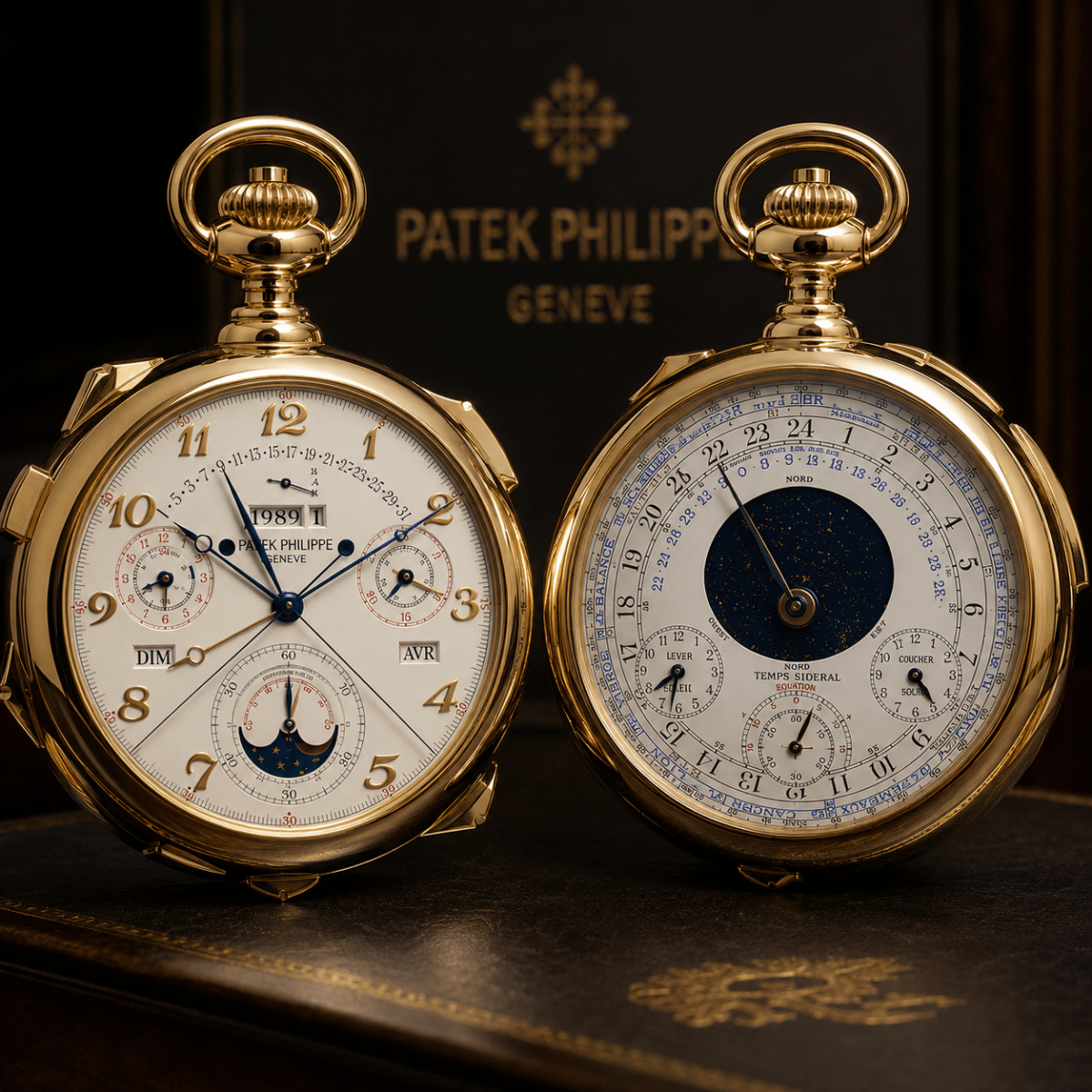
The Patek Philippe Calibre 89, one of the most complicated mechanical watches ever made, was created in 1989 to celebrate the company’s 150th anniversary. Despite its immense value and complexity, Patek Philippe famously gave away the first of only four examples to the Patek Philippe Museum, rather than selling it. This ensured its preservation as a horological masterpiece for future generations.


The Calibre 89 is a staggering achievement in mechanical engineering, containing 33 complications and an astonishing 1,728 individual components. Housed in an elegant 88.2 mm gold pocket watch case, it features perpetual calendars, sunrise and sunset indicators, a star chart, a minute repeater, a thermometer, and even an equation of time display. It took a team of master watchmakers nearly five years to design, assemble, and regulate each movement, cementing its place among the most complex mechanical timepieces ever created.

Rather than treating the first Calibre 89 as a commercial product, Patek Philippe viewed it as part of the company’s legacy. By donating the inaugural example to its museum in Geneva, the manufacture ensured that collectors, historians, and future generations could appreciate this remarkable milestone in watchmaking. The remaining examples entered private hands over the years, where they have become some of the most coveted and valuable watches ever offered at auction, often commanding prices measured in the millions of dollars.

Today, the Calibre 89 remains a symbol of what traditional watchmaking can achieve when technical innovation is pursued without compromise. It wasn’t created to break sales records or maximize profits—it was built to celebrate 150 years of horological excellence. By placing the very first example in its museum rather than a private collection, Patek Philippe made a powerful statement: some masterpieces are simply too important to disappear into a safe, and are best preserved as part of watchmaking history for everyone to admire.

Category: Record Breaker

Disclaimer: Every effort has been made to keep these watch facts accurate, but the world of horology is full of myths, disputed stories, and fascinating trivia. Consider these facts a starting point for discovery rather than the final word. If you have corrections or additional insights, let us know—we’re always happy to keep the record ticking in the right direction.

🕐 Discover more watch facts, reviews, and buying guides at WatchesAndMore


🛍️ You Might Also Like

As an Amazon Associate and affiliate partner, WatchesAndMore earns from qualifying purchases.

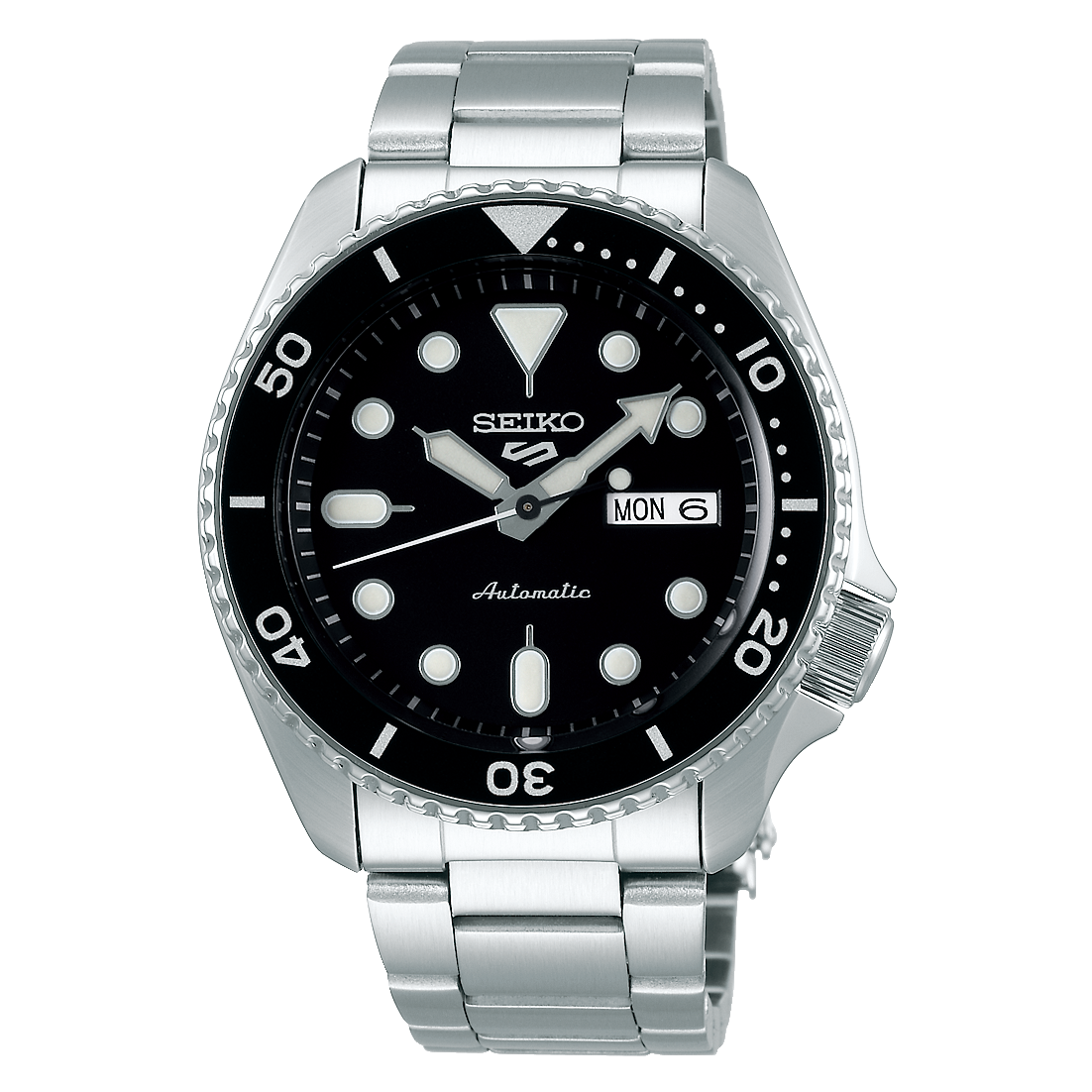
Seiko 5 Sports SRPD55


Seiko 5 Sports SRPD55

Seiko

★★★★★ 4.7 (1,247 reviews)

$275


Check Price on Amazon →

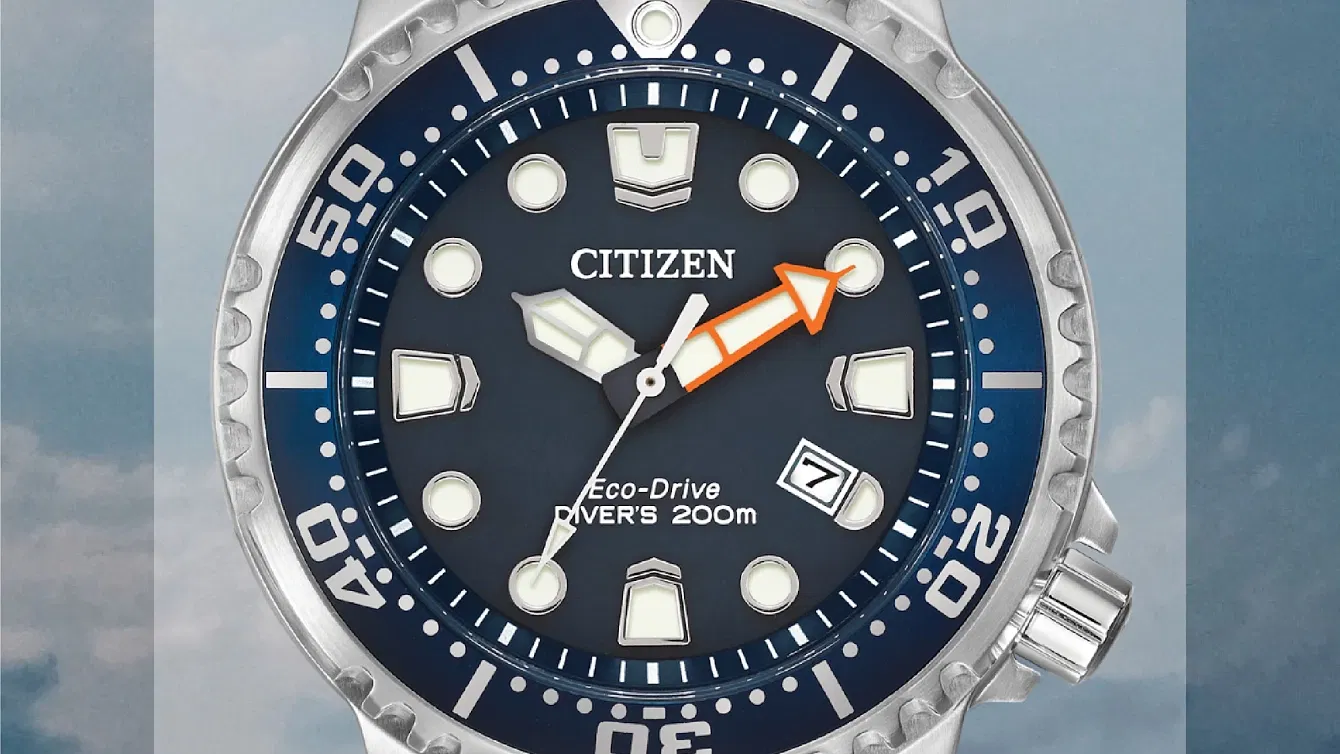
Citizen Promaster Diver


Citizen Promaster Diver

Citizen

★★★★★ 4.7 (2,192 reviews)

$299


Check Price on Amazon →


Browse all 75+ expert-reviewed watches →

The Watch Advisor
Find Your Perfect Watch

💡 Did You Know?

A gift, an original sale price and a later auction result describe different transactions. Each belongs to its own date and context.

⭐ Why It Matters

The details are most useful when connected to the wearer’s needs and the design’s purpose. This story offers another way to look beyond the name on the dial.

📚 Sources & Further Reading

Further reading: Fondation de la Haute Horlogerie — watchmaking glossary

Join the Conversation

Which detail in this story interests you most, and would it influence what you wear or collect? Share your thoughts in the comments below.

Read Next

🛍️ Explore designs, gifts and more at the W&M companion shop.
📚 Browse the complete W&M Watch Fact Archive.

Watch Fact of the Day: The ‘Destro’ Watch: A Left-Handed Twist on Timekeeping

What do you get when you design a watch for lefties? A Destro watch! This quirky timepiece flips the script on traditional wristwatches, moving the crown to the left side so left-handed folks can finally stop giving their wrists the side-eye. But don’t be fooled—many righties are snatching these up just for the comfort and to flaunt their unconventional style. Originating from Italian lingo, “Destro” hints at its right-handed roots, making it a favorite among soldiers and adventurers alike. So, whether you’re a lefty or just a watch rebel, the Destro proves that sometimes it takes a little wrist action to stand out in the horology world!

📅 Saturday, July 18, 2026

While most watches are designed to be worn on the left wrist and wound with the right hand, ‘Destro’ watches are specifically crafted for left-handed wearers. The crown and pushers are positioned on the left side of the watch case, making it easier for left-handed individuals to operate the watch without removing it from their right wrist. This thoughtful design caters to a significant portion of the population often overlooked in standard watch manufacturing.


The "Destro" Watch
The “Destro” Watch

The term “Destro” comes from the Italian word for “right,” referring to watches designed to be worn on the right wrist. While they were created with left-handed wearers in mind, Destro watches also became popular with military personnel, divers, and outdoor professionals who preferred wearing their watch on their dominant hand or wanted to prevent the crown from digging into the back of their wrist during strenuous activity. By relocating the crown to the opposite side of the case, manufacturers improved both comfort and accessibility.

Some of the most recognizable Destro watches have come from brands such as Panerai, Tudor, and TAG Heuer, each embracing the unconventional layout for different reasons. Panerai, in particular, produced several left-handed models for military divers, where practicality always came before tradition. Today, these unusual references are highly sought after by collectors, not only because of their rarity but because they stand out from conventional watch designs.

Interestingly, many people who buy Destro watches aren’t left-handed at all. Some simply enjoy the improved comfort of a left-side crown, while others appreciate owning something a little different from the norm. In a hobby where small details can make a watch truly distinctive, the Destro layout proves that sometimes flipping a familiar design on its head is all it takes to create a future collector’s favorite.

Category: Fun Quirk

Disclaimer: Every effort has been made to keep these watch facts accurate, but the world of horology is full of myths, disputed stories, and fascinating trivia. Consider these facts a starting point for discovery rather than the final word. If you have corrections or additional insights, let us know—we’re always happy to keep the record ticking in the right direction.

🕐 Discover more watch facts, reviews, and buying guides at WatchesAndMore


🛍️ You Might Also Like

As an Amazon Associate and affiliate partner, WatchesAndMore earns from qualifying purchases.

G-Shock GA2100-1A1 CasiOak


G-Shock GA2100-1A1 CasiOak

Casio

★★★★★ 4.8 (2,156 reviews)

$99


Check Price on Amazon →

Casio Edifice Chronograph


Casio Edifice Chronograph

Casio

★★★★★ 4.7 (1,264 reviews)

$120


Check Price on Amazon →

Browse all 75+ expert-reviewed watches →

The Watch Advisor
Find Your Perfect Watch


💡 Did You Know?

A left-side crown changes the placement of a control. It does not by itself specify the type of movement or require the owner to wear the watch on one particular wrist.

⭐ Why It Matters

The details are most useful when connected to the wearer’s needs and the design’s purpose. This story offers another way to look beyond the name on the dial.

📚 Sources & Further Reading

Further reading: Fondation de la Haute Horlogerie — watchmaking glossary

Join the Conversation

Which detail in this story interests you most, and would it influence what you wear or collect? Share your thoughts in the comments below.

Read Next

🛍️ Explore designs, gifts and more at the W&M companion shop.
📚 Browse the complete W&M Watch Fact Archive.

Watch Fact of the Day: The ‘Pepsi’ Bezel: A Happy Accident of Color, Not Just Style

Once upon a time in the 1950s, pilots had a dilemma: how to tell if it was cocktail or coffee time at 30,000 feet. Enter the Rolex GMT-Master with its dizzying blue and red ‘Pepsi’ bezel, a brilliant dual-tone decision that transformed navigation into a colorful affair. Designed to help aviators avoid costly blunders, it echoed the Pepsi logo, leading collectors to nickname it the “Pepsi” bezel. Fast forward, and this practical watch feature turned into one of the most coveted horological icons. Who knew that saving pilots from time zone confusion could lead to a frenzy in watch fashion! Cheers to that!

📅 Friday, July 17, 2026

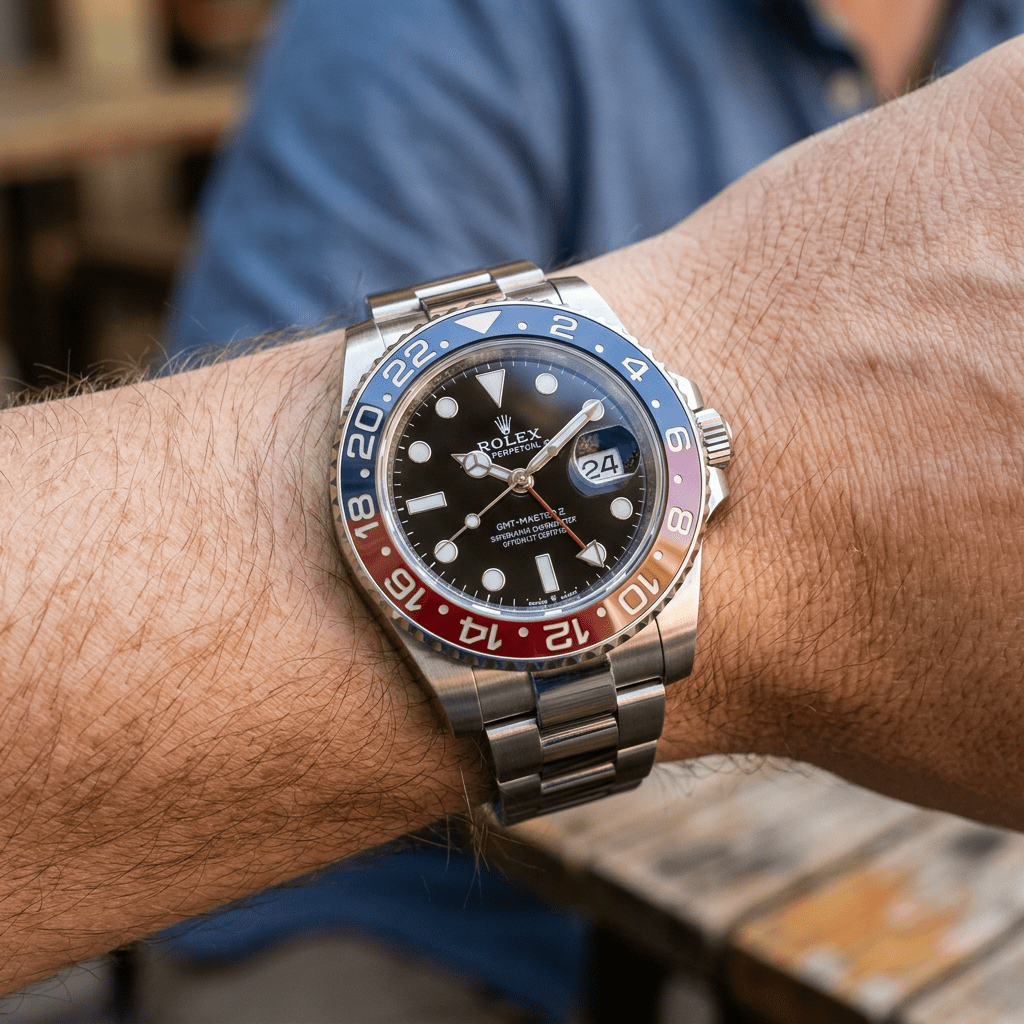
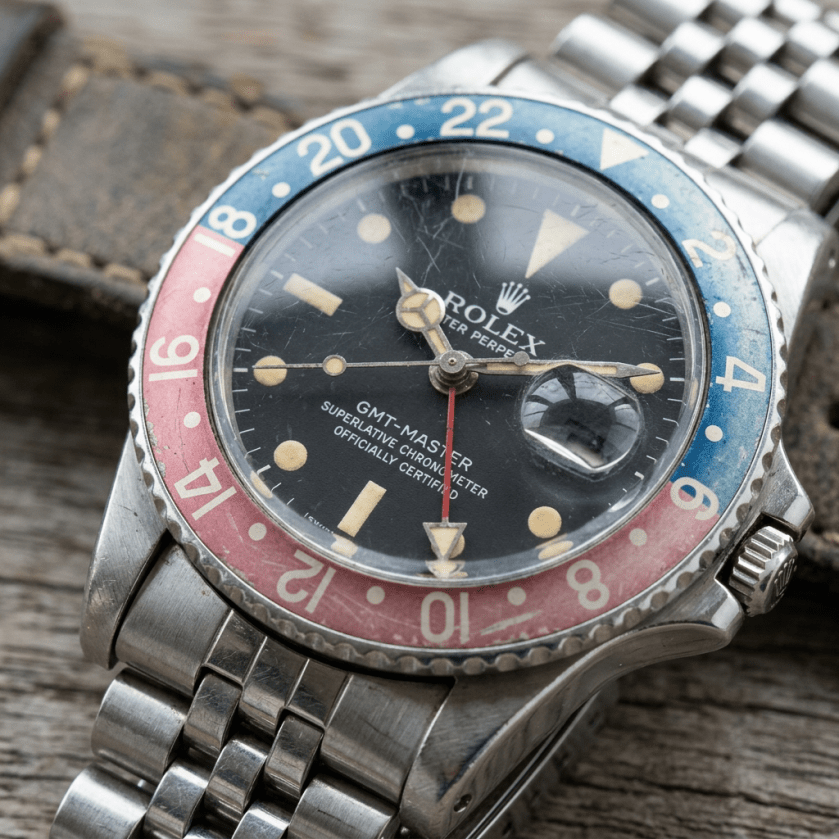
The iconic blue and red ‘Pepsi’ bezel, famously associated with the Rolex GMT-Master, was originally developed for a practical reason: to distinguish between day and night hours for pilots. The red portion indicated daylight hours, while the blue represented nighttime, making it easier for aviators to track time across multiple zones. Its distinctive color combination was a functional design choice that unexpectedly became one of horology’s most recognizable and beloved aesthetic features.


Vintage Rolex GMT-Master watch with faded red and blue bezel and aged dial
A close-up of a vintage Rolex GMT-Master watch showcasing its aged bezel and worn dial.

The story began in the 1950s when commercial aviation was rapidly expanding and international pilots needed an easier way to keep track of multiple time zones. Working closely with Pan American World Airways (Pan Am), Rolex introduced the GMT-Master in 1954 with a rotating 24-hour bezel and an additional GMT hand. The two-tone bezel wasn’t chosen simply because it looked attractive—it allowed pilots to instantly distinguish between daytime and nighttime hours at a glance, reducing the chance of costly navigation errors during long-haul flights.

Over the decades, the blue-and-red bezel took on a life of its own. Collectors affectionately nicknamed it the “Pepsi” bezel because its colors resembled the famous soft drink’s logo, a nickname that Rolex never officially adopted but enthusiasts embraced worldwide. The success of the Pepsi bezel inspired a whole family of colorful GMT nicknames, including the “Coke” (red and black), “Batman” (blue and black), and “Root Beer” (brown and black), proving just how influential a functional design decision had become.

Today, the Pepsi bezel is one of the most recognizable features in all of watchmaking. Modern ceramic versions are incredibly difficult to manufacture because creating a perfectly crisp, two-color ceramic insert requires advanced engineering and precision. What started as a practical solution for airline pilots has evolved into one of the most sought-after and enduring design icons in horological history—a perfect example of how great functionality can become timeless style.

Category: Watch History

Disclaimer: Every effort has been made to keep these watch facts accurate, but the world of horology is full of myths, disputed stories, and fascinating trivia. Consider these facts a starting point for discovery rather than the final word. If you have corrections or additional insights, let us know—we’re always happy to keep the record ticking in the right direction.

🕐 Discover more watch facts, reviews, and buying guides at WatchesAndMore


🛍️ You Might Also Like

As an Amazon Associate and affiliate partner, WatchesAndMore earns from qualifying purchases.

Bulova Precisionist


Bulova Precisionist

Bulova

★★★★★ 4.6 (1,100 reviews)

$219


Check Price on Amazon →

Timex Marlin Automatic 40mm


Timex Marlin Automatic 40mm

Timex

★★★★★ 4.7 (1,106 reviews)

$259


Check Price on Amazon →

More Watch Facts


Browse all 75+ expert-reviewed watches →

💡 Did You Know?

The colours on a bezel can help divide a scale into sections. To interpret them, first identify the function of the particular bezel and hands.

⭐ Why It Matters

The details are most useful when connected to the wearer’s needs and the design’s purpose. This story offers another way to look beyond the name on the dial.

📚 Sources & Further Reading

Further reading: Fondation de la Haute Horlogerie — watchmaking glossary

Join the Conversation

Which detail in this story interests you most, and would it influence what you wear or collect? Share your thoughts in the comments below.

Read Next

🛍️ Explore designs, gifts and more at the W&M companion shop.
Calatrava symbol

https://watchesandmoreco.blog/2026/07/16/watch-fact-of-the-day-the-calatrava-cross-symbol-not-just-a-pretty-logo/

Watch Fact of the Day: The ‘Calatrava Cross’ Symbol: Not Just a Pretty Logo!

The distinctive ‘Calatrava Cross’ logo found on Patek Philippe watches is not merely an aesthetic choice. It is a historical symbol derived from the Calatrava O

Brand Spotlight: Thursday, July 16, 2026

📅 Thursday, July 16, 2026

The distinctive ‘Calatrava Cross’ logo found on Patek Philippe watches is not merely an aesthetic choice. It is a historical symbol derived from the Calatrava Order, a Spanish military and religious order founded in the 12th century. Antoine Norbert de Patek, one of the brand’s founders, was a Polish nobleman who adopted the symbol in 1887, signifying independence, courage, and excellence, values he associated with his watchmaking house.


The Order of Calatrava, established in 1158, was dedicated to defending the fortress of Calatrava in medieval Spain during the Reconquista. Its emblem—a stylized cross with fleur-de-lis-shaped arms—became associated with honor, loyalty, discipline, and unwavering commitment. When Patek Philippe adopted the symbol in the late 19th century, it wasn’t intended to suggest any religious affiliation, but rather to embody the same ideals of strength, integrity, and enduring excellence that the company sought to reflect in its watches.

Today, the Calatrava Cross is one of the most recognizable logos in all of horology, appearing on everything from crowns and clasps to movement rotors and presentation boxes. It has become synonymous with meticulous craftsmanship and timeless design, instantly identifying a watch as part of one of Switzerland’s most prestigious manufactures. Unlike many luxury logos that have evolved over time, the Calatrava Cross has remained remarkably consistent for well over a century.

Interestingly, the famous Calatrava collection itself wasn’t introduced until 1932, decades after the company adopted the emblem. Inspired by the minimalist Bauhaus philosophy of “form follows function,” the collection became the perfect expression of understated elegance. Together, the Calatrava Cross and the Calatrava watch have become enduring symbols of Patek Philippe’s philosophy: exceptional craftsmanship, timeless design, and the belief that true luxury is measured not by extravagance, but by perfection in every detail.

Category: Brand Spotlight

Disclaimer: Every effort has been made to keep these watch facts accurate, but the world of horology is full of myths, disputed stories, and fascinating trivia. Consider these facts a starting point for discovery rather than the final word. If you have corrections or additional insights, let us know—we’re always happy to keep the record ticking in the right direction.

🕐 Discover more watch facts, reviews, and buying guides at WatchesAndMore


🛍️ You Might Also Like

As an Amazon Associate and affiliate partner, WatchesAndMore earns from qualifying purchases.

Bulova Precisionist


Bulova Precisionist

Bulova

★★★★★ 4.6 (1,100 reviews)

$219


Check Price on Amazon →

Timex Marlin Automatic 40mm


Timex Marlin Automatic 40mm

Timex

★★★★★ 4.7 (1,106 reviews)

$259


Check Price on Amazon →

Browse all 75+ expert-reviewed watches →

The Watch Advisor
Find Your Perfect Watch

☕ Help Support WatchesAndMore

If you enjoyed this article and would like to help support WatchesAndMore, consider visiting my Etsy Shop or browsing my designs on Redbubble. Every purchase helps support the continued creation of watch reviews, historical articles, buying guides, videos, and all the free content you enjoy here on the website and on YouTube.

Your support allows me to spend more time researching fascinating stories from the world of horology, testing new watches, and producing high-quality content for collectors and enthusiasts around the globe. Whether you’re looking for unique watch-themed merchandise or simply want to support the channel, every order is genuinely appreciated. Thank you for being part of the WatchesAndMore community—your support helps keep the passion for watches alive! ⌚🍻


💡 Did You Know?

A brand emblem identifies a maker; it is not the same thing as an independent accuracy certificate or inspection seal.

⭐ Why It Matters

Small design decisions can change both the way a watch is read and the way it is recognised. Looking closely makes the dial part of the story rather than a decorative surface.

📚 Sources & Further Reading

Further reading: Fondation de la Haute Horlogerie — watchmaking glossary

Join the Conversation

Which detail in this story interests you most, and would it influence what you wear or collect? Share your thoughts in the comments below.

Read Next

🛍️ Explore designs, gifts and more at the W&M companion shop.
📚 Browse the complete W&M Watch Fact Archive.

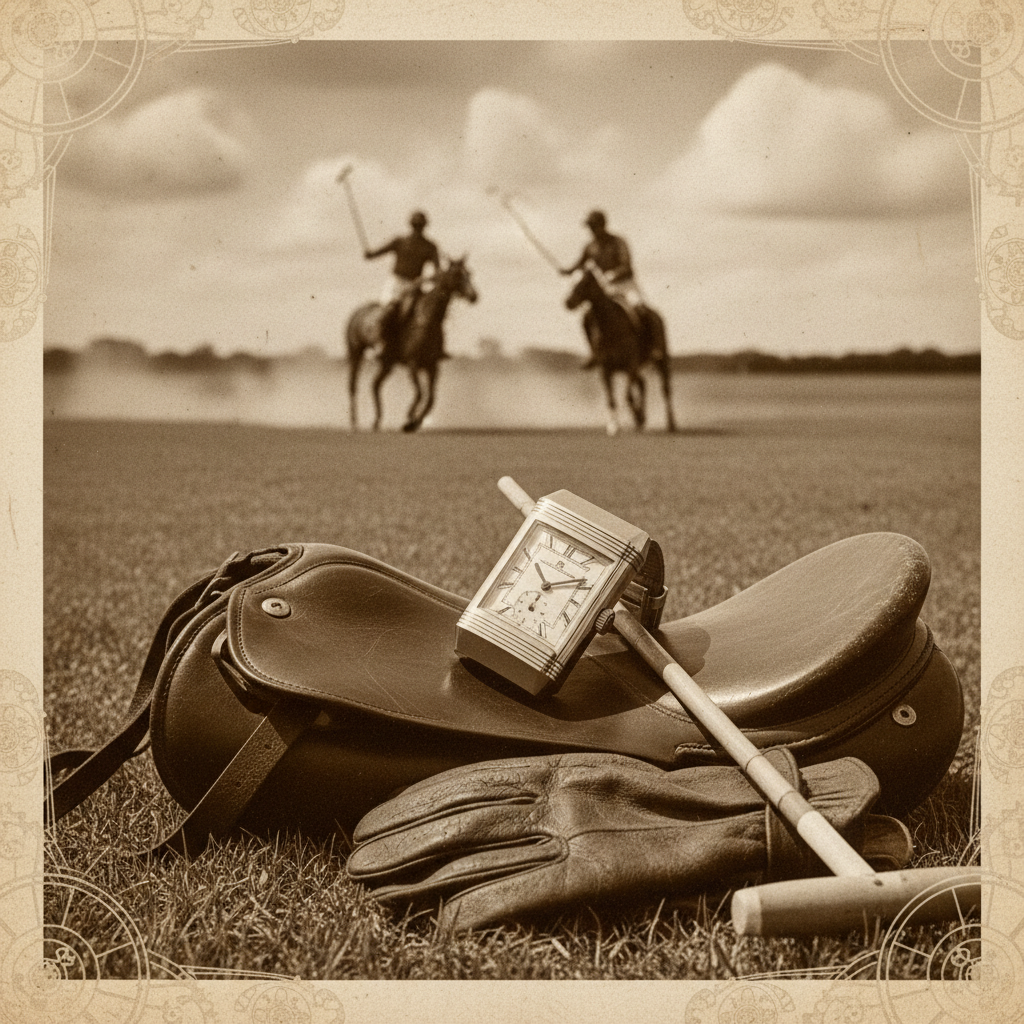
Watch Fact of the Day: The ‘Reverso’ That Was Designed for Polo Players, Not Just Style

So, the Jaeger-LeCoultre Reverso watch is a total classic that came out in the 1930s, designed to save watch faces during polo matches. British officers in India were tired of breaking their watches, so they asked Jacques-David LeCoultre for a solution. Enter César de Trey, who teamed up with LeCoultre and designer René-Alfred Chauvot to create the flip case that protects the crystal. This rugged design soon became an Art Deco icon with a sleek look and personalization options. Today, the Reverso is still a luxury favorite, proving great design lasts.

Watch History: Wednesday, July 15, 2026

📅 Wednesday, July 15, 2026

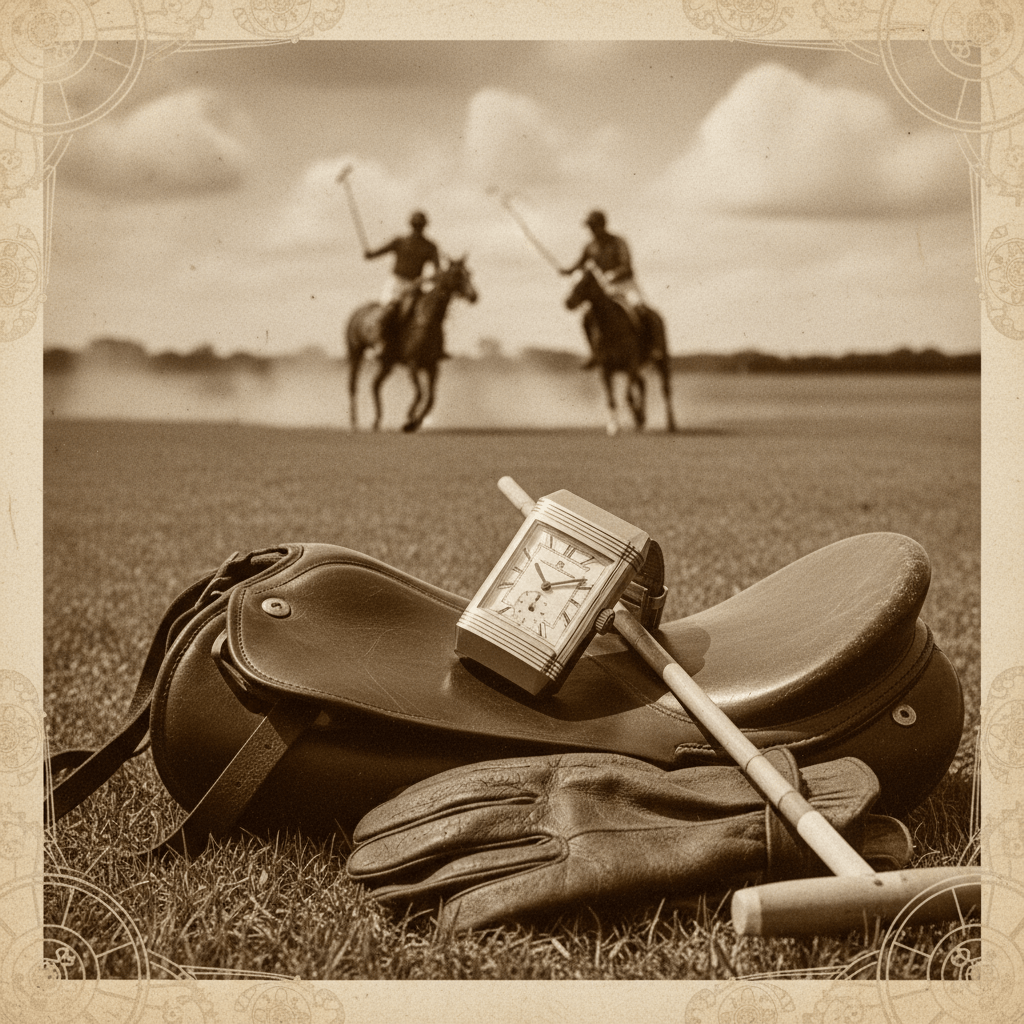
The iconic Jaeger-LeCoultre Reverso watch, famous for its swiveling case, was originally conceived in the early 1930s to protect the watch crystal during rough-and-tumble polo matches. British officers stationed in India, tired of smashing their watch faces during games, challenged Jacques-David LeCoultre to create a timepiece that could withstand the sport. The solution was a case that could flip over, presenting a solid metal back to absorb impacts.


French businessman César de Trey recognized the need after hearing complaints from polo players during a trip to India. He worked with Jaeger-LeCoultre and designer René-Alfred Chauvot, who patented the ingenious reversible case in 1931. The mechanism allowed the watch to slide within its frame and rotate 180 degrees, protecting the delicate crystal in seconds. It was a simple yet revolutionary solution that perfectly blended engineering with elegance.

Although the Reverso was born as a rugged sports watch, it quickly found a second life as a symbol of Art Deco sophistication. Its clean rectangular case, sharp geometric lines, and reversible back made it popular well beyond the polo field. Owners soon discovered they could personalize the solid caseback with engravings, family crests, military insignias, or commemorative messages, transforming each watch into a unique heirloom.

Today, the Reverso is celebrated as one of the most recognizable luxury watches ever created. While few owners will ever wear one during a polo match, its ingenious reversible case remains a reminder that some of horology’s greatest icons began not as fashion statements, but as practical solutions to real-world problems. Nearly a century later, the Reverso continues to prove that exceptional design never goes out of style.

Category: Watch History

Disclaimer: Every effort has been made to keep these watch facts accurate, but the world of horology is full of myths, disputed stories, and fascinating trivia. Consider these facts a starting point for discovery rather than the final word. If you have corrections or additional insights, let us know—we’re always happy to keep the record ticking in the right direction.

🕐 Discover more watch facts, reviews, and buying guides at WatchesAndMore


🛍️ You Might Also Like

As an Amazon Associate and affiliate partner, WatchesAndMore earns from qualifying purchases.

Bulova Precisionist


Bulova Precisionist

Bulova

★★★★★ 4.6 (1,100 reviews)

$219


Check Price on Amazon →

Timex Marlin Automatic 40mm


Timex Marlin Automatic 40mm

Timex

★★★★★ 4.7 (1,106 reviews)

$259


Check Price on Amazon →

The Watch Advisor
Find Your Perfect Watch


Browse all 75+ expert-reviewed watches →

💡 Did You Know?

A reversible case gives the watch a second outward-facing surface. That changes both how it can be protected and how the owner can personalise it.

⭐ Why It Matters

This is a story about design responding to a particular purpose. The relationship between an object’s form and the way someone uses it can be as revealing as the movement inside.

📚 Sources & Further Reading

Further reading: Fondation de la Haute Horlogerie — watchmaking glossary

Join the Conversation

Which detail in this story interests you most, and would it influence what you wear or collect? Share your thoughts in the comments below.

Read Next

🛍️ Explore designs, gifts and more at the W&M companion shop.
📚 Browse the complete W&M Watch Fact Archive.

Watch Fact of the Day: The ‘Watchmaker’s Secret’: Why Some Dials Have a Tiny ‘SWISS’ Mark

Once upon a time, those tiny inscriptions on watch dials were like secret codes for horology aficionados—before Swiss regulations put a foot down. A tiny ‘SWISS’ or ‘SWISS A.T.’ was a cheeky way for watchmakers to hint, “Hey, this movement’s legit, even if the casing had a little globetrotting adventure!” Fast forward a few decades, and collectors are scouring the 6 o’clock spot for clues like detectives on a caffeine high. Who knew a few measly letters could be the difference between vintage treasure and knock-off trash? In a world obsessed with precision, even watchmakers understand that good things come in small (and sometimes almost invisible) packages!

Watch History: Tuesday, July 14, 2026

📅 Tuesday, July 14, 2026

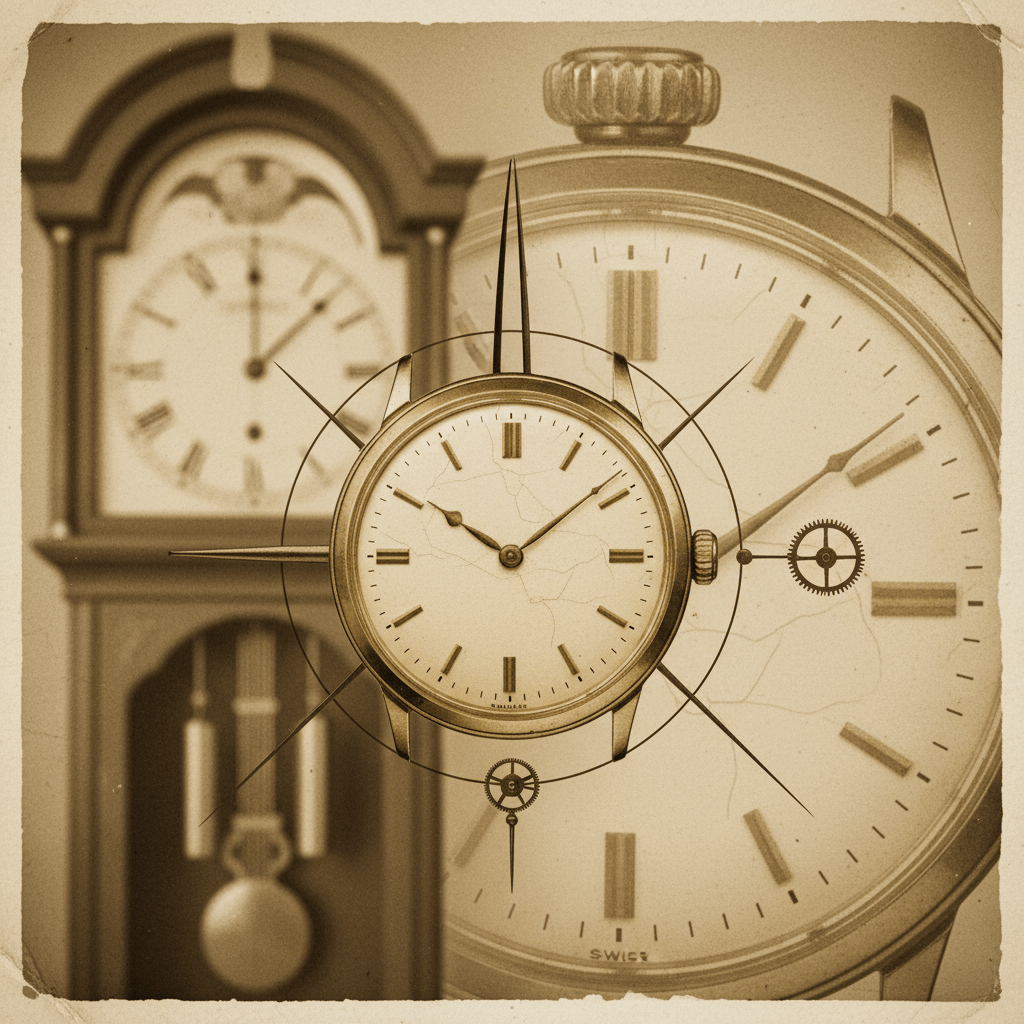
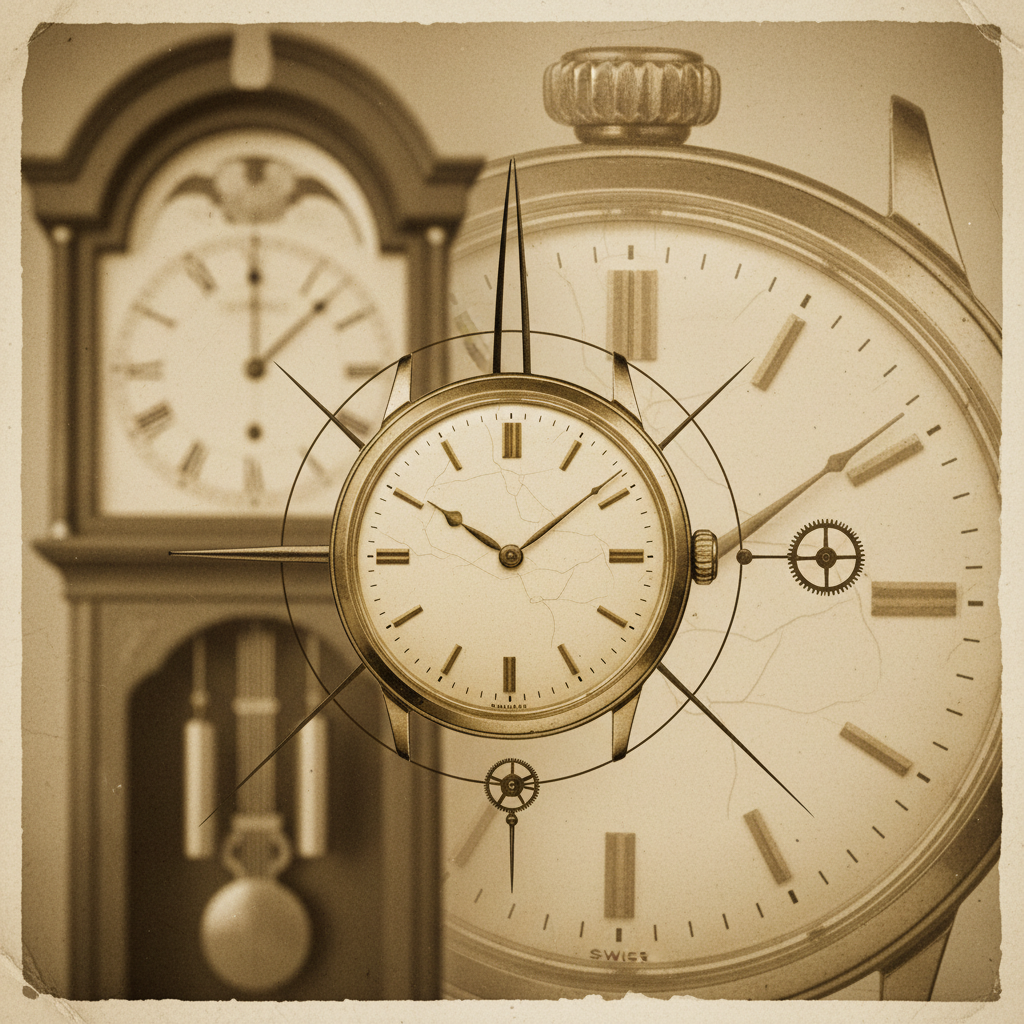
Before the ‘Swiss Made’ regulation became standardized, some watchmakers discreetly marked their dials with a tiny ‘SWISS’ or ‘SWISS A.T.’ (for ‘Swiss Ancien Temps’ or ‘Old Swiss’) near the 6 o’clock position. This was often done to indicate that the movement was indeed Swiss, even if the watch was cased or assembled elsewhere, a subtle nod to its origin before stricter labeling laws took hold.


That tiny inscription eventually became one of the most recognizable details in luxury watchmaking. As the reputation of Swiss craftsmanship grew throughout the 20th century, the word “Swiss” evolved from a simple country-of-origin marking into a symbol of precision, reliability, and quality. Collectors today often inspect the small text beneath the 6 o’clock marker because it can reveal valuable clues about a watch’s age, authenticity, and production era.

Over the decades, the markings themselves changed to reflect new materials and evolving regulations. Vintage watches may feature inscriptions such as “T SWISS T” or “SWISS T < 25,” indicating the use of tritium lume, while modern watches typically display “SWISS MADE” after stricter legal standards were introduced. These tiny details help collectors identify whether a dial is original, replaced, or refinished—making a few millimeters of text surprisingly important in the world of horology.

Today, that nearly invisible word at the bottom of the dial represents more than geography. It reflects generations of Swiss innovation, craftsmanship, and watchmaking tradition. For enthusiasts, reading the tiny inscription at 6 o’clock is often the first step in uncovering a watch’s story, proving that some of the most important details in horology are also the easiest to overlook.

Category: Watch History

Disclaimer: Every effort has been made to keep these watch facts accurate, but the world of horology is full of myths, disputed stories, and fascinating trivia. Consider these facts a starting point for discovery rather than the final word. If you have corrections or additional insights, let us know—we’re always happy to keep the record ticking in the right direction.

🕐 Discover more watch facts, reviews, and buying guides at WatchesAndMore


🛍️ You Might Also Like

As an Amazon Associate and affiliate partner, WatchesAndMore earns from qualifying purchases.

Bulova Precisionist


Bulova Precisionist

Bulova

★★★★★ 4.6 (1,100 reviews)

$219


Check Price on Amazon →

Timex Marlin Automatic 40mm


Timex Marlin Automatic 40mm

Timex

★★★★★ 4.7 (1,106 reviews)

$259


Check Price on Amazon →

More Watch Facts
More Watch Facts


Browse all 75+ expert-reviewed watches →

💡 Did You Know?

A tiny inscription is one clue among many. Dial markings should be considered with the watch’s date, movement, case and service history.

⭐ Why It Matters

Small design decisions can change both the way a watch is read and the way it is recognised. Looking closely makes the dial part of the story rather than a decorative surface.

📚 Sources & Further Reading

Further reading: Fondation de la Haute Horlogerie — watchmaking glossary

Join the Conversation

Which detail in this story interests you most, and would it influence what you wear or collect? Share your thoughts in the comments below.

Read Next

🛍️ Explore designs, gifts and more at the W&M companion shop.
Watch Fact of the Day: The ‘Poor Man’s Tourbillon’ That Isn’t a Tourbillon At All!

In the high-stakes world of watchmaking, there exists a delightful contraption known as the carousel, affectionately dubbed the “poor man’s tourbillon.” Invented by Danish maestro Bahne Bonniksen in 1892, this nifty device twirls the entire escapement while keeping the driving wheel steady, making it the less fancy cousin of the tourbillon. While the tourbillon struts its complexity like a show-off, the carousel humbly boasts elegance without breaking the bank. Recently revived by savvy watchmakers, this underdog proves that having a different approach to precision can be both charming and practical. So, next time you see one, remember: it’s not cheap, it’s distinctive!

Watch Fact of the Day: The 'Poor Man's Tourbillon' That Isn't a Tourbillon At All!
Watch Fact of the Day: The ‘Poor Man’s Tourbillon’ That Isn’t a Tourbillon At All!

📅 Monday, July 13, 2026

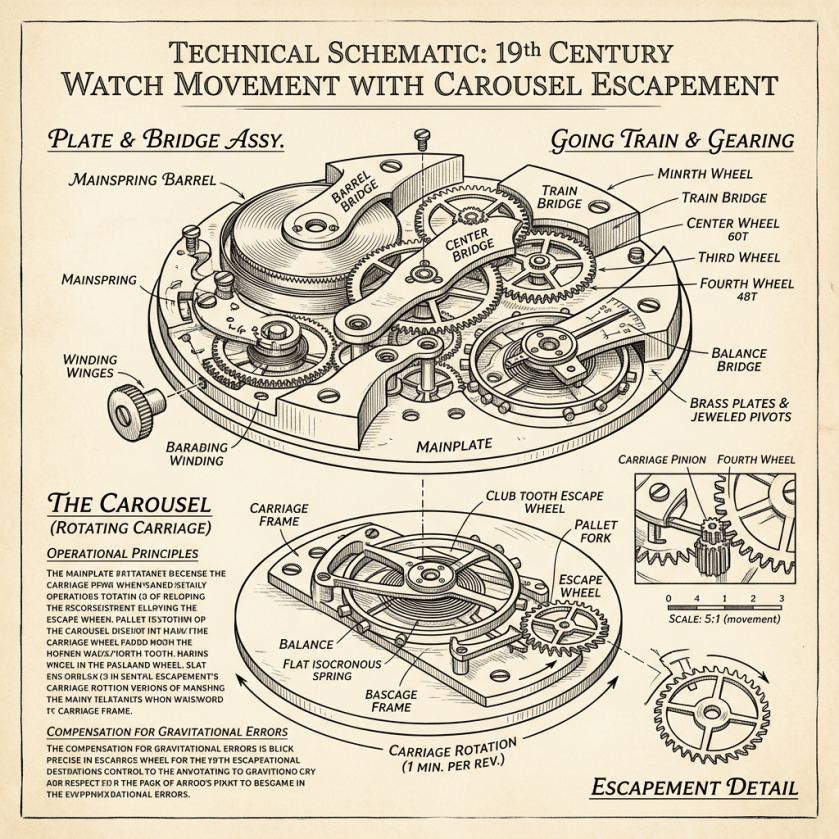
While the tourbillon is a complex mechanism designed to counteract gravity’s effects on a watch’s accuracy, a carousel complication achieves a similar goal but operates differently. Often called a ‘poor man’s tourbillon’ due to its typically simpler construction and lower cost, the carousel rotates the entire escapement, but its driving wheel is fixed, unlike the tourbillon’s rotating cage. This distinction makes it a fascinating alternative for those appreciating horological ingenuity without the tourbillon’s extreme complexity and price tag.

Technical schematic of 19th century watch movement showing mainspring barrel, going train gearing, carousel, and escapement detail with labeled parts
Detailed technical schematic of a 19th century watch movement with carousel escapement.

The carousel was invented in 1892 by Danish watchmaker Bahne Bonniksen, who sought to create a more practical and affordable alternative to Abraham-Louis Breguet’s tourbillon. While both complications rotate the escapement to help average out positional errors caused by gravity, the carousel uses a different gear train and power delivery system. This clever engineering allowed watchmakers to achieve a similar visual spectacle with fewer manufacturing challenges, making the complication more accessible than the exceptionally intricate tourbillon.

For much of the 20th century, the carousel remained a rarity, overshadowed by the prestige of the tourbillon. In recent decades, however, independent watchmakers and innovative brands have revived interest in the complication, showcasing just how elegant and technically impressive the design truly is. Some modern timepieces even combine a carousel with other complications, demonstrating that this once-overlooked invention still has a place in contemporary haute horlogerie.

Although enthusiasts often refer to it as the “poor man’s tourbillon,” that nickname doesn’t do the carousel justice. It’s not a cheaper imitation—it’s a distinct horological invention with its own history, engineering, and charm. For collectors, the carousel represents an alternative path to solving the same centuries-old challenge of precision timekeeping, proving that in watchmaking, there is often more than one brilliant way to tackle a problem.

Category: Fun Quirk

Disclaimer: Every effort has been made to keep these watch facts accurate, but the world of horology is full of myths, disputed stories, and fascinating trivia. Consider these facts a starting point for discovery rather than the final word. If you have corrections or additional insights, let us know—we’re always happy to keep the record ticking in the right direction.

🕐 Discover more watch facts, reviews, and buying guides at WatchesAndMore


🛍️ You Might Also Like

As an Amazon Associate and affiliate partner, WatchesAndMore earns from qualifying purchases.

G-Shock GA2100-1A1 CasiOak


G-Shock GA2100-1A1 CasiOak

Casio

★★★★★ 4.8 (2,156 reviews)

$99


Check Price on Amazon →

Casio Edifice Chronograph


Casio Edifice Chronograph

Casio

★★★★★ 4.7 (1,264 reviews)

$120


Check Price on Amazon →

The Watch Advisor
Find Your Perfect Watch


Browse all 75+ expert-reviewed watches →


💡 Did You Know?

Rotating mechanisms can look similar while using different drive arrangements. Their construction is more informative than a nickname or a presumed price hierarchy.

⭐ Why It Matters

Following the route from stored energy to the hands makes a complex mechanism easier to understand. Its value lies in the problem it was designed to address.

📚 Sources & Further Reading

Further reading: Fondation de la Haute Horlogerie — watchmaking glossary

Join the Conversation

Which detail in this story interests you most, and would it influence what you wear or collect? Share your thoughts in the comments below.

Read Next

🛍️ Explore designs, gifts and more at the W&M companion shop.
📚 Browse the complete W&M Watch Fact Archive.