
📅 Saturday, September 5, 2026
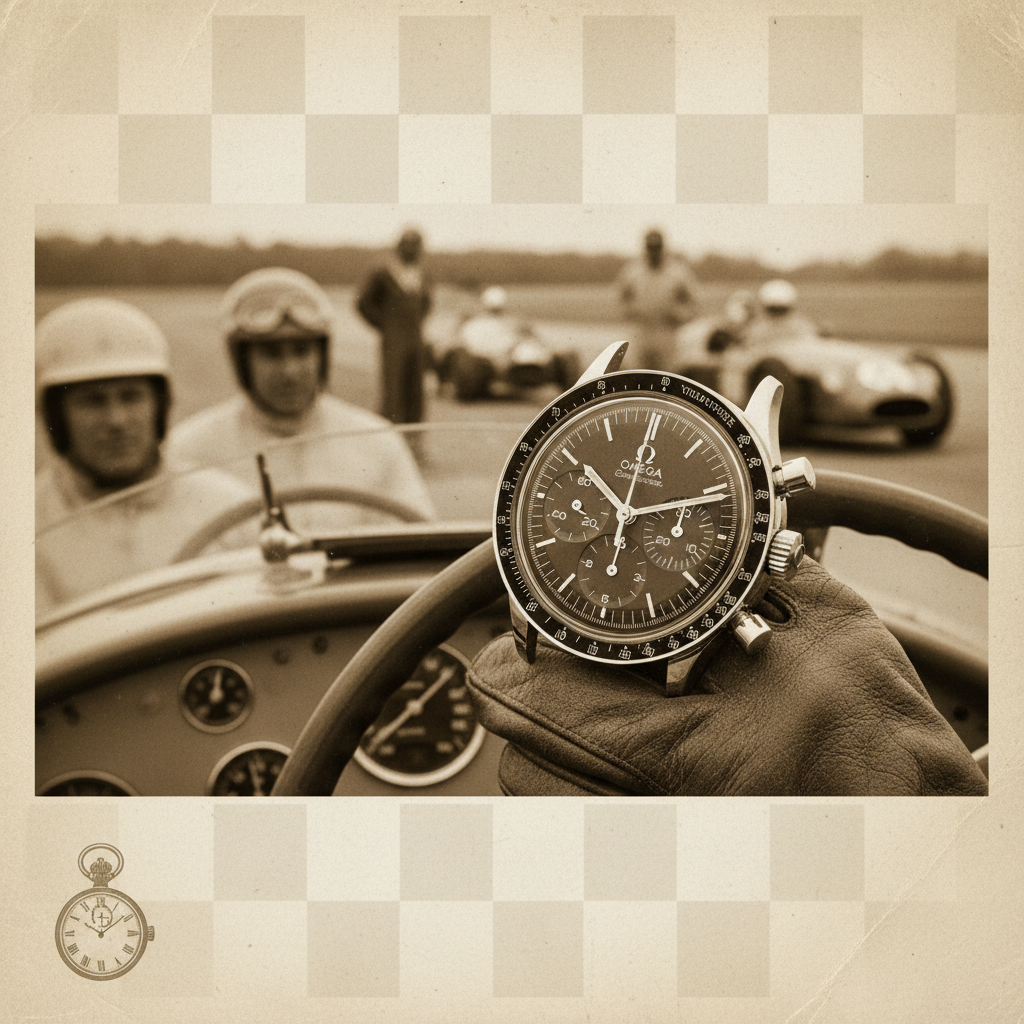
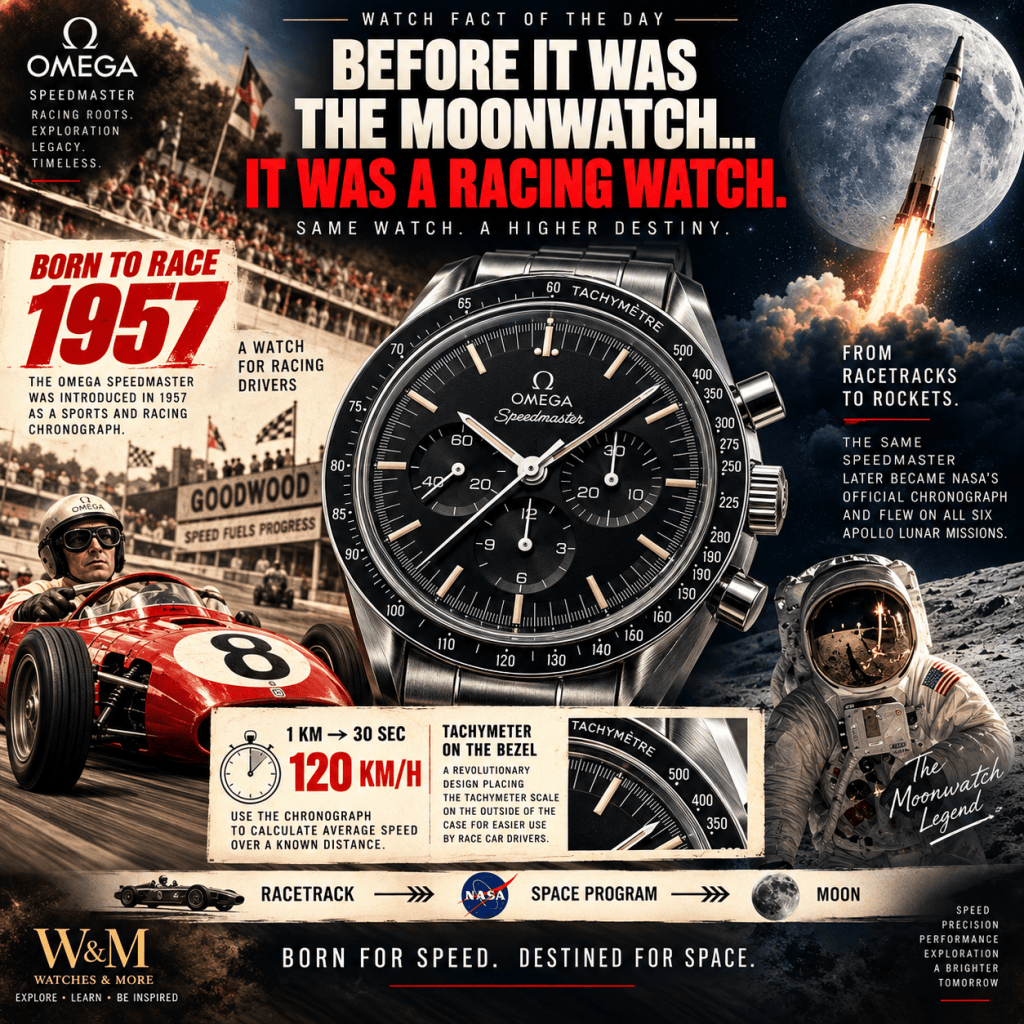
When Omega introduced the Speedmaster in 1957, nobody was designing it with lunar exploration in mind. It debuted as part of Omega’s new “Professional Line,” alongside the Seamaster 300 for divers and the Railmaster for people working around strong magnetic fields. The Speedmaster’s intended arena was much closer to Earth: motorsport and automobile racing.
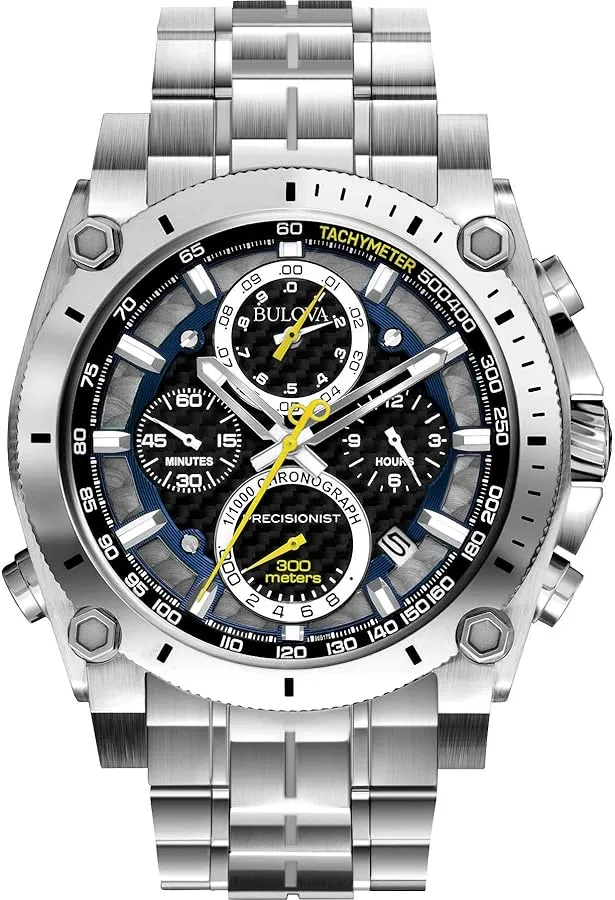
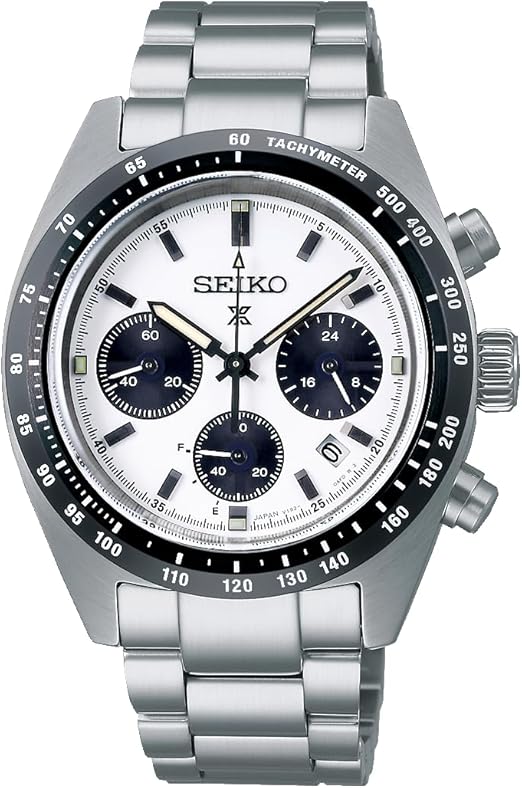
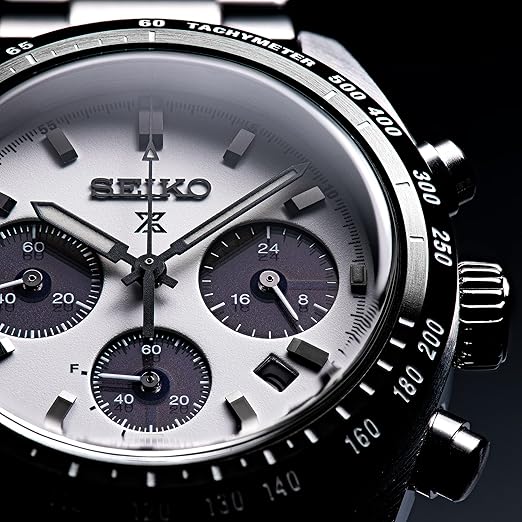
Its name practically gives the game away. The Speedmaster was a chronograph designed to help measure elapsed time and calculate speed, making it naturally suited to drivers, racing enthusiasts and other sporting applications. Central to that identity was its tachymeter scale, positioned prominently around the outside of the dial on the bezel rather than being squeezed onto the dial itself.
That placement became one of the Speedmaster’s most recognizable design features. Used with the chronograph, a tachymeter allows the wearer to calculate average speed over a known distance. Start the chronograph at the beginning of a measured kilometer, stop it at the end, and the chronograph seconds hand indicates the corresponding average speed on the tachymeter scale. Omega’s own instructions still demonstrate the function using the example of calculating the speed of a car over one kilometer.
The original Speedmaster CK2915 therefore looked every bit like a purpose-built sporting instrument: a highly legible dial, chronograph timing capability and that prominent external tachymeter scale. Rather than being born as an astronaut’s watch, its design language belonged to an era of racing circuits, sports cars, stopwatches and increasingly sophisticated wrist chronographs.
And then history took an extraordinary turn.
During the following decade, the Speedmaster found itself being evaluated for an environment its original designers could scarcely have anticipated: spaceflight. The rugged chronograph eventually became associated with NASA’s astronauts and, most famously, the Apollo lunar missions. The racing chronograph had become the Moonwatch.
That’s what makes the Speedmaster’s story so compelling. Omega didn’t sit down in 1957 and attempt to create an icon of space exploration. It created a highly functional sporting chronograph—and the underlying design proved versatile and robust enough to acquire an entirely different identity.
💡 Did You Know?
The Speedmaster’s famous tachymeter isn’t just decoration. Combined with the chronograph, it can calculate average speed over a known distance without electronics, GPS or a speedometer. If a car travels exactly one kilometer in 30 seconds, for example, the chronograph seconds hand points to approximately 120 on the tachymeter scale—meaning an average speed of 120 km/h.
So before we had:
SPEEDMASTER → NASA → APOLLO → MOONWATCH
we had:
RACETRACK → CHRONOGRAPH → TACHYMETER → SPEED
⭐ Why It Matters
The Speedmaster is a wonderful example of how an object’s original purpose doesn’t necessarily determine its legacy. A watch conceived for speed on the ground ultimately became famous for traveling farther from the racetrack than almost any watch imaginable.
Born for the racetrack. Destined for the Moon. 🚗💨⌚🌕
Category: Watch History
Disclaimer: Every effort has been made to keep these watch facts accurate, but the world of horology is full of myths, disputed stories, and fascinating trivia. Consider these facts a starting point for discovery rather than the final word. If you have corrections or additional insights, let us know—we’re always happy to keep the record ticking in the right direction.
🕐 Discover more watch facts, reviews, and buying guides at WatchesAndMore
🛍️ You Might Also Like
As an Amazon Associate and affiliate partner, WatchesAndMore earns from qualifying purchases.
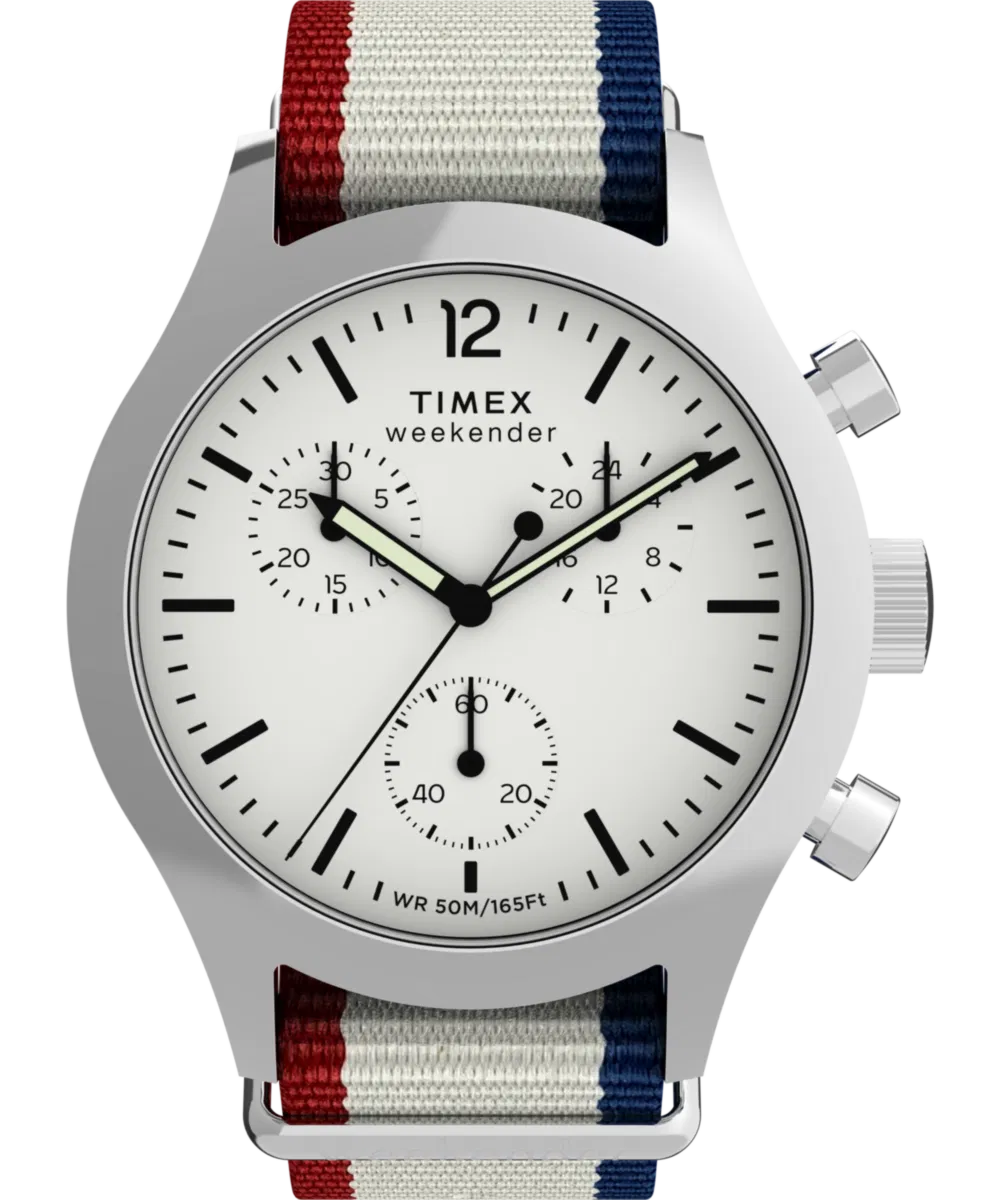
Timex
★★★★★ 4.5 (3,041 reviews)
$79