
📅 Friday, September 4, 2026
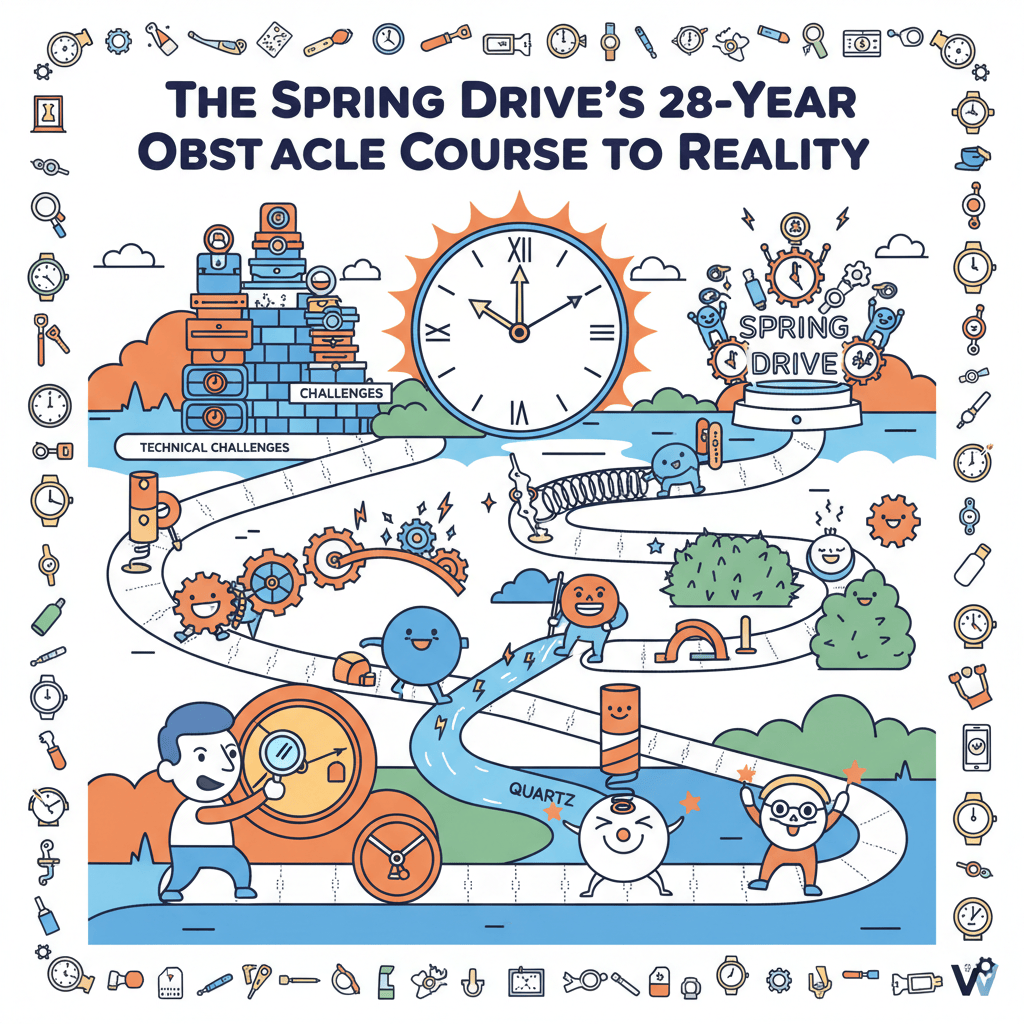
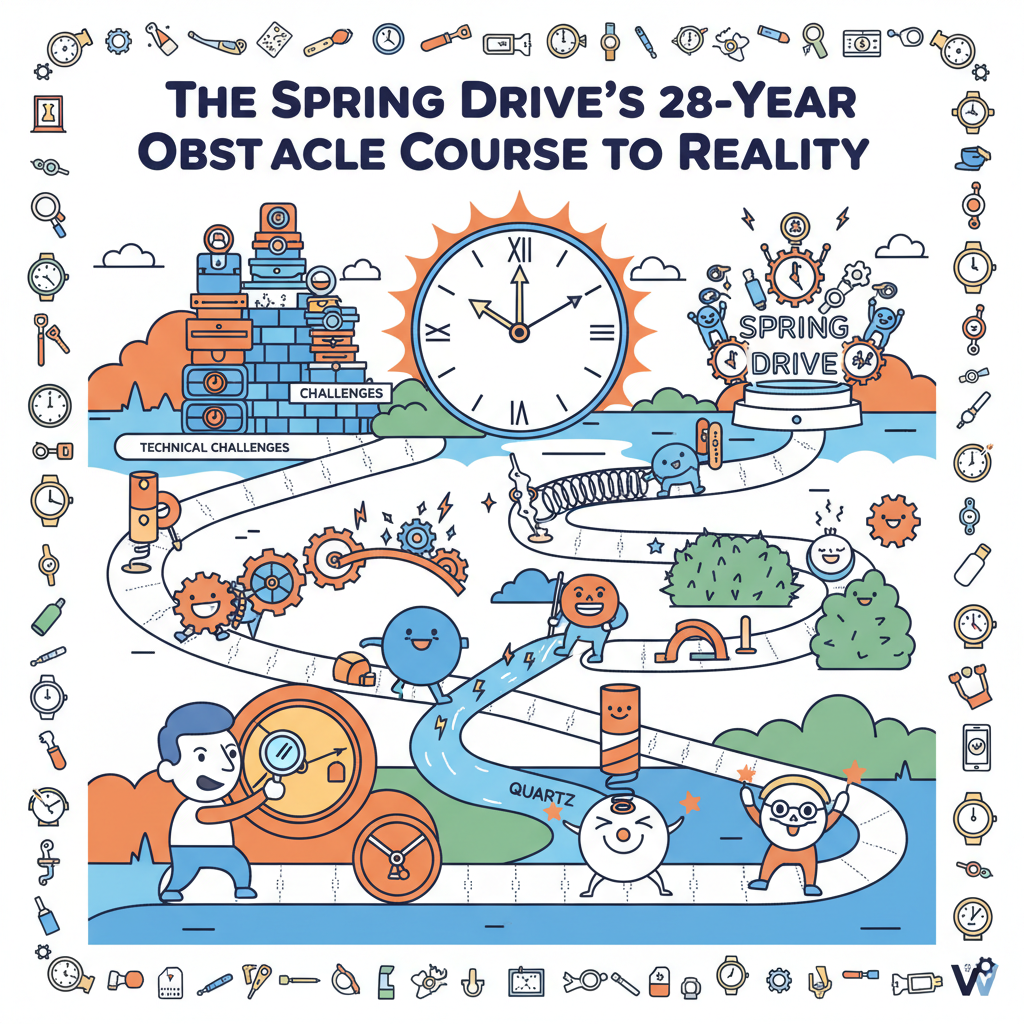
In 1977, young Seiko engineer Yoshikazu Akahane began pursuing an idea that sounded almost contradictory: an “ever-lasting watch” powered by a traditional mainspring, yet capable of the extraordinary precision associated with electronic timekeeping. His goal was approximately one second of accuracy per day without abandoning the fundamental spring-driven architecture of mechanical watchmaking. It would become one of the longest and most ambitious development stories in modern horology. Seiko Watch Corporation
The challenge was enormous. Seiko says the journey ultimately stretched across 28 years, countless setbacks and more than 600 prototypes. An early patent application was filed in 1978, but the technology necessary to turn Akahane’s concept into a practical wristwatch simply wasn’t mature enough yet. Improvements in electronics, energy efficiency, mainspring technology and manufacturing would all be necessary before the dream could become reality. Seiko Watch Corporation
The breakthrough was what became known as the Tri-Synchro Regulator. Instead of a conventional mechanical escapement, Spring Drive coordinates three forms of energy: mechanical, electrical and electromagnetic. The unwinding mainspring drives the gear train and glide wheel; that motion generates a tiny electrical current to power a quartz oscillator and integrated circuit, while an electromagnetic brake regulates the glide wheel’s speed. The watch therefore creates the electricity its regulator requires from the energy already stored in its mainspring. Grand Seiko
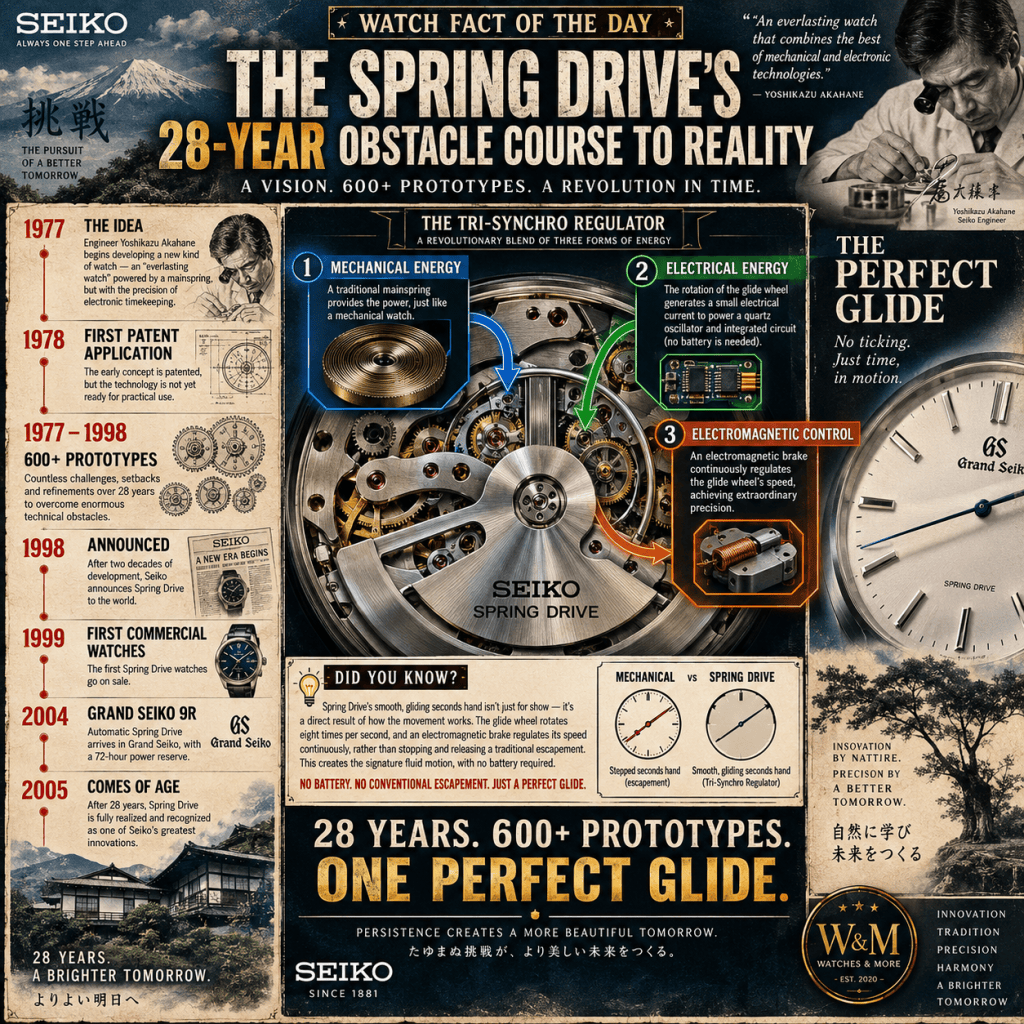
And that’s an important distinction: Spring Drive does not contain a battery. Its sole power source is the mainspring. There is no conventional electric motor driving the hands and no secondary battery hidden inside; the electronics exist to regulate the mechanical energy being released through the movement. Grand Seiko
The architecture also created Spring Drive’s most recognizable visual signature: its extraordinary gliding seconds hand. A conventional mechanical watch repeatedly locks and unlocks its gear train through an escapement, producing the familiar series of tiny steps. Spring Drive has no conventional escapement; its glide wheel rotates continuously in one direction, allowing the seconds hand to sweep smoothly and silently around the dial. Seiko Watch Corporation
The timeline is particularly interesting. Spring Drive was announced in 1998 after roughly 20 years of development and 600 prototypes, and the first hand-wound Spring Drive watches followed in 1999. Development continued, however, and in 2004 Grand Seiko introduced the automatic 9R Spring Drive, combining automatic winding, a 72-hour power reserve and one-second-per-day accuracy. Seiko’s broader history describes 2005 as the culmination of the full 28-year journey—the point when “Spring Drive came of age.” Grand Seiko
Sadly, Akahane did not live to see the technology’s commercial success. Grand Seiko records that he died from pneumonia in August 1998, shortly before Spring Drive’s public launch. But the idea he had pursued since 1977 survived him—and eventually became one of Seiko’s defining contributions to modern watchmaking. Grand Seiko
💡 Did You Know?
Spring Drive’s famous smooth seconds hand isn’t simply a cosmetic effect designed to make the watch look different. It is a visible consequence of how the movement regulates time. The glide wheel rotates eight times per second while generating the electricity needed to power the quartz oscillator and IC; an electromagnetic brake continuously controls its speed rather than repeatedly stopping and releasing a traditional escapement. That uninterrupted rotational motion travels through the gear train to produce the mesmerizing glide of the seconds hand.
No battery. No conventional escapement. No ticking seconds hand.
MAINSPRING → ELECTRICITY → QUARTZ REFERENCE → ELECTROMAGNETIC BRAKE → PERFECT GLIDE
Category: Fun Quirk
Disclaimer: Every effort has been made to keep these watch facts accurate, but the world of horology is full of myths, disputed stories, and fascinating trivia. Consider these facts a starting point for discovery rather than the final word. If you have corrections or additional insights, let us know—we’re always happy to keep the record ticking in the right direction.
🕐 Discover more watch facts, reviews, and buying guides at WatchesAndMore
🛍️ You Might Also Like
As an Amazon Associate and affiliate partner, WatchesAndMore earns from qualifying purchases.
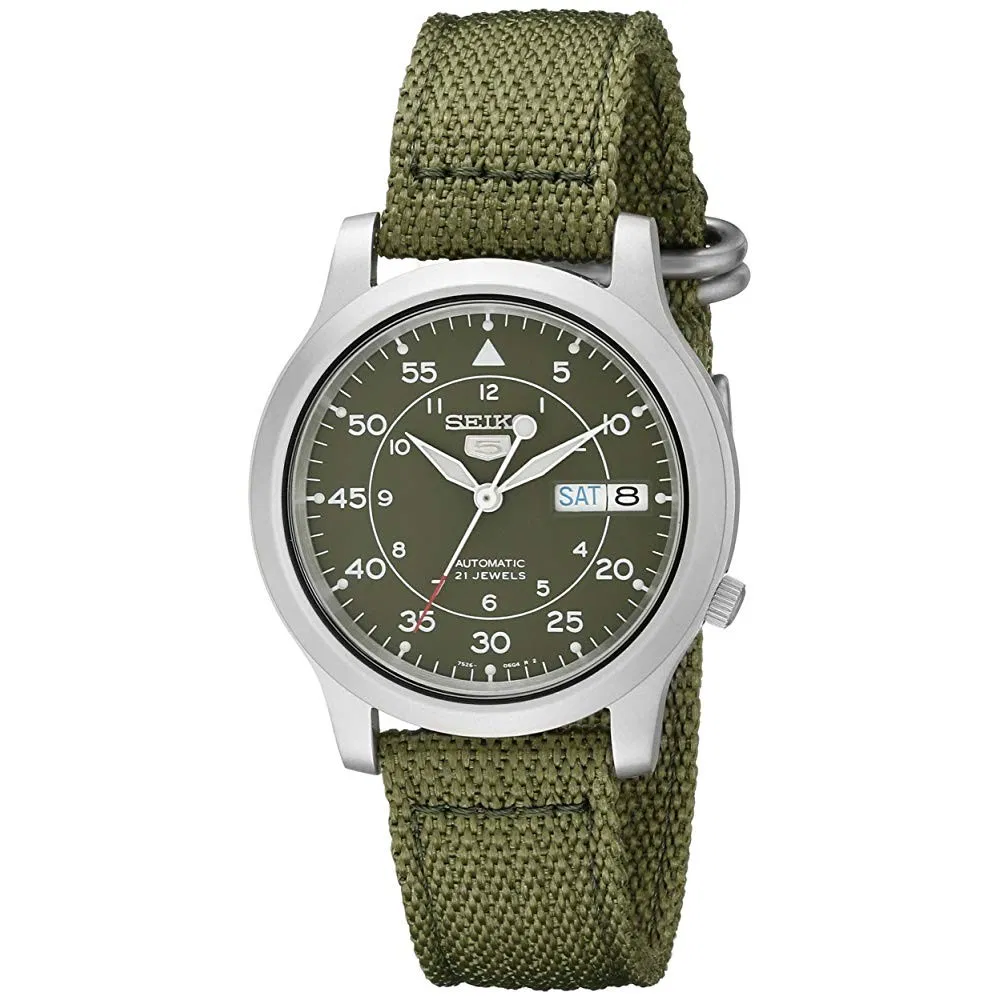
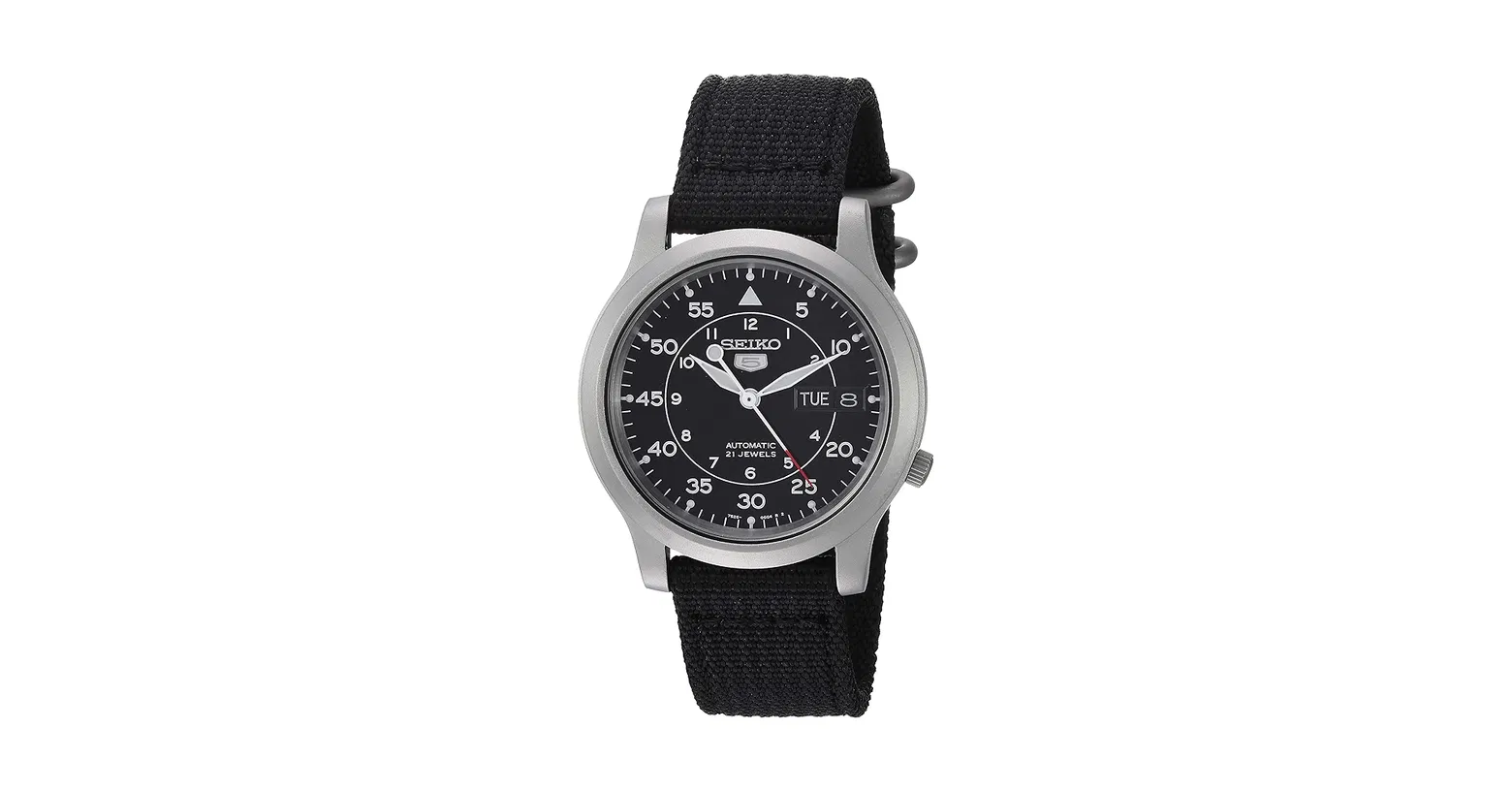
Seiko
★★★★★ 4.8 (6,961 reviews)
$89

Browse all expert-reviewed watches →



 WatchesAndMoreCO