
📅 Friday, September 18, 2026
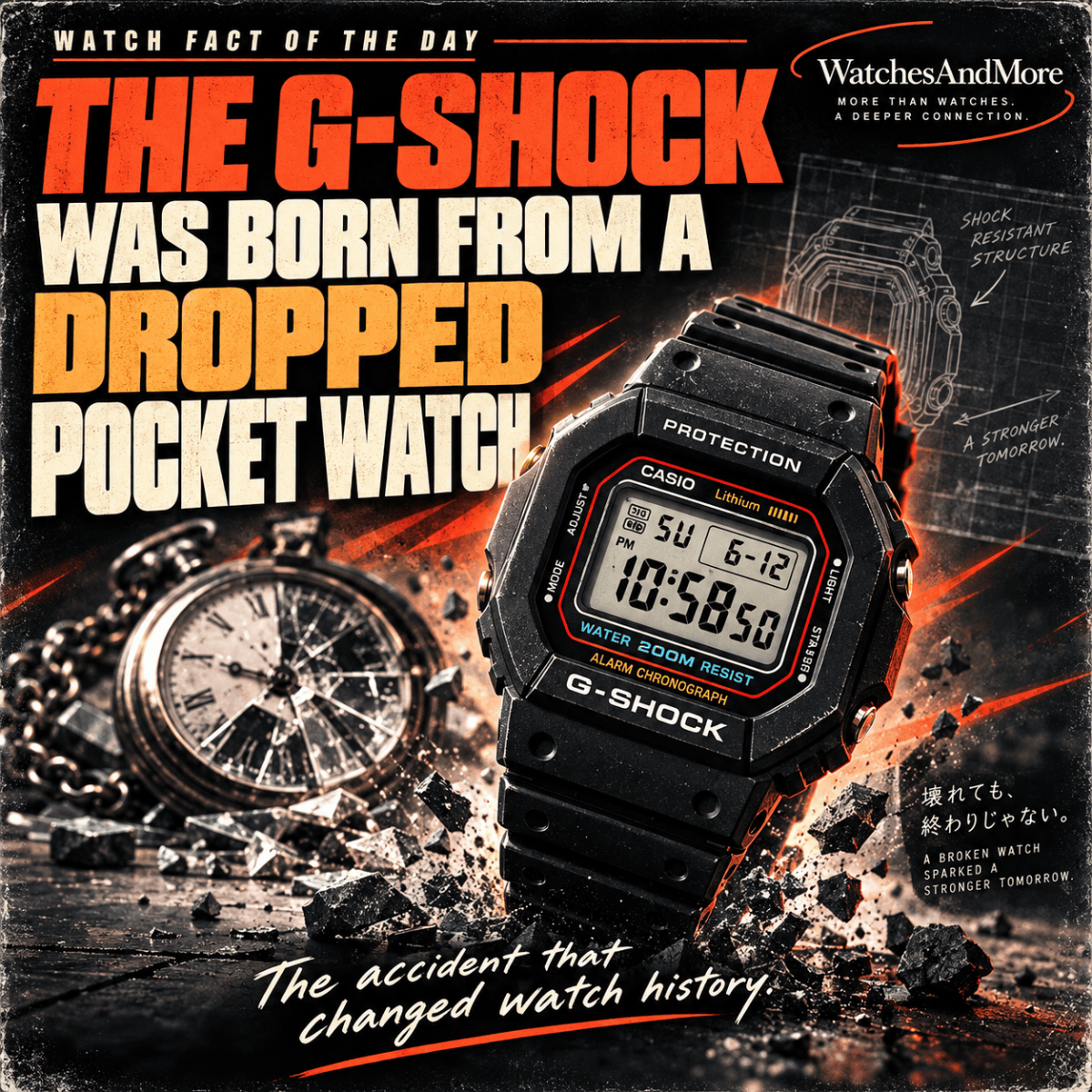
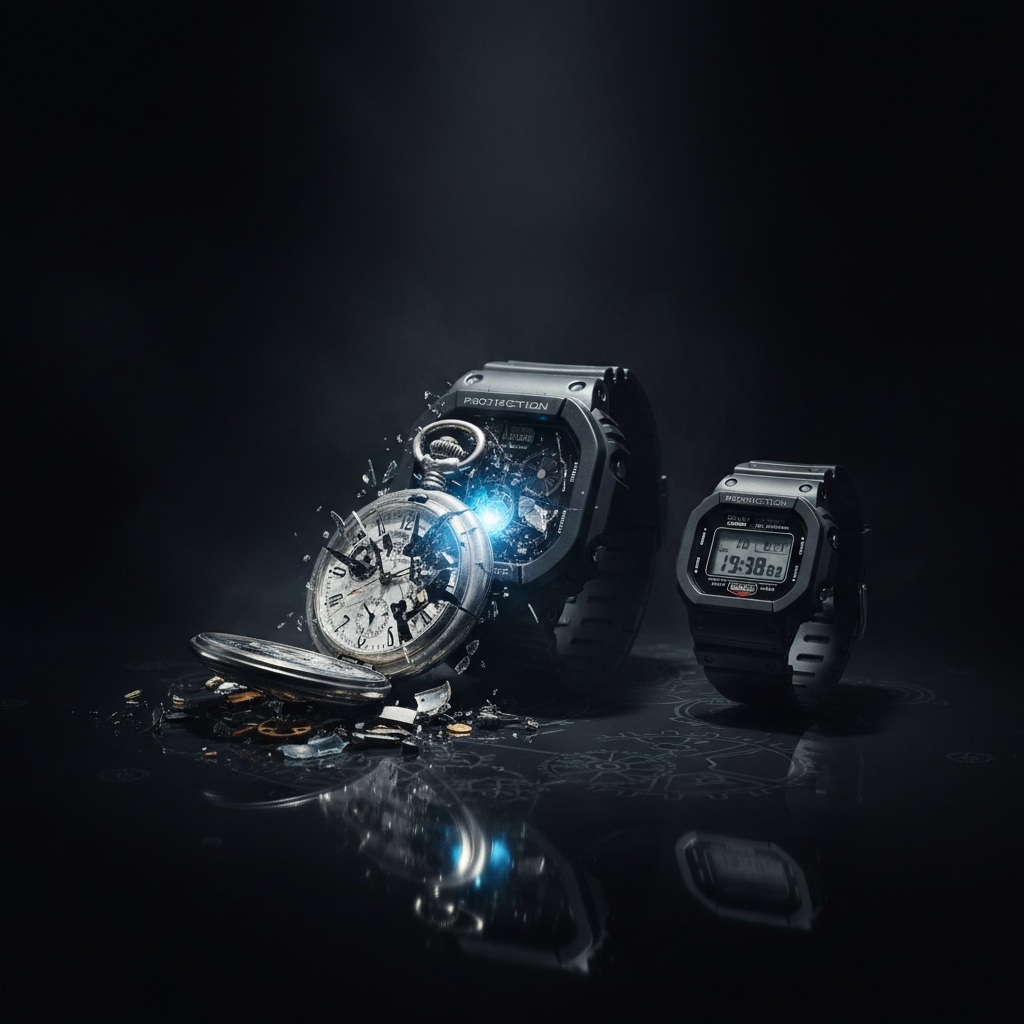
In 1981, Casio engineer Kikuo Ibe experienced the kind of accident every watch owner dreads. A treasured mechanical wristwatch associated with his father fell from his wrist and shattered when it hit the floor. At the time, watches were generally treated as delicate precision instruments, and breaking one after a hard impact was considered almost inevitable. Ibe began wondering why it had to be that way.
His response was astonishingly simple.
He submitted an internal proposal containing essentially one idea:
MAKE A WATCH THAT DOESN’T BREAK WHEN DROPPED.
Casio approved the challenge, and Project Team Tough was formed in 1981. The team consisted of only three people, including Ibe, and they began trying to create something the conventional watch industry regarded as almost absurd: a wristwatch designed around toughness rather than delicacy.
The development target became known as the “Triple 10” concept:
10-METER DROP RESISTANCE
10-BAR WATER RESISTANCE
10-YEAR BATTERY LIFE
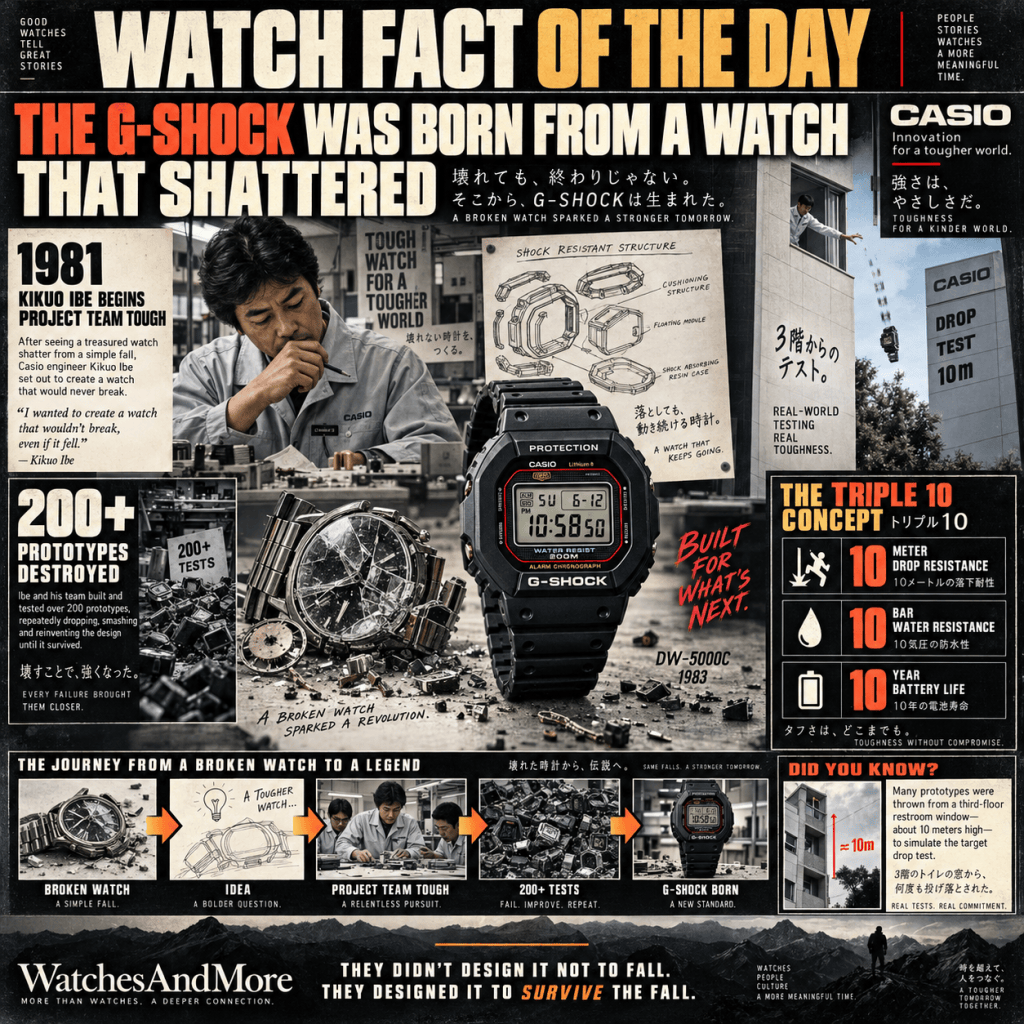
Those numbers weren’t simply marketing copy. They gave the engineers a concrete definition of what a truly tough watch ought to achieve. Interestingly, Casio notes that the first production G-SHOCK, the DW-5000C, did not literally match all three original targets: it offered 20-bar water resistance and a rated battery life of about seven years, while its shock resistance was validated through established impact standards. The Triple 10 concept was the development ideal that drove the project.
Then came the punishment.
Over roughly two years, Ibe and his team built and destroyed more than 200 prototypes. One of their primary test sites was not some sophisticated laboratory shock rig—it was the third-floor restroom window of Casio’s research facility, approximately 10 meters above the ground. Ibe repeatedly threw prototypes out the window, walked downstairs, examined what had broken, reinforced the failed component, and tried again.
Early solutions were almost comical. Ibe initially believed that simply surrounding the watch with enough soft material would protect it, but the amount of cushioning required turned some prototypes into objects roughly the size of a softball. Eventually, the team developed a multi-stage shock-absorbing architecture in which the crucial electronic module was effectively suspended and protected from direct impact.
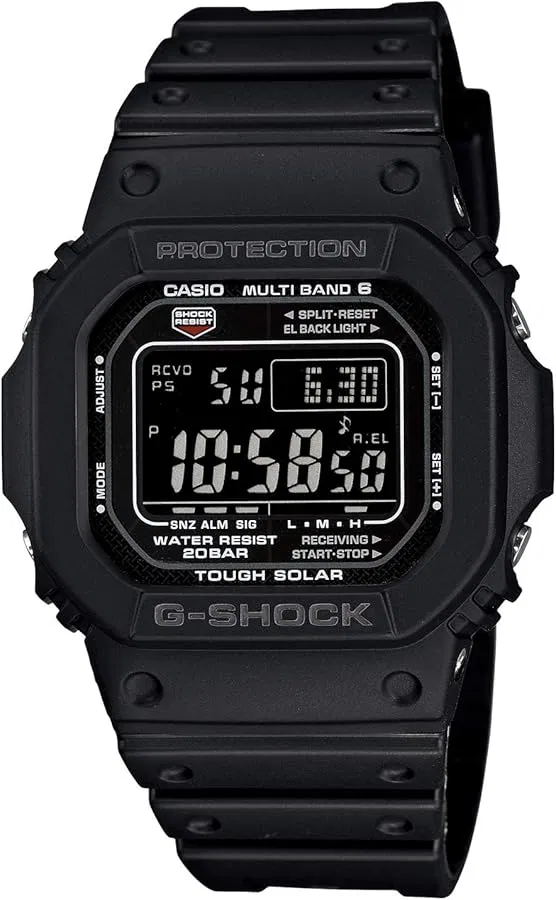
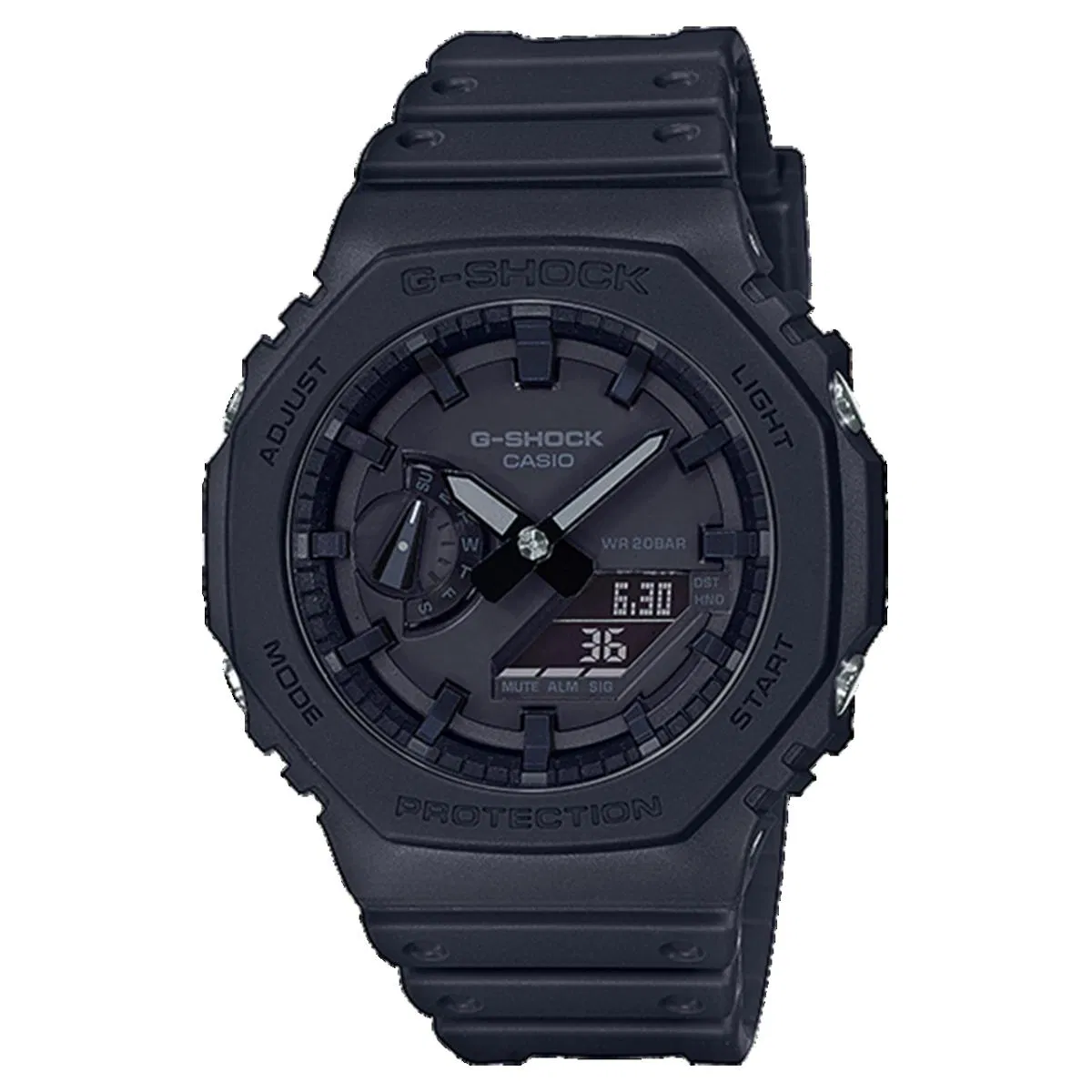
The breakthrough led to the launch of the first G-SHOCK DW-5000C in 1983.
Its rugged urethane exterior, hollow protective case structure, and unmistakably functional design represented a complete reversal of the traditional assumption that a precision watch needed to be treated gently. Instead of asking the wearer to protect the watch, G-SHOCK was designed to protect itself.
And that changed far more than Casio probably imagined.
G-SHOCK went on to become a global phenomenon, embraced by everyone from professionals working in harsh environments to skateboarders, musicians, collectors, military personnel, athletes, and streetwear culture. By 2017, Casio had shipped more than 100 million G-SHOCK watches worldwide.
💡 Did You Know?
The famous 10-meter drop target partly explains why Ibe chose that restroom window.
Casio quotes him remembering that a normal ground-floor window would have been enough for testing an ordinary watch—but the third-floor restroom was about 10 meters high, which conveniently matched the kind of round-number engineering target he wanted.
So the development process was essentially:
DROP IT.
⬇️
SEE WHAT BROKE.
⬇️
FIX THAT PART.
⬇️
DROP IT AGAIN.
More than 200 times.
⭐ Why It Matters
The genius of G-SHOCK wasn’t simply that Casio made a stronger watch.
It was that Kikuo Ibe challenged one of watchmaking’s most basic assumptions:
WHY SHOULD A WATCH HAVE TO BE DELICATE?
One broken family watch led to a radically different design philosophy.
A watch could be precise and tough.
Electronic and rugged.
Practical and cool.
The first G-SHOCK didn’t merely survive impacts.
It helped redefine what people expected a wristwatch to survive.
1981 — A WATCH SHATTERS
200+ PROTOTYPES ARE DESTROYED
1983 — G-SHOCK IS BORN
Category: Brand Spotlight
Disclaimer: Every effort has been made to keep these watch facts accurate, but the world of horology is full of myths, disputed stories, and fascinating trivia. Consider these facts a starting point for discovery rather than the final word. If you have corrections or additional insights, let us know—we’re always happy to keep the record ticking in the right direction.
🕐 Discover more watch facts, reviews, and buying guides at WatchesAndMore
🛍️ You Might Also Like
As an Amazon Associate and affiliate partner, WatchesAndMore earns from qualifying purchases.

 WatchesAndMoreCO