

Watch Fact of the Day: The 1930s Watch That Helped Pilots Find Their Way

So, the Longines Weems Second-Setting watch is a cool piece of history, designed back in the 1930s for aviation. It helped pilots navigate over vast oceans without modern tech like GPS. The watch features a nifty rotating inner dial that syncs with radio time signals, allowing the seconds hand to keep moving while you adjust the scale. This innovation was crucial for accurate navigation, especially before WWII when timing mattered a lot. It’s not just about looking good—this watch was all about solving real problems for aviators. Basically, it’s a blend of mechanical brilliance and adventurous spirit!

Military Watches: Wednesday, October 7, 2026

📅 Wednesday, October 7, 2026

Longines Weems — When Every Second Counted ✈️⌚

Imagine flying over an ocean in the 1930s.

No GPS. No moving map. No friendly voice announcing that you’ve missed your turn.

Below you, an endless stretch of water. Above you, the sky—and on your wrist, a watch with a surprisingly clever trick.

The Longines Weems Second-Setting watch brought something essential to early aviation: a practical way to synchronize a mechanical watch with a radio time signal while its movement kept running.

Sometimes, the most impressive watch complication is the one that solves a real problem.
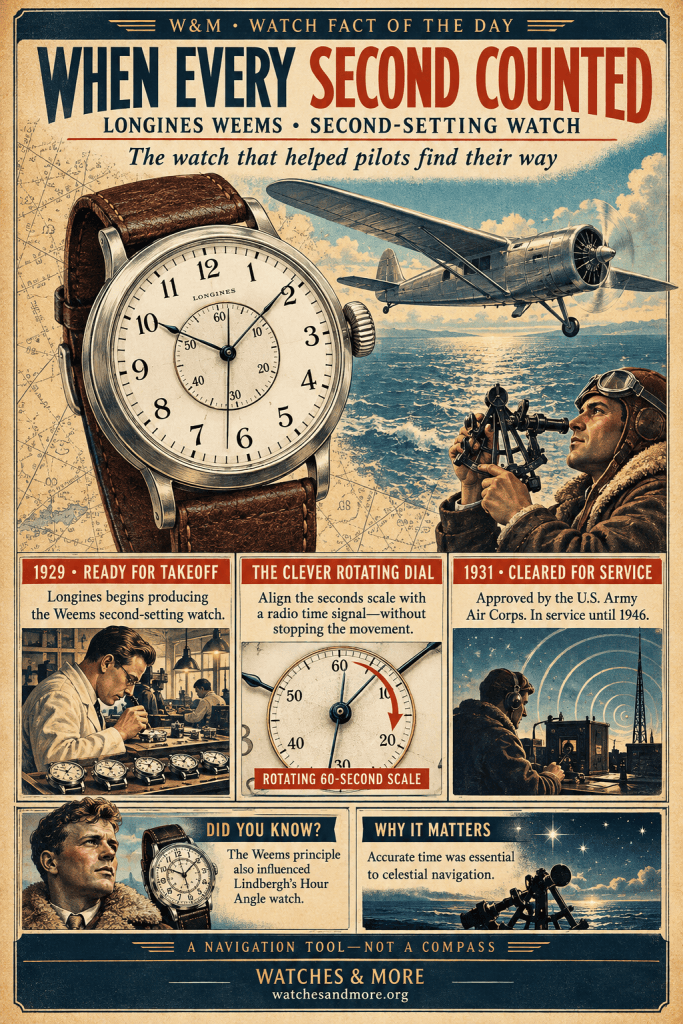
Vintage advertisement for the Longines Weems second-setting watch, featuring a close-up of the watch and an airplane in flight. Includes historical information about the watch, emphasizing its significance for pilots and celestial navigation.

📻 The Genius Was in the Dial

Developed from the ideas of U.S. Navy officer and navigation instructor Philip Van Horn Weems, the design used a rotating inner disc marked with a 60-second scale.

Instead of stopping the seconds hand, the wearer moved the scale beneath it to match the radio time signal. Longines began producing the watch in 1929, bringing Weems’ navigation concept into a purpose-built timepiece.

Think of it as moving the ruler instead of moving the thing you’re measuring.

The seconds hand continued its journey around the dial. The adjusted scale provided the synchronized reading.

Simple idea. Brilliant application.

🌌 Why a Navigator Needed the Time

A compass helps answer: Which direction am I heading?

Celestial navigation helps answer another question: Where am I?

To work out a position using the Sun or stars, navigators combined observations with accurate time and navigation tables. A timing error could introduce an error into that calculation.

The watch supplied an essential part of the process. It worked alongside the navigator’s instruments, knowledge, and calculations.

That makes the Weems more interesting than a watch with an adventurous name. Its unusual dial had a job to do.

✈️ From Prewar Innovation to Wartime Service

This story began well before World War II.

According to Longines, the U.S. Army Air Corps approved the Weems Second-Setting Pilot Watch in August 1931, and it remained in service until 1946. Its military career therefore stretched from the pioneering aviation years into the WWII era.

It belonged to a world where navigating demanded preparation, concentration, and trust in your equipment.

A wristwatch could be part of the cockpit toolkit—and precision had a purpose far beyond arriving on time.

💡 Did You Know?

The Weems system also influenced the Longines Lindbergh Hour Angle watch. Charles Lindbergh incorporated the seconds-setting principle into his own navigation-watch design, adding another chapter to the connection between aviation and watchmaking.

⭐ Why It Matters

The Weems watch shows what happens when watchmaking responds to a practical challenge.

Its appeal goes deeper than vintage styling. That movable scale represents an elegant piece of problem-solving: give the navigator a usable, synchronized seconds reading while allowing the mechanism to keep ticking.

For watch enthusiasts, that is the magic of a great tool watch.

Every unusual detail tells you something about the people who needed it.

⌚ The W&M Take

We love a watch with a story—and this one has altitude.

The Longines Weems brings together mechanical ingenuity, radio signals, and the courage of early aviation. Looking at that rotating dial, you can almost picture a navigator listening for the next time signal above a dark ocean.

Before the blue dot on your phone, finding your way took skill—and a very good watch.


Explore more stories behind the dial at WatchesAndMore.org, browse the W&M Watch Fact Archive, and discover our companion hub at WatchesAndMore.shop.

Category: Military Watches

Disclaimer: Every effort has been made to keep these watch facts accurate, but the world of horology is full of myths, disputed stories, and fascinating trivia. Consider these facts a starting point for discovery rather than the final word. If you have corrections or additional insights, let us know—we’re always happy to keep the record ticking in the right direction.

🕐 Discover more watch facts, reviews, and buying guides at WatchesAndMore


🛍️ You Might Also Like

As an Amazon Associate and affiliate partner, WatchesAndMore earns from qualifying purchases.
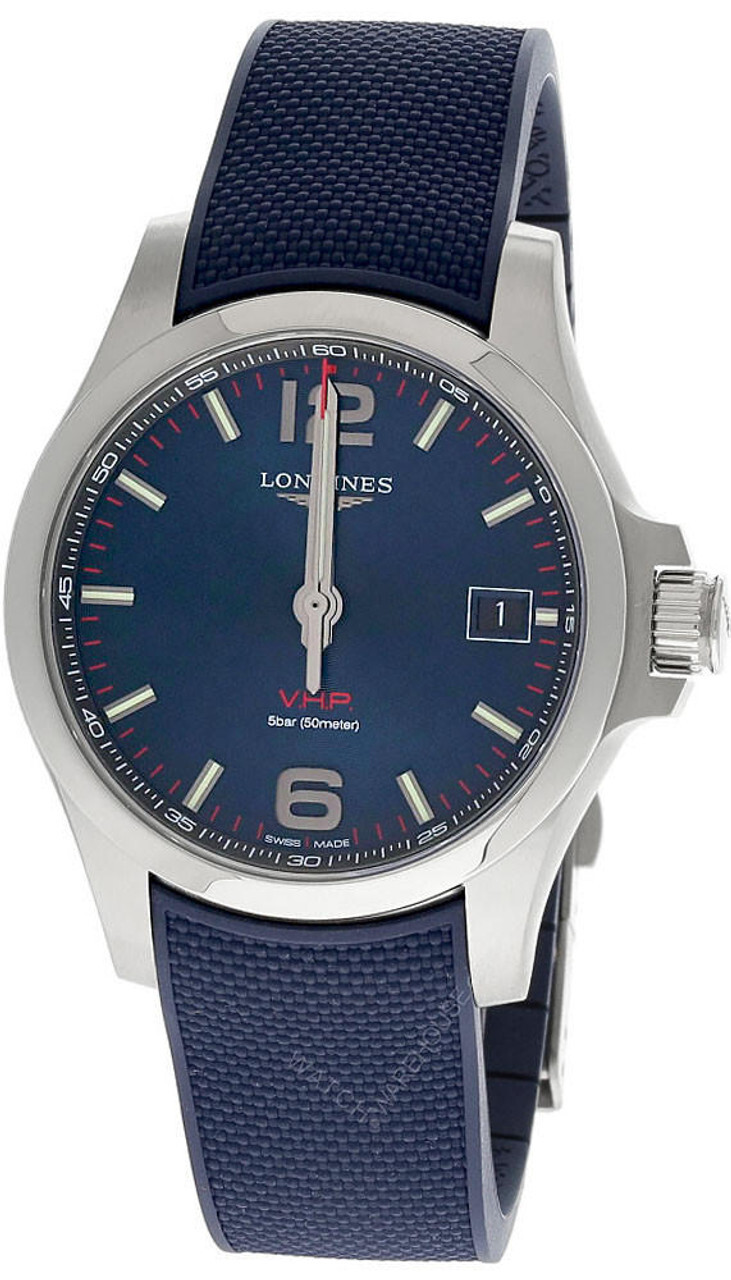
Longines Conquest V.H.P.
🔥 Deal of the Day

Longines Conquest V.H.P.

Longines

★★★★★ 4.6 (145 reviews)

$660

Offer expires in


🔥 Grab This Deal →

Also at: Watchmaxx

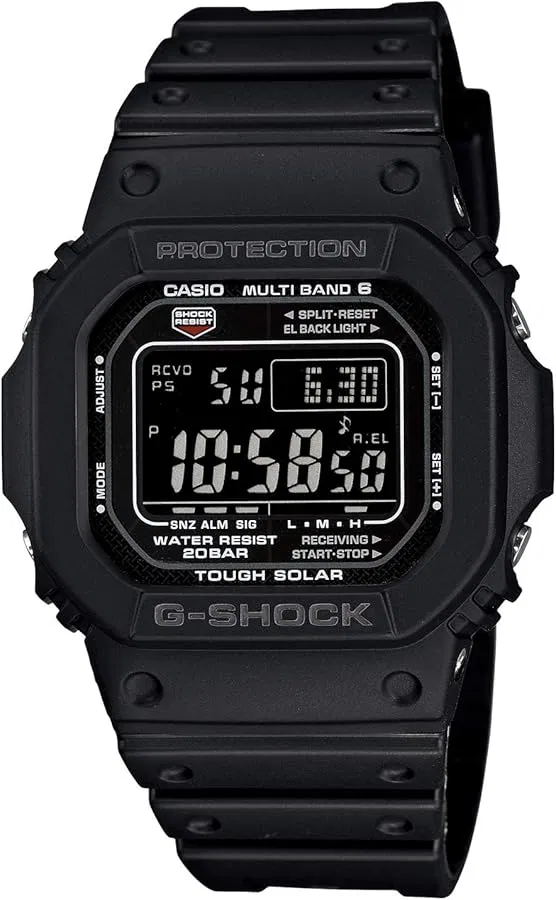
G-Shock GWM5610-1 Solar Atomic


G-Shock GWM5610-1 Solar Atomic

Casio

★★★★★ 4.8 (5,621 reviews)

$129


Check Price on Amazon →

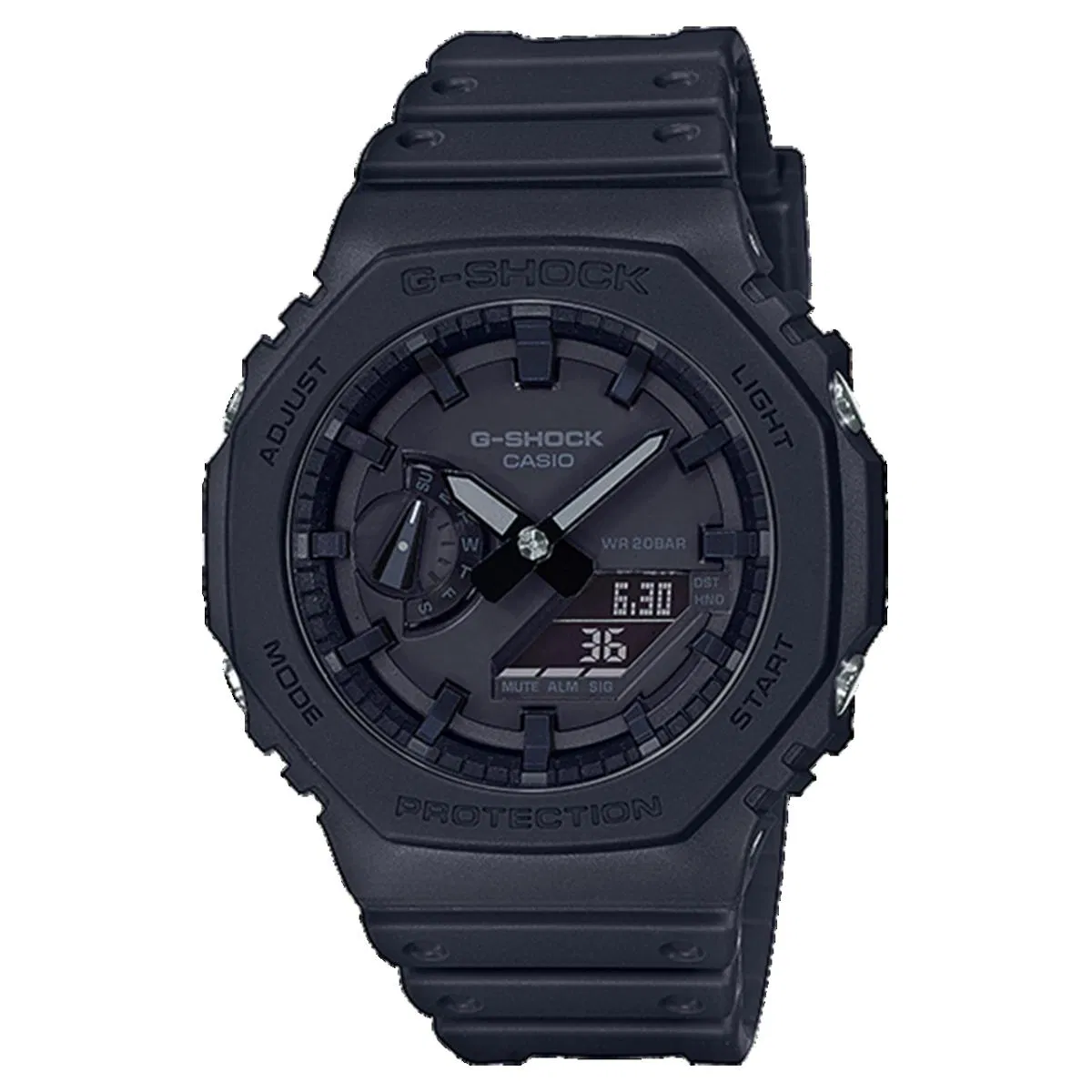
G-Shock GA2100-1A1 CasiOak


G-Shock GA2100-1A1 CasiOak

Casio

★★★★★ 4.8 (2,156 reviews)

$99


Check Price on Amazon →


Browse all expert-reviewed watches →

ETSY Shop
ETSY Shop
More Watch Facts
More Watch Facts
Redbubble Shop
Redbubble Shop

Watch Fact of the Day: The 24-Hour Dial That Refused to Tell Time Normally

So, the Glycine Airman, launched in 1953, flipped the watch game by using a 24-hour display instead of the usual 12-hour format. This was a pilot’s dream, designed after feedback from a real aviator who wanted a watch that could track dual time zones and had features like automatic winding and a calendar. The watch became essential for military pilots during the Vietnam War, helping them easily differentiate between day and night hours. Even though it looks quirky to civilians, it was engineered perfectly for how pilots needed to view time. Plus, you might be surprised when you first see where noon is on the dial!

📅 Friday, August 21, 2026

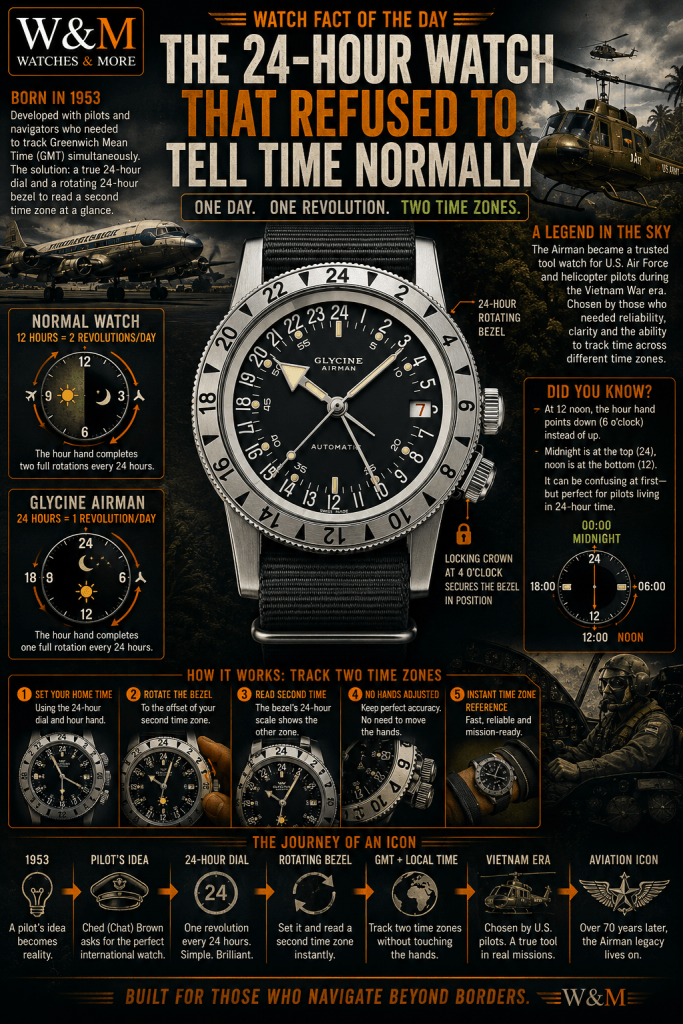
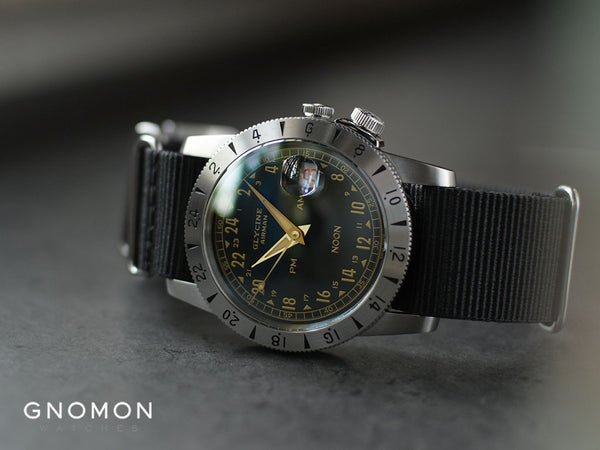
In 1953, Glycine introduced a pilot’s watch that deliberately broke one of watchmaking’s most familiar rules. Instead of an hour hand circling the dial twice every day, the original Glycine Airman used a true 24-hour display, meaning its hour hand completed just one revolution every 24 hours. Midnight sat at the top of the dial, while noon appeared at the bottom—a layout that could initially look completely backwards to anyone accustomed to an ordinary watch, but made perfect sense to aviators working in 24-hour time.

Even better, the Airman was reportedly born from an actual pilot’s request. During a 1953 flight from Bangkok to Calcutta, Glycine representative Samuel Glur spoke with pilot Ched/Chat Brown, who described the watch international flight crews needed: automatic winding, a calendar, a 24-hour dial and an external rotating 24-hour bezel. Pilots increasingly operated using Greenwich Mean Time, so the proposed arrangement would allow them to keep one reference on the dial and use the bezel to read another time zone. Glycine took the idea back to Switzerland, developed the concept and launched the Airman that same year.

Its solution to dual-time tracking was beautifully simple. The Airman didn’t originally need a separate GMT hand: the same hour hand could be read against both the fixed 24-hour dial and the independently positioned 24-hour bezel. Rotate the bezel by the appropriate offset and the watch could simultaneously indicate another time zone without disturbing the actual timekeeping hands. A small crown around 4 o’clock locked the friction bezel into position, preventing an accidental knock from changing the pilot’s reference time.

That practicality helped turn the Airman into a genuine aviation tool. During the Vietnam War era, it became especially popular among American military aviators, including helicopter pilots, who valued its instant distinction between daytime and nighttime hours and ability to follow a second time zone. Surviving watches and veteran histories have helped cement that association, but the distinction is important: its military reputation wasn’t simply created by advertising—the Airman became famous because servicemen actually bought and wore the watches in the field.

There were other wonderfully clever details. Later vintage Airmen gained an extended “tail” on the hour hand that helped translate the unusual 24-hour display into familiar 12-hour time at a glance. The watch also developed a hacking mechanism for more precise synchronization—exactly the sort of practical feature that mattered to aviation and military users. What looked eccentric to civilians was actually a dial engineered around the way its intended users thought about time.

💡 Did You Know?

At 12 noon, the original Airman’s hour hand points straight down at 6 o’clock rather than straight up at 12. That’s not a mistake: because the hour hand takes an entire day to complete one revolution, the top of the dial represents midnight and the bottom represents midday. For someone wearing a normal 12-hour watch their entire life, reading an original Airman for the first time can genuinely make you question what time it is.

Category: Military Watches

Disclaimer: Every effort has been made to keep these watch facts accurate, but the world of horology is full of myths, disputed stories, and fascinating trivia. Consider these facts a starting point for discovery rather than the final word. If you have corrections or additional insights, let us know—we’re always happy to keep the record ticking in the right direction.

🕐 Discover more watch facts, reviews, and buying guides at WatchesAndMore


🛍️ You Might Also Like

As an Amazon Associate and affiliate partner, WatchesAndMore earns from qualifying purchases.

Glycine Airman Automatic GMT
🔥 Deal of the Day

Glycine Airman Automatic GMT

Glycine

★★★★★ 4.6 (97 reviews)

$674

Offer expires in


🔥 Grab This Deal →

Also at: Ashford

G-Shock GWM5610-1 Solar Atomic


G-Shock GWM5610-1 Solar Atomic

Casio

★★★★★ 4.8 (5,621 reviews)

$129


Check Price on Amazon →

G-Shock GA2100-1A1 CasiOak


G-Shock GA2100-1A1 CasiOak

Casio

★★★★★ 4.8 (2,156 reviews)

$99


Check Price on Amazon →


Browse all expert-reviewed watches →

ETSY Shop
ETSY Shop
Redbubble Shop
Redbubble Shop
More Watch Facts
More Watch Facts