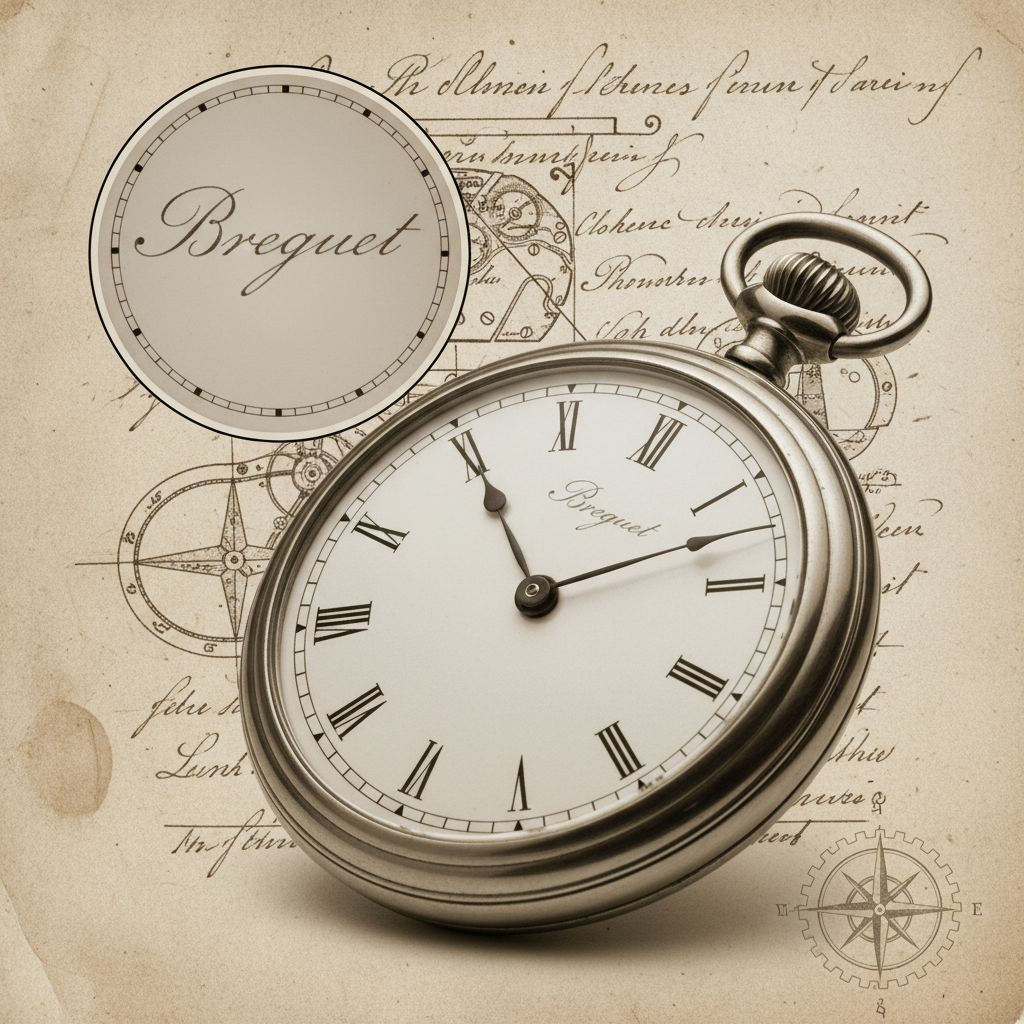

The Unusual Alarm of the Breguet Ring Watch

A Breguet ring watch sold in 1836 used a tiny needle alarm. Its documented details reveal an extraordinary miniature timepiece.

Watch Fact of the Day

Fun Quirk: Monday, October 26, 2026

📅 Monday, October 26, 2026

Long before a silent notification could buzz on your wrist, a remarkable ring delivered its reminder directly to a finger.

A watch small enough to wear as jewellery is impressive. Add an alarm, and the design becomes more demanding: the maker must find room for the controls, stored energy, and a way to attract attention. A surviving Breguet ring watch answers that last question in an unexpected way.
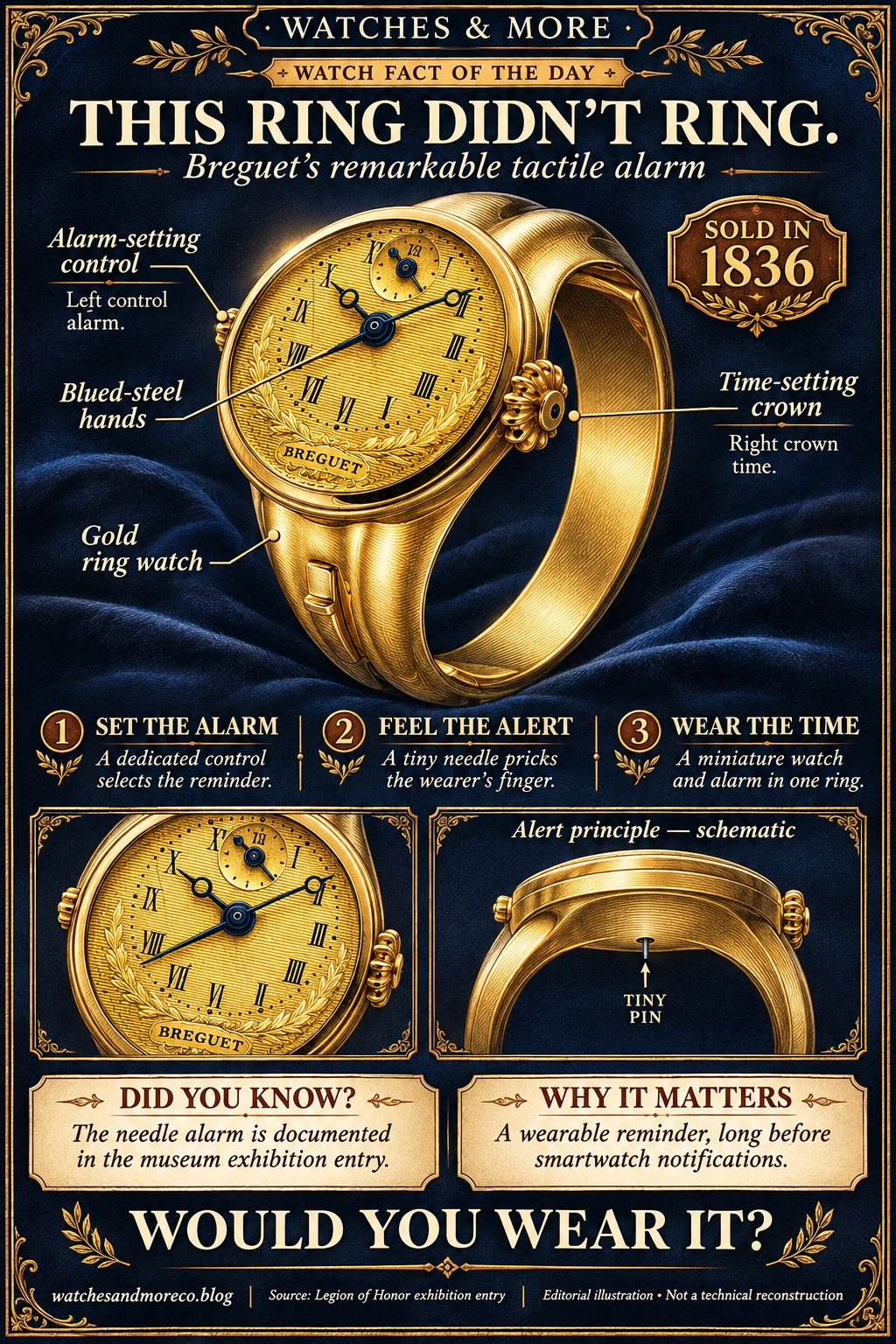
Watches & More infographic showing a gold Breguet ring watch sold in 1836, its time and alarm controls, and a conceptual illustration of the tiny pin used for a tactile reminder.
Breguet’s gold ring watch, sold in 1836: a miniature timepiece with a tactile alarm. Editorial illustration; the alarm-pin detail is schematic, not a technical reconstruction.

💍 A Documented Miniature

The Legion of Honor exhibition entry describes a gold ring watch from the Montres Breguet collection, sold in 1836. At about 25 mm across, it combines a time display and mechanical alarm in an exceptionally compact object.

Sold is the careful wording. The catalogue date should not be turned into a claim that Abraham-Louis Breguet personally constructed it in 1836. It is an object from the history of the Breguet house.

📍 A Reminder You Could Feel

The exhibition description explicitly records a small needle that pricks the finger when the alarm operates. A crown on the right winds and sets the time; a smaller control on the left sets the alarm.

Those details establish a purposeful tactile alert. They do not tell us how forceful the contact was, whether it pierced skin, or whether it reliably woke a sleeping wearer. The mechanism is fascinating without adding those unsupported dramatic claims.

🔎 More Than a Novelty

The catalogue also describes Roman numerals, a small seconds indication, blued-steel Breguet hands, and a ruby cylinder escapement. This was a considered timepiece, not merely a decorative ring with a clock face.

Miniaturization changes every decision. Controls must remain usable, the case must protect the mechanism, and the alarm must coexist with the movement. The achievement lies in integrating these demands within a wearable object.

💡 Did You Know?

The needle alarm appears in the museum exhibition description itself. It is a feature supported by a specific object record rather than just a frequently repeated anecdote.

⭐ Why It Matters

The ring belongs to the long history of wearable reminders. Its purpose is familiar: discreetly tell one person that a chosen moment has arrived. Modern vibration alerts meet much the same human need through different engineering.

A tiny timepiece can reveal a surprisingly large history of wearable technology.

📚 Sources & Further Reading

Legion of Honor exhibition catalogue — Small gold ring-watch


Join the Conversation

Would you choose a sound alarm or a silent wrist alert? Share your thoughts in the comments below.

Read Next

Category: Fun Quirk

Disclaimer: Every effort has been made to keep these watch facts accurate, but the world of horology is full of myths, disputed stories, and fascinating trivia. Consider these facts a starting point for discovery rather than the final word. If you have corrections or additional insights, let us know—we’re always happy to keep the record ticking in the right direction.

🕐 Discover more watch facts, reviews, and buying guides at WatchesAndMore
Explore watches in the W&M Watch Database.

Breguet Tact Watches: Telling Time by Touch

Breguet’s tact watches used an external pointer and raised markers to make the hour readable by touch. Discover the ingenuity behind the 1799 idea.

Watch Fact of the Day

Watch History: Wednesday, October 21, 2026

📅 Wednesday, October 21, 2026

Before a glowing screen could light the night, a pointer and raised markers offered another way to find the hour.

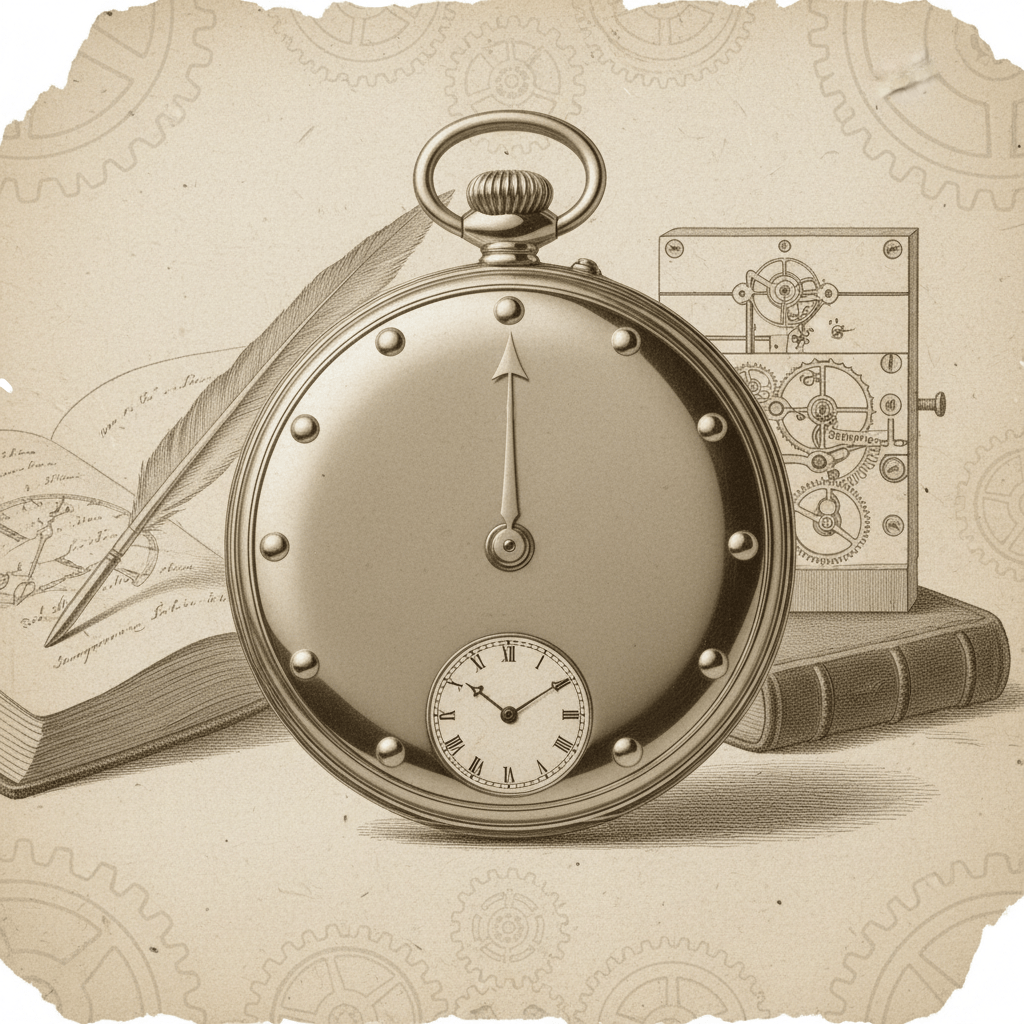
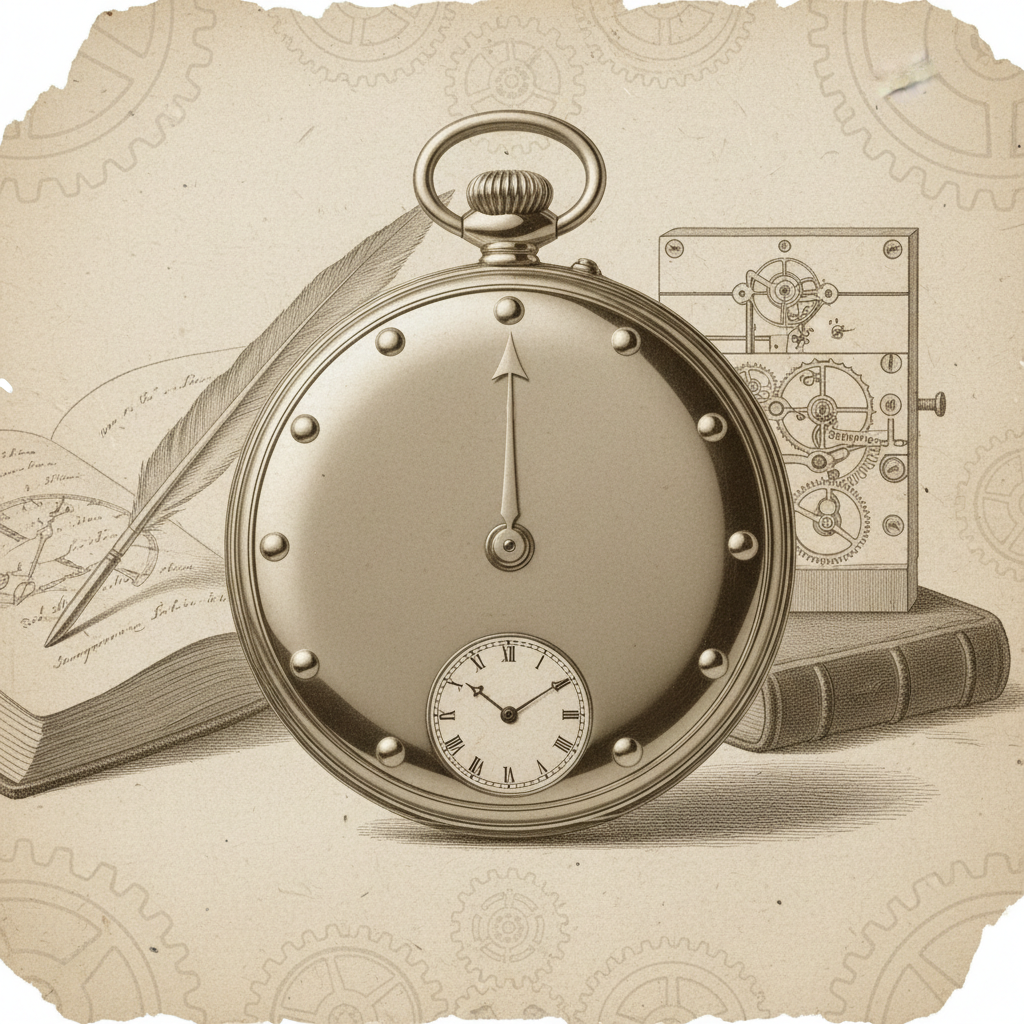
Imagine holding a watch without opening it or lifting it to your eyes. Your finger follows an arrow on the case and finds its position against surrounding studs. The time becomes something you can feel.

🖐️ Reading the Outside of a Watch

Breguet dates the commercial introduction of its montre à tact to 1799. Its historical account describes an external pointer corresponding to the hour hand, with markers placed around the case.

The pointer’s relationship to the markers gives the wearer an approximate time. This differs from a tactile watch whose owner opens a cover and touches hands on the dial. Here, the useful indication is brought to the outside.

🌙 Discretion and Darkness

The arrangement could be helpful when light was unavailable, or when openly checking the time might seem impolite. It allowed a discreet reading without visibly studying a watch face.

A tactile design can serve several circumstances. It does not follow that every example was made specifically for a blind owner; that question requires evidence about the individual watch and its commission.

💎 When Decoration Helps the Function

Breguet describes examples embellished with enamel, pearls, and diamonds. Raised ornamental elements could also provide a reference for the fingertips, combining function with a richly decorated exterior.

The result challenges a familiar division between useful instrument and jewellery. A single detail can contribute to appearance and operation at the same time.

💡 Did You Know?

Breguet records tact watch No. 611 as sold to Mrs. Bonaparte, later Empress Joséphine, in February 1800. A documented object brings the invention close to a named wearer and a specific moment.

⭐ Why It Matters

The conventional dial is one possible interface, not an inevitable form. Sound, touch, and light offer other ways for a watch to communicate.

The tact watch also encourages precise language: feeling an hour pointer between markers should not automatically be described as an exact minute display.

Ingenious timekeeping sometimes begins by asking whether we need to look at the dial at all.

📚 Sources & Further Reading

Breguet — Sale of the first tact watch


Category: Watch History

Disclaimer: Every effort has been made to keep these watch facts accurate, but the world of horology is full of myths, disputed stories, and fascinating trivia. Consider these facts a starting point for discovery rather than the final word. If you have corrections or additional insights, let us know—we’re always happy to keep the record ticking in the right direction.

🕐 Discover more watch facts, reviews, and buying guides at WatchesAndMore

Read Next

The Unusual Alarm of the Breguet Ring Watch

Vox Temporis: A Watch That Sounds Out the Minutes

Join the Conversation

Would you rather read the time by touch or hear it chimed? Share your thoughts in the comments.

Explore watches in the W&M Watch Database.

Watch Fact of the Day: Breguet Built a Watch Docking Station in the 18th Century

In 1795, Abraham-Louis Breguet invented the pendule sympathique, a snazzy gadget that let your pocket watch sync with a master clock — no Wi-Fi required! It’s like a long-lost buddy system for timepieces: drop your watch in its cradle at night, and voilà! Morning reveals it’s perfectly timed. This mechanical marvel did more than just adjust; later models could even wind the watch. Breguet struck royal gold, selling only six of these masterpieces to princes who presumably needed an extra fancy way to tell time. So, next time your watch updates itself, give a nod to Breguet, the original time-broker!

Watch History: Tuesday, September 29, 2026

📅 Tuesday, September 29, 2026

Imagine placing your pocket watch into a clock at night and finding it set to the right time in the morning. No screen. No software. Just gears, springs, and a remarkable idea.

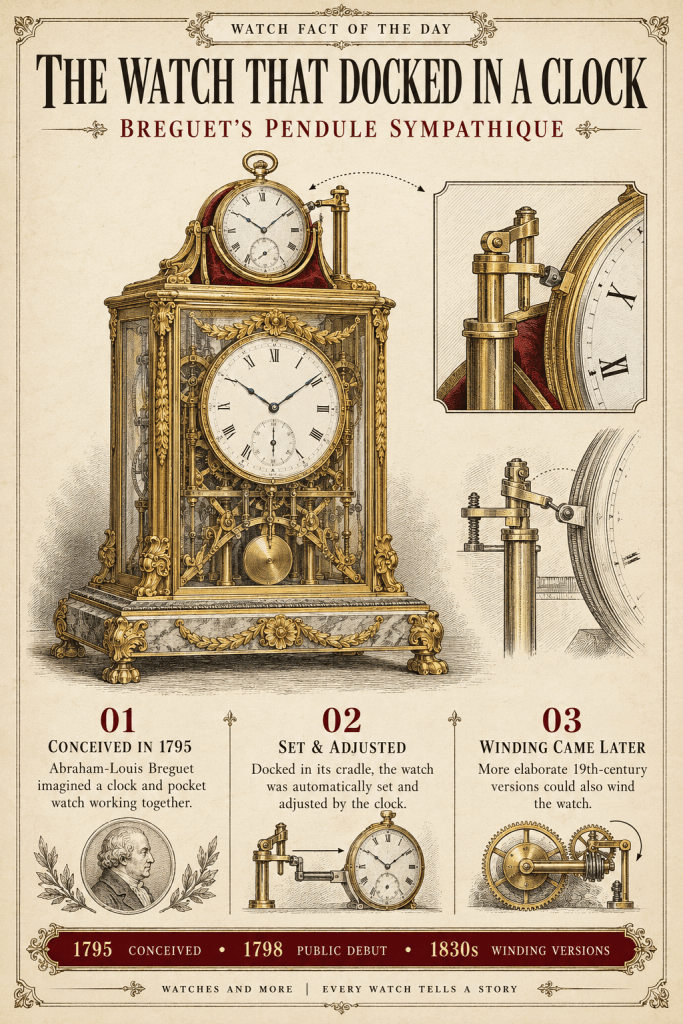
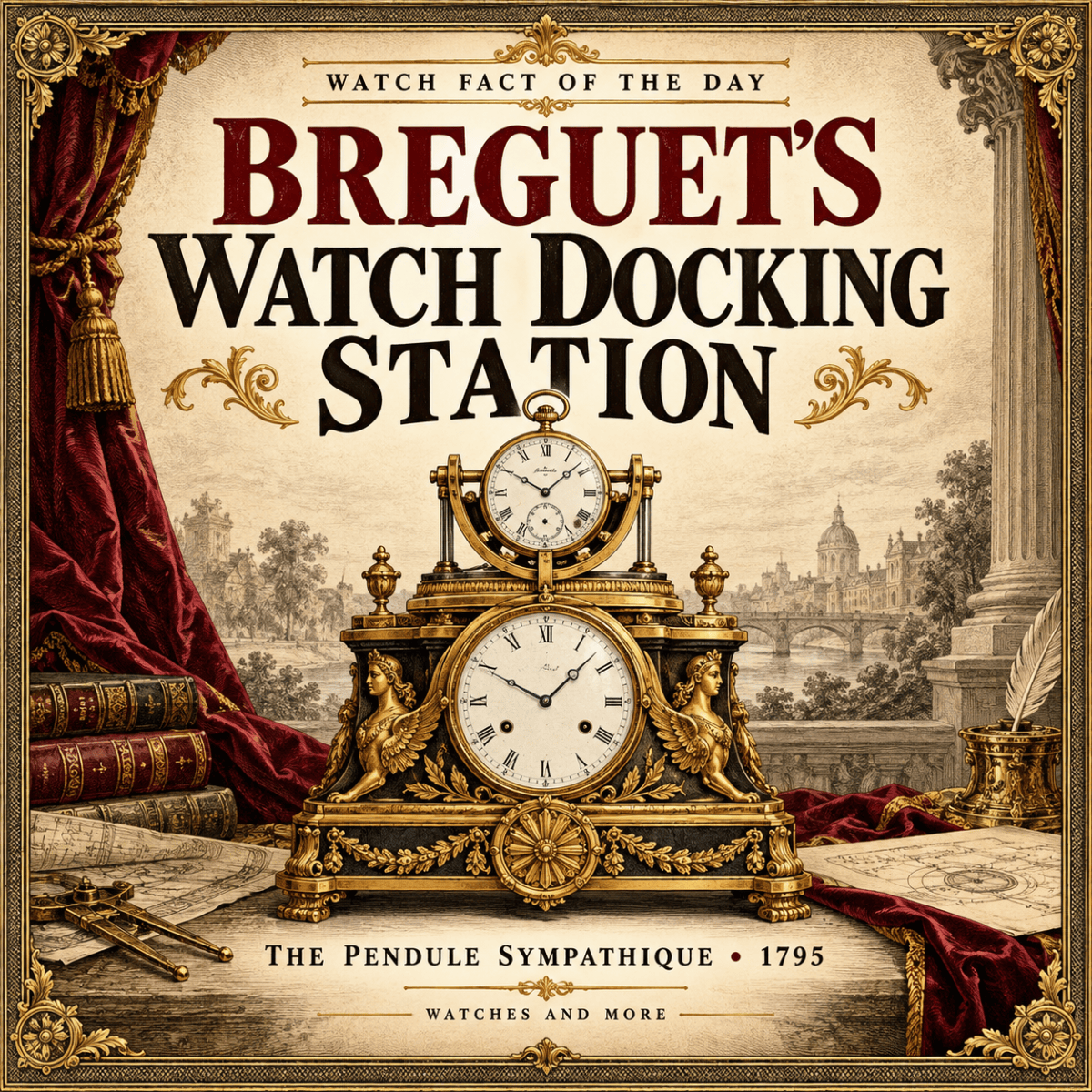
Abraham-Louis Breguet conceived the pendule sympathique in 1795 and first presented it publicly in 1798. It paired a master clock with a portable watch made to fit into a cradle. Once docked, the watch could be automatically set and adjusted by the clock. More than two centuries before we began syncing the devices we carry, Breguet had created a mechanical relationship between two timekeepers.

A Clock and Watch Working Together

The clever part was the connection. The pocket watch could travel with its owner, then return to the clock for correction. Breguet called the system sympathique to express harmony between the two timepieces. That name feels fitting: one kept time at home while the other carried it out into the world.

There is a detail that makes this story even better. The original 1790s concept should not be credited with every feature found in later examples. Breguet describes the early system as automatically setting and adjusting the watch. Later sympathique clocks developed more elaborate mechanisms; a documented 1835 example could also wind its matching watch. The idea evolved from mechanical time synchronization into something even closer to what we would now call a docking station.

An illustrated infographic about Breguet's Pendule Sympathique, showcasing a clock and docked pocket watch, including historical facts about its conception in 1795, its automatic setting feature, and later winding versions from the 1830s.

Fit for Royalty

These were extraordinary creations, and their buyers reflected that. According to Breguet, Abraham-Louis sold just five, each different, before his death in 1823. His son Antoine-Louis sold one more in 1830. All six went to kings or princes. One clock-and-watch pair was sold in 1814 to Britain’s Prince Regent, the future King George IV.

Why It Still Matters

Today, we barely think about a watch updating itself. Breguet’s achievement invites us to stop and picture what that required when every instruction had to be carried out by a physical mechanism.

The pendule sympathique is a reminder that watchmaking has always been about more than displaying the hour. Sometimes it is about imagining a new way for timepieces to work together—and then finding a way to build it.

Watch Fact of the Day: Breguet conceived a clock that could automatically set and adjust its matching pocket watch in 1795. Later versions added automatic winding. The watch dock was a horological idea long before the digital age.

Every watch tells a story. This one tells the story of two timepieces working in sympathy.


Category: Watch History

Disclaimer: Every effort has been made to keep these watch facts accurate, but the world of horology is full of myths, disputed stories, and fascinating trivia. Consider these facts a starting point for discovery rather than the final word. If you have corrections or additional insights, let us know—we’re always happy to keep the record ticking in the right direction.

🕐 Discover more watch facts, reviews, and buying guides at WatchesAndMore

🛍️ You Might Also Like

As an Amazon Associate and affiliate partner, WatchesAndMore earns from qualifying purchases.

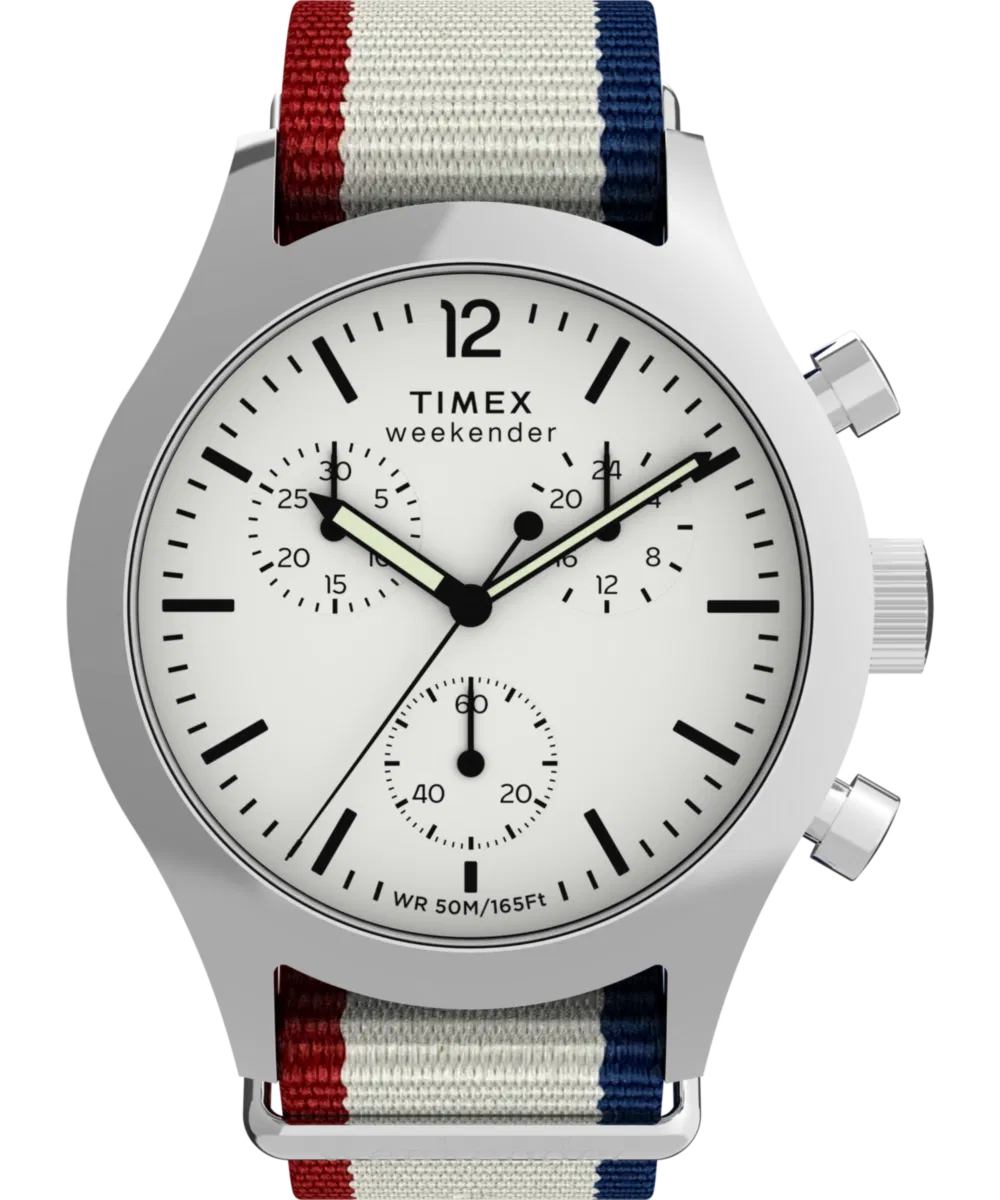
Timex Weekender Chronograph
🔥 Deal of the Day

Timex Weekender Chronograph

Timex

★★★★★ 4.5 (3,041 reviews)

$79

Offer expires in


🔥 Grab This Deal →

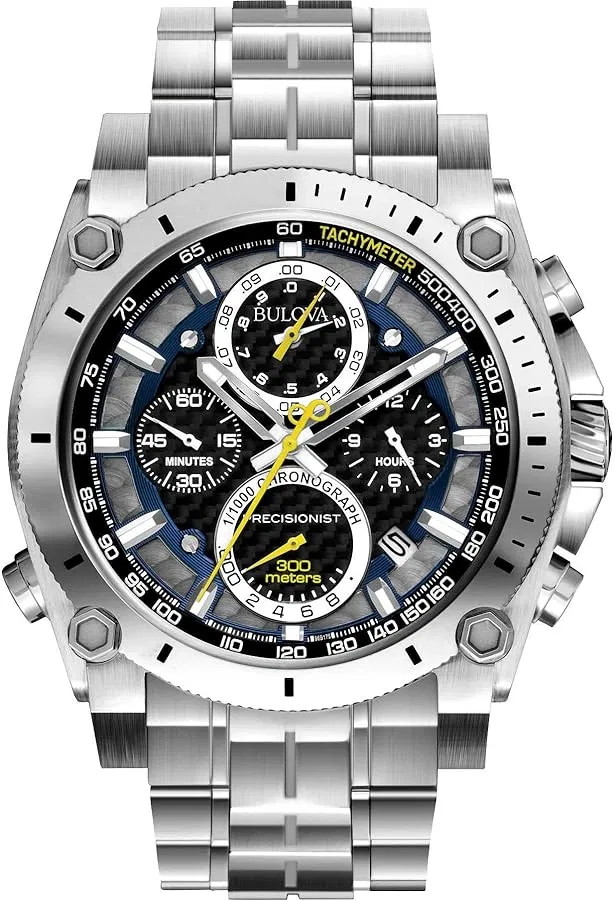
Bulova Precisionist


Bulova Precisionist

Bulova

★★★★★ 4.6 (1,100 reviews)

$219


Check Price on Amazon →

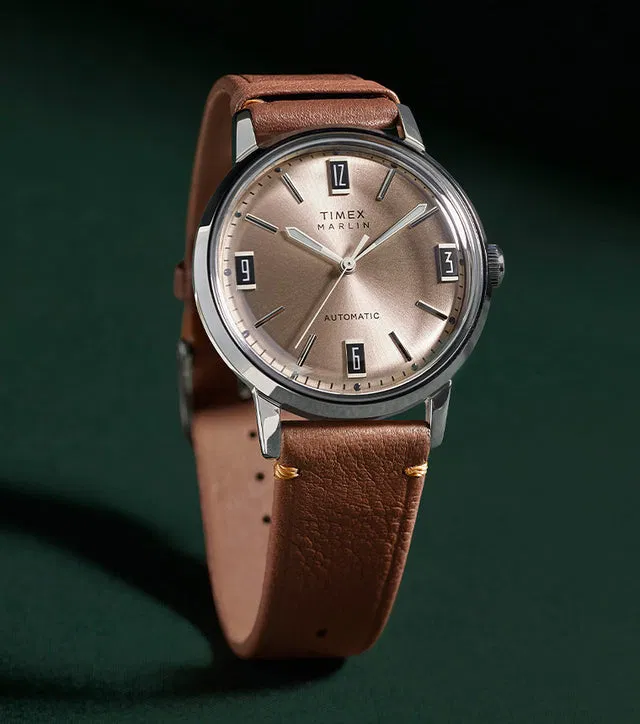
Timex Marlin Automatic 40mm


Timex Marlin Automatic 40mm

Timex

★★★★★ 4.7 (1,106 reviews)

$259


Check Price on Amazon →


Browse all expert-reviewed watches →

ETSY Shop
ETSY Shop
Redbubble Shop
Redbubble Shop
More Watch Facts
More Watch Facts

💡 Did You Know?

The early sympathique concept and later clocks did not all offer the same functions. It is worth distinguishing automatic setting from the additional winding mechanisms found in later examples.

📚 Sources & Further Reading

Further reading: Fondation de la Haute Horlogerie — watchmaking glossary

Join the Conversation

Which detail in this story interests you most, and would it influence what you wear or collect? Share your thoughts in the comments below.

Read Next

🛍️ Explore designs, gifts and more at the W&M companion shop.

Watch Fact of the Day: Breguet’s Secret Signature: The 18th-Century Anti-Counterfeit Hack

In the late 18th century, watchmaker Abraham-Louis Breguet faced a hilarious dilemma: his watches were so popular that counterfeiters were all over them like cats on a warm laptop. To combat this, he invented a “secret signature” so tiny it could hide in plain sight! Using a fancy engraving method, he created a mark that only the keenest eyes (or best lighting) could spot. Fast forward over two hundred years, and Breguet’s secret signature still ticks on, serving as both an anti-counterfeiting measure and a tribute to Breguet’s original genius. Talk about a watch that’s not just on time, but also a bit sneaky!

Watch History: Tuesday, August 11, 2026

📅 Tuesday, August 11, 2026

By the late 18th century, Abraham-Louis Breguet had a problem most watchmakers could only dream of: his watches had become so desirable that counterfeiters were copying them. His response was remarkably sophisticated. Around 1795, Breguet began placing an extraordinarily small “secret signature” on the dials of his watches—a subtle authentication mark designed to be exceedingly difficult for imitators to reproduce.

The technique employed a pantograph engraving system and a fine dry/diamond point, allowing a larger master inscription to be reduced to microscopic proportions on the dial. Rather than appearing like an ordinary printed logo, the resulting engraving could virtually disappear under normal viewing conditions and reveal itself when examined carefully under raking or oblique light. Without the appropriate pantograph and master matrix, accurately reproducing it was extremely difficult.

That made the secret signature an ingenious early form of luxury-product authentication. Genuine examples could incorporate Breguet’s name, identifying information and, on certain Souscription watches, the watch number. A Breguet Souscription pocket watch now held by the British Museum, for example, carries a miniature secret inscription below the 12 o’clock position.

More than two centuries later, the tradition survives. Modern Breguet watches can still feature the secret signature—not simply as an anti-counterfeiting measure, but as a connection to Abraham-Louis Breguet’s original craftsmanship and one of watchmaking’s cleverest historical security features.

Category: Watch History

Disclaimer: Every effort has been made to keep these watch facts accurate, but the world of horology is full of myths, disputed stories, and fascinating trivia. Consider these facts a starting point for discovery rather than the final word. If you have corrections or additional insights, let us know—we’re always happy to keep the record ticking in the right direction.

🕐 Discover more watch facts, reviews, and buying guides at WatchesAndMore

🛍️ You Might Also Like

As an Amazon Associate and affiliate partner, WatchesAndMore earns from qualifying purchases.

Timex Weekender Chronograph
🔥 Deal of the Day

Timex Weekender Chronograph

Timex

★★★★★ 4.5 (3,041 reviews)

$79

Offer expires in


🔥 Grab This Deal →

Bulova Precisionist


Bulova Precisionist

Bulova

★★★★★ 4.6 (1,100 reviews)

$219


Check Price on Amazon →

Timex Marlin Automatic 40mm


Timex Marlin Automatic 40mm

Timex

★★★★★ 4.7 (1,106 reviews)

$259


Check Price on Amazon →


Browse all 142+ expert-reviewed watches →

ETSY Shop
ETSY Shop
Redbubble Shop
Redbubble Shop
MHermès Le Temps Suspendu turns a wish we’ve all had into a wonderfully playful piece of watchmaking.

Ever enjoyed a moment so much that you wished you could stop the clock?

A great conversation. A quiet coffee. An evening with someone you love.

Hermès took that feeling and gave it a button.

The Arceau Le Temps Suspendu, introduced in 2011, offers the mechanical illusion of pausing time—and lets you return to the present whenever you choose. Its name translates to “suspended time,” which captures the idea beautifully.

⏸️ One Press, and the Clock Takes a Break

Press the pusher and the hour and minute hands gather near 12 o’clock, abandoning their usual job of telling you the time.

Here’s a lovely detail: the hour and minute hands remain visible. They park near the top of the dial; on the original date-equipped model, it’s the date indicator that disappears. The result is a watch face that seems to have stepped outside its normal routine.

Imagine pressing that button as dinner arrives.

For a little while, your wrist stops reminding you how late it’s getting.ore Watch Facts
More Watch Facts

💡 Did You Know?

A subtle dial signature should be considered alongside the movement, case and documentary history. No single visible mark can establish authenticity on its own.

⭐ Why It Matters

Small design decisions can change both the way a watch is read and the way it is recognised. Looking closely makes the dial part of the story rather than a decorative surface.

📚 Sources & Further Reading

Further reading: Fondation de la Haute Horlogerie — watchmaking glossary

Join the Conversation

Which detail in this story interests you most, and would it influence what you wear or collect? Share your thoughts in the comments below.

Read Next

🛍️ Explore designs, gifts and more at the W&M companion shop.