
2026-11-16 · Watches And More
A sudden knock brings this story into focus. According to Breguet’s official history, Abraham-Louis Breguet identified the fine balance-wheel pivots as the watch’s most vulnerable parts under a blow. His response was the pare-chute, a protective system he began experimenting with around 1790. The ingenuity sits not in the dial, but in the small supports around those delicate pivots. [S1] [S1]
💡 Did You Know?
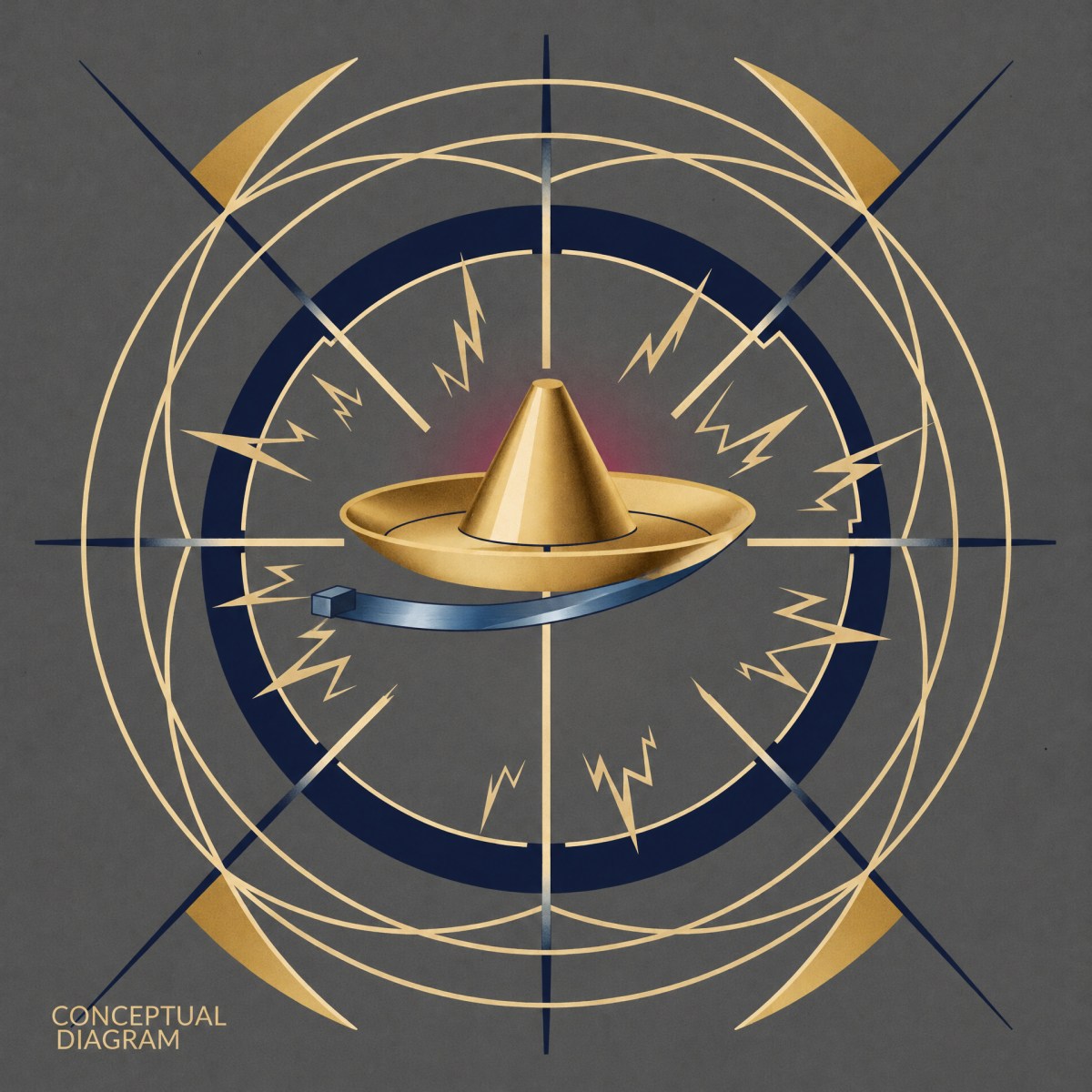
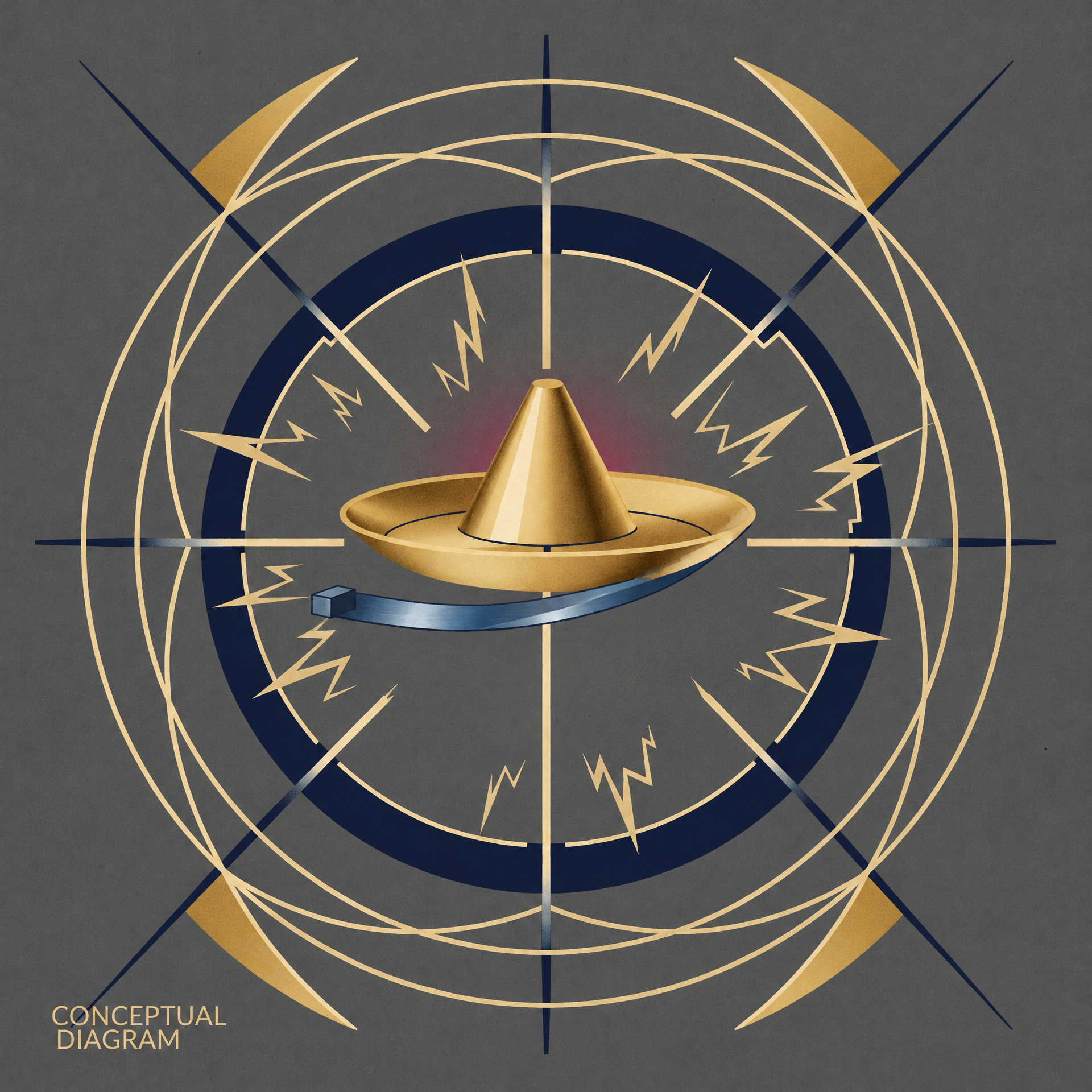
The construction is wonderfully specific. Fondation Haute Horlogerie’s reference describes conical balance-wheel pivots held in dishes mounted on a strip spring. Rather than leaving the protection mechanism as a vague promise of toughness, that description gives us three concrete elements to picture: the pivot, its shaped support and the spring beneath it. [S2]
There is more than one date in this story. Breguet’s official account says its perpétuelle watches were equipped with pare-chute from 1792, while the definitive version was presented at the national exhibition of 1806. Around 1790 marks the beginning of testing—not the unveiling of the finished design. [S1]
⭐ Why It Matters
Breguet calls the construction an elastic suspension of the balance wheel and describes it as a forerunner of modern Incabloc and other shock-protection mechanisms. That is the manufacturer’s historical lineage claim, not a statement that pare-chute and Incabloc are identical constructions. The documented Breguet arrangement remains the focus here. [S1]
❤️ The W&M Take
For us, the pare-chute offers a refreshing way to appreciate watchmaking: look beyond what a watch displays and ask how its delicate machinery is supported. We think the cone, dish and spring make a more compelling story than a sweeping claim of invulnerability. Small, purposeful engineering deserves its own spotlight.
Sources
Disclaimer: Every effort has been made to keep these watch facts accurate, but the world of horology is full of myths, disputed stories, and fascinating trivia. Consider these facts a starting point for discovery rather than the final word. If you have corrections or additional insights, let us know—we’re always happy to keep the record ticking in the right direction.
Read Next
- The 1836 Breguet Ring Watch That Pricked Your Finger to Wake You
- The ‘Elephant’s Foot’ Was Once a Symbol of Watchmaking Prowess!
Watches And More · Watch Fact Archive · Companion site
Which interests you more: a complication that adds a new function, or an ingenious mechanism that protects the functions already there?

